
Are you struggling to find the perfect lighting solution for your deep tanks? Choosing the right lighting can make a huge difference in visibility, energy costs, and even safety.
LED lighting for deep tanks offers a powerful, efficient way to brighten every corner without wasting energy. You’ll discover why LED lights are the smart choice for deep tanks and how they can transform your space. Keep reading to learn how to pick the best LED lighting that fits your needs and budget.
Benefits Of Led Lighting
LED lighting offers many advantages for deep tanks. It improves visibility and supports tank life.
Using LED lights in deep tanks saves energy and reduces maintenance needs.
Energy Efficiency
LED lights use less electricity than other types. This lowers your power bills.
- Consumes up to 80% less energy
- Uses less power for the same brightness
- Helps reduce carbon footprint
Long Lifespan
LED lights last much longer than traditional bulbs. This means fewer replacements are needed.
| Light Type | Average Lifespan |
| LED | 25,000 to 50,000 hours |
| Incandescent | 1,000 to 2,000 hours |
| Fluorescent | 7,000 to 15,000 hours |
Reduced Heat Output
LED lights produce less heat. This helps keep tank water cooler and safe for aquatic life.
- Less heat means lower cooling costs
- Reduces risk of overheating tank equipment
- Improves comfort for nearby workers

Credit: www.reddit.com
Challenges In Deep Tank Lighting
Lighting deep tanks with LED lamps faces many problems. Bright light must reach the bottom for clear visibility.
Many factors reduce light quality in deep tanks. We will look at key challenges and their effects.
Light Penetration Issues
Light weakens as it goes through water in deep tanks. The deeper the water, the less light reaches the bottom.
- Water absorbs and scatters light, reducing brightness.
- LED lights may need higher power to reach deep areas.
- Angle and position of lights affect how far light travels.
Water Turbidity Effects
Turbid water has many particles that block and scatter light. This reduces visibility in the tank.
| Effect | Description |
|---|---|
| Light Scatter | Particles cause light to spread in different directions. |
| Reduced Intensity | Less light reaches deep water due to absorption. |
| Color Shift | Water color can change how light looks inside the tank. |
Maintenance Difficulties
Maintaining LED lighting in deep tanks is hard. Access and cleaning are challenging tasks.
- Changing bulbs requires special tools or drains.
- Cleaning light covers is needed to keep brightness.
- Water conditions can damage lights over time.
Choosing The Right Led Fixtures
Choosing the right LED fixtures for deep tanks is important. The right light helps plants and animals grow well.
You must think about brightness, color, and how strong the lights are. This guide explains key points to help you pick the best LED fixtures.
Lumens And Brightness Levels
Lumens show how bright a light is. For deep tanks, you need bright lights to reach the bottom.
Check the lumens rating before buying. Higher lumens mean more light for deep water.
- Low lumens may not reach deep parts
- High lumens give better visibility
- Too much brightness can stress animals
Color Temperature Options
Color temperature affects how the light looks. It is measured in Kelvins (K).
Use cooler lights (5000K-7000K) for clear, blue-white light. Warmer lights (2700K-3500K) give soft, yellow light.
- Cool lights help plants grow better
- Warm lights create a natural look
- Choose color based on tank life and style
Waterproof And Durability Ratings
LED fixtures must resist water and pressure in deep tanks. Look for waterproof ratings like IP65 or higher.
Durability protects lights from damage and keeps them safe for a long time.
- IP65 means protection from water jets
- IP68 means full water immersion safe
- Strong materials last longer in wet conditions
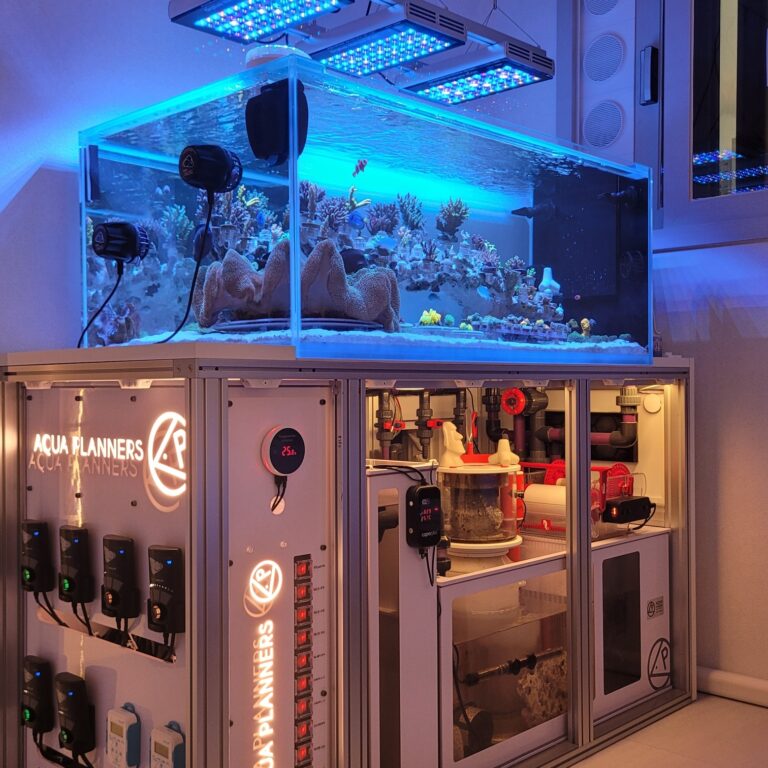
Credit: orphek.com
Installation Techniques
Installing LED lighting in deep tanks needs careful planning. Proper setup ensures good light coverage and safety.
This guide explains how to place, wire, and mount LED lights for deep tanks effectively.
Optimal Placement Strategies
Place LED lights where they shine evenly across the tank. Avoid dark spots by spacing lights well.
Position lights to reduce glare and reflections on the water surface. Use multiple lights for large tanks.
- Space lights evenly along tank length and width
- Use angled lighting for better coverage
- Keep lights away from water flow areas
- Consider depth to choose light intensity
Wiring And Safety Considerations
Use waterproof cables and connectors for wiring LED lights in deep tanks. This prevents short circuits.
Check local electrical codes and use a ground fault circuit interrupter (GFCI) for safety.
- Use waterproof junction boxes
- Keep wiring above water level when possible
- Seal all connections with waterproof tape or gel
- Test all wiring before full operation
Mounting Options
Choose mounting methods that hold LED lights firmly in place. Use brackets, clips, or magnetic mounts.
Consider tank material and shape when selecting mounting hardware to avoid damage.
- Use stainless steel brackets for metal tanks
- Plastic clips work well on acrylic tanks
- Magnetic mounts fit steel tanks easily
- Secure wiring to prevent movement
Enhancing Light Distribution
LED lighting for deep tanks requires careful design. Proper light spread helps plants and animals grow evenly. It also prevents dark spots and energy waste.
To improve light distribution, focus on two key areas: reflectors and diffusers, and beam angle selection. Both affect how light travels in deep water.
Reflectors And Diffusers
Reflectors direct light to needed areas by bouncing it off surfaces. Diffusers soften light to reduce harsh shadows and glare. Both help spread light evenly in deep tanks.
- Reflectors increase light intensity on target zones.
- Diffusers scatter light to cover wider areas.
- Combining both creates uniform light patterns.
- Materials like aluminum or acrylic work well for reflectors.
- Frosted glass or plastic often serves as diffusers.
Beam Angle Selection
Choosing the right beam angle controls how far and wide light spreads. Narrow beams reach deep but cover less area. Wide beams cover more but lose intensity fast.
| Beam Angle | Light Spread | Best Use |
| 15° | Narrow, focused | Very deep tanks or spotlighting |
| 30° | Moderate spread | Medium depth tanks |
| 60° | Wide spread | Shallow or wide tanks |
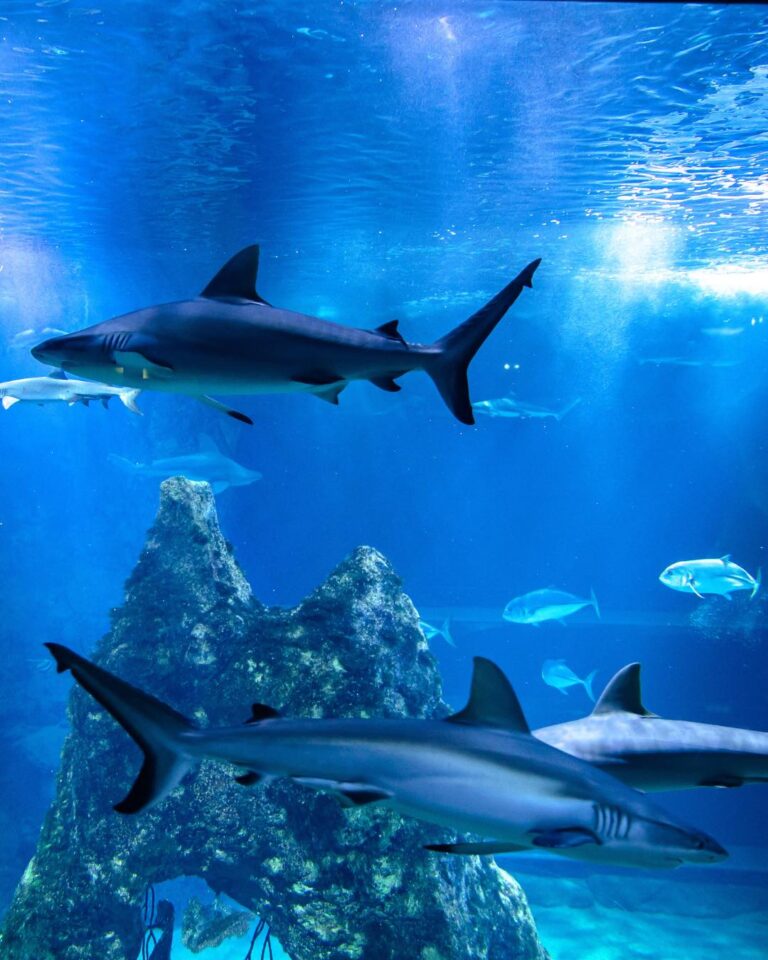
Credit: orphek.com
Energy Management And Controls
LED lighting for deep tanks helps manage energy effectively. These systems use advanced controls to save power.
Using LED lights is not just about saving energy. It also involves smart controls for better efficiency.
Dimming And Scheduling
Dimming LED lights in deep tanks reduces energy use. Scheduling helps turn lights on and off at set times.
- Set dimming levels for different times
- Schedule lights to turn off during low activity
- Use sensors for automatic dimming
Smart Lighting Systems
Smart lighting systems offer control with advanced features. They can adjust based on the tank’s needs.
| Feature | Benefit |
| Automatic Dimming | Reduces energy use |
| Scheduled Lighting | Improves efficiency |
| Remote Control | Increases flexibility |
Maintenance And Troubleshooting
LED lighting is essential for deep tanks. Regular maintenance ensures they work effectively. Troubleshooting helps fix common issues quickly.
Proper care extends the life of LED lights. It also keeps your tank looking its best.
Cleaning Procedures
Cleaning LED lights is important. It removes dirt and algae buildup. This ensures maximum light output.
Use a soft cloth and mild soap for cleaning. Avoid harsh chemicals that can damage lights.
- Turn off the lights before cleaning
- Gently wipe the surface with a damp cloth
- Rinse with clean water
- Dry thoroughly before turning back on
Common Issues And Fixes
LED lights can sometimes flicker or dim. These problems are often simple to fix.
Check connections and power sources first. Loose wires or bad power can cause issues.
- Ensure all plugs are secure
- Inspect for visible damage
- Replace damaged bulbs immediately
- Consult the manual for specific issues
Cost Analysis And Roi
Using LED lighting for deep tanks can save money over time. It needs some upfront costs but lowers energy bills.
This guide explains the costs and benefits of LED lighting. It helps you see the return on investment clearly.
Initial Investment
LED lights for deep tanks cost more than regular lights at first. You pay for the fixtures and installation.
The price depends on the size and type of tank and the number of lights needed. Quality LEDs may cost more.
- Cost of LED fixtures
- Installation fees
- Possible upgrades to electrical systems
Energy Savings Over Time
LED lights use less power than traditional lights. They reduce electricity bills significantly.
They also last longer, so you replace them less often. This cuts maintenance costs over time.
- Lower electricity consumption
- Reduced cooling costs
- Longer bulb life
Payback Period
The payback period is how long it takes to recover the initial investment. LED lighting usually pays back in a few years.
After this period, the savings add directly to your profits. This makes LED lighting a smart choice for deep tanks.
| Factor | Impact on Payback |
|---|---|
| Initial cost | Higher upfront means longer payback |
| Energy savings | More savings shortens payback time |
| Usage hours | More hours of use means faster payback |
Frequently Asked Questions
What Are The Benefits Of Led Lighting For Deep Tanks?
LED lighting offers energy efficiency, long lifespan, and low heat emission. It ensures better illumination in deep tanks, enhancing visibility and safety. LEDs also reduce maintenance costs and provide uniform light distribution, making them ideal for deep tank applications.
How Does Led Lighting Improve Visibility In Deep Tanks?
LEDs emit bright, focused light that penetrates deep water effectively. Their adjustable intensity helps reduce glare and shadows. This improved visibility enhances inspection, maintenance, and operational safety in deep tanks.
Are Led Lights Waterproof And Durable For Deep Tanks?
Yes, LED lights designed for deep tanks are waterproof and corrosion-resistant. They are built to withstand harsh environments, moisture, and pressure, ensuring reliable performance and durability under challenging tank conditions.
What Is The Energy Consumption Of Led Lighting In Deep Tanks?
LED lighting consumes up to 80% less energy than traditional lighting. This leads to significant cost savings and reduces environmental impact. LED systems are energy-efficient, making them ideal for continuous use in deep tanks.
Conclusion
LED lighting for deep tanks saves energy and lasts longer. It provides bright, clear light that reaches all parts of the tank. This helps plants and animals grow better. LED lights also reduce heat, keeping water temperature stable. Easy to install and maintain, they suit many tank types.
Choosing the right LED lights improves tank health and visibility. A smart choice for anyone with deep tanks. Simple, effective, and efficient lighting.