
If you have a deep reef tank, you know how important lighting is for the health and beauty of your corals and marine life. Choosing the right lighting can be tricky, especially when your tank is deep and needs strong, balanced light to reach every corner.
That’s where LED lighting comes in. It’s energy-efficient, customizable, and powerful enough to bring out vibrant colors in your reef. You’ll discover why LED lighting is the best choice for your deep reef tank and how to pick the perfect setup to keep your underwater world thriving.
Keep reading to unlock the secrets to stunning, healthy reef tanks with LED lights.

Credit: www.ebay.com
Benefits Of Led Lighting
LED lighting is popular for deep reef tanks. It helps corals grow and keeps the tank healthy.
Using LED lights gives many benefits compared to other lights. They save energy and last a long time.
Energy Efficiency
LED lights use less electricity than traditional lights. This saves money on power bills.
They produce more light with less energy. This means brighter tanks with lower costs.
- Lower electricity use
- Less heat produced
- Reduced need for cooling
Longevity And Durability
LED lights last much longer than other bulbs. They need fewer replacements over time.
They are strong and can handle moisture well. This makes them good for aquarium use.
- Long lifespan up to 50,000 hours
- Resistant to water and humidity
- Less frequent bulb changes
Customizable Light Spectrum
LED lights let you change colors and brightness. This helps create the best light for coral growth.
You can set blue, white, and other colors to match natural reef conditions. This improves coral health.
- Adjustable color settings
- Supports photosynthesis in corals
- Mimics natural sunlight

Credit: www.amazon.ca
Light Requirements For Coral
Coral in deep reef tanks need specific lighting to grow well. Proper light helps corals perform photosynthesis. Understanding these needs helps create a healthy tank environment.
Different corals require different light levels. We will cover three key areas: photosynthesis and PAR levels, color temperature and spectrum, and light intensity and duration.
Photosynthesis And Par Levels
Corals rely on photosynthesis to get energy. Photosynthetically Active Radiation (PAR) measures the light corals use. It is important to provide the right PAR levels for coral health.
| Coral Type | Recommended PAR (μmol/m²/s) |
| Soft Corals | 50 – 150 |
| LPS Corals | 100 – 250 |
| SPS Corals | 200 – 400 |
Color Temperature And Spectrum
Corals respond best to certain light colors. Color temperature affects coral growth and color. Blue light helps photosynthesis and shows coral colors well.
- Use light between 10,000K and 20,000K for reef tanks
- Include blue and actinic spectrum for coral health
- Balance white light for natural appearance
Light Intensity And Duration
Light intensity and how long the light is on affect coral growth. Too much light can stress corals. Too little light can stop their growth.
- Start with 8 to 10 hours of light daily
- Adjust intensity based on coral response
- Use timers to keep a consistent schedule
Choosing The Right Led Fixture
LED lighting is important for deep reef tanks. It helps corals grow and shows their colors well. Picking the right LED fixture can be hard.
You need to think about the type, power, and features of the light. This guide will help you choose the best LED fixture for your tank.
Fixture Types And Designs
LED fixtures come in many shapes and sizes. Some hang above the tank, while others mount on the sides or top. Each design fits different tank setups.
Look for fixtures with good build quality and water resistance. Some have built-in cooling fans to keep the light safe. Choose a design that fits your tank space well.
- Hanging fixtures: easy to adjust height
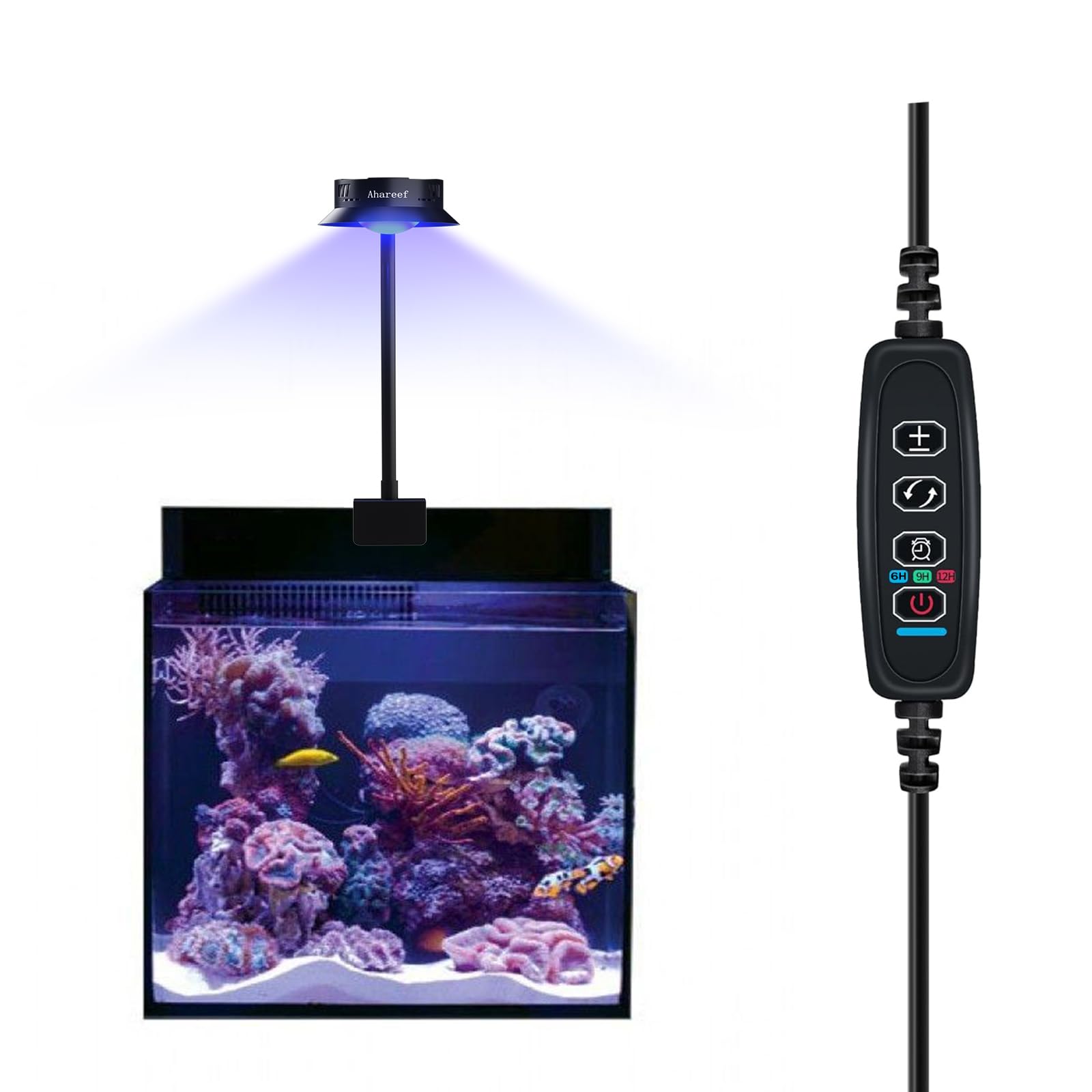
- Clip-on fixtures: good for small tanks
- Standalone units: fit large tanks well
- Waterproof and sealed designs
Wattage And Coverage Area
The wattage shows how much power the LED uses. More wattage means stronger light. Deep reef tanks need bright light to reach all coral levels.
Check the coverage area of the fixture. It should match or be bigger than your tank’s size. If the light is too small, parts of the tank will be dark.
- Use 3 to 5 watts per gallon for deep tanks
- Measure tank length and width for coverage
- Place multiple fixtures for even lighting
- Consider light spread and angle
Control Features And Programmability
Modern LED fixtures often have control features. You can change brightness, color, and timing. This helps mimic natural light cycles.
Programmable lights let you set schedules for sunrise and sunset effects. Some have apps or remote controls for easy use. These features help corals stay healthy.
- Brightness adjustment for different coral needs
- Color control for better coral color
- Timers to simulate day and night
- Remote or app control for convenience
Installation And Setup Tips
Setting up LED lighting for deep reef tanks needs careful planning. Proper installation helps corals grow strong and healthy.
This guide covers how to mount lights, set light schedules, and avoid common problems like algae growth.
Optimal Mounting Positions
Place your LED lights where they shine evenly across the tank. This ensures all corals get enough light.
- Mount lights above the center of the tank for balanced coverage.
- Keep lights 12 to 18 inches from the water surface for best intensity.
- Avoid placing lights near tank edges to reduce shadows.
- Use adjustable mounts to change height as corals grow.
Adjusting Light Cycles
Set your LED lights on timers to mimic natural day and night cycles. This helps corals thrive.
| Time | Light Intensity |
| 6 AM – 9 AM | Low (simulate sunrise) |
| 9 AM – 6 PM | High (peak daylight) |
| 6 PM – 8 PM | Medium (simulate sunset) |
| 8 PM – 6 AM | Off (night time) |
Avoiding Algae Overgrowth
Too much light or long light periods cause algae to grow fast. Control light to keep algae low.
- Limit light hours to 8-10 per day.
- Use blue spectrum light to reduce algae growth.
- Clean tank glass and lights regularly.
- Maintain good water flow to prevent algae buildup.
Maintaining Vibrant Coral Growth
LED lighting plays a key role in supporting coral health in deep reef tanks. It helps corals perform photosynthesis and keeps their colors bright.
To keep corals thriving, it is important to balance lighting with water quality and regular maintenance. Each factor affects coral growth differently.
Monitoring Water Parameters
Water conditions must stay stable for corals to grow well under LED lights. Key parameters include temperature, pH, and nutrient levels.
| Parameter | Ideal Range | Effect on Corals |
| Temperature | 24-26°C (75-79°F) | Supports metabolism and photosynthesis |
| pH | 8.1-8.4 | Maintains coral skeleton growth |
| Calcium | 400-450 ppm | Builds coral skeletons |
| Nitrates | 0-5 ppm | Prevents algae overgrowth |
| Phosphates | 0-0.03 ppm | Reduces harmful algae |
Balancing Light With Other Tank Factors
Good coral growth needs more than just light. Water flow, feeding, and tank size also matter. Balancing these gives corals the best chance.
- Provide moderate water flow to bring nutrients
- Feed corals with plankton or coral foods
- Avoid overcrowding to reduce stress
- Set LED intensity to match coral species needs
Regular Fixture Maintenance
Keep LED fixtures clean to maintain light quality. Dust and salt build-up can reduce light output and coral health.
- Clean LED lenses monthly with a soft cloth
- Check for any flickering or dimming lights
- Replace bulbs or LEDs according to manufacturer guidelines
- Ensure fixtures stay dry and well-ventilated
Common Issues And Solutions
LED lighting is popular for deep reef tanks. It helps corals grow and thrive. But there are common issues that can affect light performance.
Understanding these issues and their solutions can enhance your reef tank experience. This guide covers coral bleaching, uneven light distribution, and LED malfunctions.
Dealing With Coral Bleaching
Coral bleaching occurs when corals lose their vibrant colors. It often happens due to stress from too much light or heat. Adjusting LED settings can help prevent this.
Ensure your LED lights are not too intense. You can use a timer to mimic natural light cycles. This reduces stress on the corals.
- Check light intensity regularly
- Use timers for consistent light cycles
- Monitor coral health frequently
Fixing Uneven Light Distribution
Uneven light can cause some corals to get too little light. This can stunt their growth. Positioning your LEDs correctly can solve this problem.
Adjust the height and angle of your lights. Ensure all areas of the tank get equal coverage. Test different setups to find the best arrangement.
| Problem | Solution |
| Shaded areas | Adjust light angle |
| Dim spots | Raise light height |
Troubleshooting Led Malfunctions
LED malfunctions can disrupt your tank’s environment. Common issues include flickering lights or LEDs not turning on. Checking connections and settings can help.
Ensure all cables are securely connected. Verify power supply settings. Replace any faulty components promptly to avoid further issues.
- Check power connections
- Inspect LED settings
- Replace faulty parts
Advancements In Led Technology
LED technology has changed how we light deep reef tanks. These lights mimic natural sunlight and help corals grow.
New features in LED lighting systems make them more efficient and easy to use. This is great for reef enthusiasts and their aquatic environments.
Smart Lighting Systems
Smart lighting systems let you control lights with your phone. You can adjust the brightness and color to suit your reef tank’s needs.
Energy-saving Innovations
Energy-saving LED lights use less power than older lighting options. This saves money and helps the environment.
- LEDs last longer, reducing the need for replacements
- Lower heat output means less cooling required
- Adjustable light settings save energy during off-peak times
Future Trends In Reef Lighting
Future LED lights may have even better features. These could include more colors and improved energy efficiency.
| Feature | Expected Improvement |
| Color Range | More options for precise lighting |
| Energy Use | Even lower consumption |
| Lifespan | Extended durability |
Credit: www.amazon.ca
Frequently Asked Questions
What Is The Best Led Lighting For Deep Reef Tanks?
The best LED lighting for deep reef tanks offers high intensity and full-spectrum colors. It supports coral growth and mimics natural sunlight effectively. Look for customizable settings and energy efficiency to maintain a healthy reef environment.
How Does Led Lighting Benefit Deep Reef Tanks?
LED lighting enhances coral photosynthesis and growth by providing precise light wavelengths. It generates less heat, reducing tank temperature fluctuations. Additionally, LEDs save energy and have a longer lifespan compared to traditional lighting options.
Can Led Lights Penetrate Deep Reef Tanks Effectively?
Yes, quality LED lights penetrate deep reef tanks efficiently. They provide strong blue and actinic light, crucial for coral health at greater depths. Proper LED placement and intensity ensure adequate light reaches all tank areas.
How Often Should Led Lights Be Replaced In Reef Tanks?
LED lights typically last 2 to 5 years in reef tanks. Replace them when brightness or spectrum quality declines noticeably. Regular maintenance ensures optimal coral health and tank aesthetics.
Conclusion
Choosing the right LED lighting helps your deep reef tank thrive. It supports coral growth and shows off vibrant colors. LEDs use less energy and last much longer than other lights. You can adjust the light to match your tank’s needs.
Good lighting keeps fish and coral healthy every day. Bright, natural light makes your reef tank more beautiful. Remember to research and pick LEDs made for deep reefs. Your tank will thank you with stunning life and color. Simple steps bring great results.