
If you want your coral tank to thrive and look stunning, the right lighting is key. LED lighting for coral tanks offers powerful benefits that can transform your underwater world.
Imagine vibrant, healthy corals glowing with rich colors, all while saving energy and cutting costs. You’ll discover how LED lights can boost your corals’ growth and make your tank the envy of every hobbyist. Keep reading to find out how to choose the perfect LED setup for your coral tank and unlock its full potential.
Benefits Of Led Lighting
LED lighting is a popular choice for coral tanks. It helps corals grow and look bright. Many hobbyists prefer LED lights over other types.
LEDs offer many advantages that make them ideal for underwater use. These benefits help keep coral tanks healthy and vibrant.
Energy Efficiency
LED lights use less electricity than other lighting options. This lowers your energy bills and saves power. They produce less heat, which helps keep the tank cool.
Because LEDs need less power, they reduce the load on your electrical system. This is good for long-term use and safety.
Longevity And Durability
LED lights last much longer than traditional bulbs. You do not need to replace them often. This saves money and effort over time.
They are also strong and can handle moisture and vibrations better. This makes them reliable in the humid tank environment.
Customizable Light Spectrum
LEDs allow control over the colors and intensity of light. You can adjust the spectrum to match coral needs. This helps corals grow healthy and show their true colors.
- Blue light supports photosynthesis
- Red and white light enhance coral color
- Adjustable settings suit different coral species

Credit: www.ebay.com
Choosing The Right Led Lights
LED lighting is important for coral tanks. It helps corals grow and stay healthy. Picking the right LED light is not hard if you know what to check.
This guide covers key points about wattage, color temperature, and coverage area. These will help you find the best light for your tank.
Wattage And Intensity
Wattage shows how much power the LED uses. Intensity is how bright the light is. Both affect coral growth. Too little light can slow growth. Too much can harm corals.
- Choose wattage based on tank size.
- Smaller tanks need less wattage.
- Large tanks need higher wattage for full coverage.
- Check the light’s intensity in PAR (Photosynthetically Active Radiation) values.
- Look for lights with adjustable intensity for control.
Color Temperature
Color temperature is measured in Kelvins (K). It affects coral color and photosynthesis. Most coral tanks use lights between 10,000K and 20,000K. This range mimics natural sunlight in the ocean.
| Kelvin Range | Effect on Corals |
| 10,000K – 12,000K | Bright white light, good for growth |
| 13,000K – 17,000K | Blueish light, enhances coral color |
| 18,000K – 20,000K | Deep blue light, simulates deep ocean |
Coverage Area
The coverage area is the space the light can fully illuminate. It depends on the LED design and intensity. Proper coverage ensures all corals get enough light.
To measure coverage, use these tips:
- Check the manufacturer’s coverage specs.
- Place the light at the recommended height above the tank.
- Make sure light spreads evenly without dark spots.
- Consider adding multiple LED units for large tanks.
Light Spectrum For Coral Growth
Coral tanks need the right light to help corals grow. Light spectrum means the range of colors the light shows.
Different parts of the light spectrum affect coral health and color. Using the right lights helps corals thrive.
Blue And Actinic Lights
Blue and actinic lights are important for coral growth. They mimic the natural light in deep water where corals live.
These lights help corals make food by photosynthesis. They also enhance the colors of corals and make them look bright.
- Promote coral photosynthesis
- Enhance coral fluorescence
- Simulate deep ocean light
White Light Components
White light contains many colors mixed together. It supports coral growth by providing broad light coverage.
White light helps corals with overall health and growth. It balances the spectrum with blue and actinic lights.
- Supports general coral health
- Provides full spectrum light
- Balances blue and actinic lights
Uv And Red Spectrum Effects
UV light is a small part of the spectrum but helps corals produce proteins. It can improve coral color and strength.
Red light is less common in coral tanks. It may help certain coral species grow but should be used carefully.
- UV light boosts coral protein production
- Red light may support some coral growth
- Use red light in moderation
Credit: www.aquariumspecialty.com
Setting Up Led Lighting
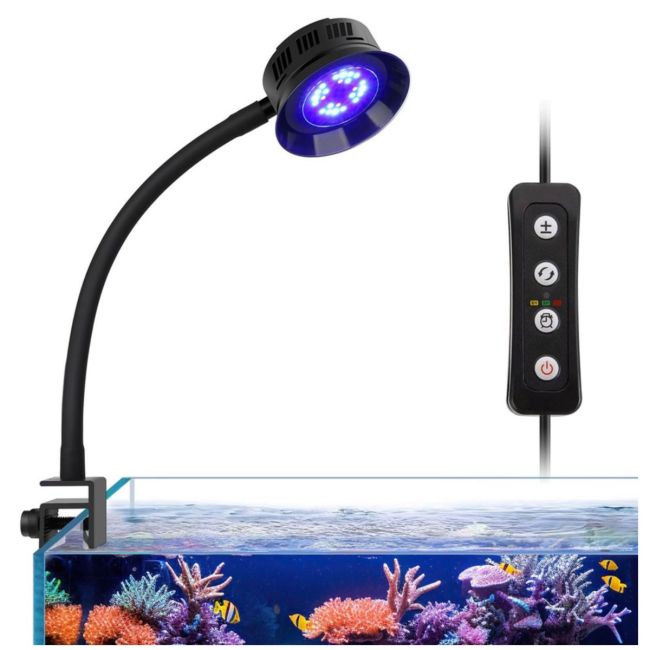
LED lighting is essential for coral tanks. It helps corals grow and show their colors. Proper setup ensures the light benefits the tank without causing harm.
In this guide, learn how to mount and position your LEDs, adjust light cycles, and use dimming and effects for the best coral health.
Mounting And Positioning
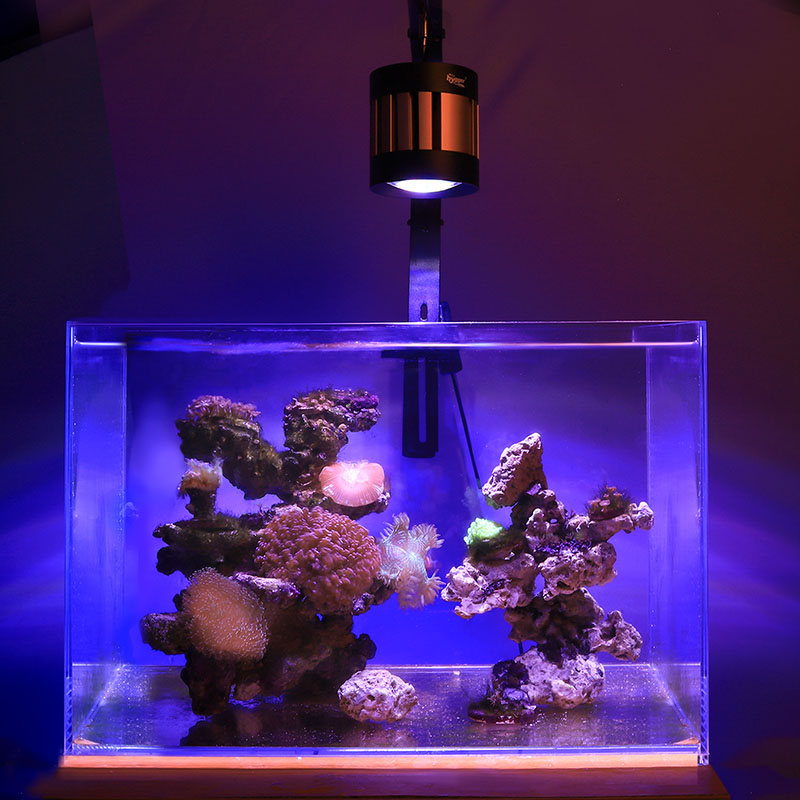
Place LED lights above the tank to cover all corals evenly. Avoid placing lights too close to prevent overheating and bleaching.
- Use adjustable mounts or brackets for flexibility
- Position lights so all coral areas receive light
- Keep lights at recommended distance from water surface
- Avoid shadows by arranging multiple LED units if needed
Adjusting Light Cycles
Light cycles mimic natural day and night. Set timers to control when lights turn on and off. This helps corals rest and photosynthesize properly.
| Time | Light Intensity | Purpose |
| 6 AM – 10 AM | Low to Medium | Simulate sunrise |
| 10 AM – 6 PM | High | Peak daylight |
| 6 PM – 8 PM | Medium to Low | Simulate sunset |
| 8 PM – 6 AM | Off | Night rest |
Dimming And Effects
Dimming controls light strength and simulates natural conditions. Effects like clouds or moonlight add realism and reduce coral stress.
- Start with low brightness and increase slowly
- Use gradual dimming to mimic sunrise and sunset
- Apply moonlight mode during night hours
- Avoid sudden changes to prevent coral shock
Maintaining Led Fixtures
Keeping LED lighting clean and working well is key for coral tanks. Proper care helps your corals grow healthy and bright.
Regular checks and simple maintenance can extend the life of your LED fixtures. It also prevents problems that affect tank lighting.
Cleaning And Care
Dust and salt buildup can reduce LED brightness. Clean your fixtures carefully to keep lights clear and bright.
Turn off and unplug lights before cleaning. Use a soft cloth and gentle cleaner safe for electronics.
- Wipe lenses with a microfiber cloth
- Remove salt deposits with a damp cloth
- Avoid harsh chemicals or abrasive tools
- Check for loose parts or corrosion
Troubleshooting Common Issues
LEDs may flicker, dim, or stop working. These issues can come from power, connections, or fixture faults.
Check cables and power sources first. Loose plugs or damaged wires often cause light problems.
- Inspect wiring for damage or corrosion
- Test power supply with a multimeter
- Reset or replace faulty control units
- Clean sensors or cooling fans if present
When To Replace Leds
LEDs lose brightness over time. Replace them when light output drops or colors shift noticeably.
Also replace LEDs if they flicker often or fail to turn on. Old LEDs can harm coral growth.
- Replace LEDs every 1-3 years depending on use
- Watch for dull colors or uneven lighting
- Consider fixture age and manufacturer advice
- Keep spare parts for quick replacement
Credit: www.hygger-online.com
Enhancing Coral Growth
LED lighting plays a crucial role in coral growth. Proper lighting helps corals thrive in tanks.
Corals need the right light spectrum and intensity. LED lights can provide these conditions.
Complementary Water Parameters
Water parameters must be balanced for coral health. LED lighting works best with suitable water conditions.
Key parameters include pH, alkalinity, and calcium levels. These support coral growth alongside proper lighting.
- pH should be stable between 8.1 and 8.4
- Maintain alkalinity at 8-12 dKH
- Calcium levels should range from 400-450 ppm
Nutrient Management
Nutrients in the tank affect coral growth. LED lighting complements nutrient management.
Corals need adequate nutrients but not too much. Balance is key for healthy corals.
- Nitrate levels should be under 5 ppm
- Phosphate levels should be below 0.05 ppm
- Regular water changes help control excess nutrients
Using Lighting With Other Equipment
LED lighting works well with other tank equipment. Combining equipment improves coral growth conditions.
Equipment like protein skimmers and wave makers enhance tank conditions. They support the benefits of LED lighting.
- Protein skimmers remove waste and improve water quality
- Wave makers create water movement, aiding coral health
- Timers automate light schedules, ensuring consistent lighting
Frequently Asked Questions
What Is The Best Led Lighting For Coral Tanks?
The best LED lighting for coral tanks provides full-spectrum light with adjustable intensity. It supports coral growth and enhances colors. Look for LEDs designed specifically for reef aquariums to ensure optimal photosynthesis and vibrant coral health.
How Does Led Lighting Affect Coral Growth?
LED lighting affects coral growth by providing essential light wavelengths. Proper LED spectrum promotes photosynthesis in coral symbiotic algae. This supports coral health, coloration, and growth rate. Inadequate lighting can stunt coral development and reduce vibrancy.
Can Led Lights Replace Traditional Aquarium Lights?
Yes, LED lights can replace traditional aquarium lights. LEDs offer better energy efficiency, longer lifespan, and customizable spectrum. They produce less heat, reducing tank temperature fluctuations. Many reef keepers prefer LEDs for their versatility and cost-effectiveness.
How Long Should Led Lights Be On For Coral Tanks?
LED lights for coral tanks should be on for 8 to 12 hours daily. This mimics natural daylight cycles, supporting coral photosynthesis. Gradual ramp-up and ramp-down can reduce stress on corals and simulate sunrise and sunset.
Conclusion
Choosing the right LED lighting helps coral tanks thrive well. It supports coral growth and shows their true colors. LEDs use less energy and last a long time. You can adjust brightness and color to fit your tank’s needs. Healthy corals make your tank look beautiful and lively.
Good lighting also keeps your fish happy. Keep learning about LED options to improve your tank. Small changes in lighting can make big differences. Enjoy watching your coral tank glow with the right light.