
If you’re serious about growing healthy, vibrant corals in your nursery tanks, the right lighting can make all the difference. LED lighting for coral nursery tanks isn’t just about bright lights—it’s about creating the perfect environment where your corals can thrive and flourish.
You want colors to pop, growth to accelerate, and energy costs to stay low. You’ll discover how LED lighting can transform your coral nursery, helping you achieve stunning results while making maintenance easier. Keep reading to find out how to choose the best LED setup for your corals and why it matters more than you might think.
Benefits Of Led Lighting
LED lighting is a popular choice for coral nursery tanks. It helps corals grow strong and healthy. LED lights use less power and last a long time.
Using LED lights allows you to control the light better. This helps create the best environment for coral growth.
Energy Efficiency
LED lights use much less electricity than other lights. This saves energy and lowers your power bill. They turn light into energy with less waste.
Because they use less power, LED lights produce less heat. This helps keep the tank water temperature stable, which is good for corals.
Customizable Light Spectrum
LED lighting lets you change colors and brightness. This helps match the natural light corals need to grow. You can adjust the spectrum to support different coral types.
Custom light settings can improve coral color and health. You can set the light to simulate sunrise, daylight, and sunset times.
- Adjust blue and white light levels
- Simulate natural sunlight patterns
- Support photosynthesis in corals
Long Lifespan
LED lights last much longer than traditional bulbs. They can work for tens of thousands of hours. This means fewer replacements and less maintenance.
A long lifespan saves money over time. It also means your coral tank stays well-lit without frequent interruptions.

Credit: www.ebay.com
Light Spectrum And Coral Growth
Corals need the right light to grow well in nursery tanks. Different colors in light affect coral health. Understanding light spectrum helps improve coral growth.
LED lighting is popular because it can provide many colors. Each color has a special role in coral development. Let’s look at how light colors affect corals.
Role Of Blue And Actinic Light
Blue and actinic lights are very important for coral growth. They help corals produce energy through photosynthesis. These lights also show coral colors well.
- Blue light penetrates deep water to reach corals.
- Actinic light enhances coral fluorescence and color.
- These lights support the growth of symbiotic algae in corals.
- They help corals stay healthy and build strong skeletons.
Impact Of Red And White Light
Red and white lights affect corals differently than blue light. They support coral growth but can be harmful if too strong. Red light helps plants and algae grow.
| Light Color | Effect on Coral | Notes |
| Red | Supports algae growth | Use in low intensity |
| White | General illumination | Balances overall spectrum |
| Blue | Promotes photosynthesis | Essential for coral health |
| Actinic | Enhances coral colors | Improves coral appearance |
Balancing Spectrum For Health
Good coral health needs a mix of light colors. Too much of one color can harm corals. Balance helps coral grow strong and look vibrant.
Here are tips to balance light spectrum in tanks:
- Use mostly blue and actinic lights for growth.
- Add red light in small amounts to support algae.
- Include white light for natural look and balance.
- Adjust light intensity based on coral species.
Setting Up Led Lights For Nurseries
LED lighting helps coral nursery tanks grow healthy corals. Proper setup of these lights is key to success.
Good lighting supports photosynthesis and coral color. It also controls growth rates in the tank.
Choosing The Right Fixtures
Select LED fixtures made for marine aquariums. These give the right light spectrum corals need.
Look for fixtures that offer adjustable settings. This helps you tailor light for different coral types.
- Use full spectrum LEDs with blue and white lights
- Choose fixtures with good heat management
- Pick sizes that fit your tank dimensions
- Check for energy efficiency and durability
Positioning And Coverage
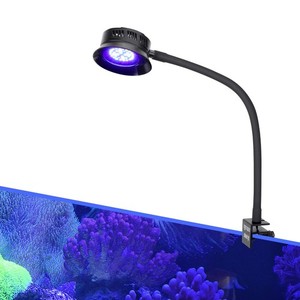
Place LED lights above the tank for even coverage. Avoid shadows on coral fragments.
Keep lights at a height that mimics natural sunlight. This helps corals get enough light.
- Position fixtures to cover entire nursery area
- Use multiple lights for large tanks
- Adjust angle to reduce glare and hotspots
- Ensure water surface is well lit
Adjusting Intensity And Duration
Set light intensity based on coral species. Some need strong light, others prefer low levels.
Control how long lights stay on daily. Typically, 8 to 12 hours is best for coral growth.
- Start with lower intensity and increase gradually
- Use timers to keep a consistent light schedule
- Lower intensity during coral acclimation period
- Adjust based on coral response and health
Credit: www.ebay.com
Measuring Growth And Color Vibrancy
LED lighting plays an important role in coral nurseries. It helps measure coral growth and color vibrancy. Good lighting supports coral health and shows clear changes over time.
Using the right light can improve coral color and help track their progress. This guide explains how to use LED lighting for these purposes.
Monitoring Coral Health
Healthy corals grow steadily and keep strong colors. LED lights let you see these signs clearly. You can check for growth by looking at size and shape changes.
Watch for bleaching or color loss. These signs show stress or poor health. Regularly observe corals under LED lights to spot problems early.
- Look for steady size increase
- Notice bright and consistent colors
- Watch for bleaching or dull spots
- Check coral tissue for damage
Using Light To Enhance Pigmentation
LED lighting helps corals produce strong colors. Specific light wavelengths can boost coral pigments. This makes colors look brighter and more vivid.
Blue and actinic lights are best for enhancing coral pigmentation. These lights mimic natural ocean conditions. Use them to improve coral appearance and health.
- Blue LED lights increase pigment production
- Actinic light supports coral fluorescence
- Adjust light intensity for best results
- Use timers to simulate natural cycles
Tracking Progress Over Time
Keep records of coral growth and color changes. Take photos under the same LED lighting setup. This helps compare progress week by week.
Use measurements like coral length and color charts. This data shows how well corals respond to light. Tracking helps adjust lighting for better growth.
- Take regular photos under LED light
- Measure coral size with a ruler
- Use color charts to rate vibrancy
- Note changes in a log or app
Common Challenges And Solutions
LED lighting is popular for coral nursery tanks. It helps corals grow well. But there are some common problems to watch for. Knowing these problems can keep your corals healthy.
This guide covers three main issues: algae overgrowth, light stress, and maintenance. You will learn simple ways to solve each problem.
Preventing Algae Overgrowth
Too much light can cause algae to grow fast. Algae blocks light from reaching the corals. This can hurt coral growth and water quality.
Use LED lights that provide the right brightness and color. Avoid leaving the lights on for too long each day.
- Set lighting time between 8 to 10 hours daily
- Choose LED lights with blue and white spectrum
- Keep nutrient levels low to reduce algae food
- Clean the tank glass and decorations regularly
Avoiding Light Stress
Corals need light but too much can cause stress. Light stress leads to coral bleaching and poor health. It is important to find the right light intensity.
Start with low light and increase it slowly. Watch how corals react to changes. Adjust the LED settings to keep corals comfortable.
- Use dimmable LED lights
- Increase light intensity gradually over weeks
- Observe corals for color changes or closing up
- Keep a consistent light cycle every day
Maintenance Tips
Regular maintenance keeps LED lights working well. Dust and salt buildup can reduce light output. Clean the lights and check the equipment often.
Replace old LED bulbs if they dim. Use a timer to keep light cycles steady. Good maintenance helps corals grow strong and healthy.
- Clean LED covers weekly with a soft cloth
- Check electrical connections monthly
- Use a timer for consistent lighting schedules
- Replace LEDs after 2-3 years for best performance
Credit: www.ebay.com
Future Trends In Led Coral Lighting
LED lighting is important for coral nursery tanks. It helps corals grow strong and healthy. New trends in LED lighting are making it even better for coral care.
These trends focus on smart systems, better spectrum control, and sustainability. Let’s explore how they improve coral lighting.
Smart Lighting Systems
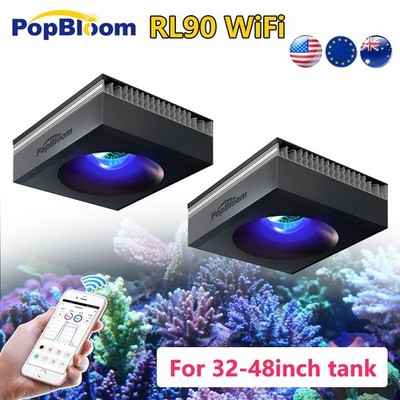
Smart lighting systems use technology to control light settings. They can change brightness and colors based on the coral’s needs.
Some systems connect to your smartphone or computer. This allows you to adjust settings easily and quickly.
- Automatic light adjustments for different coral species
- Remote control via mobile apps
- Energy-saving modes to reduce power use
Advances In Spectrum Control
Spectrum control is important for coral growth. New LED lights let you adjust the light spectrum. This helps corals get the right light for photosynthesis.
More precise spectrum control means healthier corals and better colors. It mimics natural sunlight conditions found in coral reefs.
- Customizable light spectrums
- Improved growth rates for corals
- Enhanced coral coloration
Sustainability Improvements
Sustainability is key for future coral lighting. New LED lights use less energy and last longer. This helps save the environment and reduce costs.
Eco-friendly materials are also being used in LED lights. This reduces waste and supports coral conservation efforts.
- Longer lifespan of LED bulbs
- Use of recyclable materials
- Lower energy consumption
Frequently Asked Questions
What Are The Benefits Of Led Lighting For Coral Nurseries?
LED lighting offers energy efficiency, customizable light spectrum, and low heat output. These features promote coral growth and reduce operational costs in coral nurseries.
How Does Led Lighting Affect Coral Growth In Tanks?
LED lights provide specific wavelengths that enhance photosynthesis. This boosts coral health, coloration, and faster growth compared to traditional lighting.
Can Led Lights Simulate Natural Sunlight For Corals?
Yes, advanced LED systems can mimic natural sunlight. They replicate intensity and spectrum, creating optimal conditions for coral development.
What Is The Ideal Led Light Spectrum For Coral Tanks?
A combination of blue and white light (around 400-500 nm) is ideal. It supports photosynthesis and brings out vibrant coral colors.
Conclusion
LED lighting helps coral nurseries grow strong and healthy corals. It uses less energy and lasts a long time. Corals get the light they need to thrive and show bright colors. Choosing the right LED light makes a big difference.
It supports coral growth without causing stress. Clear water and stable conditions work well with LED lights. This lighting choice suits hobbyists and professionals alike. Keep the lights on a timer for best results. Simple steps lead to beautiful, healthy coral tanks.
LED lighting is a smart, easy option for coral nurseries.