
If you want your coral tank to thrive, choosing the right lighting is one of the most important decisions you’ll make. LED lighting for breeding coral tanks isn’t just about bright lights—it’s about creating the perfect environment where your corals can grow strong and vibrant.
Imagine seeing your corals display their brightest colors and healthiest growth, all thanks to the right light. You’ll discover how LED lighting can transform your coral breeding setup and what to look for to get the best results. Keep reading to unlock the secrets that can boost your coral’s health and beauty like never before.
Credit: www.hygger-online.com
Benefits Of Led Lighting
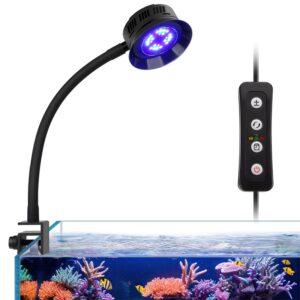
LED lighting is a popular choice for breeding coral tanks. It provides the right light needed for coral growth. Many reef keepers use LED lights for their efficiency and control.
This type of lighting supports coral health by mimicking natural sunlight. It also saves energy and lasts a long time. Let’s explore the main benefits of LED lighting for coral tanks.
Energy Efficiency And Cost Savings
LED lights use less electricity than traditional bulbs. This lowers your power bill while running the coral tank light. They also create less heat, reducing the need for extra cooling.
- Consumes up to 80% less energy than incandescent lights
- Reduces electricity costs over time
- Produces less heat, saving on cooling expenses
- Instant on and off without warm-up time
Longevity And Durability
LED lights last much longer than other lighting options. They can work for over 50,000 hours. This means fewer replacements and less maintenance for your tank.
| Lighting Type | Average Lifespan | Replacement Frequency |
| LED | 50,000+ hours | Rarely needed |
| Fluorescent | 10,000-15,000 hours | Every 1-2 years |
| Metal Halide | 8,000-12,000 hours | Every 1 year |
Customizable Light Spectrum
LED lights allow you to adjust the color and intensity of light. You can match the spectrum to what corals need most. This helps corals grow healthy and show vibrant colors.
- Adjust blue, white, and other color channels
- Simulate natural sunlight cycles
- Enhance coral fluorescence and growth
- Control intensity for different coral species
Light Spectrum For Coral Growth
Coral tanks need the right light spectrum to help corals grow. Light affects their color, health, and energy.
LED lighting offers different colors and intensities. Choosing the right light spectrum helps create a healthy coral tank.
Role Of Blue And Actinic Lights
Blue and actinic lights help corals with photosynthesis. They penetrate water well and reach coral tissues.
This light helps corals produce food and grow strong. It also enhances coral colors, making them look bright and natural.
- Blue light wavelength: 420-460 nm
- Actinic light wavelength: 420-480 nm
- Supports zooxanthellae algae inside corals
- Improves coral fluorescence and color
Importance Of Full Spectrum Lighting
Full spectrum lighting covers all colors corals need. It mimics natural sunlight and supports all coral types.
Using full spectrum light helps corals grow evenly. It also supports coral health and reproduction over time.
- Includes blue, white, red, and green wavelengths
- Balances energy for photosynthesis
- Supports coral growth and color
- Prevents light stress and bleaching
Adjusting Intensity For Different Coral Types
Different corals need different light intensities. Soft corals prefer low to medium light, while hard corals need stronger light.
Adjust LED brightness to match your coral types. Gradually increase light to avoid stress or damage.
- Soft corals: 50-150 PAR (Photosynthetically Active Radiation)
- LPS (Large Polyp Stony) corals: 100-250 PAR
- SPS (Small Polyp Stony) corals: 250-450+ PAR
- Use dimmers or timers to control intensity
Setting Up Led Lights In Breeding Tanks
LED lights play a key role in breeding coral tanks. They help corals grow and stay healthy. Proper setup improves coral breeding success.
Setting up LED lights right means thinking about placement, timing, and heat. These factors create the best environment for corals.
Optimal Placement And Coverage
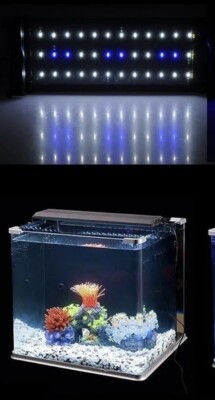
Place LED lights so all corals get enough light. Light should reach every part of the tank evenly. Avoid dark spots.
Keep lights at the right height. Too close can harm corals. Too far reduces light intensity. Adjust based on your LED specs.
- Center LEDs over the tank for even coverage
- Use multiple lights for large tanks
- Adjust height between 6 to 12 inches above water
- Check light spread with a PAR meter if possible
Timer Settings And Photoperiods
Set timers to control how long lights stay on. Corals need consistent light and dark cycles. This helps their growth.
Most corals thrive with 8 to 12 hours of light daily. Match the timer to simulate natural day and night periods. Avoid sudden changes.
- Use a timer for automatic light control
- Keep light periods between 8 and 12 hours
- Have gradual sunrise and sunset if possible
- Maintain the same schedule every day
Heat Management And Ventilation
LED lights produce some heat that can raise tank temperature. Keep the tank cool to avoid stress on corals and fish.
Use fans or vents to improve airflow around the lights. Check temperature daily and adjust cooling as needed.
- Install fans near LED fixtures to move heat away
- Ensure good room ventilation
- Monitor tank temperature regularly
- Use cooling devices if temperature rises too high
Credit: www.ebay.ca
Monitoring Coral Health And Growth
LED lighting plays a key role in coral health and growth in breeding tanks. Proper monitoring helps keep corals strong and vibrant.
Observing coral response to light allows you to adjust settings for the best results. This guide helps you understand coral health under LEDs.
Signs Of Healthy Coral Under Led Lights
Healthy corals under LED lights show bright colors and open polyps. They grow steadily and have a firm texture.
Clear water and stable water parameters also support coral health. Watch for regular polyp extension during the day.
- Bright and vibrant colors
- Open and extended polyps
- Steady skeletal growth
- Firm and intact tissue
- Clear tank water
Common Lighting-related Stress Indicators
Corals can show stress from too much or too little light. Watch for bleaching or fading colors as a warning sign.
Other signs include closed polyps and tissue recession. Stress makes corals weak and prone to disease.
- Faded or bleached colors
- Closed or retracted polyps
- Tissue peeling or recession
- Algae overgrowth on coral surface
- Slow or halted growth
Adjusting Lighting Based On Coral Response
Adjust LED intensity and spectrum if corals show stress. Lower light can help if bleaching occurs.
Increase light gradually to encourage growth once corals recover. Change settings slowly to avoid shock.
- Reduce LED brightness if coral bleaches
- Shift light spectrum toward blue for growth
- Increase light slowly over weeks
- Observe coral daily after adjustments
- Keep water parameters stable during changes
Popular Led Fixtures For Coral Breeding
LED lighting is crucial for coral breeding. It provides the necessary light spectrum for coral growth.
Choosing the right LED fixture can enhance the health and color of corals. Explore various options to suit your tank.
Top Brands And Models
Several brands offer high-quality LED fixtures. These are favored by coral breeders for their reliability and efficiency.
- EcoTech Marine Radion
- Kessil A360X
- AquaIllumination Hydra
- Orphek Atlantik
Features To Look For
The right features in an LED fixture can make a big difference in coral breeding success. Look for specific qualities.
| Feature | Importance |
| Adjustable Spectrum | Allows precise tuning for coral needs |
| High PAR Output | Ensures sufficient light reaches corals |
| Energy Efficiency | Reduces electricity costs |
Budget-friendly Vs. Premium Options
LED fixtures come in various price ranges. Choose based on your budget and requirements.
Budget-friendly options are great for beginners. Premium models offer advanced features for experienced breeders.

Credit: www.youtube.com
Tips To Enhance Vibrancy And Color
LED lighting is important for coral tanks. It helps corals show bright colors. Good lighting keeps coral healthy and colorful.
Use the right light and care to make corals look their best. Small changes can improve coral vibrancy a lot.
Combining Led With Other Lighting Types
LED lights work well with other light types. Mixing different lights can improve coral growth and color. Use LEDs with actinic or fluorescent lights for better results.
Different lights give corals the full light spectrum they need. This helps corals grow strong and show more color.
- Use LED for energy efficiency and color control
- Add actinic lights to boost blue spectrum
- Include fluorescent lights for balanced white light
- Adjust light intensity to avoid coral stress
Supplementing With Nutrients And Additives
Corals need nutrients and additives to keep colors bright. Feeding corals with the right supplements helps them stay vibrant. Use supplements like calcium, magnesium, and trace elements.
Adding vitamins and amino acids supports coral health. Balanced nutrients help corals build strong skeletons and show vivid colors.
- Use calcium to support coral skeleton growth
- Add magnesium to keep water chemistry stable
- Include trace elements for color enhancement
- Feed amino acids to boost coral energy
Maintaining Water Quality
Clean water is key for coral color and health. Poor water quality causes coral stress and dull colors. Test water regularly to keep conditions stable.
Keep nitrate and phosphate levels low. Use filters and do regular water changes. Good water quality helps corals absorb light better and stay bright.
- Test water weekly for nitrate and phosphate
- Change 10-20% of water every 1-2 weeks
- Use protein skimmers to remove waste
- Keep stable temperature and pH levels
Frequently Asked Questions
What Are The Benefits Of Led Lighting For Coral Tanks?
LED lighting offers energy efficiency, longer lifespan, and customizable light spectra. It promotes healthy coral growth and vibrant colors. LEDs produce less heat, reducing the risk of overheating. They also allow precise control of light intensity and photoperiod, enhancing coral breeding success.
How Does Led Lighting Affect Coral Breeding Success?
Proper LED lighting replicates natural sunlight, stimulating coral spawning and growth. It supports photosynthesis in symbiotic algae within corals. Balanced light intensity and spectrum encourage healthy development. Consistent lighting schedules help corals maintain their reproductive cycles, improving breeding outcomes.
What Led Spectrum Is Best For Breeding Coral Tanks?
A mix of blue and white light in the 400-700 nm range is ideal. Blue light enhances photosynthesis and coral fluorescence. White light provides balanced illumination for growth. Adjustable spectrums allow fine-tuning to meet specific coral species needs during breeding.
How Often Should Led Lights Be On In Coral Tanks?
LED lights should typically be on for 8 to 12 hours daily. This duration mimics natural daylight cycles and supports coral health. Gradual ramp-up and ramp-down periods reduce stress on corals. Consistency in photoperiod helps maintain coral breeding rhythms.
Conclusion
Choosing the right LED lighting helps coral tanks grow healthy and bright. Good lighting supports coral breeding and keeps water conditions stable. Simple, well-planned setups save energy and reduce heat. Watching corals thrive is very rewarding. Careful light control makes a big difference for coral health.
Start with basic LED options and adjust as needed. Healthy coral means a beautiful, vibrant tank. Keep learning and enjoy your coral tank journey.