
Setting up a large community fish tank can transform your space into a vibrant underwater world full of life and color. But getting it right takes more than just filling a tank with water and fish.
You want a balanced environment where different species thrive together without stress or conflict. If you’re ready to create a stunning aquarium that captivates everyone who sees it, this guide is for you. Keep reading to discover simple steps and expert tips that will help you build a healthy, beautiful community fish tank that you’ll enjoy for years to come.
Choosing The Right Tank Size
Picking the right size for your community fish tank is very important. It affects fish health and tank maintenance.
A larger tank offers more space for fish to swim and grow. It also keeps water conditions stable.
Tank Dimensions And Volume
Tank size is measured by volume and dimensions. Volume is usually in gallons or liters.
Choose a tank with enough space for all your fish to swim freely. Avoid overcrowding to keep fish healthy.
- Long tanks offer more surface area for oxygen exchange
- Taller tanks may need extra lighting for plants and fish
- Wide tanks give fish more horizontal swimming space
Space And Location Considerations
Find a place that can hold the tank’s weight when full. Water is heavy, so support is key.
Pick a spot away from direct sunlight. Too much light can cause algae growth and stress fish.
- Measure the area to ensure the tank fits comfortably
- Keep the tank near power outlets for filters and lights
- Avoid places with temperature changes or drafts
Material Options For Durability
Fish tanks are made of glass or acrylic. Both materials have pros and cons.
Glass is scratch-resistant and clear. Acrylic is lighter and more impact-resistant.
- Glass tanks are heavy but cost less
- Acrylic tanks are easier to move and shape
- Acrylic can yellow over time if not cared for

Credit: www.reddit.com
Selecting Compatible Fish Species
Setting up a large community fish tank requires careful fish selection. Choosing species that get along well helps keep the tank peaceful.
Compatibility means fish share space without fighting. It helps create a healthy and happy aquarium environment.
Community-friendly Fish Choices
Community-friendly fish are peaceful and easy to care for. They can live together without stress or harm.
Popular choices include tetras, gouramis, and rasboras. These fish usually avoid conflict and enjoy company.
- Neon Tetra
- Harlequin Rasbora
- Honey Gourami
- Corydoras Catfish
- Platies
Balancing Aggression And Temperament
Some fish show aggressive behavior, while others are calm. Mixing these types needs careful planning.
Choosing fish with similar temperaments reduces fights. Avoid placing very aggressive fish with peaceful ones.
- Keep territorial fish separate
- Choose fish that share activity levels
- Watch for signs of stress or bullying
- Provide plenty of hiding places
Schooling And Social Behavior
Many fish prefer to swim in groups. Schooling fish feel safer and show natural behavior in groups.
Keep schooling fish in groups of five or more. This helps reduce stress and aggression in the tank.
- Neon tetras swim in tight schools
- Rasboras enjoy large groups
- Corydoras catfish are social bottom dwellers
- Schooling reduces aggression
Setting Up Filtration Systems
Setting up a filtration system is key for a large community fish tank. It keeps the water clean and fish healthy. Proper filtration removes waste and harmful chemicals.
Choosing the right system depends on tank size and fish types. Good filtration supports a balanced, clear environment for all tank inhabitants.
Types Of Filters For Large Tanks
Large tanks need strong filters that handle high water volume. Mechanical, biological, and chemical filters work together to clean water well.
- Mechanical Filters:Catch debris and particles from water.
- Biological Filters:Use beneficial bacteria to break down toxins.
- Chemical Filters:Remove chemicals and odors using activated carbon or resin.
Maintaining Water Quality
Regular checks keep water safe for fish. Testing pH, ammonia, and nitrate levels helps catch problems early.
| Test | Ideal Range | Frequency |
|---|---|---|
| pH Level | 6.5 – 7.5 | Weekly |
| Ammonia | 0 ppm | Twice a week |
| Nitrate | < 40 ppm | Weekly |
Filter Placement And Flow
Place filters to create good water flow. This moves waste to the filter and spreads oxygen evenly. Avoid placing filters where they block fish swimming paths.
Here are tips for filter placement:
- Install intake near the bottom to catch debris.
- Place output near the surface for oxygen circulation.
- Keep filters accessible for easy cleaning.
- Use multiple filters for very large tanks to improve flow.
Credit: pethelpful.com
Lighting And Temperature Control
Setting up a large community fish tank involves careful attention to lighting and temperature. These factors are crucial for the well-being of fish and plants.
Proper lighting and temperature can help maintain a healthy environment. Let’s explore how to make the right choices for your aquarium.
Choosing The Right Aquarium Lighting
Lighting affects fish behavior and plant growth. It is essential to choose the right type of light for your aquarium.
- LED lights are energy-efficient and long-lasting.
- Fluorescent lights are good for plant growth.
- Incandescent lights are not recommended due to heat production.
Regulating Water Temperature
Fish and plants need stable water temperatures. Sudden changes can be harmful. Use a reliable heater and thermometer to keep water temperatures consistent.
Impact On Fish And Plant Health
Both lighting and temperature directly impact fish and plant health. Proper care ensures a thriving aquarium environment.
| Factor | Effect on Fish | Effect on Plants |
| Lighting | Influences activity | Aids photosynthesis |
| Temperature | Affects metabolism | Regulates growth |
Aquascaping Techniques
A large community fish tank needs careful planning for aquascaping. Good design helps fish feel safe and look great.
This guide covers key parts: substrate, hardscape, and live plants. Each affects tank health and beauty.
Substrate Selection And Preparation
Substrate is the base layer in your tank. It supports plants and helps fish thrive. Choose a substrate that fits your tank’s needs.
- Use nutrient-rich soil for planted tanks
- Sand or fine gravel works well for bottom dwellers
- Rinse substrate to remove dust before adding
- Layer substrate with different types for better root growth
Hardscape Materials And Layout
Hardscape includes rocks, wood, and decorations. It gives structure and hiding places for fish. Plan your layout to balance open swimming areas and shelters.
| Material | Benefits | Notes |
| Driftwood | Natural look, hides fish | Pre-soak to avoid water discoloration |
| Slate Rocks | Stable, good for stacking | Sharp edges can harm fish |
| Seashells | Adds texture | Raises water hardness, use carefully |
Incorporating Live Plants
Live plants improve water quality and provide fish shelter. Choose plants that match your tank size and light levels.
- Use fast-growing plants to reduce algae
- Plant tall species in the back
- Place small plants near the front
- Anchor plants in substrate or hardscape
Water Chemistry And Maintenance
Setting up a large community fish tank needs careful water care. Good water chemistry keeps fish healthy and happy.
Regular maintenance helps avoid problems like algae or fish sickness. Knowing how to test and adjust water is key.
Testing And Adjusting Ph Levels
Test the pH of the tank water often to keep it stable. Fish need the right pH to live well.
Use a pH test kit to check the level. Most community fish like pH between 6.5 and 7.5.
- Lower pH with peat moss or driftwood
- Raise pH with baking soda or crushed coral
- Change water slowly to avoid pH shock
Managing Ammonia, Nitrites, And Nitrates
Ammonia and nitrites are harmful to fish even in small amounts. Nitrates are less harmful but still need control.
Check these chemicals weekly using test kits. Keep ammonia and nitrites at zero. Nitrates should be below 40 ppm.
- Use biological filters to remove ammonia and nitrites
- Do partial water changes to lower nitrates
- Avoid overfeeding fish to reduce waste
Regular Cleaning And Water Changes
Clean the tank regularly to remove dirt and debris. This keeps the water clear and healthy for fish.
Change 10-20% of the water every week. Use water conditioner to remove chlorine from tap water.
- Remove leftover food and waste from the tank bottom
- Clean the filter but keep some bacteria inside
- Check water temperature and keep it steady
Feeding And Nutrition
Feeding your community fish tank properly ensures healthy and active fish. Understanding their dietary needs is key to maintaining a balanced ecosystem.
Learn about the specific nutrition your fish require and how to manage feeding schedules to avoid overfeeding.
Dietary Needs Of Community Fish
Community fish often have diverse dietary needs. It is important to provide a variety of foods to meet these needs. Some fish prefer plant-based diets, while others need protein-rich foods.
| Fish Type | Preferred Diet |
| Tetras | Omnivorous – Flakes, Live food |
| Catfish | Bottom feeders – Algae, Sinking pellets |
| Gouramis | Herbivorous – Vegetables, Algae wafers |
Feeding Schedules And Techniques
Setting a regular feeding schedule is crucial for your fish’s health. Consistent feeding times help fish adapt and reduce stress. Use a variety of feeding techniques to ensure all fish get their share.
- Feed small amounts twice daily.
- Observe fish during feeding to check for leftovers.
- Use sinking food for bottom dwellers.
Avoiding Overfeeding
Overfeeding is a common mistake that can lead to water pollution and health problems for fish. Always be cautious with the quantity of food provided.
Monitoring Fish Health
Keeping fish healthy in a large community tank is very important. Regular checks help spot problems early.
Good health means fish live longer and look better. Watch fish daily for any signs of illness.
Identifying Common Diseases
Fish can get many diseases in a community tank. Knowing the signs helps catch illness fast.
Look for spots, strange swimming, or loss of appetite. These signs often show disease early.
- White spots or patches on the body
- Red or inflamed areas
- Clamped fins or frayed edges
- Gasping at the surface or hiding
- Slow movement or loss of balance
Quarantine Procedures
Quarantine new fish before adding them to the main tank. This stops disease spread.
Use a separate tank for quarantine. Keep fish there for two weeks to watch their health.
- Set up a small tank with clean water
- Check fish daily for signs of sickness
- Feed and care for them normally
- Treat any illness before moving fish
- Keep quarantine tank temperature stable
Preventive Care Tips
Prevent diseases with good tank care and healthy fish habits. Clean tanks help fish thrive.
Feed fish balanced food and avoid overfeeding. Regular water tests keep conditions safe.
- Change 10-20% of water weekly
- Keep filter clean and working
- Use a water test kit for ammonia and pH
- Feed small amounts two to three times daily
- Remove sick fish quickly to a quarantine tank
Enhancing Aquarium Aesthetics
Setting up a large community fish tank offers a great chance to create a beautiful underwater world. Enhancing aquarium aesthetics makes the tank a relaxing and eye-catching feature.
Choosing the right decorations, natural elements, and visual effects helps build a vibrant and peaceful environment for your fish.
Decorative Elements And Accessories
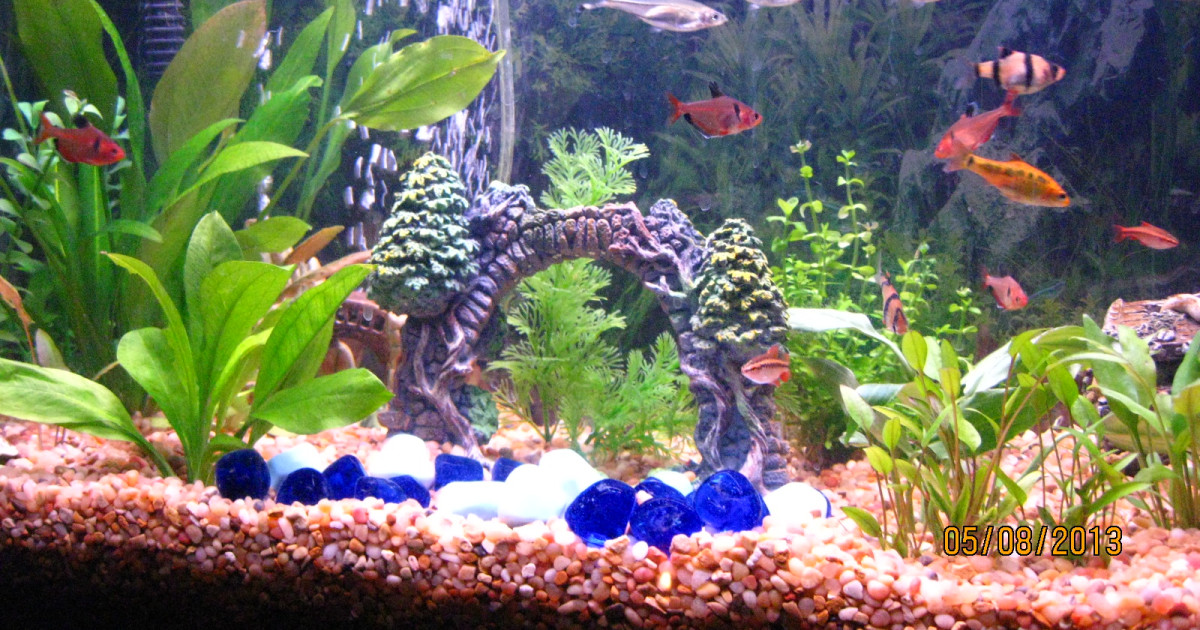
Decorations add color and interest to your tank. They also provide hiding spots and play areas for fish. Common accessories include stones, plants, and ornaments.
- Colored gravel or sand
- Artificial or live plants
- Driftwood and rocks
- Decorative caves and tunnels
- Safe ceramic or resin ornaments
Creating Natural-looking Environments
A natural look makes fish feel safe and comfortable. Use elements that mimic their wild habitat. Arrange plants and decorations to create depth and layers.
| Element | Purpose | Example |
| Substrate | Base layer | Sand or fine gravel |
| Plants | Cover and oxygen | Java fern, Anubias |
| Hardscape | Structure and hiding | Driftwood, rocks |
| Open swimming space | Fish activity | Clear center area |
Using Backgrounds And Visual Effects
Backgrounds add depth and style to the aquarium. Visual effects like lighting enhance colors and create moods. Choose backgrounds that match your theme.
Popular Background Types
- 3D textured backgrounds for depth
- Printed scenic backgrounds of rivers or reefs
- Solid color backgrounds for contrast
- LED lighting to highlight fish and plants

Credit: www.reddit.com
Troubleshooting Common Issues
Setting up a large community fish tank can be fun but challenging. Problems often arise that need quick fixes.
Knowing how to solve these issues helps keep your fish healthy and the tank clean.
Algae Control Strategies
Algae can grow fast and make the tank look dirty. It also uses oxygen that fish need.
Control algae by reducing light and keeping the water clean. Avoid overfeeding fish to stop extra nutrients.
- Limit sunlight and artificial light to 8-10 hours daily
- Clean tank walls and decorations regularly
- Use algae-eating fish or snails safely
- Do weekly partial water changes
- Keep the filter working well
Dealing With Fish Aggression
Fish may fight in a large community tank. This can hurt them and stress the group.
Reduce aggression by choosing peaceful fish and giving them enough space and hiding spots.
- Select fish species that get along well
- Provide plants, rocks, and caves for hiding
- Keep enough space to avoid crowding
- Feed fish regularly to reduce competition
- Remove very aggressive fish if needed
Managing Equipment Failures
Equipment like filters and heaters may stop working. This can harm fish quickly.
Check equipment often and fix or replace broken parts fast to keep the tank safe.
- Test heaters and filters weekly
- Have backup equipment ready
- Clean and maintain devices regularly
- Watch for unusual noises or leaks
- Use a thermometer to monitor water temperature
Frequently Asked Questions
What Size Tank Is Ideal For A Large Community Setup?
A tank of at least 55 gallons is ideal for a large community fish tank. It offers ample space for diverse fish species and reduces territorial conflicts, promoting a healthy environment.
How To Choose Compatible Fish For Large Community Tanks?
Select fish species with similar water needs and temperaments. Avoid aggressive or highly territorial fish to maintain harmony and prevent stress among tank mates.
What Filtration System Suits A Large Community Fish Tank?
A high-capacity canister or power filter works best. It efficiently handles bioload, keeping water clean and oxygenated, essential for a thriving community tank.
How Often Should Water Changes Be Done In Large Tanks?
Perform a 20-30% water change weekly. Regular changes maintain water quality, remove toxins, and support fish health in a densely populated tank.
Conclusion
Setting up a large community fish tank takes planning and care. Choose fish that live well together and thrive in the same water. Keep the tank clean to help fish stay healthy. Regular checks on water quality are important. Add plants and decorations for a natural feel.
Watch fish behavior to spot any problems early. Enjoy the beauty and calm that a big tank brings. With patience, your community fish tank will grow strong and lively. A peaceful underwater world awaits your attention and love.