
Setting up a large aquarium can be an exciting challenge, but it also comes with its share of questions and decisions. You want your tank to look stunning and create a healthy home for your fish, but where do you start?
This guide will give you simple, practical tips to make your large aquarium setup smooth and successful. Whether you’re a beginner or looking to upgrade, you’ll find advice that saves you time, avoids costly mistakes, and helps your underwater world thrive.
Ready to turn your aquarium into a breathtaking centerpiece? Let’s dive in!

Credit: www.reddit.com
Choosing The Right Aquarium
Setting up a large aquarium needs careful planning. The right aquarium keeps fish healthy and happy.
This guide helps you pick the best tank for your space and fish types. Consider size, shape, and materials.
Tank Size And Shape
Choose a tank size based on the number and size of fish. Bigger tanks hold more fish and are easier to keep stable.
The shape affects water flow and decoration space. Rectangular tanks are common and offer more swimming room.
- Large tanks provide better water quality
- Rectangular tanks suit most rooms
- Taller tanks need different fish than wider tanks
Material Options
Glass and acrylic are common aquarium materials. Glass is heavier but scratch-resistant. Acrylic is lighter and clearer.
Choose a material based on your budget and where you want to place the tank. Acrylic tanks can be shaped easily.
- Glass tanks are sturdy and affordable
- Acrylic tanks are lighter and clearer
- Acrylic is better for large or custom shapes
Placement Considerations
Pick a strong, level surface that can hold the tank’s weight. Avoid direct sunlight to control algae growth.
Keep the tank away from heating or cooling vents. Place it where you can see and enjoy it easily.
- Use a sturdy stand that supports the tank weight
- Place away from windows and vents
- Choose a spot with easy access for maintenance
Essential Equipment
Setting up a large aquarium requires the right equipment to keep fish healthy. Good equipment helps maintain water quality and a stable environment.
This guide covers key tools you need for a large tank, focusing on filtration, lighting, and heating.
Filtration Systems
Filtration keeps aquarium water clean by removing waste and toxins. Large tanks need powerful filters that can handle more water volume.
- Mechanical filters trap debris and particles.
- Biological filters help break down harmful chemicals.
- Chemical filters remove impurities using activated carbon or resins.
- Choose filters rated for your tank size or larger.
Lighting Choices
Proper lighting supports fish health and plant growth. Different bulbs provide various light spectrums and intensities.
| Lighting Type | Best For | Notes |
|---|---|---|
| LED | Energy efficient, customizable | Long-lasting and low heat output |
| Fluorescent | General tank lighting | Affordable, but less efficient than LED |
| Metal Halide | High light for deep tanks | Produces more heat and uses more power |
Heating And Temperature Control
Maintaining stable temperature is vital for fish health. Use a reliable heater with a thermostat for control.
- Choose a heater rated for your tank volume.
- Place the heater near water flow for even heat distribution.
- Use a thermometer to monitor temperature regularly.
- Set the heater to the species-specific temperature range.
Water Quality Management
Good water quality is important for large aquariums. It keeps fish healthy and plants growing well.
Managing water quality means checking and adjusting the water often. This helps avoid problems in the tank.
Testing And Monitoring
Test the water regularly to know its condition. Use test kits to check for ammonia, nitrites, and nitrates.
Keep a log of test results. Watch for changes in water parameters to act quickly if needed.
- Test ammonia levels weekly
- Check nitrites and nitrates
- Monitor temperature and clarity
Water Conditioning
Water conditioners remove harmful chemicals from tap water. They make water safe for fish and plants.
Use conditioners to remove chlorine, chloramines, and heavy metals. Add them before putting water in the tank.
- Use a dechlorinator for chlorine removal
- Choose conditioners that detoxify heavy metals
- Follow the product instructions carefully
Maintaining Ph And Hardness
Keep the pH level stable. Most fish live well between pH 6.5 and 7.5. Sudden changes can harm them.
Water hardness affects fish health too. Test for general hardness (GH) and carbonate hardness (KH) often.
- Use buffers to keep pH steady
- Add minerals if hardness is too low
- Adjust water slowly to avoid stress
Credit: pethelpful.com
Aquascaping Techniques
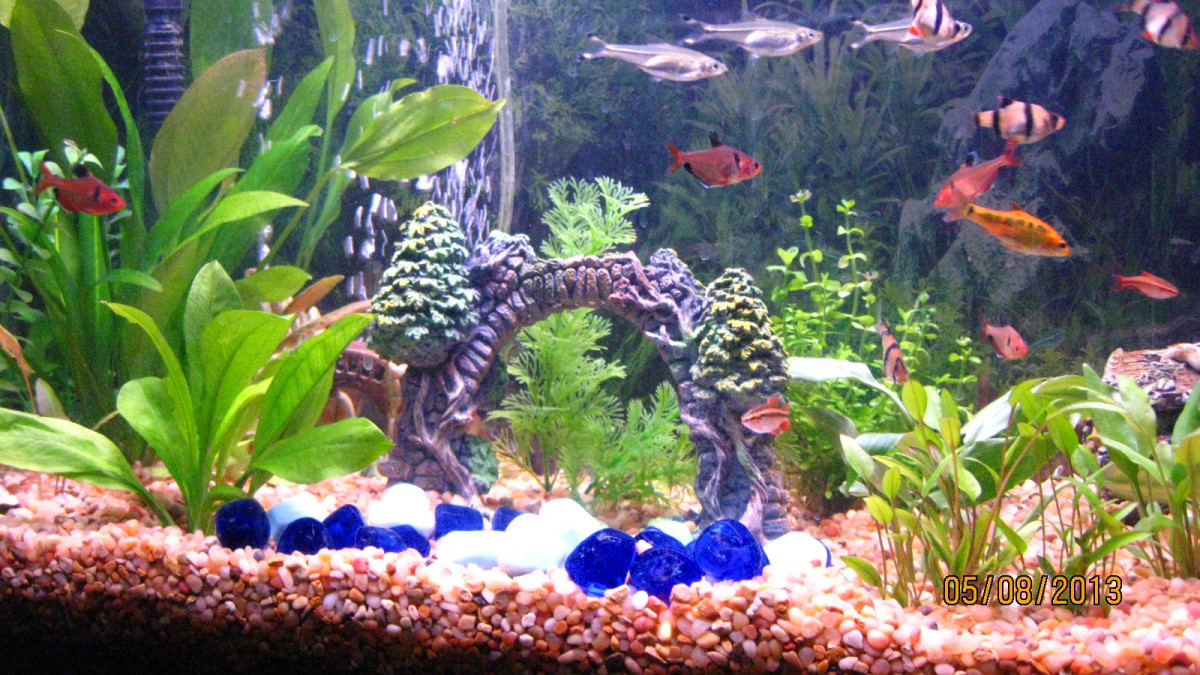
Aquascaping is the art of arranging plants and decorations inside an aquarium. It creates a beautiful and healthy environment for fish.
Good aquascaping uses the right materials and design to mimic natural underwater scenes. This helps fish feel safe and thrive.
Substrate Selection
Choose a substrate that supports plant growth and suits your aquarium style. The substrate affects water quality and plant health.
- Use nutrient-rich soil for planted tanks
- Sand works well for fish that like to dig
- Gravel provides good water flow and looks natural
- Mix different substrates to create depth and texture
Plant And Decoration Placement
Place plants and decorations to create layers and open spaces. This gives fish places to hide and swim freely.
| Plant Type | Placement | Purpose |
| Tall plants | Back or corners | Background and hiding spots |
| Medium plants | Middle area | Fill space and create texture |
| Short plants | Front or foreground | Show detail and open view |
| Rocks and wood | Scattered | Natural look and fish shelter |
Creating Natural Habitats
Recreate the fish’s natural environment to reduce stress and improve health. Use elements found in their wild habitat.
Tips to create natural habitats:
- Use driftwood and rocks to mimic riverbeds or lakes
- Choose plants native to the fish’s original region
- Keep water flow and lighting similar to natural conditions
- Add leaf litter or peat for soft water species
Selecting Fish And Inhabitants
Choosing the right fish and other creatures is key for a large aquarium. The selection affects tank health and balance.
Think about species that get along well and fit the tank size. Proper choices reduce stress and disease risks.
Compatible Species
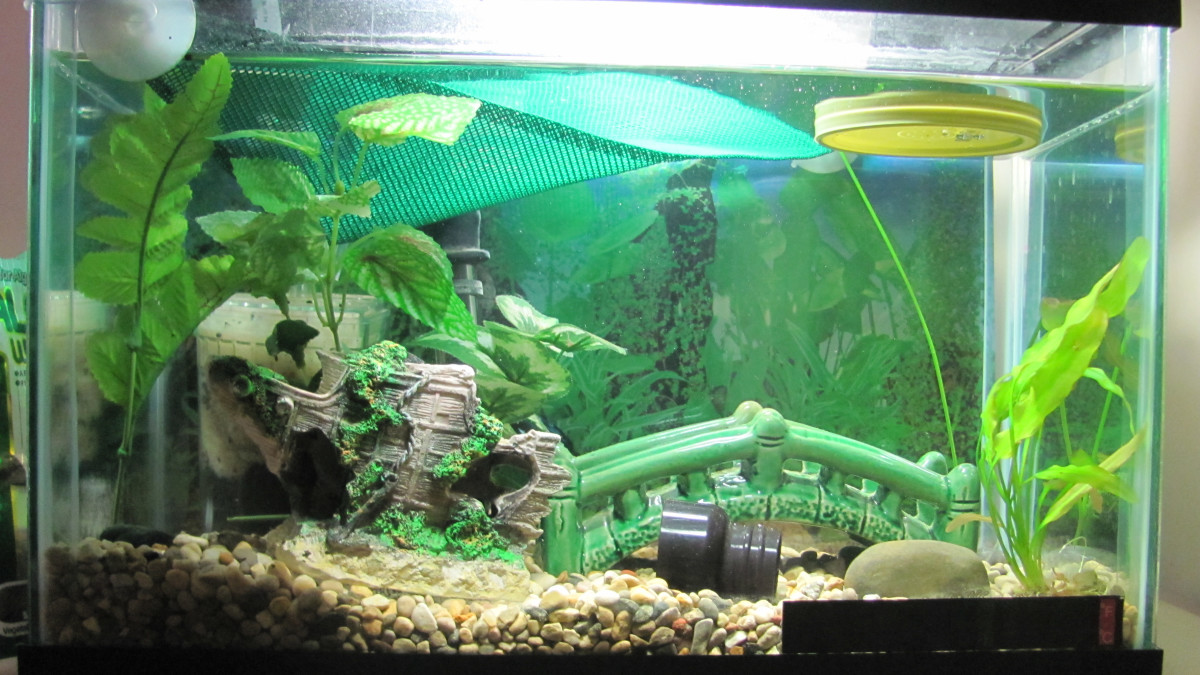
Pick species that share similar water needs and temperaments. Avoid mixing aggressive fish with peaceful ones.
- Cichlids with cichlids of similar size and aggression
- Community fish like tetras, rasboras, and danios together
- Avoid keeping large predators with small schooling fish
- Include bottom dwellers like catfish or loaches for tank cleaning
- Consider plants and invertebrates that match fish habits
Stocking Density
Do not overcrowd your tank. Too many fish cause poor water quality and stress.
| Tank Size (Gallons) | Recommended Fish Count |
| 50 | 10 – 15 small fish |
| 100 | 20 – 30 small to medium fish |
| 200 | 40 – 60 small to medium fish |
| 300+ | 60+ mixed sizes with proper care |
Behavior And Compatibility
Know your fish’s behavior. Some fish are territorial or aggressive while others are peaceful.
- Observe fish before adding them to the tank
- Separate aggressive species if possible
- Use hiding spots and plants to reduce fights
- Feed fish properly to avoid competition stress
- Monitor fish regularly for signs of bullying or injury
Credit: pethelpful.com
Maintenance Routines
Setting up a large aquarium is exciting. Keeping it clean is a big job. Regular maintenance helps your fish stay healthy. It also keeps your tank looking beautiful.
This guide covers key maintenance tasks. Follow these tips for a thriving aquarium. Your fish will thank you!
Regular Cleaning Tips
Cleaning your aquarium regularly is important. It prevents algae buildup. It also keeps water clear for your fish.
- Use an aquarium-safe sponge to clean glass.
- Remove uneaten food before it decays.
- Clean decorations and gravel monthly.
Water Changes
Water changes are vital for fish health. They remove toxins and refresh water quality.
Change 10-15% of the water weekly. Use a gravel vacuum to clean the substrate.
Equipment Upkeep
Keep your equipment in good shape. This ensures your aquarium runs smoothly.
- Check filters every month for clogs.
- Clean the filter media as needed.
- Inspect heaters and lights for proper function.
Troubleshooting Common Issues
Setting up a large aquarium can be a rewarding experience. Yet, it may present some common challenges. Addressing these issues promptly is essential to maintain a healthy aquatic environment.
Below are some tips on controlling algae, preventing diseases, and handling stress in fish. Each section will guide you through specific strategies to manage these problems effectively.
Algae Control
Algae growth is a frequent issue in aquariums. It can cloud the water and affect fish health. Here’s how to manage it:
- Limit light exposure to 8-10 hours daily
- Avoid overfeeding fish
- Introduce algae-eating species like snails or shrimp
- Regularly clean the tank and change water
Disease Prevention
Fish diseases can spread quickly and harm your aquarium community. Preventing these diseases is crucial for the health of your fish.
| Action | Frequency |
| Quarantine new fish | 2 weeks |
| Monitor water quality | Weekly |
| Inspect fish for signs of illness | Daily |
| Use a quality filtration system | Always |
Handling Stress In Fish
Fish can experience stress due to various factors. Stress can lead to illness and reduced lifespan. Here are some ways to reduce stress levels:
- Provide hiding spots with plants and decorations
- Maintain consistent water temperature
- Avoid sudden changes in water conditions
- Ensure tank mates are compatible
Frequently Asked Questions
What Size Tank Is Ideal For A Large Aquarium Setup?
A large aquarium typically starts at 50 gallons or more. Size depends on fish species and available space. Bigger tanks provide stable environments and allow diverse aquatic life. Measure your room and plan accordingly before purchase.
How Do I Choose The Right Filtration System?
Select a filter that matches your tank size and fish load. Efficient filtration maintains water clarity and removes toxins. Consider mechanical, biological, and chemical filtration types. Regular maintenance ensures optimal performance and a healthy aquarium.
What Substrate Is Best For Large Aquariums?
Choose substrate based on your fish and plant needs. Gravel and sand are popular options. Sand suits bottom dwellers, while gravel supports plant roots better. Clean substrate regularly to prevent waste buildup and maintain water quality.
How Often Should Water Changes Be Done?
Perform 20-30% water changes weekly for large tanks. Regular changes reduce toxins and keep fish healthy. Use dechlorinated water at the same temperature as the tank. Monitor water parameters to adjust frequency as needed.
Conclusion
Setting up a large aquarium takes time and patience. Choose the right tank size and location carefully. Keep water clean and balanced for healthy fish. Use good filters and test water often. Add plants and decorations for a natural feel.
Watch your fish daily to spot any problems early. Enjoy the calm and beauty your aquarium brings. Small steps lead to a great underwater world at home.