
If you want to create a lush, natural look in your planted tank, Java Moss is one of the easiest and most rewarding plants to use. Whether you’re new to aquariums or have some experience, Java Moss can transform your tank into a vibrant underwater garden.
It doesn’t just add beauty—it also helps improve water quality and provides a safe haven for fish and shrimp. Keep reading to discover how Java Moss can bring your planted tank to life and why it’s a must-have for every aquarist.
Why Choose Java Moss
Java Moss is a popular plant for planted tanks. It grows well in many tank conditions.
This moss adds natural beauty and helps create a healthy tank environment.
Benefits For Aquascapes
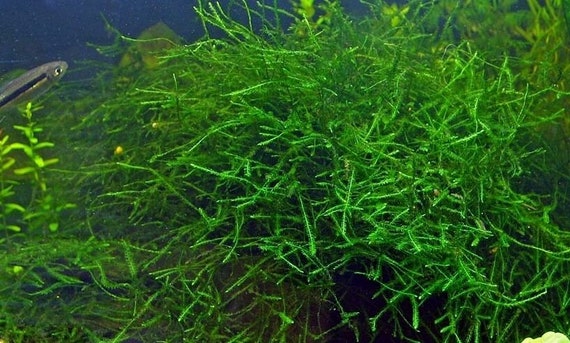
Java Moss creates a lush, green look in aquascapes. It grows in different shapes and sizes.
You can attach it to rocks, driftwood, or tank decorations. It adds texture and depth to your tank.
- Grows densely for a natural feel
- Softens hard surfaces in the tank
- Provides hiding places for small fish
Compatibility With Tank Inhabitants
Java Moss is safe for most fish and invertebrates. It does not harm or irritate tank inhabitants.
Many fish use it for shelter and breeding. Shrimp and snails enjoy grazing on it as well.
- Suitable for freshwater fish and shrimp
- Provides shelter for fry and small fish
- Helps improve water quality for all inhabitants
Low Maintenance Needs
Java Moss requires little care. It grows slowly and does not need strong lighting.
It can thrive in many water conditions and does not need special fertilizers.
- Does not need frequent trimming
- Grows well in low to medium light
- Resistant to common aquarium pests

Credit: www.reddit.com
Setting Up Java Moss
Java Moss is a popular plant for aquariums. It is easy to care for and adds beauty to your tank.
Setting up Java Moss requires attention to substrate, lighting, and water conditions. Each element helps the plant thrive.
Choosing The Right Substrate
Java Moss does not need a specific substrate. It can attach to rocks, wood, or other surfaces.
Secure it with a fishing line or netting. This helps it stay in place and grow well.
- Rocks provide a stable base
- Wood offers a natural look
- Mesh is useful for creating moss walls
Lighting Requirements
Java Moss thrives in low to moderate light. Too much light can cause algae growth.
Use LED lights for best results. They provide adequate light without overheating the tank.
Water Parameters
Java Moss adapts to different water conditions. Ideal water temperature is between 60-82°F.
Maintain a pH level of 6 to 8. Regular water changes keep the environment clean.
| Temperature | 60-82°F |
| pH Level | 6-8 |
| Water Changes | Regular |
Planting Techniques
Java Moss is a popular plant for aquariums. It is versatile and easy to grow. It can be used in various ways to decorate tanks.
Let’s explore different techniques to plant Java Moss. Each method adds unique beauty to your planted tank.
Attaching To Driftwood And Rocks
Java Moss can attach to driftwood and rocks easily. This creates a natural look in your tank.
Wrap the moss around the wood or rock. Use fishing line or thread to secure it. Over time, the moss will root itself.
- Choose driftwood or rocks with rough surfaces
- Wrap moss gently to avoid damage
- Secure with clear or green thread
Creating Moss Walls
Moss walls add depth and greenery to tanks. They are made using mesh and Java Moss.
Place a layer of moss between two mesh sheets. Secure the edges with plastic ties. Attach the mesh to the tank wall.
- Use plastic or stainless steel mesh
- Trim excess moss for a neat look
- Position the wall in a well-lit area
Using Moss In Carpet Layouts
Java Moss can create lush carpet layouts. This design adds a soft green floor to aquariums.
Spread the moss evenly over the substrate. Use small rocks or weights to hold it down. It will grow and cover the tank floor.
- Ensure good water flow for healthy growth
- Trim regularly to maintain the carpet
- Combine with other plants for variety
Care And Growth Tips
Java Moss is a popular plant for planted tanks. It is easy to care for and grows well in many conditions.
This guide will help you keep your Java Moss healthy and looking great in your aquarium.
Trimming And Shaping
Trimming Java Moss helps it stay dense and healthy. Use sharp scissors to cut unwanted parts.
Shape the moss to fit your tank design. Regular trimming prevents it from growing too thick.
- Trim every 2-4 weeks for best growth
- Remove dead or yellow parts promptly
- Shape moss around decorations or driftwood
Preventing Algae Growth
Algae can harm Java Moss by covering its leaves. Keep algae under control for a healthy tank.
Good water flow and lighting help reduce algae growth. Avoid too much light, which feeds algae.
- Keep light on 6-8 hours daily
- Maintain regular water changes
- Do not overfeed fish in the tank
- Use algae-eating fish or snails
Fertilization And Co2
Java Moss grows well without extra CO2. Adding CO2 can speed up growth but is not required.
Fertilizers help if your tank water lacks nutrients. Use liquid fertilizers made for aquarium plants.
- Use low-dose liquid fertilizers weekly
- Test water for nitrates and phosphates
- Consider CO2 injection for faster growth
- Watch for signs of nutrient deficiency
Common Challenges
Java moss is popular in planted tanks but can have some problems. Knowing these challenges helps keep it healthy. This guide covers common issues and easy solutions.
Watch your moss carefully to spot problems early. Fixing issues quickly keeps your tank looking great and your moss growing well.
Dealing With Yellowing Moss
Yellowing moss often means it lacks light or nutrients. Too much direct light can also cause damage. Check your tank’s light levels and water quality.
- Use moderate, indirect lighting for 8-10 hours daily
- Test water for low nutrients like nitrogen and iron
- Add liquid fertilizers if needed to support growth
- Remove yellow parts to encourage new, green growth
Managing Floating Moss
Java moss can float away from its place and cover the tank surface. This makes the tank look messy and blocks light for other plants below.
To control floating moss, try these methods:
- Tie moss to decorations or rocks with fishing line or thread
- Use mesh or planting grids to keep moss in place
- Trim excess moss regularly to prevent overgrowth
- Ensure good water flow to keep moss anchored
Pest And Disease Control
Pests like snails and diseases can harm Java moss. Watch for small bugs or slimy patches that look unhealthy.
| Problem | Signs | Solutions |
| Snail Infestation | Holes and slime on moss | Remove snails by hand or trap |
| Algae Growth | Green or brown algae on moss | Reduce light and clean tank regularly |
| Fungal Infection | White fuzzy patches | Improve water flow and remove affected moss |
Enhancing Aquascape Design
Java Moss is a popular plant for planted tanks. It adds natural beauty and helps create a lively underwater scene.
This moss is easy to grow and fits well in many aquascape styles. It helps make tanks look more detailed and vibrant.
Combining With Other Plants
Java Moss pairs well with many aquarium plants. It can be placed near tall plants or floating plants to create balance.
Using Java Moss with different plants adds layers and variety. This mix makes the tank look fuller and more natural.
- Attach Java Moss to driftwood near stem plants
- Use it under floating plants for a soft look
- Combine with ferns for a rich green contrast
Creating Depth And Texture
Java Moss adds texture that draws the eye. Its fine leaves create a soft, natural surface that contrasts with smooth rocks or glass.
Placing moss in front or middle of the tank helps build depth. It makes the layout look three-dimensional and more interesting.
- Use moss to cover hard surfaces in layers
- Plant taller plants behind moss for depth
- Shape moss in clumps for a natural feel
Incorporating Moss In Hardscape
Java Moss grows well on rocks, wood, and other hardscape materials. It softens rough edges and links hardscape to plants.
Attaching moss to hardscape helps create a natural look. It makes the tank feel like a real underwater forest or riverbed.
- Tie moss to driftwood using fishing line
- Glue moss on rocks with aquarium-safe glue
- Place moss-covered hardscape in tank corners
Propagation And Sharing
Java moss is a popular plant for planted tanks. It grows easily and helps create a natural look.
Propagating Java moss is simple and sharing it with others helps the aquarium community.
Best Practices For Propagation
To propagate Java moss, cut a small part of the plant. Attach it to a surface like a rock or driftwood.
Keep it in a well-lit area and make sure the water flows gently around it.
- Use clean scissors to cut the moss
- Attach moss with thread or glue safe for aquariums
- Place moss in low to medium light
- Ensure good water movement for nutrients
- Avoid strong currents that can damage moss
Tips For Healthy Growth
Java moss grows best in stable water conditions. Keep the temperature between 68°F and 78°F (20°C – 26°C).
Feed plants with liquid fertilizers and provide moderate lighting for steady growth.
- Maintain water temperature around 72°F (22°C)
- Use liquid fertilizers for extra nutrients
- Provide 8 to 10 hours of light daily
- Trim moss regularly to prevent overgrowth
- Keep water clean with regular changes
Community Sharing Ideas
Sharing Java moss helps others start their planted tanks easily. You can trade or gift small portions.
Join local aquarium groups or online forums to connect with other hobbyists.
- Give away small moss pieces in plant swaps
- Trade moss with other aquarium hobbyists
- Share care tips and photos online
- Attend local aquarium club meetings
- Start a small moss sharing project in your community
Credit: www.etsy.com

Credit: www.reddit.com
Frequently Asked Questions
What Is Java Moss And Why Use It In Planted Tanks?
Java Moss is a hardy aquatic plant ideal for planted tanks. It provides shelter for fish and improves water quality by absorbing nutrients and reducing algae growth. Its low maintenance and adaptability make it popular among aquarium enthusiasts.
How Do I Attach Java Moss In My Aquarium?
Java Moss can be tied to driftwood, rocks, or mesh using fishing line or thread. It naturally anchors itself over time. Avoid burying it in substrate to prevent rotting. This method promotes healthy growth and creates natural-looking aquascapes.
What Are The Ideal Water Conditions For Java Moss?
Java Moss thrives in temperatures between 59-86°F (15-30°C) and prefers pH levels of 6. 0 to 7. 5. It grows well in low to moderate light and tolerates a wide range of water hardness, making it versatile for most freshwater tanks.
How Fast Does Java Moss Grow In Planted Tanks?
Java Moss grows slowly to moderately, depending on light and nutrients. Under optimal conditions, expect visible growth within a few weeks. Regular trimming helps maintain shape and prevents overgrowth, keeping your tank neat and balanced.
Conclusion
Java Moss adds beauty and life to any planted tank. It grows well in many conditions and helps fish feel safe. This plant is easy to care for, even for beginners. It improves water quality by absorbing waste naturally. You can attach it to rocks, wood, or let it float freely.
Java Moss creates a peaceful, natural environment inside your tank. It is a simple way to enhance your aquarium’s look and health. Try it to see how it changes your underwater world.