
Are you tired of guessing the exact temperature inside your tank? Installing dual thermometers can be a game-changer for you.
With two temperature readings, you get a clearer, more accurate picture of what’s really happening inside your tank. This simple upgrade can save you time, prevent costly mistakes, and give you peace of mind. Keep reading to discover how easy it is to install dual thermometers and why it’s a smart move for your setup.
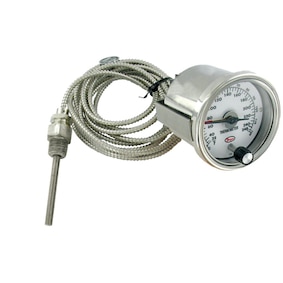
Credit: www.dwyeromega.com
Benefits Of Dual Thermometers
Using two thermometers in a tank helps you measure temperature better. It gives more reliable results than a single thermometer.
Dual thermometers provide safety and detailed information for different parts of the tank. This is useful in many applications.
Enhanced Accuracy
Two thermometers reduce errors caused by a faulty sensor. They allow cross-checking of temperature readings to confirm accuracy.
- Compare readings to spot mistakes
- Reduce risks of wrong temperature data
- Ensure better control over tank conditions
Redundancy For Safety
Having two thermometers means one can act as a backup. If one fails, the other keeps working to maintain safety.
| Feature | Single Thermometer | Dual Thermometers |
| Backup Available | No | Yes |
| Error Detection | Limited | Improved |
| Safety Level | Basic | Higher |
Monitoring Different Zones
Dual thermometers can measure temperatures in separate tank areas. This helps identify hot or cold zones quickly.
- Track temperature variation inside the tank
- Detect issues like uneven heating or cooling
- Improve tank management and energy use
Credit: support.boshart.com
Choosing The Right Thermometers
Installing dual thermometers in a tank helps monitor temperature accurately. Choosing the right thermometers is important for reliable readings.
This guide covers types of thermometers, compatibility with tank materials, and temperature range and precision.
Types Of Thermometers
There are several thermometer types suitable for tanks. Each type works best in different conditions.
- Digital thermometers show readings on a screen and are easy to read.
- Dial thermometers have a needle that points to the temperature.
- Infrared thermometers measure temperature without touching the tank.
- Glass thermometers use liquid and provide simple readings.
Compatibility With Tank Material
Thermometers must fit the tank material for safe installation. Some materials react with thermometer parts.
| Tank Material | Recommended Thermometer Type | Notes |
| Plastic | Digital or Infrared | Avoid metal probes that may cause cracks |
| Stainless Steel | Dial or Digital | Metal probes work well with steel tanks |
| Glass | Glass or Infrared | Handle with care; avoid heavy probes |
Temperature Range And Precision
Select thermometers with the right temperature range for your tank. Precision matters to get accurate data.
- Check the minimum and maximum temperatures the thermometer can measure.
- Choose devices with small error margins for precision.
- Consider dual thermometers with different ranges for wide coverage.
Tools And Materials Needed
Installing dual thermometers in a tank requires specific tools and materials. These help ensure accurate temperature readings and a secure setup.
Using the right items makes installation easier and keeps the tank safe from leaks and damage.
Thermometers And Sensors
Choose thermometers designed for tank use. Dual sensors give you temperature readings at two points.
Common types include digital and analog thermometers. Sensors must be waterproof and heat resistant.
- Digital thermometer with dual sensors
- Analog thermometer with probe options
- Waterproof sensor cables
- Temperature display unit (if needed)
Installation Hardware
Hardware helps mount the thermometers securely on the tank. Use parts that resist rust and water damage.
Common hardware includes clamps, brackets, and screws that fit your tank type.
- Metal or plastic mounting brackets
- Screws and bolts (stainless steel preferred)
- Clamps to hold sensor wires
- Drill or screwdriver for installation
Sealants And Insulation
Sealants prevent water leaks around thermometer openings. Insulation keeps temperature readings stable.
Use safe, waterproof sealants and proper insulation materials for best results.
- Waterproof silicone sealant
- Rubber gaskets or O-rings
- Foam insulation tape
- Heat-resistant insulation sleeves for wires
Preparing The Tank For Installation
Installing dual thermometers in a tank is important for accurate temperature monitoring. Proper preparation ensures the installation is effective and reliable.
Follow these steps to prepare your tank before installing the thermometers. Proper preparation will help avoid problems later.
Cleaning And Inspection
Start by cleaning the tank to remove dirt and residue. A clean surface ensures the thermometers adhere well and work accurately.
Inspect the tank for any signs of damage or wear. Look for cracks, rust, or other issues that might affect installation.
- Use a soft cloth to wipe the tank clean
- Check for any leaks or rust
- Repair any visible damage before proceeding
Selecting Installation Points
Selecting the right spots for your thermometers is crucial. Choose locations that provide accurate readings of the tank’s temperature.
Consider the tank’s size and shape when choosing installation points. Avoid areas that might interfere with regular tank operations.
- Place thermometers at different heights for varied readings
- Avoid placing them near heating elements
- Ensure easy accessibility for maintenance
Marking And Measuring
Marking and measuring ensure precise installation of the thermometers. Use a measuring tape to determine exact distances between selected points.
Clearly mark where each thermometer will be installed. This helps in aligning them correctly during installation.
- Use a ruler and marker for precise measurements
- Double-check measurements to prevent errors
- Ensure marks are visible for easy installation
Step-by-step Installation Process
Installing dual thermometers in a tank helps monitor temperatures accurately. Follow these steps to set up the thermometers correctly.
This guide covers drilling, mounting, securing, and sealing the thermometers for the best results.
Drilling And Mounting
First, select the spots on the tank for each thermometer. Mark the exact points where you will drill holes.
Use a drill with the right bit size to make clean holes. Avoid making holes too large or too small for the thermometer fittings.
- Wear safety goggles before drilling
- Use a drill bit matching the thermometer size
- Drill slowly to prevent tank damage
- Clean the drilled holes from debris
Securing Thermometers
Insert the thermometer probes into the drilled holes gently. Make sure they fit snugly inside the openings.
Use mounting brackets or clamps provided with the thermometers. Tighten them firmly to keep the thermometers stable.
- Check thermometer alignment before tightening
- Do not overtighten to avoid damage
- Use tools that fit the fasteners properly
- Test the thermometers for movement
Ensuring Proper Sealing
Apply sealant around the holes to stop leaks. Use a waterproof sealant suitable for your tank type.
Check the sealant coverage carefully. Cover all gaps between the thermometer and tank surface.
- Choose a sealant that resists tank fluids
- Apply sealant evenly around openings
- Allow sealant to dry before filling the tank
- Inspect seals regularly for wear or cracks
Calibrating Dual Thermometers
Installing dual thermometers in a tank helps monitor temperature accurately. Proper calibration ensures both thermometers show correct readings.
Calibrating dual thermometers involves checking and adjusting their readings. This process improves reliability and prevents errors.
Initial Calibration Methods
Start calibration by comparing thermometers to a known temperature source. Use ice water or boiling water as reference points.
Place both thermometers in the same environment and wait for readings to stabilize. Note the temperature each thermometer shows.
- Fill a container with ice water for 0°C (32°F) reference.
- Use boiling water for 100°C (212°F) reference.
- Allow thermometers to adjust for 3-5 minutes.
- Record and compare thermometer readings.
Cross-checking Readings
Cross-check readings by placing thermometers side by side in the tank. This helps find differences between the two devices.
Check readings at different times and tank locations. Look for consistent differences or errors between the thermometers.
- Place thermometers near the tank bottom and top.
- Take readings at regular intervals.
- Compare the results for any deviation.
- Note if one thermometer always reads higher or lower.
Adjusting For Accuracy
Adjust thermometers by following the manufacturer’s instructions. Some devices have calibration screws or digital settings.
If adjustment is not possible, record the offset. Use this offset to correct readings manually during use.
- Turn calibration screw to raise or lower reading.
- Reset digital thermometer using the calibration menu.
- Write down any consistent temperature offset.
- Apply offset correction when reading temperatures.
Maintaining And Troubleshooting
Installing dual thermometers in a tank helps monitor temperature accurately. Proper maintenance keeps them working well. Troubleshooting can fix common issues fast.
Follow simple steps to clean, check, and replace parts. This guide explains how to keep your thermometers reliable.
Regular Cleaning Tips
Clean your thermometers regularly to avoid buildup that affects readings. Use soft cloths and mild cleaners.
- Turn off the tank system before cleaning
- Wipe the thermometer probes gently
- Use a soft brush for tough dirt
- Do not use abrasive chemicals
- Dry the sensors completely before use
Detecting Faulty Readings
Watch for temperature readings that do not match or change suddenly. These signs can mean a problem with the thermometers.
| Issue | Possible Cause | Action |
| Unstable readings | Loose connection | Check and tighten wires |
| Constant high or low | Sensor damage | Inspect sensor for cracks |
| No reading | Power failure | Test power supply |
| Different readings on both | Calibration error | Recalibrate thermometers |
Replacing Components
If a thermometer part is broken, replace it quickly. Use parts made for your tank model.
- Turn off the power to the tank
- Remove the faulty thermometer or sensor
- Install the new component securely
- Reconnect all wires and check connections
- Turn on the power and test the thermometer
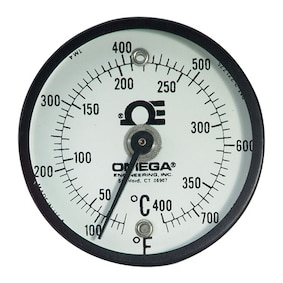
Credit: www.dwyeromega.com
Applications And Use Cases
Dual thermometers are useful in monitoring temperatures in various tank types. They help ensure safe and optimal conditions. Below are common applications.
Each application has its unique requirements. Understanding these helps in making informed decisions.
Industrial Tanks
Industrial tanks often store large volumes of liquids. Dual thermometers are crucial here for safety and efficiency.
- Monitor temperature variations across different tank sections.
- Prevent overheating or freezing of stored materials.
- Ensure compliance with safety regulations.
Aquariums And Fish Tanks
Fish and aquatic plants need specific temperatures to thrive. Dual thermometers help maintain these conditions.
| Tank Type | Ideal Temperature Range |
| Freshwater | 72-78°F |
| Saltwater | 75-82°F |
| Reef | 76-82°F |
Chemical Storage
Proper temperature control in chemical storage tanks prevents reactions. Dual thermometers are essential for safe chemical management.
Frequently Asked Questions
Why Install Dual Thermometers In A Tank?
Installing dual thermometers ensures accurate temperature readings. It provides a backup in case one fails. This improves monitoring and helps maintain optimal tank conditions for safety and efficiency.
How Do Dual Thermometers Improve Tank Safety?
Dual thermometers offer redundancy, reducing risks of false readings. This helps prevent overheating or freezing. Timely alerts from both thermometers protect the tank contents and equipment from damage.
What Types Of Thermometers Suit Tank Installation?
Digital and analog thermometers are common choices. Digital thermometers provide precise, easy-to-read results. Analog thermometers are simple and reliable. Choose based on tank size, environment, and budget.
Where Should Dual Thermometers Be Placed In A Tank?
Place thermometers at different tank points, such as top and bottom. This captures temperature variations inside the tank. Proper placement ensures comprehensive monitoring and better control over tank conditions.
Conclusion
Installing dual thermometers in a tank helps track temperature more accurately. You get readings from two different spots at once. This reduces errors and keeps your tank’s environment stable. It is simple to set up and saves time later. Watching both thermometers lets you catch problems early.
This keeps your tank safe and healthy. Try this method to improve your tank’s temperature control today. Small steps make a big difference in tank care.