
If you want your fish to stay healthy and your aquarium water crystal clear, knowing how to use aquarium water conditioner is essential. You might think adding water is simple, but tap water often contains chemicals that can harm your fish.
Using the right water conditioner protects your aquatic pets and creates a safe environment for them to thrive. You’ll discover easy steps to condition your aquarium water like a pro, avoid common mistakes, and keep your underwater world sparkling clean.
Keep reading to unlock the secrets that will make your fish tank a happy home.
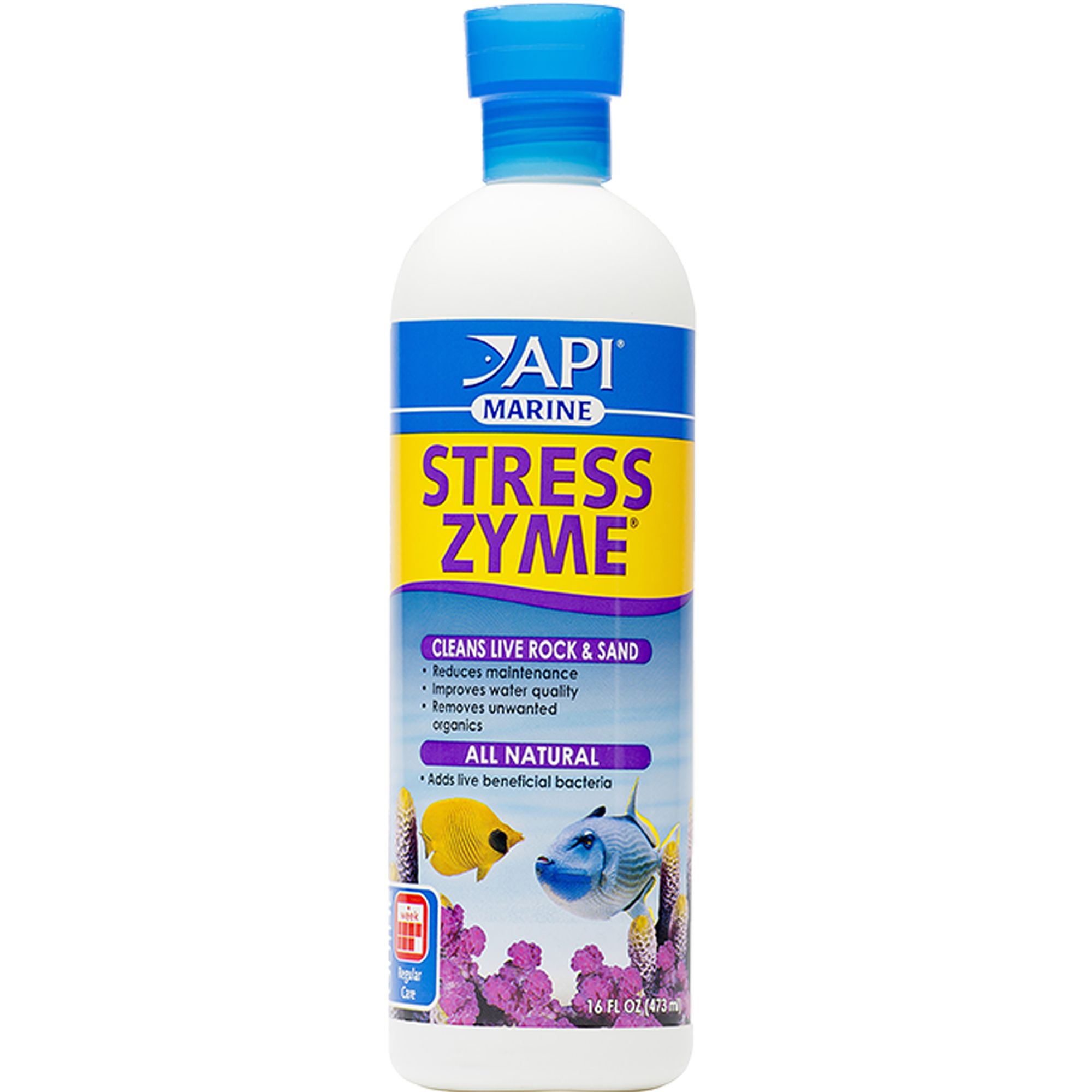
Credit: www.petsmart.ca
Why Water Conditioner Matters
Aquarium water conditioner makes tap water safe for fish. Tap water often contains harmful chemicals and metals. Using conditioner helps protect your fish and keeps the tank healthy.
Understanding how water conditioner works can improve your aquarium care. It removes toxins and balances water quality for a better environment.
Protecting Fish From Chlorine And Chloramine
Tap water contains chlorine and chloramine to kill germs. These chemicals can harm or kill fish. Water conditioner neutralizes them quickly.
- Removes chlorine instantly
- Breaks down chloramine safely
- Prevents gill damage and stress
- Makes water safe for all fish types
Neutralizing Heavy Metals
Heavy metals like copper and lead can enter tap water. These metals are toxic to fish even at low levels. Water conditioner binds to these metals to make them harmless.
| Heavy Metal | Source in Tap Water | Effect on Fish |
| Copper | Old Pipes, Algaecides | Gill Damage, Poisoning |
| Lead | Plumbing, Industrial Waste | Organ Damage, Death |
| Iron | Well Water, Rust | Water Cloudiness, Stress |
Improving Water Quality
Water conditioner helps keep water clear and healthy. It supports beneficial bacteria that break down waste. This creates a stable environment for fish to thrive.
- Reduces harmful chemicals
- Helps maintain pH balance
- Improves oxygen levels
- Supports natural tank cycle

Credit: www.reddit.com
Choosing The Right Conditioner
Using an aquarium water conditioner is key to keeping fish healthy. Picking the right one depends on your tank’s needs and water type.
Some conditioners remove chlorine, others detoxify heavy metals or add beneficial minerals. Knowing these differences helps you choose well.
Types Of Water Conditioners
There are several types of water conditioners. Each serves a different purpose for your aquarium water.
- Dechlorinators:Remove chlorine and chloramine from tap water.
- Heavy Metal Removers:Detoxify metals like copper and lead that can harm fish.
- Ammonia Neutralizers:Convert toxic ammonia into less harmful substances.
- Mineral Additives:Add essential minerals for fish health and plant growth.
Ingredients To Look For
| Ingredient | Purpose |
|---|---|
| Sodium Thiosulfate | Neutralizes chlorine and chloramine |
| EDTA | Binds and removes heavy metals |
| Ammonia Scavengers | Reduces ammonia toxicity |
| Potassium | Supports plant and fish health |
| Calcium | Strengthens fish bones and shells |
Avoiding Harmful Additives
Some conditioners contain ingredients that may harm sensitive fish or plants. Avoid these additives to keep your tank safe.
- Alcohol-based solvents that stress fish
- Artificial fragrances or dyes
- Excessive preservatives
- High levels of copper unless treating parasites
Step-by-step Conditioner Use
Using an aquarium water conditioner is important for keeping fish safe. It removes harmful chemicals from tap water.
Follow these simple steps to prepare water and add conditioner correctly. Proper timing helps keep your fish healthy.
Preparing New Water
Start with clean, fresh water for your aquarium. Use water that matches the temperature of your tank.
Fill a clean container with the new water before adding it to the tank. This helps avoid shocking your fish.
- Use tap water or filtered water
- Match water temperature to aquarium
- Fill container for mixing conditioner
Adding Conditioner Correctly
Pour the correct amount of water conditioner into the new water. Follow the instructions on the conditioner bottle.
Mix the water gently to spread the conditioner evenly. Avoid shaking the water too hard to keep it calm.
- Check dosage on the conditioner label
- Measure conditioner with a clean cup or dropper
- Stir water gently after adding conditioner
Timing For Best Results
Use the conditioned water right after mixing. Do not wait long to add it to your aquarium.
Change the water regularly and add conditioner each time. This keeps the tank safe and clean for your fish.
- Add conditioned water immediately to the tank
- Condition new water every time you change it
- Keep a regular schedule for water changes
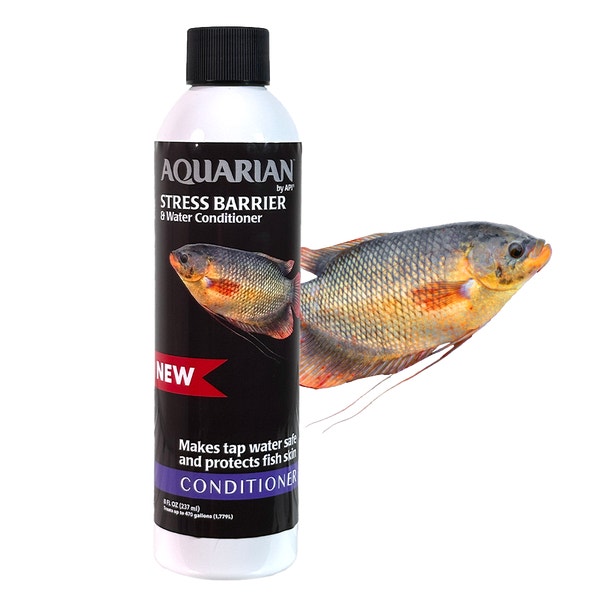
Credit: www.aquarianfishcare.com
Common Mistakes To Avoid
Using aquarium water conditioner keeps fish safe by removing harmful chemicals. Many beginners make simple errors that can hurt fish health.
Knowing what mistakes to avoid helps maintain a healthy aquarium environment. Let’s look at the most common errors.
Overdosing Conditioner
Adding too much water conditioner can harm your fish and plants. It may cause stress or damage to delicate gills.
Always measure the conditioner carefully. Use the amount suggested on the label for your aquarium size.
- Overdosing does not improve water quality faster
- It can upset the balance of helpful bacteria
- Too much conditioner may cause cloudy water
Skipping Treatments
Some aquarium owners skip adding conditioner during water changes. This mistake exposes fish to harmful chlorine and chloramine.
Always treat new water before adding it to the tank. This protects your fish from toxic chemicals in tap water.
- Do not skip conditioner when changing water
- Treat water even if using well water or filtered water
- Conditioner keeps fish safe from sudden water changes
Ignoring Water Testing
Some fish keepers do not test water regularly. Ignoring water tests can hide problems like high ammonia or pH changes.
Test water after adding conditioner. This ensures the conditioner works and water is safe for fish.
- Test for chlorine, ammonia, nitrites, and pH
- Testing helps catch problems early
- Use test kits designed for aquarium water
Maintaining A Healthy Aquarium
Keeping your aquarium healthy requires care and attention. Using a water conditioner helps protect fish and plants from harmful chemicals.
This guide explains how to use aquarium water conditioner effectively. Follow simple habits to create a safe environment for your aquatic life.
Regular Water Changes
Change part of the aquarium water often to keep it clean. Water changes remove waste and reduce toxins that can harm fish.
- Replace 10-20% of water weekly
- Use a siphon to remove debris from the gravel
- Always treat new water with conditioner before adding it
- Match the new water temperature to the tank
Monitoring Fish Behavior
Watch your fish daily for signs of stress or illness. Changes in behavior can mean water problems.
| Fish Behavior | Possible Cause | Action |
|---|---|---|
| Gasping at surface | Low oxygen or poor water quality | Check water condition and add conditioner |
| Clamped fins | Stress or illness | Test water parameters and improve filtration |
| Hiding more than usual | Stress or new environment | Ensure stable water and reduce disturbances |
| Erratic swimming | Water toxins or illness | Perform partial water change and treat water |
Combining Conditioner With Filtration
Water conditioners help remove chlorine and heavy metals. Filtration removes debris and harmful substances.
- Use conditioner before adding tap water to the tank
- Maintain your filter by cleaning it regularly
- Choose the right filter for your tank size
- Replace filter media according to instructions
Frequently Asked Questions
What Is The Purpose Of Aquarium Water Conditioner?
Aquarium water conditioner removes harmful chlorine and chloramine from tap water. It detoxifies heavy metals, making water safe for fish. Using conditioner prevents fish stress and health issues. It also promotes a healthy aquatic environment for your pets.
How Much Aquarium Water Conditioner Should I Use?
Follow the product label’s dosage instructions carefully. Usually, use one drop per gallon of tap water. Overdosing can harm fish, while underdosing won’t fully detoxify water. Always measure accurately for safe, conditioned water ready for your aquarium.
When Should I Add Water Conditioner To My Aquarium?
Add water conditioner immediately after filling or refilling your aquarium. Treating water before adding fish ensures a safe environment. It’s crucial during water changes to maintain water quality and protect fish from harmful chemicals.
Can Aquarium Water Conditioner Improve Fish Health?
Yes, it neutralizes toxins like chlorine, chloramine, and heavy metals. This reduces fish stress and prevents gill damage. Conditioned water supports strong immune systems. Healthy water conditions encourage vibrant, active fish.
Conclusion
Using aquarium water conditioner keeps your fish safe and healthy. It removes harmful chemicals from tap water quickly. Always add the right amount before putting fish inside. Clean water helps fish live longer and swim happily. Regular use prevents stress and illness in your tank.
Remember, clear water means a happy aquarium. Take care of your fish by treating water properly every time. Simple steps make a big difference in fish care. Keep your aquarium fresh, safe, and enjoyable for all.