
Setting up a tank specifically for livebearers might seem tricky at first, but it’s easier than you think. If you want your fish to thrive and show off their best colors, creating the right environment is key.
You’ll discover simple steps to design a tank that fits your livebearers’ unique needs perfectly. By the end of this guide, you’ll know exactly how to make your aquarium a safe, comfortable home where your fish can grow and flourish.
Ready to transform your tank into a livebearer paradise? Let’s dive in!
Choosing The Right Livebearer Species
Setting up a species-specific tank starts with picking the right livebearer fish. Each species has unique needs and traits. These factors affect tank setup and fish health.
Choosing well can help your fish thrive and reduce conflicts in the tank. Learn about popular species, their compatibility, and behavior before deciding.
Popular Livebearer Options
Livebearers are easy to care for and colorful. Some popular types include guppies, mollies, platies, and swordtails. Each has distinct colors and sizes.
- Guppies:Small, vibrant, and active swimmers.
- Mollies:Larger, peaceful, and adaptable to saltwater.
- Platies:Hardy fish with many color varieties.
- Swordtails:Recognizable by the sword-like tail fins.
Species Compatibility
Not all livebearers live well together. Some species may chase or stress others. Matching compatible fish reduces aggression and tank problems.
| Species | Compatible With | Notes |
|---|---|---|
| Guppies | Platies, Mollies | Peaceful, avoid large aggressive fish |
| Mollies | Platies, Swordtails | Can tolerate brackish water |
| Platies | Guppies, Mollies | Very peaceful, good for community tanks |
| Swordtails | Mollies, Platies | Males can be territorial |
Behavioral Traits
Livebearers show different behaviors. Some are shy, others are active or territorial. Knowing this helps create a comfortable tank environment.
- Guppies: Very active and social.
- Mollies: Calm but may nip fins.
- Platies: Peaceful and easy-going.
- Swordtails: Males may fight for dominance.
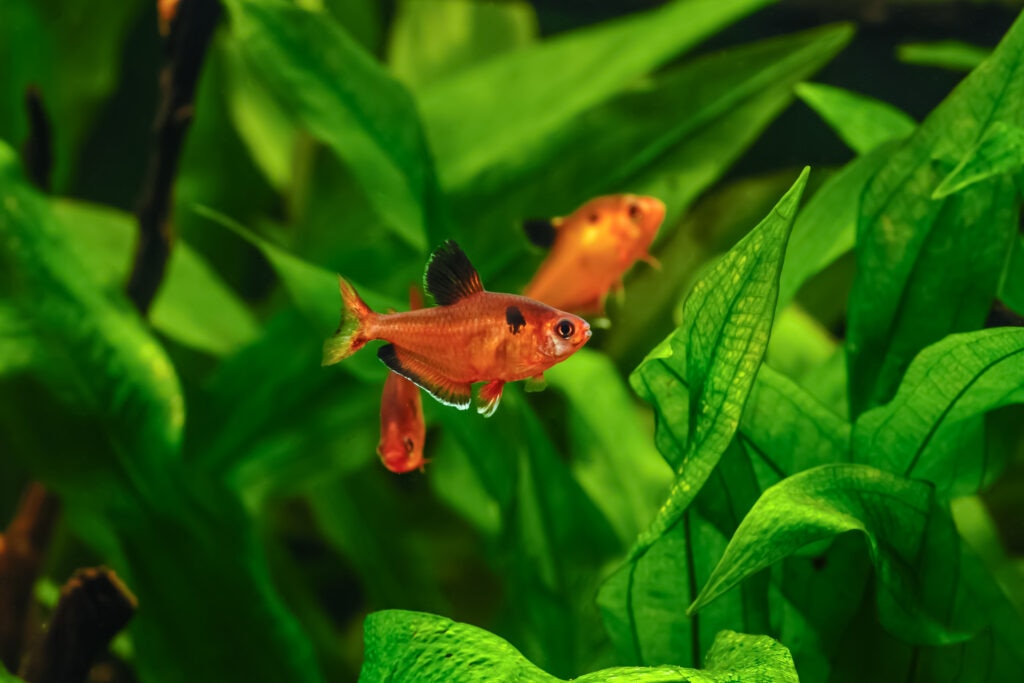
Credit: www.chewy.com
Selecting The Ideal Tank Size
Setting up a tank for livebearers needs careful thought. The size of the tank affects fish health and behavior.
Choosing the right size helps keep the fish happy and active. It also makes tank maintenance easier.
Minimum Space Requirements
Livebearers need enough room to swim freely. Small tanks stress fish and limit growth.
A minimum of 10 gallons is good for a few livebearers. Larger tanks suit bigger groups better.
- 10 gallons for 3-5 small livebearers
- 20 gallons for 6-10 fish
- 30 gallons or more for larger groups
Considering Population Density
Too many fish in one tank cause poor water quality. This can lead to illness and stress.
Keep a low fish density to ensure enough oxygen and space. This helps fish grow healthy.
- One inch of fish per gallon is a safe rule
- Adjust for fish size and activity level
- More plants and hiding spots reduce stress
Setting Up The Aquarium Environment
Creating the right environment is key for livebearers. It helps them stay healthy and active.
This guide covers water, substrate, decorations, filtration, and aeration for a species-specific tank.
Water Parameters And Quality
Livebearers like warm water. Keep the temperature between 74°F and 82°F (23°C to 28°C).
They prefer a pH level of 7.0 to 8.0. The water should be clean and free of harmful chemicals.
- Test water weekly for ammonia, nitrites, and nitrates
- Perform 20-30% water changes every week
- Use a water conditioner to remove chlorine and chloramine
Substrate And Decorations
Use a fine gravel or sand substrate. It is gentle on livebearers’ fins and easy to clean.
Add live plants and hiding spots. They help fish feel safe and reduce stress.
- Java moss and hornwort are good plant choices
- Use smooth rocks and driftwood for decoration
- Avoid sharp objects that can hurt fish
Filtration And Aeration
Choose a filter that cleans water without strong currents. Livebearers do not like fast water flow.
Aeration helps keep oxygen levels high. Use an air stone or sponge filter for gentle bubbles.
- Use a sponge filter for small tanks
- Check filter media regularly and clean as needed
- Place air stones near plants to improve oxygen flow

Credit: www.aqqapet.com
Temperature And Lighting Needs
Setting the right temperature and lighting is key for livebearer tanks. These factors help fish stay healthy and active.
Each livebearer species has unique needs. Adjusting temperature and light supports their natural behavior.
Optimal Temperature Ranges
Most livebearers do well in warm water. The temperature range should match their natural habitat.
Keep the water stable to avoid stress. Sudden changes can harm the fish.
- Guppies: 72°F to 82°F (22°C to 28°C)
- Mollies: 75°F to 82°F (24°C to 28°C)
- Platies: 70°F to 78°F (21°C to 26°C)
- Swordtails: 72°F to 79°F (22°C to 26°C)
Light Cycles And Intensity
Livebearers need a regular light cycle. This helps keep their natural rhythm and health.
Light should not be too bright. Soft lighting mimics their natural environment.
- Provide 10 to 12 hours of light daily
- Use low to medium light intensity
- Keep the tank in a spot without direct sunlight
- Turn off lights at night for rest
Feeding Livebearers
Feeding livebearers properly helps keep them healthy and active. Their diet supports growth and bright colors.
Learning what and how much to feed is key for a species-specific tank. This guide covers their food needs.
Dietary Preferences
Livebearers eat both plant and animal foods. They are omnivores, so they need a balanced diet.
High-quality flakes or pellets made for livebearers work well. They also enjoy frozen or live foods.
- Flake or pellet food with protein and plant matter
- Live or frozen brine shrimp, daphnia, or bloodworms
- Vegetables like blanched spinach or zucchini
- Avoid overfeeding with fatty or low-quality food
Feeding Frequency And Portions
Feed small amounts two to three times daily. This keeps livebearers active and healthy.
Only give as much food as they can eat in 2-3 minutes. Remove leftovers to keep water clean.
- Feed two or three times a day
- Offer small portions each time
- Watch fish eat to avoid overfeeding
- Remove uneaten food after feeding
Breeding Considerations
Setting up a species-specific tank for livebearers requires careful planning. Understanding breeding needs helps create a safe environment.
Good conditions encourage healthy mating and increase survival rates of the fry. Attention to details is key for success.
Identifying Males And Females
Distinguishing males from females is essential for controlled breeding. Livebearer males usually have a gonopodium, a modified anal fin.
- Males are smaller and slimmer than females.
- Females have a rounded belly, especially when pregnant.
- Color patterns may differ; males often show brighter colors.
- Look for the gonopodium in males, a pointed fin used for mating.
Creating Breeding-friendly Conditions
Livebearers need specific water and tank conditions to breed well. Temperature, plants, and hiding spots matter.
| Condition | Recommended Range |
| Water Temperature | 75-80°F (24-27°C) |
| pH Level | 6.8 to 7.5 |
| Plants | Dense live plants for cover |
| Tank Size | Minimum 10 gallons |
| Filtration | Gentle flow filter |
Provide plenty of hiding places to protect fry from adults. Keep water clean and stable to reduce stress.
Caring For Fry
Fry need special care to survive their first weeks. Feeding and tank setup are important.
- Feed fry small, frequent meals using crushed flakes or baby brine shrimp.
- Keep water quality high by performing regular water changes.
- Separate fry from adults to prevent eating.
- Use a fine mesh breeding net or a separate rearing tank.
- Monitor growth and health daily.
Tank Maintenance Tips
Keeping a species-specific tank for livebearers clean and healthy is key. Proper maintenance helps fish stay active and live longer.
Regular care keeps water clear and safe. It also prevents common problems like disease and algae overgrowth.
Regular Cleaning Routines
Cleaning your tank often removes waste and harmful substances. This keeps the environment stable for your livebearers.
- Change 20-30% of the water every week
- Use a gravel vacuum to remove leftover food and debris
- Clean the filter monthly but do not use tap water
- Wipe down the tank glass to remove smudges and dirt
- Remove dead plants and uneaten food daily
Monitoring Water Parameters
Check water quality regularly. Livebearers need stable conditions to thrive. Use a test kit to measure key factors.
| Parameter | Ideal Range |
| Temperature | 74°F to 82°F (23°C to 28°C) |
| pH Level | 6.8 to 7.8 |
| Ammonia | 0 ppm |
| Nitrite | 0 ppm |
| Nitrate | Below 20 ppm |
Managing Algae And Waste
Algae and waste can harm your tank if not controlled. Keep them in check to maintain clear water and healthy fish.
- Limit light exposure to 8-10 hours daily
- Remove visible algae with an algae scraper or sponge
- Feed fish only what they can eat in 2 minutes
- Use live plants to compete with algae for nutrients
- Regularly clean decorations and substrate
Credit: clixfueling.com
Common Challenges And Solutions
Setting up a tank for livebearers can be fun but also tricky. Some common problems can happen that need careful attention.
Understanding these challenges helps you create a healthy and happy environment for your fish.
Dealing With Aggression
Livebearers sometimes show aggression, especially males. Fighting can hurt or stress fish. This can cause health problems.
To reduce aggression, give your fish enough space. Add plants and hiding spots. Keep more females than males to balance behavior.
- Use a large tank for enough swimming room
- Add dense plants and decorations for hiding
- Keep a ratio of one male to two or three females
- Remove very aggressive fish if needed
Preventing Disease
Disease can spread quickly in a species-specific tank. Sick fish can harm others and lower water quality.
Keep the tank clean and test water regularly. Quarantine new fish before adding them. Feed a balanced diet to keep fish strong.
- Change 20-30% of water weekly
- Use a good water test kit often
- Isolate new fish for 2 weeks before adding
- Feed high-quality food suited for livebearers
Handling Overpopulation
Livebearers breed fast, which can cause overpopulation. Too many fish lead to poor water quality and stress.
Control population by separating males and females or using breeding tanks. Remove excess fish responsibly to keep balance.
- Keep only one sex in the main tank
- Use breeding boxes to manage fry
- Rehome extra fish or give to other hobbyists
- Regularly check and clean the tank
Frequently Asked Questions
What Size Tank Is Ideal For Livebearers?
A 20-gallon tank is perfect for most livebearers. It offers enough space for swimming and breeding. Larger tanks reduce stress and improve water quality. Always consider the species’ adult size when choosing the tank.
How To Maintain Water Parameters For Livebearer Tanks?
Livebearers thrive in temperatures between 74-82°F and pH 7. 0-8. 0. Regular water changes keep ammonia and nitrate levels low. Use a reliable heater and test water weekly for stability and health.
What Plants Are Best For Livebearer Tanks?
Java moss, hornwort, and water sprite are excellent for livebearer tanks. These plants provide hiding spots and breeding areas. They also improve water quality and create a natural environment.
How To Prevent Aggression In Species-specific Livebearer Tanks?
Provide plenty of plants and hiding spots to reduce aggression. Maintain proper stocking levels to avoid overcrowding. Observe fish behavior and separate aggressive individuals promptly for tank harmony.
Conclusion
Setting up a tank for livebearers takes some care and planning. Choose the right tank size and decorations for your fish. Keep water clean and at the right temperature. Feed your livebearers a balanced diet to keep them healthy. Watch your fish often to spot any problems early.
A proper tank helps your livebearers thrive and show their best colors. Enjoy the peaceful beauty they bring to your home. Simple steps lead to happy, healthy fish in your species-specific tank.