
If you want healthy, vibrant Molly fish thriving in your aquarium, choosing the right breeding pairs is key. But how do you pick the best ones from your tank?
The secret lies in understanding what makes a perfect match for Molly breeding. In this guide, you’ll discover simple, proven tips to select pairs that not only breed successfully but also pass on strong, beautiful traits to their offspring. Keep reading to unlock the secrets that will make your Molly breeding experience rewarding and exciting.
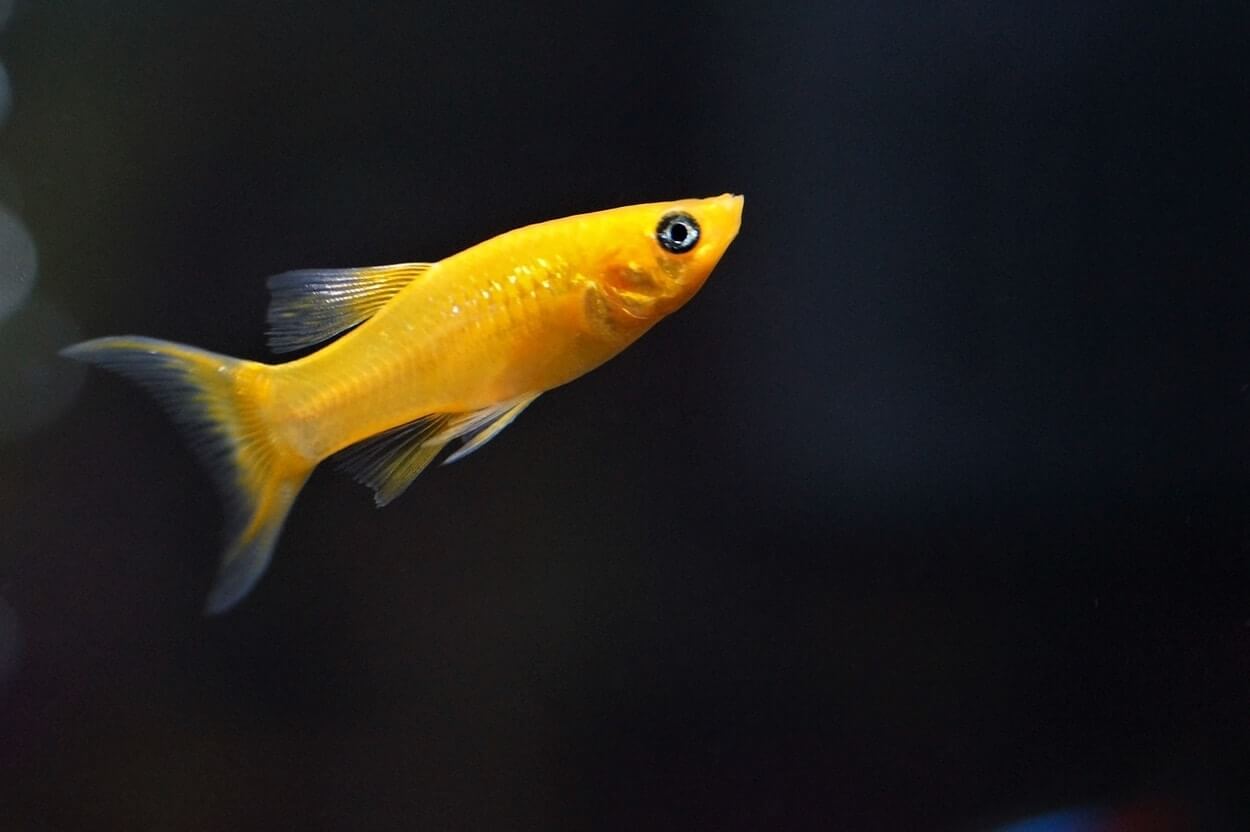
Credit: www.aquariumsource.com
Choosing Healthy Mollies
Picking healthy mollies is key for good breeding results. Healthy fish grow well and have strong babies.
Look closely at each molly before choosing breeding pairs. This helps avoid problems later.
Spotting Signs Of Good Health
Healthy mollies show clear signs that you can easily spot. Check their body, fins, and behavior.
- Bright, even-colored scales without spots or damage
- Fins fully open and not torn or clamped
- Clear eyes with no cloudiness
- Active swimming and quick response to movement
- Normal breathing without gasping at the surface
- Firm body without bloating or sunken areas
Avoiding Common Diseases
Diseases can spread fast and harm your mollies. Watch for signs and keep your fish healthy.
| Disease | Signs | Prevention |
|---|---|---|
| Ich (White Spot) | White spots on body and fins, scratching | Keep water clean, avoid sudden temperature changes |
| Fin Rot | Frayed or discolored fins | Good water quality, avoid injuries |
| Velvet | Gold or rusty dust on body, lethargy | Quarantine new fish, maintain clean tank |
| Fungal Infection | White cotton-like growths on skin | Remove dead plants, keep water clean |

Credit: petmedaily.com
Selecting Compatible Males And Females
Choosing the right molly breeding pairs is key for healthy offspring. You need to select males and females that match well. This helps avoid stress and fighting in the tank.
Understanding how to tell males from females and matching their size and temperament is important. These factors improve the chances of successful breeding.
Identifying Gender Differences
Molly fish males and females have clear physical differences. Recognizing these helps you pick pairs that will breed well.
- Maleshave a pointed anal fin called a gonopodium.
- Femaleshave a fan-shaped anal fin.
- Females are usually larger and rounder than males.
- Males often show brighter colors and more active swimming.
Matching Size And Temperament
Pairing molly fish of similar size reduces aggression. Temperament also plays a big role in compatibility.
| Factor | Why It Matters | Tips |
|---|---|---|
| Size | Similar size lowers fighting risks. | Select males and females close in length. |
| Temperament | Calm fish breed better and stress less. | Observe behavior before pairing. Avoid aggressive fish. |
| Age | Fish of similar age have better breeding success. | Choose healthy adults, not too young or old. |
Considering Color And Pattern
Choosing the right breeding pairs is important for molly fish. Color and pattern play big roles in the look of baby fish.
By understanding colors and patterns, you can create beautiful and interesting molly breeds.
Breeding For Vibrant Colors
Vibrant colors make molly fish stand out. Select breeding pairs with bright and strong colors.
Choose fish with clear and rich hues. Avoid dull or faded colors for better results.
- Pick parents with deep reds, blues, or yellows
- Look for solid color coverage on the body
- Healthy fish usually show brighter colors
- Avoid mixing very pale fish if you want vivid babies
Combining Patterns For Unique Offspring
Patterns add variety to molly fish. Use different patterns to get unique babies.
Mixing patterns can create new looks. Choose pairs with distinct and clear patterns.
- Use one fish with spots and one with stripes
- Try pairing solid-colored fish with patterned ones
- Watch how patterns blend in the offspring
- Keep track of which patterns produce the best results
Evaluating Genetic Traits
Choosing the right breeding pairs for mollies is important. Good genetic traits help keep the fish healthy and strong. You must look closely at their features and backgrounds.
Evaluating traits helps prevent problems in offspring. It also helps improve the qualities you want in your fish. Careful selection supports better breeding results.
Preventing Inbreeding
Avoid breeding mollies that are too closely related. Inbreeding can cause weak or sick fish. Study family history and physical traits to reduce risks.
- Check the lineage of each fish before pairing
- Use fish from different tanks or sources
- Look for clear, healthy physical features
- Watch for signs of genetic defects or deformities
- Keep breeding records to track pairs and offspring
Enhancing Desired Features
Choose breeding pairs that show the traits you want. This helps improve color, size, and fin shape. Look for strong and bright features in both fish.
| Trait | What to Look For | Why It Matters |
| Color | Bright and even tones | Attractive appearance |
| Size | Larger body size | Healthy growth |
| Fin Shape | Full and symmetrical fins | Better swimming and looks |
| Behavior | Active and calm | Good temperament |
Setting Up The Breeding Environment
Selecting molly breeding pairs needs the right environment for success.
Proper tank conditions and nutrition help fish stay healthy and ready to breed.
Ideal Tank Conditions
Molies need a clean and stable tank to breed well. Set the water temperature between 75°F and 80°F.
Keep the pH level around 7.5 to 8.5. Use a filter to keep the water clear and oxygen-rich.
- Tank size: at least 20 gallons
- Temperature: 75°F to 80°F (24°C to 27°C)
- pH level: 7.5 to 8.5
- Water hardness: 10 to 25 dGH
- Good filtration and aeration
- Plants and hiding spots for comfort
Providing Proper Nutrition
Healthy molly pairs need a balanced diet. Feed a mix of protein and plant-based foods.
| Food Type | Examples | Feeding Frequency |
| Protein | Brine shrimp, bloodworms | 2-3 times per week |
| Vegetable Matter | Algae wafers, blanched spinach | Daily |
| Flake or Pellet | High-quality molly flakes | Daily |
Monitoring Breeding Behavior
Monitoring the breeding behavior of mollies is important. It helps ensure a healthy environment for them. Breeding mollies can be fascinating and rewarding.
Understanding their behavior is key to successful breeding. This involves recognizing mating signs and managing aggression.
Recognizing Mating Signs
Recognizing mating signs helps in identifying ready breeding pairs. Look for specific behaviors that indicate readiness.
- Males chase females frequently
- Females may become less active
- Increased interaction between potential mates
Managing Aggression
Managing aggression is crucial during breeding. Mollies can become aggressive towards each other.
Separate aggressive fish if needed. This helps maintain a peaceful tank environment.
- Observe fish interactions closely
- Use tank dividers to separate aggressive fish
- Provide hiding spots to reduce stress
Caring For Fry After Birth
Newborn molly fry need special care to grow healthy. This guide helps you care for them effectively.
Proper care ensures fry develop into strong adult fish. Let’s focus on key areas for their wellbeing.
Separating Fry Safely
Fry are tiny and need protection from adult fish. Separate them to avoid being eaten.
Use a breeding box or a separate tank for the fry. This keeps them safe and secure.
- Breeding boxes attach inside the main tank
- Separate tank gives more space to swim
- Monitor water temperature and quality regularly
Feeding And Growth Tips
Feed fry small, frequent meals for healthy growth. Use food designed for baby fish.
Crush flakes or use liquid fry food. This makes it easier for fry to eat and digest.
- Feed 3-5 times a day for rapid growth
- Remove uneaten food to keep water clean
- Observe fry for active swimming and feeding

Credit: petmedaily.com
Frequently Asked Questions
How To Identify Healthy Molly Fish For Breeding?
Look for active Molly fish with vibrant colors and no signs of disease. Choose fish with smooth scales and clear eyes. Healthy fish are crucial for successful breeding and strong offspring.
What Traits Should I Consider In Molly Breeding Pairs?
Consider size, color, and temperament. Select pairs with complementary colors and calm behavior. This ensures better mating success and attractive, healthy fry.
How To Determine The Sex Of Molly Fish?
Males have a pointed anal fin called a gonopodium. Females have a fan-shaped anal fin. Accurate sexing is essential for pairing and breeding success.
When Is The Best Time To Breed Molly Fish?
Breeding is best in warmer water, around 78-82°F (25-28°C). Stable conditions and proper nutrition encourage spawning and healthy fry development.
Conclusion
Choosing the right Molly breeding pairs takes patience and care. Focus on healthy fish with strong colors and good behavior. Avoid breeding fish with signs of illness or deformities. Select pairs that complement each other well to improve offspring quality.
Keep the water clean and stable for better results. Remember, breeding success comes from careful choices and proper care. Take your time and enjoy the process. This way, you can raise happy and healthy Molly fish.