
Choosing a healthy betta fish can make all the difference in how much joy you get from your new pet. You want a fish that’s vibrant, active, and full of life—not one that struggles or gets sick quickly.
But how can you tell if a betta is truly healthy before bringing it home? This guide will help you spot the signs of a strong, happy betta fish, so you can feel confident in your choice and enjoy a thriving aquarium.
Keep reading to discover the simple tips that will ensure your betta lives its best life.
Choosing The Right Betta
Picking a healthy betta fish is important for a happy aquarium. Healthy bettas live longer and swim actively.
Look closely at their behavior, colors, fins, and breathing to find the best fish for your tank.
Identifying Active Behavior
Healthy bettas swim around the tank with energy. They respond to movement and seem curious.
A lethargic fish that hides all the time may be sick or stressed. Active behavior shows good health.
Examining Color Vibrancy
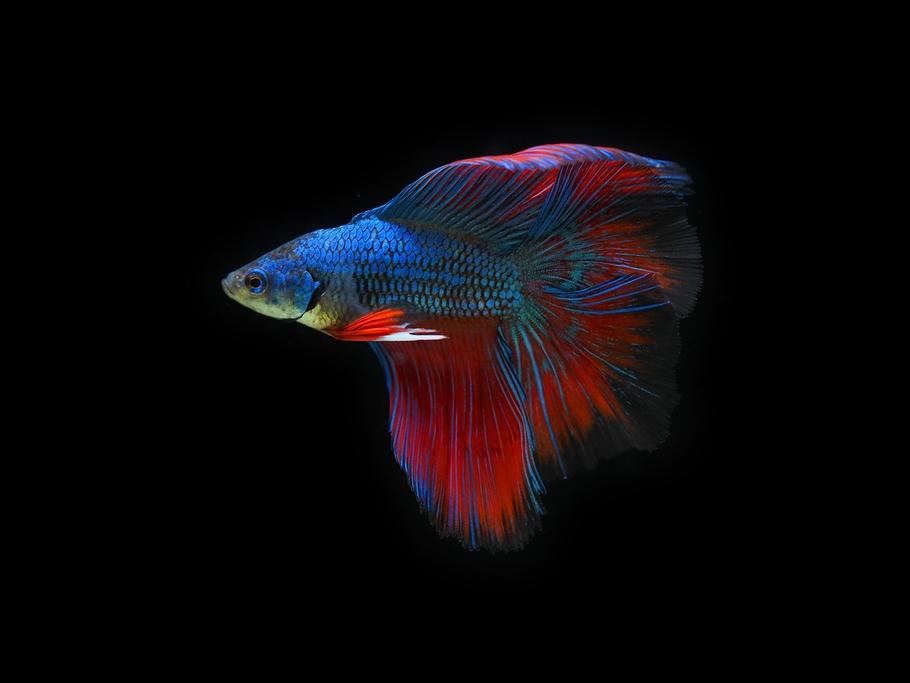
Bright, rich colors often mean a healthy betta. Dull or faded colors can show illness or stress.
Look for even color without spots, patches, or discoloration on the body and fins.
Checking Fins And Scales
Fins should be whole and spread out, not torn or clamped. Scales must lie flat and look smooth.
Damaged fins or missing scales can signal injury or disease. Choose fish with clean fins and scales.
Observing Breathing Patterns
Watch how the betta breathes. Normal breathing is steady and calm at the water surface.
Rapid or heavy breathing may mean stress or poor water quality. Avoid fish that gasp often.
Credit: www.youtube.com
Assessing Tank Conditions
Choosing a healthy betta fish starts with checking the tank conditions. A good environment keeps your fish happy and strong.
Look closely at the water, tank size, and equipment before buying a betta. These factors affect the fish’s health.
Water Quality Essentials
Clean water is key for bettas. Test the water for ammonia, nitrites, and nitrates. Safe levels keep fish safe and active.
- Check water temperature: 76-82°F (24-28°C)
- Test pH level: 6.5 to 7.5 is ideal
- Keep ammonia and nitrites at 0 ppm
- Keep nitrates below 20 ppm
- Change water regularly to avoid buildup
Tank Size And Setup
Bettas need enough space to swim. A small tank can stress the fish and cause illness. Choose a tank that fits their needs.
| Tank Size | Minimum Gallons |
| Single Betta Fish | 5 gallons |
| Betta with Plants | 5-10 gallons |
| Community Tank | 10+ gallons |
Use a tank with a lid to prevent jumping. Add live plants or hiding spots to reduce stress.
Filtration And Heating
Filtration keeps the water clean. Choose a gentle filter that won’t harm the betta’s fins.
- Use a sponge filter or low-flow filter
- Keep the filter clean to avoid toxins
- Use an aquarium heater to keep water steady
- Set heater between 76-82°F (24-28°C)
- Check temperature daily with a reliable thermometer
Selecting From A Reputable Source
Choosing a healthy betta fish starts with finding a trusted seller. A good source helps ensure the fish is well cared for and healthy.
Buying from a reputable place reduces the risk of getting sick or weak fish. Learn how to find the right seller for your betta fish.
Finding Trusted Sellers
Look for sellers who have good reviews from other buyers. Check if they provide clear information about the fish’s care and origin.
Local fish stores or breeders often have healthier fish than big chain stores. They usually keep the fish in better conditions.
- Read customer reviews and ratings
- Ask about the fish’s living conditions
- Choose sellers with care guides
- Prefer local breeders or small stores
Avoiding Common Scams
Some sellers hide health problems in betta fish. Avoid deals that seem too cheap or sellers who do not answer questions.
Watch out for fish that look weak or have damaged fins. Fake photos or no pictures can also be a warning sign.
- Never buy from sellers without photos
- Ignore prices that are much lower than usual
- Check for signs of poor fish health
- Do not buy if the seller avoids questions
Questions To Ask Before Purchase
Ask the seller about the betta fish’s age, diet, and living environment. This helps you understand the fish’s health status.
Also, ask if the fish has had any diseases or treatments. Knowing this can prevent problems after purchase.
- How old is the betta fish?
- What does the fish eat?
- How long has the fish been in the tank?
- Has the fish had any health issues?
- What water conditions is the fish used to?
Handling And Transport Tips
Moving a betta fish from one place to another needs care and attention.
Proper handling helps keep the fish safe and healthy during travel.
Safe Packaging Methods
Use a small, clean container filled with water from the fish’s tank. Avoid overcrowding by placing only one betta per bag or container.
- Choose a sturdy plastic bag or container with a secure lid.
- Fill the container halfway with tank water to give the fish space to breathe.
- Add an air bubble to the bag to provide oxygen.
- Seal the bag tightly to prevent leaks.
- Place the bag inside a box or insulated container to protect from temperature changes.
Reducing Stress During Travel
Betta fish can get stressed from noise, light, and movement. Keep travel calm and quiet.
| Stress Factor | How to Reduce |
| Noise | Cover container with a towel |
| Light | Keep in a dark box or shaded area |
| Temperature Changes | Use insulated bags or boxes |
| Shaking | Place container on a stable surface |
Acclimating To New Environment
Introduce the betta to its new tank slowly to avoid shock.
- Float the sealed bag in the tank water for 15–20 minutes to match temperature.
- Open the bag and add small amounts of tank water every 5 minutes.
- After about 30 minutes, gently release the fish into the tank.
- Do not remove the fish immediately if the water looks different.
- Turn off bright lights during acclimation to reduce stress.
Ongoing Betta Care
Taking care of a betta fish is more than just choosing a healthy one. You must keep watching and caring for it every day. Ongoing care helps your betta live a long and happy life.
This guide explains how to feed your betta well, watch for behavior changes, and keep its tank clean. These steps protect your fish from illness and stress.
Feeding For Health
Feed your betta a balanced diet to keep it strong and healthy. Use high-quality betta pellets or flakes as the main food. Offer small amounts once or twice daily.
Include occasional treats like frozen or live brine shrimp or bloodworms. Avoid overfeeding because extra food can pollute the tank and harm your betta.
- Feed 2-3 pellets per meal
- Feed once or twice a day
- Use live or frozen treats once a week
- Remove uneaten food after 5 minutes
Monitoring Behavior Changes
Watch your betta every day for changes in how it acts. Healthy bettas swim actively and flare their fins. They respond quickly to your presence.
Look for signs of illness like hiding, loss of color, clamped fins, or slow movement. Early detection lets you act fast to help your fish.
- Check for color fading or spots
- Notice if your betta stops eating
- Observe fin damage or clamping
- Watch for unusual swimming or lethargy
Routine Tank Maintenance
Keep the betta’s tank clean to prevent sickness. Change 25-50% of the water weekly. Use a water conditioner to remove chlorine before adding water.
Clean the tank walls and decorations gently without soap. Check the filter and heater regularly to ensure they work well.
- Change 25-50% of water each week
- Use water conditioner to remove harmful chemicals
- Clean tank surfaces with soft cloth or sponge
- Check filter and heater weekly
Credit: www.ratemyfishtank.com
Credit: jungleaquatics.com
Frequently Asked Questions
How Do I Identify A Healthy Betta Fish?
Look for vibrant colors, clear eyes, and smooth fins. Healthy bettas are active, responsive, and free from spots or clamped fins.
What Water Conditions Suit A Healthy Betta Fish?
Maintain clean, warm water between 76-82°F with pH 6. 5-7. 5. Regular water changes and proper filtration are essential for betta health.
How Can Diet Affect Betta Fish Health?
Feed high-quality betta pellets or frozen foods. Avoid overfeeding to prevent obesity and water pollution, promoting long-term health.
What Behavior Indicates A Stressed Or Unhealthy Betta?
Lethargy, loss of appetite, fin damage, or hiding often signal stress or illness. Early detection helps in timely treatment.
Conclusion
Choosing a healthy betta fish takes patience and care. Check their fins, eyes, and body for signs of good health. Watch how they swim and breathe. Pick a fish that looks active and alert. A healthy betta will live longer and be more vibrant.
Remember, a little attention now saves problems later. Enjoy your new pet with confidence and care. Healthy choices lead to happy fish and a joyful aquarium.