
Choosing the perfect discus pairs can make all the difference in your aquarium’s beauty and harmony. But how do you pick the right ones that will thrive together and bring out the best colors?
You might feel overwhelmed by the options and unsure what to look for. Don’t worry—this guide will help you understand exactly what to consider when selecting your discus pairs. By the end, you’ll feel confident and ready to create a stunning, healthy tank that you’ll enjoy every day.
Keep reading to discover the secrets that experts use to choose discus pairs that truly shine.
Credit: myrtlebeachdiscus.com
Choosing Healthy Discus
Selecting healthy discus fish is important for a thriving aquarium. Healthy discus live longer and look better.
Look closely at the fish before buying. Good health means fewer problems later.
Signs Of Good Health
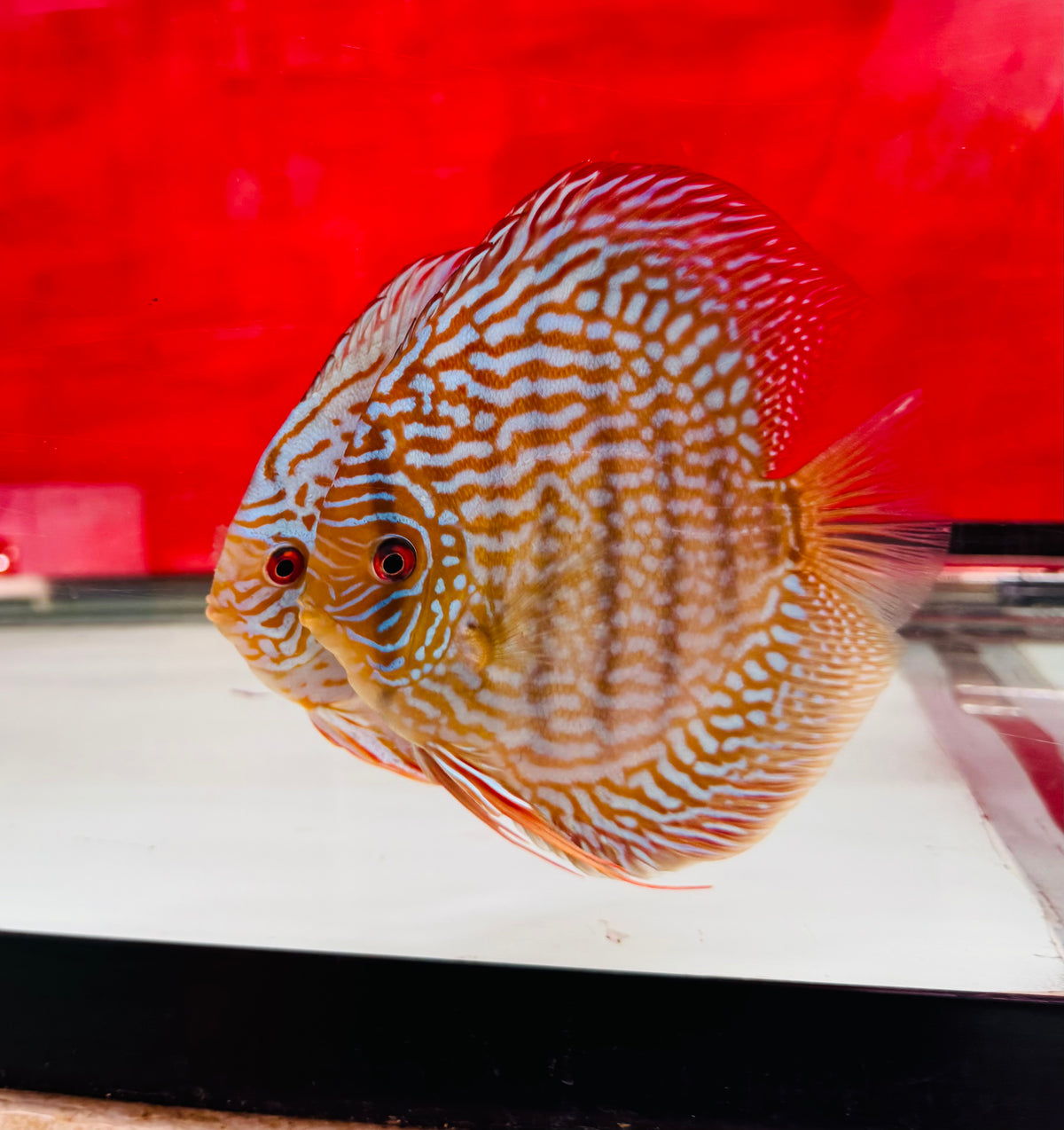
Healthy discus show bright colors and clear eyes. Their fins are whole and spread out.
They swim actively and respond to food quickly. Their bodies should be round and smooth without spots.
- Bright and even colors
- Clear, shiny eyes
- Whole, spread fins
- Active and alert swimming
- Round, smooth body shape
Avoiding Common Diseases
Diseases can hurt discus quickly. Watch for signs like white spots or torn fins.
Keep new fish in quarantine to prevent disease spread. Clean the tank and feed good food to keep discus healthy.
- Check for white spots or patches
- Look for torn or clamped fins
- Avoid fish that swim oddly or hide
- Quarantine new fish before adding
- Keep the tank clean and stable
Credit: myrtlebeachdiscus.com
Matching Size And Age
Choosing discus pairs involves more than looks. Size and age play big roles in keeping the fish healthy and happy.
When pairs are well matched, they are less likely to fight and more likely to breed successfully.
Ideal Size Compatibility
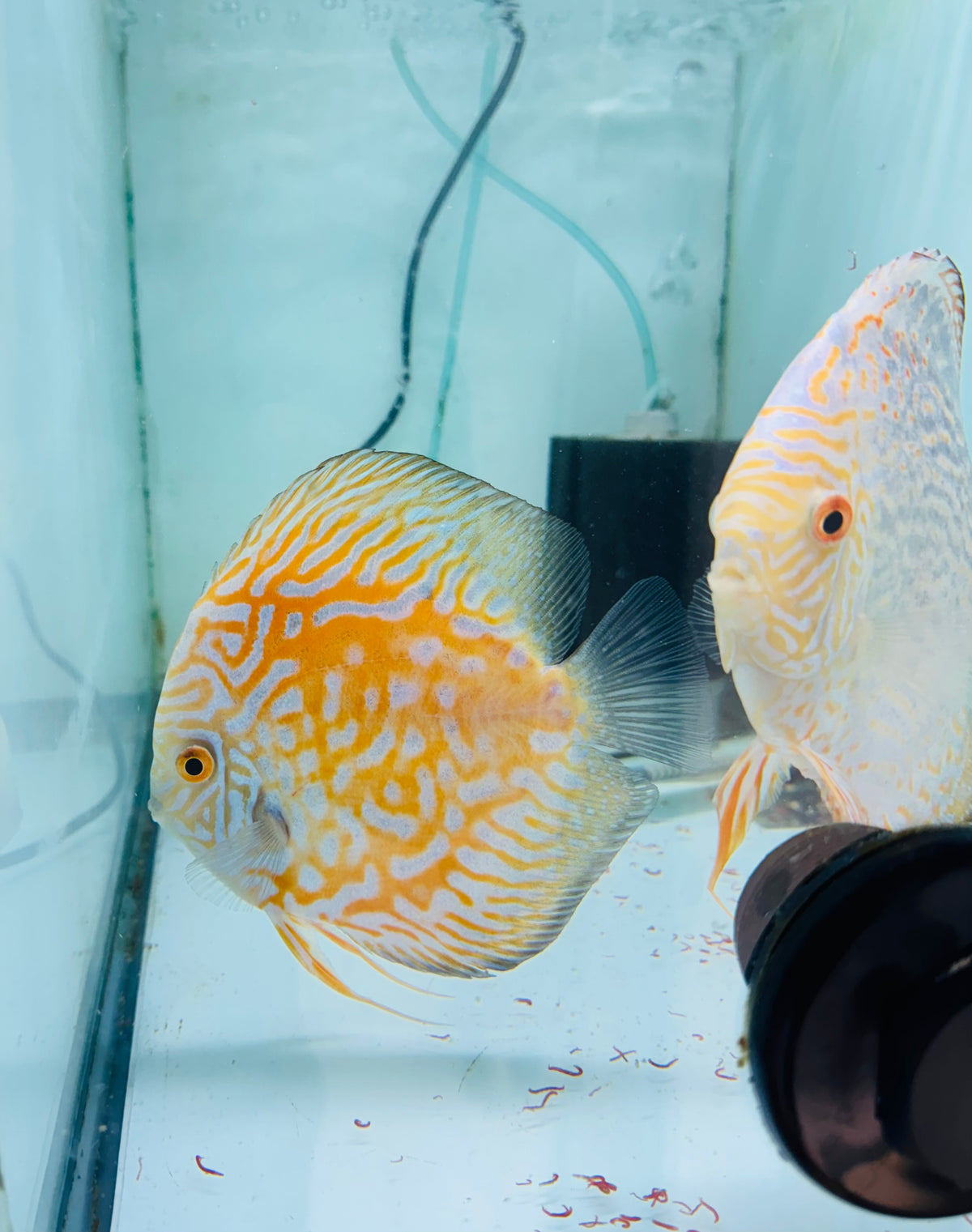
Discus fish should be close in size to avoid stress. A big size gap can cause the smaller fish to feel threatened.
Pairs with similar size swim and eat together, which helps bonding and breeding.
- Pick pairs within 0.5 inch size difference
- Check growth rates before pairing
- Watch for signs of bullying by larger fish
Age Considerations
Discus fish of the same age are more likely to form strong pairs. Age affects behavior and readiness to breed.
Older fish may be more dominant. Younger fish need time to mature before pairing.
- Choose fish that are at least 6 months old
- Pair fish born in the same batch if possible
- Avoid pairing very young with very old fish
Assessing Temperament
Choosing the right discus pairs starts with understanding their temperament. Each fish has a unique personality. Watching their behavior helps pick compatible mates.
Temperament affects how well discus fish live together. Calm pairs reduce stress and improve breeding success. Aggressive fish may cause injuries or fail to bond.
Identifying Aggression
Aggression shows in chasing, biting, or hiding. Some discus fish are naturally more dominant. Early signs help avoid pairing aggressive fish together.
- Watch for frequent chasing or nipping.
- Notice if one fish hides often or stays away.
- Look for flared fins or quick darting movements.
- Check if fish guard certain areas aggressively.
- Observe feeding times for fights over food.
Ensuring Compatibility
Compatible discus pairs swim calmly side by side. They share space without stress. Selecting pairs with similar energy levels is important.
| Behavior | Compatible Pair | Incompatible Pair |
| Swimming | Swim together calmly | Chase or avoid each other |
| Feeding | Eat side by side | Fight over food |
| Resting | Relax near each other | One hides or stays isolated |
| Territory | Share space peacefully | Defend separate areas aggressively |
Credit: myrtlebeachdiscus.com
Selecting By Color And Pattern
Choosing discus pairs by color and pattern is key to a beautiful aquarium. Their colors add life and style to your tank. Understanding how to pick the right colors helps create a striking display.
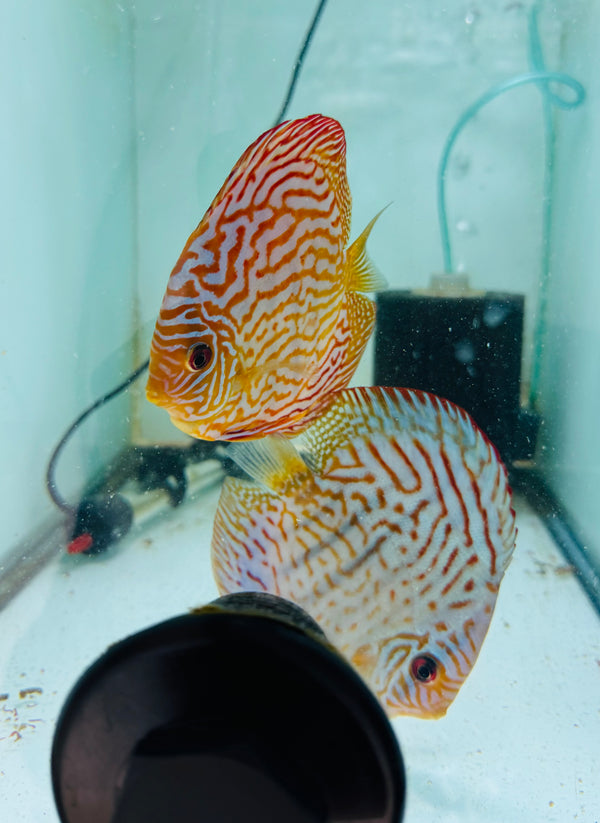
Patterns on discus fish vary widely. These patterns make each fish unique. Matching pairs with similar patterns can enhance their visual appeal.
Popular Color Variations
Discus fish come in many colors. Some popular colors include red, blue, and green. Each color has its own charm and fits different tank themes.
- Red discus add warmth and vibrance.
- Blue discus give a calm and cool look.
- Green discus blend well with plants.
- Yellow discus brighten dark corners.
- Brown discus look natural and earthy.
Enhancing Aesthetic Appeal
Select discus pairs with colors that complement each other. Look for patterns that match or contrast nicely. This balance can make your tank more attractive.
| Pattern Type | Description | Effect on Pairing |
| Solid | One color, no markings | Makes pairs look sleek and simple |
| Spotted | Small spots across the body | Adds texture and interest to pairs |
| Striped | Vertical or horizontal stripes | Creates a bold and dynamic look |
| Marbled | Swirled colors mixed | Gives a unique and artistic feel |
Setting Up The Breeding Tank
Setting up the right breeding tank helps discus pairs lay eggs successfully. It creates a safe and comfortable space for the fish.
This guide covers tank size, environment, and water parameters to prepare the tank well.
Tank Size And Environment
A proper tank size and environment reduce stress and encourage natural breeding behavior in discus pairs.
- Use a tank of at least 20 gallons for one pair.
- Keep the tank clean and free of strong currents.
- Add smooth surfaces for egg laying, such as slate or broad leaves.
- Include gentle plants for hiding but avoid overcrowding the tank.
- Maintain low lighting to mimic natural conditions.
Water Parameters
Stable and ideal water conditions improve discus health and breeding success.
| Parameter | Recommended Range |
|---|---|
| Temperature | 82°F to 86°F (28°C to 30°C) |
| pH Level | 6.0 to 6.5 |
| Water Hardness (dGH) | 1 to 4 |
| Ammonia & Nitrite | 0 ppm |
| Nitrate | Below 20 ppm |
Monitoring Pair Behavior
When introducing discus pairs to each other, monitoring their behavior is crucial for a successful pairing. Observe how they interact with each other, including body language and swimming patterns.
Signs Of Bonding
Look for these signs to determine if the discus pair is bonding:
- They swim together, often with the larger discus leading the way
- They display friendly behaviors, such as nuzzling or following each other
- They establish a pecking order, with one discus dominating the other
Intervening When Necessary
If you notice any aggressive behavior, such as fin nipping or chasing, intervene immediately. Separate the pair and reintroduce them slowly, allowing them to re-establish their bond.
Monitor their behavior closely and be prepared to separate them again if necessary. A healthy discus pair should exhibit calm and peaceful behavior towards each other.
Common Pairing Mistakes
Selecting discus pairs requires care and understanding. Many make errors in pairing, causing stress to the fish.
Knowing common mistakes helps in creating a healthy environment for discus fish.
Avoiding Incompatible Matches
Discus fish thrive when paired with compatible partners. Mismatched pairs lead to aggression and stress.
Choose fish with similar size and temperament. This helps in reducing conflicts.
- Avoid pairing young with old fish
- Do not mix different species
- Check for signs of aggression early
Managing Stress Factors
Stress affects discus health and pairing success. Manage tank conditions to keep stress low.
Stable water temperature and pH are crucial. Sudden changes cause stress to discus pairs.
- Maintain clean tank conditions
- Provide adequate hiding spaces
- Monitor water quality regularly
Frequently Asked Questions
How Do I Identify Compatible Discus Pairs?
Look for discus with similar size, age, and temperament. Healthy, active fish with good coloring make ideal pairs. Avoid aggressive or overly shy fish for better compatibility and breeding success.
What Is The Ideal Size For Discus Pairs?
Choose discus between 4 to 6 inches for pairing. This size ensures sexual maturity and readiness for breeding. Smaller fish may not breed successfully, while larger ones may be more aggressive.
How Can I Tell Male From Female Discus?
Males often have thicker lips and more pointed dorsal fins. Females tend to be rounder with smaller fins. Observing behavior during breeding can also help identify genders accurately.
What Tank Conditions Support Discus Pair Selection?
Maintain water temperature between 82°F to 86°F and pH 6. 0 to 7. 0. Provide clean, well-filtered water and ample hiding spots. Stable, stress-free environments encourage natural pairing behaviors.
Conclusion
Choosing the right discus pairs takes patience and care. Focus on size, color, and health to find good matches. Watch their behavior to ensure they get along well. Keep the tank clean and stable for happy fish. Healthy discus pairs grow strong and show bright colors.
Remember, simple steps lead to successful fish keeping. Enjoy the process and your vibrant aquarium will thrive.