Is your aquarium water looking cloudy or smelling off? That’s a clear sign toxins are building up, and they can harm your fish and plants.
You want a healthy, sparkling tank where your aquatic friends can thrive. But how do you remove those harmful substances without stressing your fish or spending hours on maintenance? You’ll discover simple, effective ways to clear your aquarium water and keep it toxin-free.
Keep reading to learn how to create a safe, clean environment your fish will love—and watch your tank come back to life.
Common Aquarium Toxins
Aquarium water can contain harmful toxins that affect fish and plants. These toxins come from many sources in the tank. Knowing these toxins helps keep your aquarium healthy.
Regular care and cleaning reduce toxin buildup. Understanding their effects can protect your aquatic life.
Sources Of Toxins
Toxins in aquarium water come from various places. Uneaten food and fish waste are common sources. Chemicals from decorations or water treatments can also add toxins. Poor water changes make toxins build up over time.
- Fish waste and uneaten food
- Decaying plants and algae
- Tap water containing chlorine or heavy metals
- Chemicals from aquarium decorations and plastics
- Overfeeding causing excess nutrients
- Medications and water treatments
Effects On Fish And Plants
Toxins harm both fish and plants in different ways. High ammonia causes fish gill damage. Nitrite affects oxygen use in fish blood. Nitrate can stunt plant growth and cause algae blooms. Chemicals may stress fish and kill plants.
| Toxin | Effect on Fish | Effect on Plants |
|---|---|---|
| Ammonia | Gill damage, lethargy | Leaf burn, poor growth |
| Nitrite | Reduced oxygen transport | Wilting, slowed growth |
| Nitrate | Stress, weakened immune system | Algae growth, root damage |
| Chlorine | Gill irritation, death | Plant leaf damage |
| Heavy metals | Poisoning, behavior changes | Root damage, poor growth |
Testing Water Quality
Testing your aquarium water helps keep fish healthy. It shows if toxins are present.
Regular tests guide you on cleaning and water changes needed for a safe tank.
Key Parameters To Monitor
Check these main water parameters to find toxins and maintain balance.
- Ammonia:Very toxic, from fish waste and decay.
- Nitrites:Harmful chemical made by bacteria.
- Nitrates:Less toxic but high levels stress fish.
- pH Level:Shows acidity; wrong pH harms fish.
- Hardness:Measures minerals; affects fish health.
Choosing The Right Test Kits
Select test kits that match your tank size and fish type. Easy kits help quick checks.
| Test Kit Type | Best For | Accuracy | Price Range |
|---|---|---|---|
| Liquid Test Kits | Detailed testing of multiple parameters | High | Moderate |
| Test Strips | Fast and simple tests | Moderate | Low |
| Digital Meters | Precise pH and hardness readings | Very High | High |
Regular Water Changes
Keeping aquarium water clean is vital for fish health. Regular water changes remove toxins and keep water fresh.
Changing water regularly helps control harmful chemicals like ammonia and nitrites. It also reduces algae growth.
Ideal Frequency And Volume
How often and how much water you change depends on your tank size and fish load. Small tanks need more frequent changes.
- Change 10-15% of water weekly for most aquariums
- Larger water changes may be needed for heavily stocked tanks
- Smaller, more frequent changes keep water stable
- Use a water testing kit to guide your schedule
Step-by-step Water Change Process
Follow these steps to safely change aquarium water and protect your fish.
- Turn off aquarium equipment like filters and heaters.
- Use a siphon or gravel vacuum to remove water and debris.
- Remove about 10-15% of the tank water.
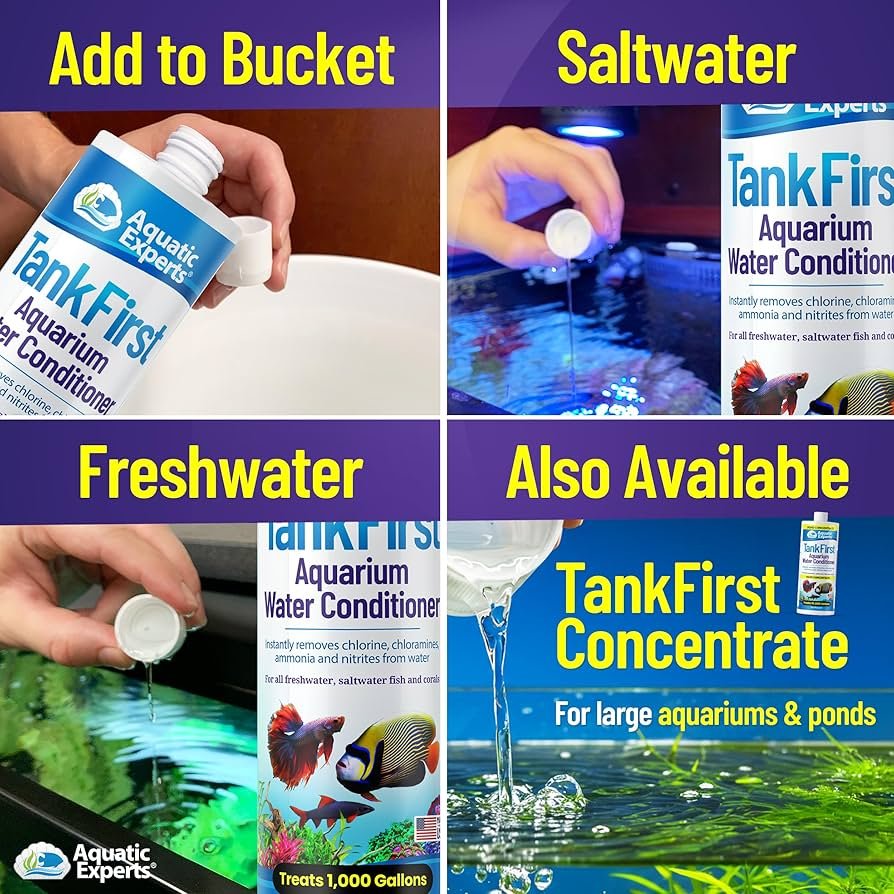
- Prepare replacement water by treating it with a water conditioner.
- Match new water temperature to the tank’s temperature.
- Slowly add the treated water back into the tank.
- Turn equipment back on and check that everything works.

Credit: www.amazon.com
Effective Filtration Methods
Keeping aquarium water clean is important for healthy fish. Toxins build up from waste and uneaten food. Using filtration helps remove these harmful substances.
There are three main filtration types. Each works differently to keep water clear and safe. Understanding these methods helps maintain a balanced aquarium.
Mechanical Filtration
Mechanical filtration traps particles like dirt and debris. It uses physical barriers such as sponges or filter pads. This stops waste from floating in the water.
- Removes visible waste
- Prevents clogging of other filters
- Keeps water clear
- Needs regular cleaning or replacement
Biological Filtration
Biological filtration uses good bacteria to break down toxins. These bacteria convert harmful ammonia into less dangerous substances. This process is vital for water safety.
| Filter Type | Function |
| Bio Balls | Provide surface for bacteria growth |
| Ceramic Rings | House beneficial bacteria |
| Sponge Filters | Combine mechanical and biological action |
Chemical Filtration
Chemical filtration removes dissolved impurities using special media. Activated carbon is common and absorbs odors and toxins. This method improves water clarity and quality.
Chemical filter media examples:
- Activated carbon
- Zeolite
- Resin pellets
Using Activated Carbon
Activated carbon is a common material used in aquariums to clean water. It works by trapping harmful substances and impurities. This helps keep fish and plants healthy.
This method is simple and effective. Many aquarium owners choose activated carbon to remove toxins from their water.
Benefits For Toxin Removal
Activated carbon removes many types of toxins and chemicals from aquarium water. It adsorbs impurities that can harm fish and plants. This keeps the water clear and safe.
- Removes chlorine and chloramine
- Eliminates odors and discoloration
- Adsorbs harmful chemicals like pesticides
- Reduces organic waste and toxins
- Improves overall water quality
Proper Placement And Maintenance
Place activated carbon where water flows well. This helps it trap toxins efficiently. Change it regularly to keep it working.
| Placement Location | Reason | Recommended Change Time |
| Filter cartridge | Good water flow and contact | Every 3-4 weeks |
| Canister filter | High volume water passes through | Every 3-4 weeks |
| Hang-on-back filter | Easy to replace and maintain | Every 2-3 weeks |
Adding Live Plants
Live plants are a natural way to remove toxins from aquarium water. They not only beautify the tank but also help maintain a healthy environment for fish.
By adding the right plants, you can reduce harmful substances and improve water quality. Let’s explore which plants to choose and how they work.
Types Of Plants That Help
Certain plants are more effective at absorbing toxins. They act like natural filters, keeping the water clean and safe for fish.
- Anubias: Hardy and easy to care for.
- Java Fern: Thrives in low light conditions.
- Water Sprite: Grows quickly and absorbs nitrates.
- Hornwort: Does not need to be planted in the substrate.
How Plants Absorb Toxins
Plants use their roots and leaves to absorb harmful substances. This process helps keep the water balanced and healthy.
Plants absorb toxins through a process called phytoremediation. This means they take in harmful chemicals and break them down.
- Roots absorb nitrates from the substrate.
- Leaves take in ammonia from the water.
- Overall plant growth helps reduce carbon dioxide levels.
Choosing the right plants can make a big difference in water quality. They naturally manage toxins and support a thriving aquatic life.
Avoiding Overfeeding
Keeping your aquarium water clean is important for fish health. Overfeeding is a common mistake that can lead to dirty water. It’s crucial to understand how to avoid feeding your fish too much.
Excess food in the tank can cause many problems. By managing your fish’s diet, you can help maintain a healthy aquarium environment.
Impact Of Excess Food
Extra food that fish do not eat sinks to the bottom. This food then rots and releases toxins into the water. These toxins can harm fish and plants.
Rotting food can also cause cloudy water and bad smells. It is important to control how much you feed your fish to avoid these issues.
- Fish health declines with poor water quality
- Algae growth increases with extra nutrients
- Filter systems can get clogged by waste
Feeding Tips For Cleaner Water
Feed your fish only what they can eat in a few minutes. This helps reduce leftover food in the water. It’s important to observe how much your fish actually eat.
Consider feeding your fish once or twice a day. This schedule helps manage their diet and keeps the tank cleaner. Use a timer or set reminders to avoid overfeeding.
| Feeding Schedule | Amount |
| Once a day | Enough for 2-3 minutes of eating |
| Twice a day | Half of the usual amount each time |

Credit: www.amazon.in
Maintaining Proper Stocking Levels
Keeping the right number of fish and plants in your aquarium helps remove toxins. It stops pollution and keeps water clean.
Proper stocking balances living creatures. It supports a healthy environment for all aquarium inhabitants.
Preventing Overcrowding
Too many fish in a tank cause stress and waste buildup. Overcrowding leads to poor water quality and sick fish.
- Know the maximum fish capacity of your tank.
- Choose fish species that fit well together.
- Avoid adding too many fish at once.
- Regularly check fish growth and tank size.
- Remove any sick or aggressive fish quickly.
Balancing Fish And Plants
Plants help absorb fish waste and toxins. Balancing fish and plants creates a natural filter for the water.
| Element | Role in Aquarium |
| Fish | Produce waste and nutrients |
| Plants | Absorb toxins and provide oxygen |
| Water | Medium for living and waste removal |
Using Water Conditioners
Keeping aquarium water clean is key to healthy fish. Water conditioners help remove harmful toxins from the water.
These products make the water safe by neutralizing chemicals that stress or harm fish.
Types Of Conditioners
Different water conditioners work in different ways. Some focus on removing chlorine, while others handle heavy metals or ammonia.
- Dechlorinators remove chlorine and chloramine from tap water.
- Ammonia neutralizers convert toxic ammonia into less harmful forms.
- Heavy metal removers bind metals like copper and lead.
- General detoxifiers reduce multiple toxins at once.
How They Neutralize Toxins
Water conditioners use chemicals that react with toxins. This changes toxins into harmless substances or removes them from water.
For example, dechlorinators break down chlorine into water and salt. Ammonia neutralizers turn ammonia into safe compounds.
- Binding agents attach to heavy metals, making them inactive.
- Detoxifiers absorb or chemically change several toxins.
- These actions keep fish safe and improve water quality.
Regular Tank Cleaning
Keeping your aquarium clean removes harmful toxins from the water. Regular cleaning helps fish stay healthy and active. It also keeps the tank clear and bright.
Cleaning involves taking care of the substrate, decorations, and avoiding practices that can harm the tank’s ecosystem. Each part needs special attention.
Cleaning Substrate And Decorations
Substrate and decorations collect waste and algae over time. Cleaning these parts keeps the tank environment safe for fish. Remove debris gently without removing beneficial bacteria.
- Use a gravel vacuum to clean the substrate without removing it.
- Rinse decorations with tank water, not tap water, to keep bacteria alive.
- Scrub algae off decorations using a soft brush.
- Do not use soap or chemicals on any tank surfaces.
- Clean decorations outside the tank if heavily covered in algae.
Avoiding Harmful Cleaning Practices
Some cleaning methods can harm your fish and plants. Avoid harsh chemicals and sudden water changes. Keep cleaning gentle and gradual.
| Harmful Practice | Why to Avoid | Better Alternative |
| Using soap or detergents | Leaves toxic residues | Use tank water for rinsing |
| Changing too much water at once | Stresses fish and removes helpful bacteria | Change 10-20% water weekly |
| Cleaning all filter media at once | Kills beneficial bacteria | Rinse filter media in tank water separately |
| Using hot water | Can harm beneficial bacteria and decorations | Use lukewarm or tank temperature water |

Credit: www.amazon.com
Frequently Asked Questions
How Often Should I Change Aquarium Water To Remove Toxins?
Regular water changes are essential. Change 10-20% weekly to reduce toxins and maintain water quality. This prevents harmful buildup and keeps fish healthy.
What Are The Best Methods To Detoxify Aquarium Water?
Use activated carbon filters, regular water changes, and live plants. These methods absorb toxins and improve water clarity naturally and effectively.
Can Beneficial Bacteria Help Remove Toxins In Aquariums?
Yes, beneficial bacteria break down harmful ammonia and nitrites. They convert toxins into less harmful substances, ensuring a safe environment for aquatic life.
Are Water Conditioners Effective In Removing Aquarium Toxins?
Water conditioners neutralize chlorine, chloramine, and heavy metals. They make tap water safe and reduce toxin levels, protecting fish from stress and illness.
Conclusion
Keeping aquarium water clean helps fish stay healthy and happy. Regular water changes remove harmful toxins and keep the tank fresh. Using filters and plants also helps keep water clear and safe. Test the water often to catch problems early.
Clean water means less stress for your fish. Simple steps make a big difference in aquarium care. Start today to enjoy a bright, lively aquarium tomorrow.