
Are you worried about the heavy metals lurking in your water? These harmful substances can affect your health and the taste of your water.
But don’t worry—removing heavy metals from your water is easier than you might think. You’ll discover simple and effective ways to make your water cleaner and safer for you and your family. Keep reading to learn how you can protect yourself and enjoy fresh, pure water every day.

Credit: www.veoliawatertechnologies.com
Sources Of Heavy Metals In Water
Heavy metals in water come from many sources. These metals can harm people and nature. Knowing where they come from helps us keep water safe.
Some heavy metals enter water naturally. Others come from human activities. Both types can cause pollution and health issues.
Common Heavy Metals Found In Water
Many heavy metals can be found in water. Some are more common and harmful than others. They include lead, mercury, arsenic, and cadmium.
- Lead:Often from old pipes and paint.
- Mercury:Comes from industrial waste and mining.
- Arsenic:Found in natural deposits and pesticides.
- Cadmium:Released by batteries and metal plating.
Industrial And Natural Contamination
Heavy metals enter water through natural and industrial sources. Natural sources include soil erosion and volcanic activity. Industrial sources are factories, mining, and waste disposal.
| Source | Example | Heavy Metals |
| Natural | Soil erosion | Arsenic, Lead |
| Natural | Volcanic activity | Mercury, Cadmium |
| Industrial | Mining | Lead, Mercury, Cadmium |
| Industrial | Factory waste | Arsenic, Lead |
| Industrial | Battery disposal | Cadmium |
Health Risks Of Heavy Metals
Heavy metals can cause serious health problems. They affect the brain, kidneys, and bones. Children and pregnant women are at higher risk.
- Lead can cause brain damage and learning problems.
- Mercury harms the nervous system and kidneys.
- Arsenic may cause cancer and skin issues.
- Cadmium can damage lungs and bones.

Credit: www.youtube.com
Testing Water For Heavy Metals
Testing your water for heavy metals is important for safety. It helps you know if your water is clean or contaminated.
There are different ways to test water. You can use home kits or send samples to labs. Understanding results is also key.
Home Testing Kits
Home testing kits offer a quick way to check for heavy metals. They are easy to use and give fast results.
- Collect water sample in a clean container
- Follow kit instructions carefully
- Use color charts to compare results
- Test common metals like lead, mercury, and arsenic
- Replace kits after expiration date
Professional Laboratory Analysis
Labs provide more accurate and detailed water tests. They use advanced tools to detect low metal levels.
| Test Type | Detection Level | Cost Range |
| Basic Metal Panel | High | $30 – $70 |
| Comprehensive Heavy Metal Test | Very High | $80 – $150 |
| Custom Metal Testing | Varies | Depends on metals |
Interpreting Test Results
Understanding your test results helps you take action. Results show metal levels and safe limits.
Here is a simple guide to reading test results:
- Compare metal levels to safe limits.
- Identify metals that exceed safe limits.
- Consider retesting to confirm results.
- Decide on treatment options if needed.
Filtration Techniques
Removing heavy metals from water is important for safe drinking. Filtration is one effective way to clean water. It uses different methods to reduce metals like lead, mercury, and arsenic.
Many filtration systems use special materials or membranes. These capture or remove heavy metals to make water safer. Below are common filtration techniques used for this purpose.
Activated Carbon Filters
Activated carbon filters trap heavy metals using a special porous carbon material. The carbon attracts and holds contaminants on its surface. This method improves taste and removes harmful metals.
- Activated carbon has a large surface area.
- It adsorbs metals like lead and mercury.
- Filters need regular replacement to stay effective.
- They work best with other filtration methods.
Reverse Osmosis Systems
Reverse osmosis (RO) uses a thin membrane to remove many contaminants. Water passes through the membrane, leaving heavy metals behind. This process produces very clean water.
| Advantage | Details |
| High Removal Rate | Removes up to 99% of heavy metals |
| Improves Taste | Reduces chlorine and other chemicals |
| Waste Water | Produces some wastewater during cleaning |
| Maintenance | Requires filter and membrane replacement |
Ion Exchange Filters
Ion exchange filters swap harmful metal ions with safer ions. This happens inside a resin bed that attracts metals like lead and cadmium. The clean water flows out after the exchange.
Benefits of Ion Exchange Filters:
- Effectively removes heavy metal ions
- Can soften water by removing calcium and magnesium
- Resins can be regenerated for reuse
- Works well with other filtration methods
Chemical Treatment Methods
Chemical treatment is a common way to remove heavy metals from water. It uses chemicals to change metals into forms that are easier to remove.
This process helps make water safer for drinking and other uses. It is used in many water treatment plants worldwide.
Coagulation And Flocculation
Coagulation adds chemicals to water that make tiny particles stick together. These particles include heavy metals and other dirt.
Flocculation gently mixes the water to form larger clumps called flocs. These flocs are easier to remove by settling or filtering.
- Common coagulants: aluminum sulfate, ferric chloride
- Flocculants help clumps grow bigger
- Works well for suspended solids and metals
Chemical Precipitation
Chemical precipitation changes dissolved heavy metals into solid particles. These solids can be filtered out of the water.
This method uses chemicals like lime or sulfides to form metal hydroxides or sulfides that settle down.
- Add chemicals to water to form solids
- Solids settle at the bottom of tanks
- Remove solids by filtration or sedimentation
Use Of Chelating Agents
Chelating agents bind to heavy metals and form stable compounds. These compounds stay dissolved or can be removed easily.
This process helps to capture metals like lead, mercury, and cadmium from water.
- Common chelators: EDTA, DTPA
- Bind metals to reduce toxicity
- Used in water and wastewater treatment
Natural And Alternative Solutions
Heavy metals in water can harm health and the environment. Many natural ways help remove these metals safely.
These solutions use plants, microbes, and simple home methods. They are eco-friendly and often low-cost.
Phytoremediation With Aquatic Plants
Aquatic plants can absorb and store heavy metals from water. This process is called phytoremediation.
Plants like water hyacinth and duckweed grow fast and trap metals in their tissues. After growth, remove the plants to clear the metals.
- Water hyacinth absorbs lead, mercury, and cadmium
- Duckweed grows quickly and collects toxins
- Cattails help clean zinc and copper
- Regular removal of plants prevents metal release back to water
Biosorption Using Microorganisms
Certain bacteria and fungi can bind heavy metals to their cells. This process is called biosorption.
These microorganisms trap metals like arsenic, chromium, and lead. They work well in natural water treatment systems.
- Fungi like Aspergillus bind metals on their surface
- Bacteria such as Bacillus capture heavy metals effectively
- Microbial biomass can be used in filters
- Biosorption works without adding chemicals
Home Remedies And Diy Methods
Simple home methods can reduce heavy metals in small water supplies. They are easy to try and use common materials.
Using activated charcoal, boiling water, or adding certain natural powders helps lower metal levels.
- Activated charcoal traps heavy metals and impurities
- Boiling water kills bacteria but does not remove metals
- Adding crushed egg shells can help reduce lead
- Using clay filters can absorb some metals
- Regular water testing ensures safety
Maintenance And Prevention
Removing heavy metals from water is important for health. Regular maintenance helps keep water clean and safe.
Preventing heavy metal exposure requires careful steps. Learn how to maintain water systems effectively.
Regular Water Testing
Testing water regularly checks for heavy metals. It ensures water quality remains safe for use.
- Use certified testing kits
- Test water every six months
- Check for lead, mercury, and arsenic
Proper Filter Replacement
Filters remove contaminants from water. Replacing them on time is crucial for effectiveness.
Replace filters every three to six months. Follow manufacturer guidelines for each filter type.
Avoiding Heavy Metal Exposure
Avoiding exposure to heavy metals reduces health risks. Take preventive measures to protect your water supply.
| Method | Description |
| Use Water Softeners | Reduces metal content in hard water |
| Seal Old Pipes | Prevents metals from leaching |
| Avoid Industrial Areas | Reduces contamination risk |
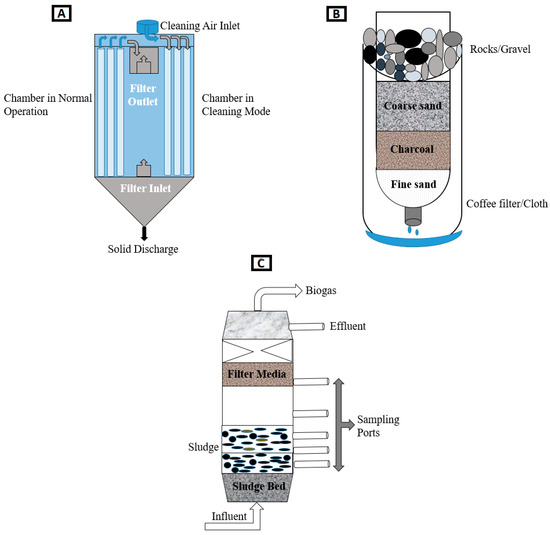
Credit: www.mdpi.com
Frequently Asked Questions
What Are The Common Heavy Metals Found In Water?
Common heavy metals in water include lead, mercury, arsenic, cadmium, and chromium. These metals can enter water through industrial waste, plumbing, and natural deposits. They pose serious health risks even at low concentrations, making their removal essential for safe drinking water.
How Can I Test Water For Heavy Metals?
You can test water for heavy metals using home test kits or by sending samples to certified laboratories. Laboratory tests are more accurate and detect multiple metals. Regular testing ensures early detection and helps in choosing the right removal method for contaminated water.
Which Methods Effectively Remove Heavy Metals From Water?
Effective methods include activated carbon filtration, reverse osmosis, ion exchange, and chemical precipitation. Each method targets specific metals and contamination levels. Combining methods can improve removal efficiency, ensuring safer and cleaner water for consumption.
Is Reverse Osmosis Safe For Heavy Metal Removal?
Yes, reverse osmosis is highly effective and safe for removing heavy metals. It filters out contaminants by forcing water through a semipermeable membrane. This process removes up to 99% of heavy metals, providing clean and safe drinking water.
Conclusion
Removing heavy metals from water protects your health and environment. Simple methods like filtration and chemical treatments work well. Regular testing keeps water safe and clean. Choose the right solution based on your water type and budget. Clean water means better life for everyone.
Start taking steps today to ensure pure water at home. Safe water is always worth the effort.