
Are you worried about chloramine in your water and how it might affect your health or home? Removing chloramine safely is easier than you think, but you need to know the right steps to take.
If you get it wrong, you could end up with water that still contains harmful chemicals or waste time and money on ineffective methods. You’ll discover clear, simple ways to get rid of chloramine without any guesswork. Keep reading to protect your water and ensure it’s clean and safe for you and your family.
Credit: www.lemon8-app.com
Chloramine Basics
Chloramine is a chemical used to treat drinking water. It helps keep water clean and safe from germs.
Understanding chloramine is important for removing it safely from water.
What Is Chloramine?
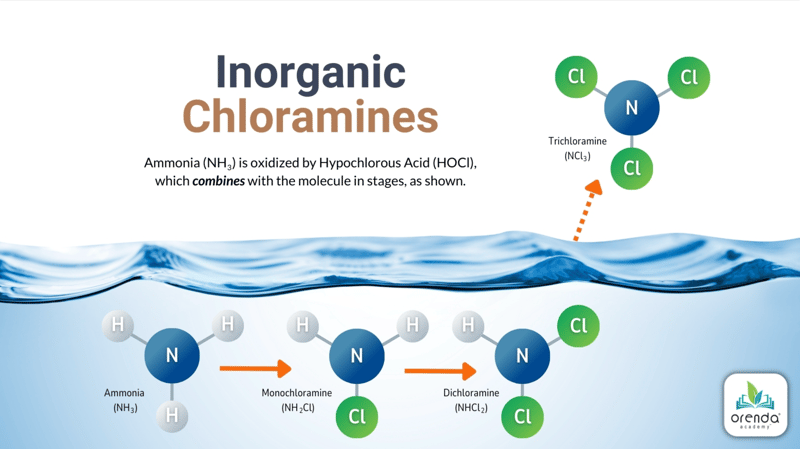
Chloramine is a compound made by mixing chlorine and ammonia. It is used to disinfect water.
It lasts longer in water than chlorine alone, keeping water clean for a longer time.
Why Chloramine Is Used In Water
Water plants use chloramine because it stays active in pipes longer than chlorine. It stops germs from growing.
Chloramine also causes fewer bad smells and tastes in water compared to chlorine.
- Keeps water safe for longer times
- Reduces strong chemical smells
- Protects water in long pipes
Health Effects Of Chloramine
Chloramine is safe for most people at low levels in water. But some people may have mild reactions.
It can cause skin or eye irritation in sensitive people. It may also affect fish and pets if water is not treated right.
- Usually safe to drink
- Can irritate skin and eyes
- Needs removal for fish tanks

Credit: www.amazon.com
Detecting Chloramine In Water
Chloramine is a chemical used to disinfect water. It can affect taste and safety.
Knowing how to detect chloramine helps keep your water clean and safe.
Testing Methods
You can test water for chloramine using different methods. Some are simple and fast.
- Use test strips made for chloramine detection
- Try liquid test kits with color changes
- Hire professionals for lab water analysis
- Use digital meters designed for chloramine
Test strips and kits show results quickly at home. Lab tests give exact numbers.
Signs Of Chloramine Presence
| Sign | Description |
| Water Smell | Chlorine-like or chemical odor |
| Water Taste | Bitter or metallic flavor |
| Skin Effects | Dryness or irritation after washing |
| Soap Behavior | Soap may not lather well |
If you notice these signs, test your water for chloramine soon.
Chemical Removal Methods
Chloramine is a chemical used to disinfect water. Removing it safely is important for health and water quality. Several chemical methods help remove chloramine effectively.
This guide covers three main ways to remove chloramine: activated carbon filters, vitamin C treatment, and chemical neutralizers.
Using Activated Carbon Filters
Activated carbon filters can reduce chloramine in water. They work by trapping the chemicals as water passes through. This method is common in water purification systems.
- Choose a filter rated for chloramine removal
- Replace the filter regularly to keep it effective
- Use for drinking water or aquarium water treatment
Applying Vitamin C Treatment
Vitamin C neutralizes chloramine quickly and safely. It is a good option for small water volumes, such as in fish tanks or shower filters.
| Type of Vitamin C | Effectiveness | Usage |
| Ascorbic Acid | High | Dissolve in water to treat chloramine |
| Sodium Ascorbate | High | Safe for aquatic life and used in tanks |
Chemical Neutralizers
Chemical neutralizers break down chloramine into harmless substances. They are often used in large water systems or pools to maintain safe water quality.
- Check product labels to ensure chloramine removal
- Follow instructions for correct dosage
- Allow time for chemicals to fully react before use
Physical Removal Techniques
Chloramine is a common disinfectant in tap water. Removing it safely is important for health and taste. Physical methods can reduce chloramine without chemicals.
This guide covers two effective physical removal techniques: boiling and aeration, and reverse osmosis systems.
Boiling And Aeration
Boiling water can reduce chloramine by releasing it as gas. Aeration adds air to water to help chloramine escape.
- Boiling:Boil water for 20 minutes to break down chloramine.
- Aeration:Use an air pump or pour water between containers to add oxygen.
- Combined method:Aerate water before boiling for faster removal.
Boiling alone takes longer to remove chloramine than chlorine. Aeration speeds up the process by helping gas escape.
Reverse Osmosis Systems
Reverse osmosis (RO) systems use a fine filter to remove chloramine and other impurities from water. This system pushes water through a membrane to separate contaminants.
| Feature | Description | Benefit |
| Membrane Filter | Removes chloramine and particles | Provides clean, safe drinking water |
| Pre-filters | Protect membrane from damage | Increases system lifespan |
| Water Pressure | Pushes water through the membrane | Ensures effective filtration |
| Storage Tank | Stores filtered water | Provides water on demand |
RO systems require maintenance but offer a reliable way to remove chloramine physically. They work well for homes needing pure water.
Choosing The Right Method
Removing chloramine from water requires careful choice of method. Each way has benefits and limits. Knowing what to expect helps you pick the best solution.
Consider your water use and the tools you have. This guide covers key points to help you decide safely and effectively.
Factors To Consider
Chloramine removal methods vary in how they work and what they cost. Think about your water needs, space, and how much effort you want to spend on upkeep.
- Water volume to treat
- Type of chloramine present
- Space available for installation
- Ease of use and maintenance
- Effectiveness of the method
Cost And Maintenance
Different methods require different budgets and upkeep. Some are cheap but need regular work. Others cost more but last longer with less care.
| Method | Initial Cost | Maintenance Level | Replacement Frequency |
| Activated Carbon Filters | Moderate | High | Every 3-6 months |
| Chemical Neutralizers | Low | Moderate | Depends on usage |
| Reverse Osmosis Systems | High | Low | Every 1-2 years |
Safe Handling And Precautions
Chloramine is used to disinfect water, but it can be hazardous. Handling it safely is important to avoid health risks.
Taking the right precautions helps prevent accidents. Understanding safety measures is key to handling chloramine safely.
Avoiding Contamination
Preventing contamination is vital when dealing with chloramine. Use protective gear to ensure safety.
Always wear gloves and masks. Ensure the area is well-ventilated to avoid inhaling fumes.
- Use goggles to protect your eyes
- Wear long sleeves and pants
- Keep food and drinks away from the area
Proper Disposal Of Chemicals
Disposing of chemicals like chloramine must be done carefully. Do not pour them down the drain.
Check local regulations for chemical disposal. Use designated facilities for safe disposal.
- Contact local waste management for guidance
- Label containers clearly before disposal
- Never mix chemicals when disposing
Maintaining Pure Water
Maintaining pure water is essential for health. Removing chloramine is a key step in this process.
Chloramine is used to disinfect water but can cause issues. Let’s explore how to remove it safely.
Regular Testing
Test your water regularly to check for chloramine. This keeps your water safe and clean.
Testing kits are available in stores or online. Follow instructions to get accurate results.
- Use a certified testing kit
- Test monthly for safety
- Record results for future reference
System Upkeep Tips
Keep your water system in good condition. Regular maintenance helps remove chloramine effectively.
Check filters and replace them when needed. Clean your system to prevent buildup.
- Inspect filters every three months
- Replace filters as recommended
- Clean pipes to avoid clogs
Credit: blog.chloramineconsulting.com
Frequently Asked Questions
What Is The Safest Way To Remove Chloramine?
The safest way to remove chloramine is by using activated carbon filters. These filters effectively reduce chloramine without harmful chemicals. Aeration and chemical neutralizers like potassium metabisulfite are also safe options for water treatment.
How Does Activated Carbon Remove Chloramine?
Activated carbon removes chloramine by adsorption, trapping chloramine molecules on its surface. This process breaks down chloramine, improving water taste and safety. It is widely used in water filters for home and industrial applications.
Can Boiling Water Remove Chloramine Safely?
Boiling water is not effective for removing chloramine. Chloramine is more stable than chlorine and requires longer exposure or specialized treatment. Using activated carbon filtration or chemical neutralizers is preferred over boiling.
How Long Does It Take To Remove Chloramine Naturally?
Natural removal of chloramine through aeration can take several hours to days. Chloramine is more stable than chlorine, so it dissipates slowly. Using water treatment systems speeds up the removal process.
Conclusion
Removing chloramine safely protects your water quality and health. Choose the right method for your needs, such as filtration or chemical treatment. Test your water regularly to ensure chloramine levels stay low. Simple steps can make a big difference in water safety.
Stay informed and act carefully to keep your water clean. Clean water means better health for you and your family. Trust the process and keep your water free of harmful chemicals.