
If you want your fish to stay healthy and happy, you need to pay close attention to the water in your aquarium. One common problem you might not be aware of is chloramine—an additive in tap water that can harm your aquatic pets.
But don’t worry, removing chloramine from your aquarium water is easier than you think. You’ll discover simple, effective ways to protect your fish and keep your tank’s water safe and clean. Keep reading, and you’ll learn exactly what steps to take to give your aquarium the care it deserves.

Credit: www.amazon.com
What Is Chloramine
Chloramine is a chemical used to disinfect drinking water. It keeps the water safe by killing bacteria and germs.
This chemical is made by combining chlorine and ammonia. Many city water supplies use chloramine instead of chlorine.
Why Chloramine Is Used In Tap Water
Chloramine lasts longer in water than chlorine. It helps keep water clean during long travel through pipes.
It also produces fewer harmful by-products than chlorine, making it a safer choice for water treatment plants.
How Chloramine Affects Aquarium Fish
Chloramine is toxic to fish and other aquatic life. It can harm their skin, gills, and internal organs.
Even small amounts of chloramine in aquarium water can cause stress and illness in fish.
Chemical Composition Of Chloramine
| Chemical | Formula | Description |
| Chlorine | Cl2 | A strong disinfectant |
| Ammonia | NH3 | A colorless gas |
| Chloramine | NH2Cl | A compound of chlorine and ammonia |
Types Of Chloramine In Water
- Monochloramine (NH2Cl) – the most common type
- Dichloramine (NHCl2) – less stable and less common
- Trichloramine (NCl3) – can cause odor and taste issues
Why Chloramine Is Harmful
Chloramine is a chemical used to treat tap water. It keeps water safe to drink by killing germs.
But chloramine can harm fish and other aquarium animals. It stays longer in water than chlorine.
Toxic To Fish And Invertebrates
Chloramine damages fish gills and skin. It stops fish from breathing properly. Invertebrates like shrimp are very sensitive to it.
Even small amounts can make fish sick or cause death. It harms their immune system and causes stress.
Does Not Evaporate Easily
Chloramine lasts longer in water than chlorine. It does not leave the tank on its own. This means it stays toxic for days.
Simple water changes do not remove chloramine. Special treatments are needed to neutralize it safely.
Releases Harmful Ammonia
When chloramine breaks down, it releases ammonia. Ammonia is very harmful to fish. It can cause poisoning and damage their organs.
Ammonia levels can rise quickly and kill fish if not treated. This makes chloramine dangerous in aquariums.
Affects Beneficial Bacteria
Chloramine harms good bacteria in the aquarium filter. These bacteria help break down waste and keep water clean.
Without these bacteria, toxins build up fast. This creates an unhealthy environment for fish and plants.
Testing Aquarium Water For Chloramine
Chloramine is a chemical used to disinfect tap water. It can harm fish and plants in your aquarium. Testing your aquarium water helps keep your fish safe.
Regular testing will show if chloramine is present. Knowing this helps you decide how to treat the water. Here are key steps to test for chloramine.
Use A Chloramine Test Kit
Buy a test kit made for chloramine detection. These kits are easy to use at home. Follow the instructions carefully for accurate results.
Collecting The Water Sample
Use a clean container to collect water. Take the sample from the aquarium or tap water source. Avoid touching the inside of the container.
Performing The Test
- Fill the test vial with the water sample.
- Add the test solution as instructed.
- Shake or mix the vial gently.
- Wait the time specified by the test kit.
- Compare the water color to the chart provided.
Interpreting Test Results
| Color Result | Chloramine Level | Action Needed |
| Clear | None | No treatment needed |
| Light Yellow | Low | Partial treatment recommended |
| Dark Yellow | High | Full treatment required |
Testing Frequency
Test your water before every water change. Also test when you use a new water source. Frequent checks keep your aquarium safe.
Credit: www.aquaneo2u.com
Using Water Conditioners
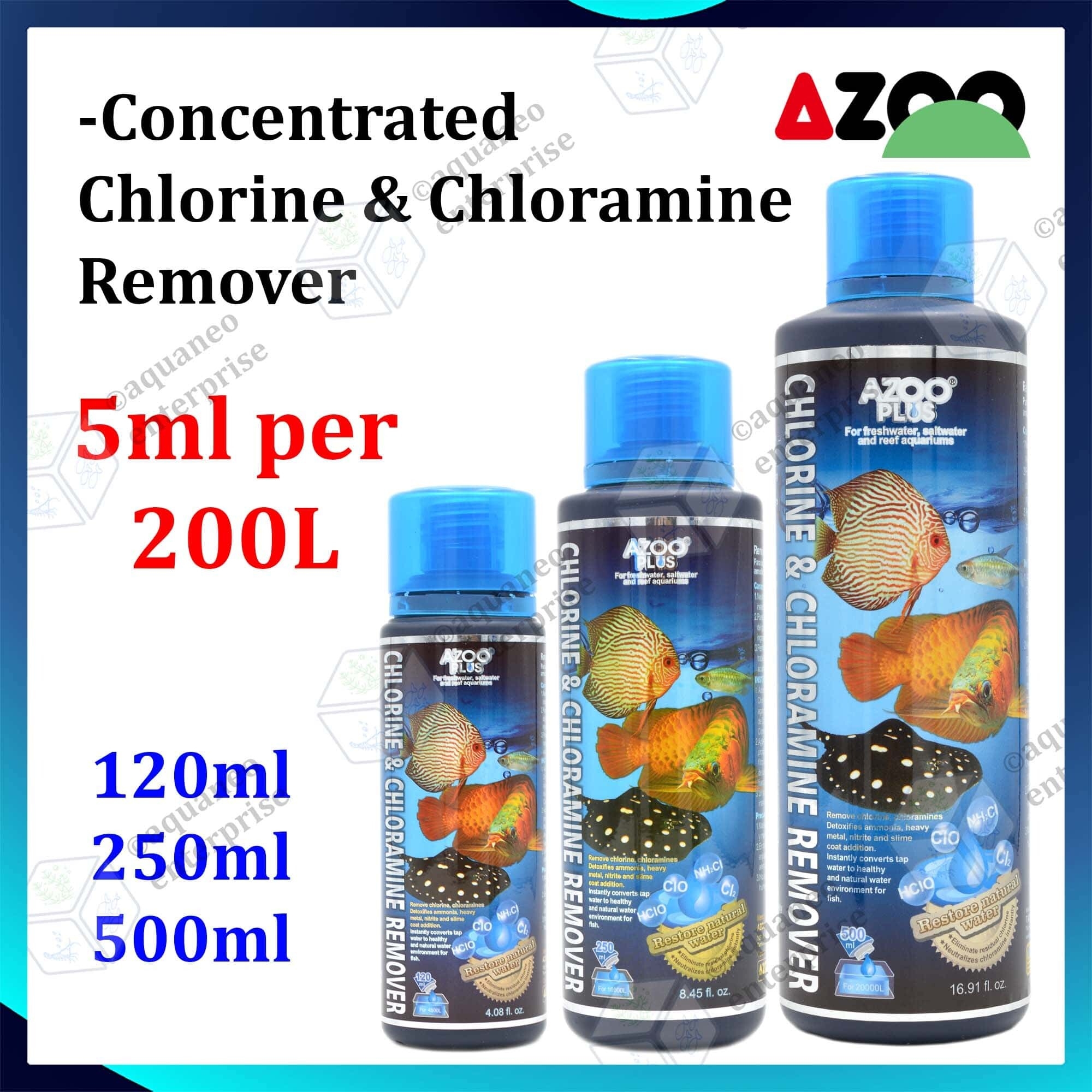
Chloramine is a chemical added to tap water to kill bacteria. It can harm fish and plants in your aquarium. Using water conditioners helps remove chloramine safely.
Water conditioners make the water safe by neutralizing chloramine. They protect fish from damage and keep the tank healthy.
Types Of Conditioners
There are several types of water conditioners to remove chloramine. Each works in a different way to protect your aquarium.
- Chlorine Neutralizers:These break down chlorine and chloramine into harmless parts.
- Ammonia Removers:Some conditioners remove ammonia, which forms after chloramine breaks down.
- Dechlorinators:They make water safe instantly by neutralizing chemicals.
- Multi-Action Conditioners:These combine chlorine and ammonia removal in one product.
How To Use Conditioners Effectively
Use water conditioners carefully to keep your fish safe. Follow the instructions on the label for the best results.
Always add conditioner before putting tap water in the aquarium. This stops chloramine from harming the fish right away.
- Measure the right amount of conditioner based on water volume.
- Add conditioner to tap water before adding it to the tank.
- Mix the conditioned water well before use.
- Repeat treatment during water changes to keep water safe.
Activated Carbon Filtration
Chloramine is a chemical added to tap water to kill germs. It can harm fish in aquariums. Removing chloramine is important to keep fish safe.
Activated carbon filtration is a common way to clean aquarium water. It helps remove chemicals like chloramine and improves water quality.
How Activated Carbon Works
Activated carbon has many tiny holes that trap chemicals. Water passes through the carbon, and chloramine sticks to it. This stops chloramine from reaching the fish.
The carbon also removes odors and colors from the water. It helps keep the aquarium clean and safe for fish.
Choosing The Right Carbon Filter
Pick a carbon filter that fits your aquarium size. Larger tanks need more carbon to work well. Check the filter’s flow rate to match your tank.
Look for high-quality activated carbon. Some carbon removes chloramine better than others. Change the carbon regularly to keep it effective.
- Check filter size for your aquarium
- Choose carbon made for chloramine removal
- Replace carbon every 3 to 4 weeks
- Use carbon in the filter for best results
Using Catalytic Carbon Media
Catalytic carbon media is an effective way to remove chloramine from aquarium water. It works by breaking down chloramine into harmless components, ensuring a safe environment for your fish.
This method is popular among aquarium enthusiasts due to its efficiency and reliability. Let’s explore how you can use catalytic carbon media in your tank.
Understanding Catalytic Carbon Media
Catalytic carbon media is a type of activated carbon specifically designed to remove chloramine. It has a high surface area, allowing it to absorb impurities effectively.
- It is more effective than regular activated carbon.
- It can handle large volumes of water.
- It lasts longer due to its enhanced properties.
Installing Catalytic Carbon In Your Aquarium
Proper installation is crucial for the catalytic carbon to work effectively. You need to place it in your aquarium’s filtration system.
- First, rinse the media to remove dust.
- Place it in a media bag or filter chamber.
- Ensure water flows through it for maximum contact.
Monitoring And Maintenance
Regular monitoring and maintenance are essential to ensure the media remains effective. Check the chloramine levels in your aquarium water periodically.
Employing Reverse Osmosis Systems
Reverse osmosis systems help remove chloramine from aquarium water. They provide a simple and effective solution for cleaner water.
These systems use a special membrane to filter out impurities. They are ideal for maintaining a healthy environment for your fish.
Understanding Reverse Osmosis
Reverse osmosis works by pushing water through a semi-permeable membrane. This process removes unwanted substances, including chloramine.
The membrane traps impurities, letting only clean water pass through. This method is effective in providing pure water for aquariums.
Benefits Of Using Reverse Osmosis
Using reverse osmosis systems offers several benefits. They help maintain stable water conditions for your aquarium.
- Removes chloramine effectively
- Improves water quality
- Prevents harmful chemical buildup
Installation And Maintenance
Installing a reverse osmosis system is straightforward. Follow the instructions provided by the manufacturer for setup.
Regular maintenance is essential for optimal performance. Replace the membrane and filters as recommended.
Cost Considerations
Reverse osmosis systems can vary in price. Consider your budget and the size of your aquarium when choosing a system.
- Initial cost for system purchase
- Ongoing filter replacement costs
- Potential savings in reduced fish illness
Regular Water Changes
Regular water changes help remove chloramine from aquarium water. Chloramine is a chemical added to tap water. It is harmful to fish and plants. Changing water often keeps the tank safe.
Water changes dilute chloramine and other toxins. This improves water quality and fish health. Knowing how often and how much water to change is important.
Frequency And Volume
Changing water too little lets chloramine build up. Changing too much can stress fish. Find a good balance for your aquarium size and fish type.
- Change 10-20% of water weekly for most tanks.
- For heavily stocked tanks, change 25-30% weekly.
- Smaller tanks may need more frequent changes.
- Test water regularly to check chloramine levels.
- Adjust change frequency based on test results.
Best Practices
| Practice | Details |
|---|---|
| Use a water conditioner | Add a product that removes chloramine before adding water. |
| Match water temperature | Adjust new water to tank temperature to avoid shock. |
| Clean gravel during changes | Use a siphon to remove debris while changing water. |
| Monitor fish behavior | Watch fish for stress signs after water changes. |
| Keep a water change schedule | Set reminders to keep changes regular and timely. |
Additional Tips To Keep Water Safe
Removing chloramine from aquarium water is important for fish health. Keeping water safe helps fish live longer and stay active.
Here are extra tips to keep your aquarium water clean and safe after treating it for chloramine.
Use Activated Carbon Filters
Activated carbon helps remove chemicals like chloramine from water. It traps harmful substances and keeps water clear.
Place the carbon filter in your aquarium filter system. Change it regularly to keep it effective.
Test Water Regularly
Test your aquarium water often to check for harmful chemicals. This helps catch problems early.
- Use test kits designed for chloramine
- Check pH and ammonia levels
- Test water after every change
Perform Partial Water Changes
Changing part of the aquarium water reduces toxins and keeps fish healthy. Do this regularly to keep water fresh.
Replace about 10-20% of water weekly. Use dechlorinated water to avoid adding chloramine back.
Use Water Conditioners Safely
Water conditioners remove chloramine and neutralize harmful chemicals. Follow instructions carefully to avoid overdose.
Choose conditioners that remove both chlorine and chloramine for best results.
Avoid Overfeeding Your Fish
Too much fish food pollutes water and harms fish. Feed small amounts that fish can eat quickly.
- Feed fish 2-3 times daily
- Remove uneaten food after 5 minutes
- Use high-quality fish food

Credit: www.amazon.com
Frequently Asked Questions
What Is Chloramine In Aquarium Water?
Chloramine is a chemical disinfectant used in tap water. It combines chlorine and ammonia to kill bacteria. It is harmful to fish and must be removed before adding water to the aquarium.
How Can I Test For Chloramine In Water?
Use a water test kit designed to detect chloramine. These kits are available at pet stores and online. Testing ensures safe water conditions for your fish and helps decide treatment methods.
What Are Effective Methods To Remove Chloramine?
Use water conditioners that neutralize chloramine instantly. Activated carbon filters also remove chloramine effectively. Aeration and water changes can help but are less efficient than chemical treatments.
Can Boiling Water Remove Chloramine From Aquarium Water?
Boiling water is not effective for removing chloramine. Chloramine is more stable than chlorine and does not evaporate easily. Use chemical neutralizers or filtration for best results.
Conclusion
Removing chloramine from aquarium water keeps fish safe and healthy. Use water conditioners or activated carbon filters to treat your water. Regular testing helps catch problems early. Clean water means happier fish and clearer tanks. Simple steps protect your aquatic pets every day.
Keep your routine consistent for best results. Clean water is the key to a thriving aquarium.