
If you have a species-specific tank, you know that keeping your aquatic pets healthy means more than just feeding them and changing the water. Using the right water conditioner can make all the difference in creating the perfect environment for your fish.
But with so many products and methods out there, how do you know what works best for your tank? You’ll learn exactly how to use water conditioners properly to protect your fish and keep their habitat safe and thriving. Stick with me, and you’ll discover simple tips that can save your tank and give your fish the care they deserve.

Credit: jungleaquatics.com
Choosing The Right Water Conditioner
Water conditioners help keep fish tanks safe and healthy. They remove harmful chemicals from tap water before adding fish.
Choosing the right conditioner depends on the fish species and tank needs. This guide will help you pick the best one.
Types Of Water Conditioners
There are several types of water conditioners. Each type works differently to make water safe for fish.
- Dechlorinators: Remove chlorine and chloramine from tap water.
- Heavy Metal Removers: Bind and remove metals like copper and lead.
- Ammonia Detoxifiers: Neutralize harmful ammonia in the water.
- Bacterial Additives: Add good bacteria to help break down waste.
Factors Based On Fish Species
Different fish species have different water needs. Some need soft water, others prefer hard water.
Choose a conditioner that suits your fish’s sensitivity. Tropical fish may need conditioners with extra care.
- Freshwater fish often need basic dechlorination.
- Saltwater fish may require conditioners that balance minerals.
- Delicate species need conditioners free of harsh chemicals.
- Live plants need conditioners that do not harm growth.
Chemical Composition And Safety
Check the chemical ingredients in your water conditioner. Safe products remove toxins without harming fish.
Avoid conditioners with harmful additives like ammonia or heavy metals. Look for those tested for aquarium use.
- Sodium thiosulfate is common to remove chlorine safely.
- EDTA helps bind heavy metals for removal.
- Some conditioners add vitamins to reduce fish stress.
- Read labels to ensure fish and plant safety.
Preparing Water For Different Species
Water conditioners are essential for creating a safe habitat for aquatic species. Each species needs specific water conditions to thrive.
Understanding how to prepare water for different species helps maintain their health and reduces stress in the tank.
Freshwater Vs Saltwater Needs
Freshwater and saltwater tanks require different treatments. Freshwater species need water free from chlorine and chloramine. Saltwater species need properly mixed salt and minerals.
- Use dechlorinators for freshwater tanks.
- Mix marine salt with purified water for saltwater tanks.
- Test salinity levels regularly in saltwater tanks.
- Adjust water changes based on species requirements.
Adjusting Ph And Hardness
| Species Type | Ideal pH Range | Hardness (dGH) |
| Softwater Fish | 6.0 – 7.0 | 1 – 5 |
| Hardwater Fish | 7.0 – 8.5 | 8 – 20 |
| Marine Fish | 8.0 – 8.4 | 8 – 12 |
Adjusting pH and hardness helps mimic natural habitats. Use buffers or additives designed for your tank’s species.
Temperature Considerations
Each species thrives within a specific temperature range. Keep the tank temperature stable to avoid stress.
- Tropical freshwater fish: 74°F to 80°F (23°C to 27°C)
- Coldwater freshwater fish: 60°F to 72°F (15°C to 22°C)
- Saltwater fish: 75°F to 82°F (24°C to 28°C)
Application Techniques For Water Conditioners
Using water conditioners correctly helps keep species-specific tanks healthy. Proper application protects fish from harmful chemicals and improves water quality.
Different species need different care, so following the right steps for water conditioners is important. This guide covers dosage, timing, and mixing tips.
Dosage Guidelines
Always measure water conditioner dosage according to the tank size and species needs. Too much or too little can harm your aquatic life.
| Tank Size (Gallons) | Recommended Dosage (ml) | Notes |
| 10 | 5 | Small tanks need precise measurement |
| 20 | 10 | Double dosage for medium tanks |
| 50 | 25 | Large tanks require careful dosing |
| 100 | 50 | Adjust based on species sensitivity |
Timing And Frequency
Apply water conditioners at key times to keep the tank safe. Most treatments happen during water changes or after adding new fish.
- Use conditioner before adding new water to the tank.
- Treat water immediately after filling the tank.
- Apply conditioner when introducing new fish or plants.
- Use conditioner during regular water changes, usually weekly.
- Avoid overdosing by following the product’s frequency instructions.
Mixing And Dispersion Tips
Mix water conditioners well before adding them to the tank. Proper dispersion helps the conditioner work evenly throughout the water.
- Shake the conditioner bottle well before use.
- Pour conditioner slowly into the tank water.
- Use a cup or container to pre-mix conditioner with water if needed.
- Stir the tank water gently after adding conditioner to spread it evenly.
- Avoid adding conditioner directly on fish or plants.
Credit: clixfueling.com
Common Mistakes To Avoid
Using water conditioners correctly helps keep your fish healthy. Many tank owners make simple errors that harm their aquatic pets.
Learn what mistakes to avoid for species-specific tanks. This guide covers dosing, species needs, and product choices.
Overdosing And Underdosing
Adding too much or too little water conditioner causes problems. Overdosing can stress fish and plants. Underdosing leaves harmful chemicals in the water.
- Always measure conditioner doses carefully.
- Follow instructions on the product label.
- Use a dropper or syringe for accuracy.
- Adjust doses for tank size changes.
- Test water regularly to check conditioner levels.
Ignoring Species Sensitivities
Different fish and aquatic plants react differently to conditioners. Some species are sensitive to certain chemicals.
| Species | Common Sensitivity | What to Avoid |
| Discus | Chlorine compounds | Strong chemical conditioners |
| Betta | Heavy metals | Conditioners without metal removers |
| Plants | Excessive additives | Conditioners with extra nutrients |
| Shrimp | High salt content | Salt-based conditioners |
Check your species’ needs before choosing a conditioner. Use gentle products for sensitive fish and plants.
Using Incompatible Products
Mixing certain water conditioners can cause harmful reactions. Some conditioners do not work well with others.
Here are tips to avoid product conflicts:
- Read all product labels carefully.
- Do not mix conditioners with overlapping functions.
- Use one conditioner type at a time if unsure.
- Ask experts or forums for advice on combinations.
- Store products separately to avoid accidental mixing.
Monitoring Tank Health After Treatment
After using water conditioners in species-specific tanks, it is important to watch the tank’s health closely. This helps ensure the treatment works well and fish stay safe.
Regular checks help catch problems early. You can keep your aquatic pets healthy and happy this way.
Water Testing Methods
Testing water after treatment shows if the tank conditions are safe for your fish. Use simple water tests to check important levels.
Test for ammonia, nitrite, nitrate, pH, and chlorine. These levels tell you if the water is healthy or needs fixing.
- Use test strips or liquid test kits for easy checks
- Test water at least twice a week after treatment
- Keep records of test results to notice changes
Signs Of Stress In Fish
Fish show stress through behavior and appearance. Watch your fish closely after using water conditioners.
Signs of stress include loss of color, hiding, fast breathing, and not eating. Spotting these early helps protect your fish.
- Gasping at the surface or rapid gill movement
- Clamped fins or unusual swimming patterns
- Red or white spots on the body
- Hiding or staying still more than usual
Adjusting Treatments As Needed
If water tests or fish behavior show problems, change your treatment plan. Adjusting keeps the tank safe and fish healthy.
Lower doses or repeat treatments may be needed. Always follow product instructions and observe your tank after changes.
- Reduce conditioner dose if fish show stress
- Repeat treatment only if water tests show harmful levels
- Do partial water changes to improve water quality
- Consult species-specific care guides for best practices
Special Considerations For Sensitive Species
Water conditioners are essential for keeping fish healthy. Sensitive species need special care when using conditioners. Learn how to use them correctly for delicate fish and invertebrates.
Proper conditioning helps maintain a stable environment. It protects sensitive species from harmful chemicals. Follow these guidelines to ensure safety for your aquatic pets.
Delicate Fish And Invertebrates
Delicate fish, like neon tetras, need specific water conditions. Invertebrates, such as shrimp, are also sensitive. They require careful attention to water quality.
Choose conditioners that are safe for these species. Avoid products with harsh chemicals. Always read labels to ensure compatibility with your tank inhabitants.
- Neon tetras prefer soft, slightly acidic water
- Shrimp need stable pH levels and low nitrates
- Use conditioners that remove chlorine and chloramines
Customizing Conditioner Formulas
Not all conditioners suit every species. Customizing formulas can help. Some brands offer conditioners for specific needs.
Consider water hardness and pH when choosing a conditioner. Some products allow adjustments for these factors. This ensures optimal conditions for your tank.
| Species | Water Condition Needs |
| Betta Fish | Soft, warm water |
| Discus Fish | Acidic, warm water |
Alternative Conditioning Methods
Sometimes, natural methods work best. Use peat moss to soften water. Driftwood can also lower pH levels naturally.
These methods reduce chemical use in tanks. They provide a more natural environment for sensitive species. Always monitor water parameters when using alternatives.
- Peat moss can lower water hardness
- Driftwood helps maintain acidic conditions
- Regular water tests ensure safety
Maintaining Long-term Water Quality
Maintaining water quality is crucial in species-specific tanks. Proper use of water conditioners keeps fish healthy. It also ensures a balanced ecosystem.
Water conditioners help in removing harmful chemicals. Regular use supports a stable environment for aquatic life.
Routine Water Changes
Regular water changes are vital for tank health. They prevent the buildup of toxins like ammonia and nitrites.
Change 10-20% of the water weekly. Use a water conditioner to treat tap water before adding it to the tank.
- Measure water parameters regularly
- Adjust conditioner dosage based on water volume
- Ensure new water matches tank temperature
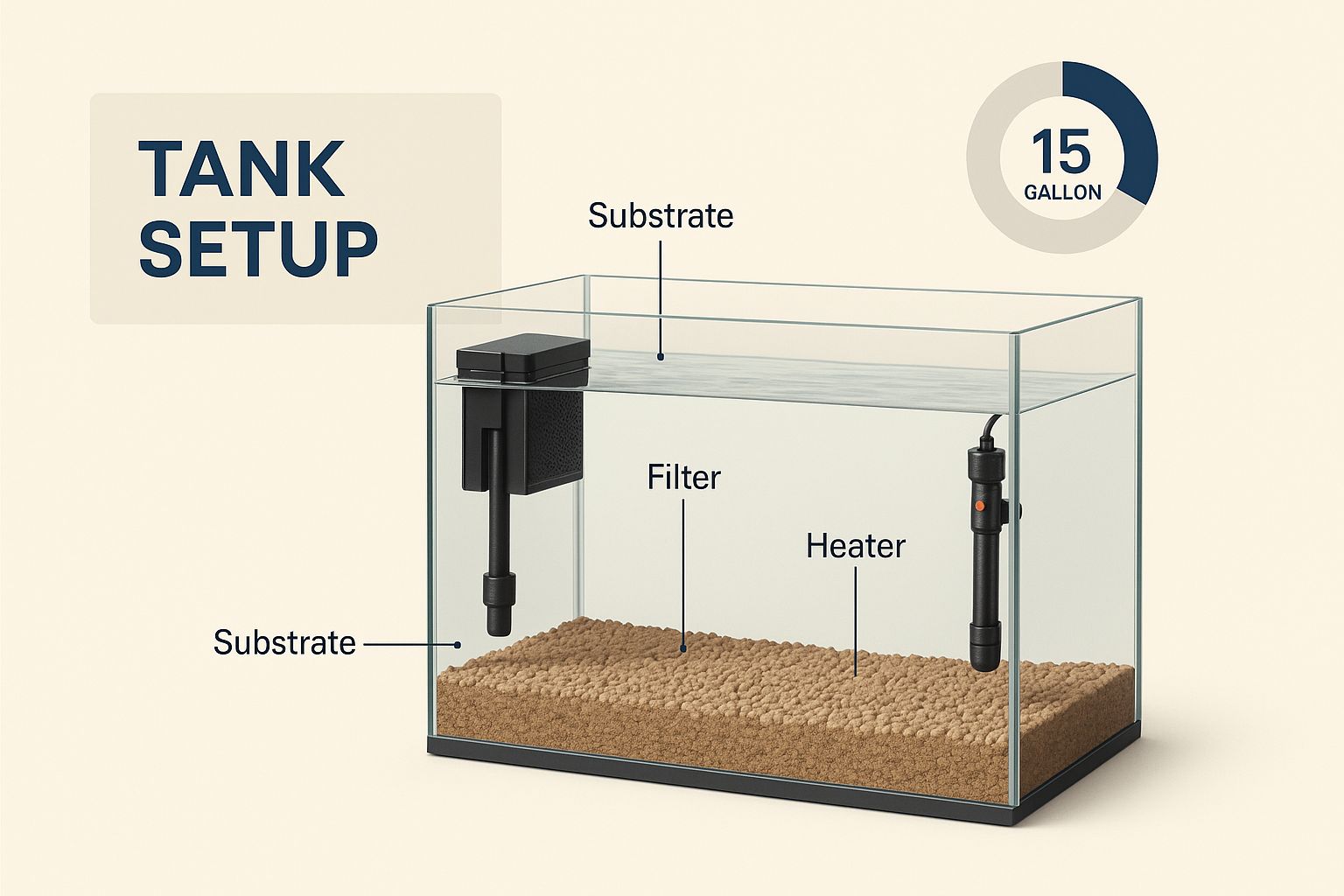
Filter Maintenance
Filters help in removing debris and toxins from the water. They need regular cleaning to function effectively.
Check filters every two weeks. Rinse filter media in tank water to preserve beneficial bacteria.
- Avoid using tap water for rinsing
- Replace filter media as needed
- Ensure proper water flow through the filter
Balancing Biological Ecosystems
A balanced ecosystem is essential for species-specific tanks. Beneficial bacteria break down waste and keep water clean.
Introduce bacteria supplements to boost biological filtration. Monitor levels of ammonia, nitrite, and nitrate regularly.
| Parameter | Ideal Range |
| Ammonia | 0 ppm |
| Nitrite | 0 ppm |
| Nitrate | Below 20 ppm |
Credit: jungleaquatics.com
Frequently Asked Questions
What Is The Purpose Of Water Conditioners In Species-specific Tanks?
Water conditioners remove harmful chemicals like chlorine and chloramine. They make tap water safe for specific fish species. This ensures healthy tank conditions and reduces stress on aquatic life.
How Often Should Water Conditioners Be Used In Fish Tanks?
Use water conditioners every time you change or add water. This keeps the tank environment stable and safe. Regular use prevents toxic buildup and supports species-specific needs.
Can I Use The Same Conditioner For All Fish Species?
No, some species need special conditioners. Check product labels for compatibility. Choose conditioners that match your tank’s species to avoid health issues.
How Do Water Conditioners Affect Tank Water Chemistry?
Water conditioners neutralize harmful substances without altering pH drastically. They maintain balanced water chemistry essential for species-specific tanks. Proper use helps fish thrive and reduces maintenance.
Conclusion
Using water conditioners correctly keeps your fish healthy and happy. Always choose conditioners made for your fish type. Add the right amount to avoid stress or harm. Test the water regularly to check quality. Clean tanks and fresh water help fish thrive.
Small steps make a big difference in tank care. Remember, healthy water means healthy fish every day. Keep learning and adjusting for the best tank environment. Simple care leads to a beautiful, balanced aquarium.