
Feeding your fish might seem simple, but giving them the right food in the right way can make a huge difference. Are you sure your fish are getting exactly what they need to thrive?
Each fish species has unique dietary needs that affect their health, color, and behavior. If you want your aquarium to shine with vibrant, active fish, you need to learn how to feed them properly. Keep reading, and you’ll discover easy tips that will help you meet your fish’s specific needs and create a thriving underwater world right at home.
Choosing The Right Food
Feeding fish properly helps them stay healthy and active. Different fish species need different foods to thrive.
Knowing what food fits each species keeps your aquarium balanced and your fish happy.
Identifying Species Dietary Needs
Fish have diets that match their natural habitats. Some eat plants, others eat meat or both.
Research your fish species to learn what they eat. This helps you pick the right food.
- Herbivores eat mostly plants or algae
- Carnivores need protein-rich foods like insects or small fish
- Omnivores eat both plants and animals
Types Of Fish Food
Fish food comes in many forms. Each type works well for different species and feeding habits.
Choose food that matches your fish’s diet and size for best results.
- Flakes:Good for surface feeders and small fish
- Pellets:Sink slowly and suit many species
- Freeze-dried:High protein, ideal for carnivores
- Live food:Best for natural feeding behavior and nutrition
- Vegetable-based:Great for herbivores and algae eaters
Avoiding Overfeeding
Overfeeding harms fish and pollutes the water. Feed only what your fish can eat quickly.
Feed small amounts once or twice daily. Remove leftover food to keep water clean.
- Feed only 2-3 minutes’ worth of food
- Watch your fish eat to avoid waste
- Adjust feeding amount as fish grow
- Use feeding rings to control food spread
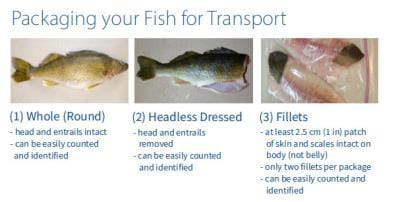
Credit: www.saskatchewan.ca
Feeding Techniques
Feeding fish correctly helps them grow healthy. It is important to know the right techniques for each species. This ensures they get the nutrients they need.
Different fish have different dietary needs. Learning proper feeding methods can improve their overall well-being. Let’s explore these techniques in detail.
Feeding Frequency
The number of times you feed fish varies by species. Some fish need food several times a day, while others eat less often.
- Small fish often eat 2-3 times daily.
- Larger species might require feeding once a day.
- Nocturnal fish should be fed when lights are off.
Portion Control
Giving the right amount of food prevents waste and keeps fish healthy. Overfeeding can lead to water pollution and fish obesity.
| Fish Size | Portion Size |
| Small | A pinch of flakes |
| Medium | One tablespoon of pellets |
| Large | A handful of granules |
Feeding Schedules
Consistent feeding schedules help fish adjust their metabolism. It is beneficial to feed them at the same time each day.
Special Considerations
Feeding fish correctly depends on their age, health, and environment. Each species has unique needs that change over time. Understanding these helps keep your fish healthy.
This guide covers how to feed juvenile and adult fish differently, adjust diets for health problems, and change feeding during seasons.
Feeding Juvenile Vs Adult Fish
Young fish need more nutrients to grow fast. Adult fish need food that maintains their health. Feeding the wrong amount or type can cause problems.
- Juvenile fish require small, frequent meals with high protein.
- Adult fish eat larger portions but less often.
- Use food that suits each stage to support growth or maintenance.
Adjusting Diet For Health Issues
Sick fish need special diets to help them recover. Some may need softer or medicated food. Others may require less feeding to avoid stress.
| Health Issue | Diet Adjustment | Feeding Tips |
| Swim Bladder Problems | Feed sinking pellets | Feed small amounts, avoid floating food |
| Digestive Issues | Use easily digestible food | Feed less often but in smaller portions |
| Fungal Infections | Medicated food | Consult vet for dosage and duration |
Seasonal Feeding Variations
Fish eat differently in warm and cold months. Their metabolism changes, so feeding must change too. Overfeeding in cold months can harm fish.
- Feed less in winter because fish eat slower.
- Increase feeding in spring and summer for growth.
- Use temperature-appropriate food types.

Credit: www.mdpi.com
Monitoring Fish Health
Feeding species-specific fish the right food helps keep them healthy. Watching their health shows if their diet works well.
Regular checks help spot problems early. Good feeding and care make fish live longer and stay active.
Signs Of Nutritional Deficiencies
Fish with poor nutrition may show weak fins or faded colors. They might grow slowly or lose weight.
Look for these common signs:
- Clamped fins or torn fins
- Unusual spots or lesions
- Less activity or slow swimming
- Loss of appetite
- Abnormal swimming or floating
Behavioral Changes Related To Diet
Fish may act differently if their diet lacks nutrients. They might hide more or avoid food.
Watch for these behaviors:
- Reduced movement or lethargy
- Increased aggression or stress
- Spitting out food or refusing to eat
- Changes in schooling or social behavior
Maintaining Water Quality
Good water quality supports fish health and helps digestion. Dirty water can cause stress and illness.
Keep water clean by:
- Testing water regularly for ammonia and pH
- Changing water often to remove waste
- Using filters to keep water clear
- Not overfeeding to prevent leftover food
Expert Feeding Tips
Feeding fish properly helps them stay healthy and active. Different species need different foods and care.
Knowing how to feed your fish species-specific diets can improve their growth and color.
Using Supplements
Supplements add important vitamins and minerals that fish may not get from regular food. They support fish health and immune systems.
Use supplements in small amounts to avoid overfeeding. Choose products made for your fish type.
- Vitamin-enriched pellets or flakes
- Calcium supplements for shell growth
- Immune boosters for disease resistance
- Fatty acids for shiny scales and energy
Handling Picky Eaters
Some fish refuse to eat certain foods. Try offering different textures or flavors to find what they like.
Feed small portions often. Avoid leftover food to keep the tank clean.
- Try live or frozen foods like brine shrimp or bloodworms
- Mix pellets with fresh vegetables for variety
- Feed at the same time daily to create a routine
- Observe fish behavior to spot feeding issues early
Incorporating Natural Foods
Natural foods mimic what fish eat in the wild. They provide essential nutrients and improve fish well-being.
Use natural foods as treats or part of a balanced diet. Always check that the food is safe for aquarium use.
- Fresh vegetables like spinach or peas for herbivores
- Live insects or worms for carnivores
- Algae wafers for bottom feeders
- Small amounts of fruit for omnivores

Credit: www.completekoi.com
Frequently Asked Questions
What Is Species-specific Fish Feeding?
Species-specific fish feeding means providing food tailored to each fish species’ dietary needs. It ensures proper nutrition and health. Different species require distinct nutrients, food types, and feeding frequencies for optimal growth and well-being.
How Often Should I Feed My Species-specific Fish?
Feeding frequency depends on the fish species, age, and metabolism. Most fish eat once or twice daily. Juveniles may need more frequent feeding. Overfeeding can harm water quality, so feed only what fish can consume in a few minutes.
What Types Of Food Suit Different Fish Species?
Herbivores need plant-based foods like algae and vegetables. Carnivores require protein-rich diets, such as insects or fish pellets. Omnivores benefit from a mix of both. Understanding your fish’s natural diet helps select the right food to keep them healthy.
Can Improper Feeding Harm Species-specific Fish?
Yes, improper feeding can cause malnutrition, obesity, or digestive issues. Feeding the wrong food or too much can stress fish and degrade water quality. Always research your fish’s dietary needs and follow recommended feeding guidelines.
Conclusion
Feeding fish the right food keeps them healthy and happy. Each species needs special care and diet. Watch how much and how often you feed them. Fresh, clean water helps food digest well. Avoid overfeeding to stop water pollution. Learn your fish’s habits to give the best care.
Small efforts make a big difference in their life. Keep your fish active and bright with proper feeding. Simple steps lead to a thriving aquarium.