
Keeping your species-specific aquarium clean is more than just a chore—it’s the key to a healthy, vibrant home for your aquatic pets. If you want your fish or other creatures to thrive, you need to know exactly how to clean their tank without causing stress or harm.
In this guide, you’ll discover simple, effective steps that make cleaning easy and safe for your unique aquarium setup. Ready to create the perfect environment your species deserves? Let’s dive in and get your aquarium sparkling clean!
Choosing The Right Cleaning Tools
Cleaning an aquarium needs the right tools for the species inside. Using proper tools keeps fish safe and healthy. It also helps keep the tank clean and clear.
Different species need different cleaning tools. This guide covers tools for freshwater, saltwater, and sensitive species.
Tools For Freshwater Species
Freshwater aquariums use simple cleaning tools. These tools remove algae, waste, and debris without hurting the fish or plants.
Use soft brushes and gravel vacuums to clean the tank bottom. A magnetic algae scraper helps clean glass walls gently.
- Soft algae scraper or magnetic cleaner
- Gravel vacuum for substrate cleaning
- Small nets for removing debris
- Clean sponge or cloth for glass
Tools For Saltwater Species
Saltwater tanks need strong but safe cleaning tools. Corals and marine fish are delicate and must not be harmed.
Use special scrapers for tough algae on rocks. Protein skimmers help clean water without disturbing animals.
- Algae scraper designed for saltwater tanks
- Protein skimmer to remove waste
- Powerhead for water movement and cleaning
- Soft brushes for coral-safe cleaning
Specialized Equipment For Sensitive Species
Sensitive species need gentle tools to avoid stress and injury. Avoid harsh cleaning tools and strong chemicals.
Use small syringes or pipettes to remove debris carefully. Gentle siphons help clean without disturbing the tank environment.
- Syringes or pipettes for precise cleaning
- Gentle siphon tubes for substrate cleaning
- Soft brushes with fine bristles
- Non-toxic sponges and cloths
Preparing For The Cleaning Process
Cleaning a species-specific aquarium needs careful planning. You must ensure the safety of aquatic life.
Follow these steps to prepare for a thorough cleaning process. Your aquarium will stay healthy and attractive.
Setting Up A Temporary Habitat
Before cleaning, move your aquatic pets to a temporary habitat. This keeps them safe from cleaning chemicals.
Ensure the temporary tank has:
- Adequate space for all species
- Proper temperature settings
- Filtered and dechlorinated water
Gathering Cleaning Supplies
Gather all necessary cleaning supplies ahead of time. This helps streamline the cleaning process.
- Algae scraper or sponge
- Aquarium vacuum
- Water conditioner
- Bucket for water change
- Net for fish transfer
Ensuring Safe Handling Of Species
Handle all species with care to prevent stress or injury. Be mindful of each species’ unique needs.
| Species | Handling Method |
| Fish | Use a soft net |
| Crustaceans | Gentle hand transfer |
| Snails | Soft scoop |
Step-by-step Cleaning Techniques
Keeping a species-specific aquarium clean is key to your aquatic pets’ health. Proper cleaning helps maintain water quality and a safe environment. Follow these simple steps for effective tank care.
This guide covers removing algae and debris, cleaning the substrate and decorations, and best water change practices.
Removing Algae And Debris
Algae build-up can harm your aquarium’s look and water quality. Remove it regularly using gentle tools.
- Use an algae scraper or pad to clean the glass walls.
- Remove floating debris with a fine net.
- Clean filters and pumps to prevent clogging.
- Check hard-to-reach areas for hidden algae.
- Do not use chemicals that may harm your species.
Cleaning The Substrate And Decorations
Substrate and decorations trap waste and uneaten food. Cleaning them keeps the tank healthy without disturbing your species.
| Item | Cleaning Method | Frequency |
| Gravel or Sand | Use a siphon vacuum to remove debris gently. | Weekly or biweekly |
| Rocks and Driftwood | Scrub with a soft brush in tank water. | Monthly |
| Artificial Plants | Rinse and brush lightly to remove dirt. | Monthly |
| Live Plants | Trim dead leaves and remove decayed parts. | Weekly |
Water Change Best Practices
Regular water changes keep your aquarium clean and your species happy. Follow these tips to do it right.
- Use a siphon to remove 20-30% of the water.
- Replace with dechlorinated water at the same temperature.
- Clean the tank walls while water is low.
- Do not change all water at once to avoid stress.
- Check water parameters after the change.
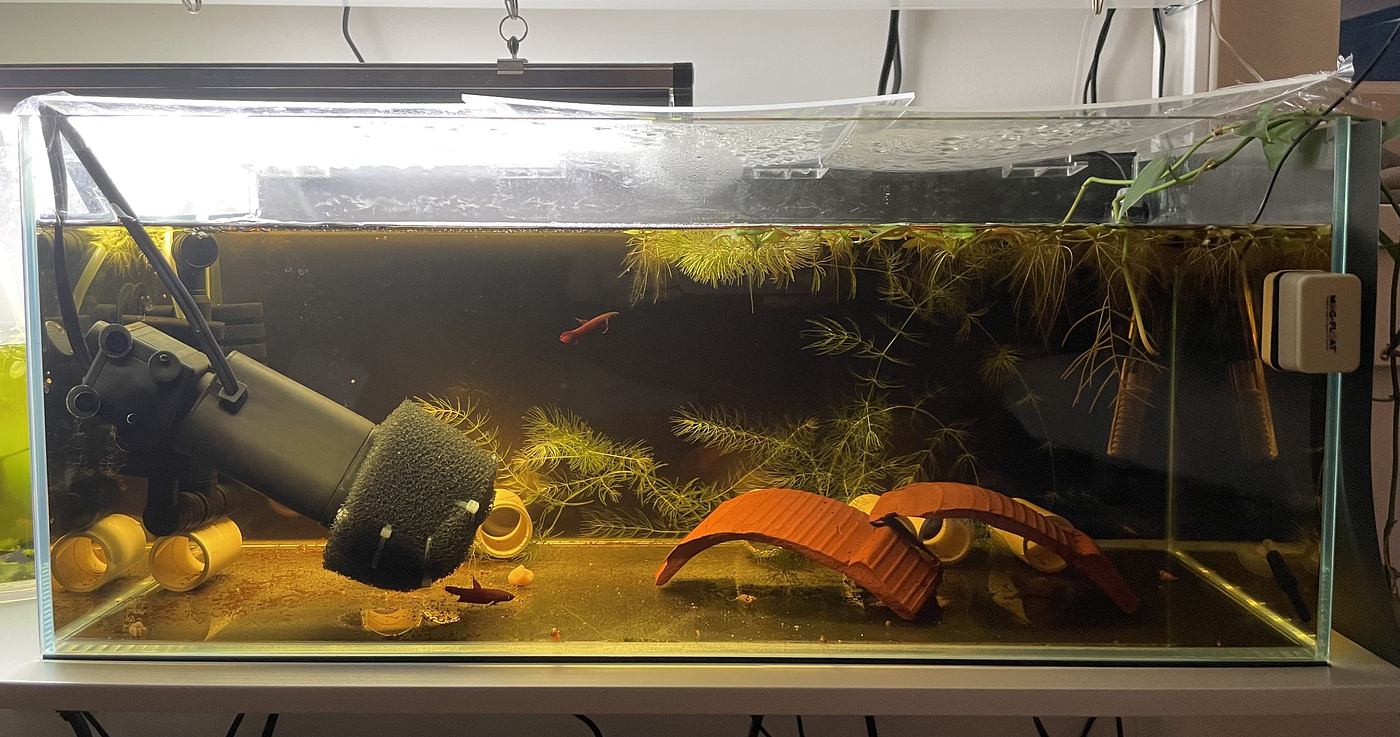
Credit: medium.com
Maintaining Water Quality
Keeping water clean is key for a healthy species-specific aquarium. Good water quality helps fish stay strong and live longer.
Regular checks and care keep the water safe. This guide explains how to maintain water quality properly.
Testing And Adjusting Ph Levels
Fish need the right pH to thrive. Test the water regularly with a pH test kit to check acidity or alkalinity.
If pH is off, use safe products to adjust it. Change water slowly to avoid stressing the fish.
- Test pH weekly or before adding new fish
- Keep pH stable for your species
- Use pH increasers or reducers carefully
- Make changes gradually over several hours
Managing Temperature And Salinity
Correct temperature and salinity keep fish healthy. Use a reliable heater and thermometer for temperature control.
Salt levels matter in saltwater tanks. Measure salinity with a hydrometer and adjust by adding fresh or saltwater.
- Keep temperature steady for your species
- Check temperature daily
- Use a hydrometer to test salinity
- Adjust salinity slowly to avoid shock
Using Water Conditioners Safely
Water conditioners remove harmful chemicals like chlorine. Choose one that is safe for your species.
Follow instructions and use the right amount. Overdosing can harm fish and plants.
- Use conditioners when adding tap water
- Choose species-safe formulas
- Measure carefully and avoid overdosing
- Conditioners do not replace water changes
Species-specific Care Tips
Cleaning an aquarium needs special care depending on the species inside. Different fish and creatures need different water conditions and handling.
Knowing the unique needs of your aquarium’s species helps keep them healthy and happy.
Freshwater Fish Considerations
Freshwater fish require gentle cleaning. Avoid changing too much water at once. Use water that matches their tank temperature and pH.
- Change 10-20% of the water weekly
- Use a gravel vacuum to remove waste
- Clean filters monthly but keep some beneficial bacteria
- Check water temperature before adding new water
- Use dechlorinated water for refills
Saltwater Fish Specifics
Saltwater fish need stable salt levels and clean water. Regular testing and careful water changes help keep their environment safe.
| Task | Frequency | Notes |
| Water change | 10-15% weekly | Use salt mix to match salinity |
| Filter cleaning | Every 3-4 weeks | Keep some filter media wet |
| Test salinity | Weekly | Use refractometer or hydrometer |
| Remove algae | Weekly | Use soft brushes, avoid harsh scrubbing |
Handling Invertebrates And Plants
Invertebrates and plants need delicate care during cleaning. Avoid using chemicals that harm them. Handle gently to avoid stress.
Tips for caring for invertebrates and plants:
- Use tank water to rinse plants and decorations
- Remove debris carefully without disturbing roots
- Clean slowly to avoid stressing shrimps and snails
- Keep water parameters stable for plants
- Do not use soap or detergents
Preventing Common Cleaning Mistakes
Cleaning a species-specific aquarium needs care. Mistakes can harm your aquatic pets. Proper cleaning keeps fish and plants healthy.
Learn how to avoid common errors. This guide covers overcleaning, stress prevention, and health signs.
Avoiding Overcleaning
Cleaning too much removes helpful bacteria. These bacteria keep water safe for fish. Overcleaning can upset the tank’s balance.
- Do not clean the filter media with tap water.
- Change only 10-20% of the water weekly.
- Avoid scrubbing all surfaces at once.
- Keep some aquarium water during cleaning to preserve bacteria.
Preventing Stress To Aquatic Life
Fish and plants feel stress during cleaning. Stress weakens their immune systems. Gentle care helps keep them calm.
- Use a soft net and avoid sudden movements.
- Keep the water temperature stable.
- Do not disturb the fish too long outside the tank.
- Clean during daylight hours to keep normal cycles.
- Keep loud noises away from the aquarium.
Recognizing Signs Of Poor Aquarium Health
Watch your aquarium closely. Early signs help prevent serious problems. Spot trouble before fish get sick.
| Sign | Possible Cause | Action |
| Cloudy water | Excess waste or bacteria bloom | Check filter and reduce feeding |
| Algae growth | Too much light or nutrients | Limit light and clean surfaces |
| Fish gasping at surface | Low oxygen levels | Increase aeration and water changes |
| Faded fish color | Stress or illness | Check water quality and isolate sick fish |
Establishing A Regular Cleaning Schedule
Keeping a species-specific aquarium clean helps your fish stay healthy. A good cleaning schedule keeps the water clear and safe.
Regular cleaning also prevents diseases and keeps the tank environment stable for your aquatic pets.
Daily Maintenance Tasks
Daily tasks help keep the aquarium stable. They stop small problems from becoming big ones.
Check the water surface for debris and remove any leftover food. Watch your fish for signs of stress or illness.
- Remove uneaten food to prevent water pollution
- Check fish behavior and appearance
- Clean glass surfaces of algae if needed
- Test water temperature and adjust if necessary
Weekly Deep Cleaning Routines
Once a week, do a deeper cleaning to remove waste and keep the tank fresh. This helps the fish stay healthy.
Change part of the water and clean decorations carefully to avoid harming your fish or plants.
- Change 20-30% of the tank water
- Use a gravel vacuum to clean substrate
- Wipe down aquarium walls inside and out
- Clean decorations and remove algae
- Check filter and clean or replace media if needed
Monthly Equipment Checks
Monthly checks keep your equipment working well. Broken tools can harm your aquarium’s environment.
Inspect heaters, filters, lights, and air pumps. Fix or replace any parts that do not work properly.
- Test heater for correct temperature control
- Clean filter parts and replace media if needed
- Check lighting for proper function and timing
- Inspect air pumps and tubing for blockages
- Look for leaks or cracks in the tank and equipment

Credit: reefcoaquariums.com

Credit: jungleaquatics.com
Frequently Asked Questions
How Often Should I Clean A Species-specific Aquarium?
Clean your species-specific aquarium every 1-2 weeks to maintain water quality. Regular cleaning prevents toxin buildup and keeps fish healthy. Adjust frequency based on species needs and tank size for optimal results.
What Tools Are Best For Cleaning Aquariums Safely?
Use a soft algae scraper, siphon gravel vacuum, and clean buckets. Avoid harsh chemicals and abrasive tools to protect fish and beneficial bacteria. Proper tools ensure efficient and safe cleaning.
Can I Use Tap Water For Aquarium Cleaning?
Use dechlorinated tap water to refill or clean your aquarium. Chlorine and chloramine can harm fish and beneficial bacteria. Always treat tap water with a water conditioner before adding it to the tank.
How Do I Avoid Stressing Fish During Cleaning?
Perform partial water changes and clean slowly to minimize fish stress. Avoid sudden temperature changes and loud noises. Keep cleaning sessions brief and gentle to ensure fish comfort.
Conclusion
Cleaning a species-specific aquarium takes care and attention. Keep the water clean and use the right tools. Avoid stressing your fish during cleaning. Regular maintenance helps fish stay healthy and happy. Small steps every week make a big difference. A clean tank means a better home for your fish.
Enjoy watching your fish thrive in a fresh environment. Simple habits protect your aquatic pets and keep them safe. Stay patient and consistent for the best results. Your fish will thank you with vibrant colors and energy.