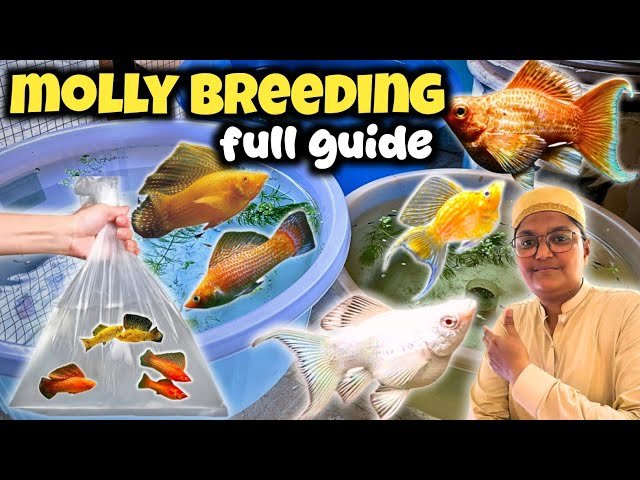
Are you worried about your molly fish showing signs of cannibalism? It can be upsetting to see your colorful pets turn on each other.
But don’t worry—you have the power to stop this behavior before it starts. Understanding why molly fry cannibalism happens is the first step to keeping your fish safe and healthy. You’ll discover simple, effective ways to prevent this problem and create a peaceful environment for your molly fry.
Keep reading to protect your fish and enjoy a thriving aquarium!

Credit: www.youtube.com
Causes Of Molly Fry Cannibalism
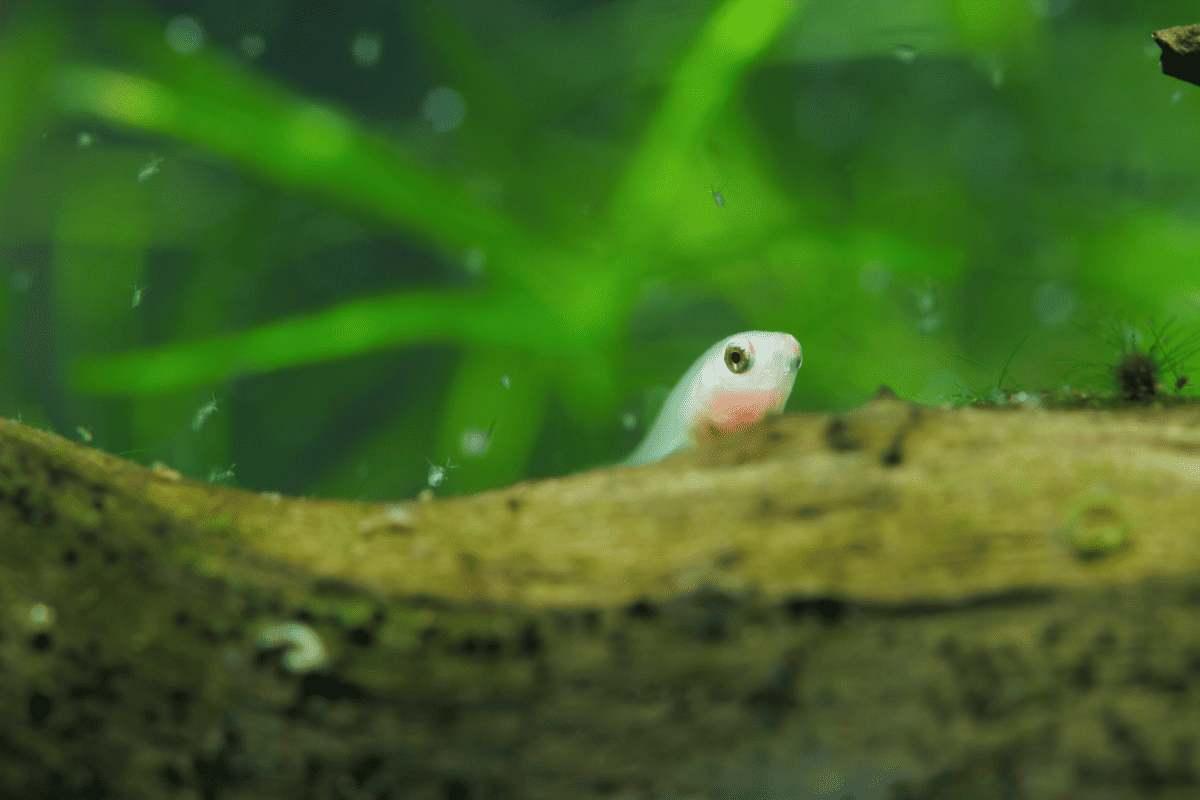
Molly fry are young fish that can sometimes eat each other. This behavior is called cannibalism. Understanding the causes helps keep them safe.
Several factors make molly fry stressed or hungry. These factors lead to cannibalism among them.
Stress Factors
Stress makes molly fry more likely to eat each other. Loud noises, sudden changes, and rough handling cause stress. Stress lowers their immune system and increases aggression.
Overcrowding Issues
Too many molly fry in one tank cause fights. They do not have enough space to swim freely. Overcrowding also reduces oxygen levels, making fish weaker.
- Limits hiding places
- Increases competition for food
- Raises stress levels
- Causes poor water circulation
Poor Water Quality
Dirty water harms molly fry health. High ammonia and nitrite levels irritate their skin and gills. Poor water quality makes them weak and more aggressive.
| Water Problem | Effect on Molly Fry |
| High Ammonia | Breathing difficulty and stress |
| High Nitrite | Weakness and poor growth |
| Low Oxygen | Increased aggression |
| Dirty Tank | Higher disease risk |
Inadequate Nutrition
Not feeding molly fry enough or giving wrong food makes them hungry. Hungry fry may eat weaker siblings. Balanced food helps reduce cannibalism.

Credit: www.cheapplantedaquarium.com
Setting Up A Safe Environment
Preventing molly fry cannibalism starts with creating a safe tank environment. Proper care helps the fry grow healthy and strong.
Setting up the tank right reduces stress and limits aggressive behavior among the fry and adult mollies.
Tank Size And Layout
Choose a large tank to give molly fry plenty of space. Overcrowding can cause stress and increase cannibalism risks.
- Select a tank of at least 20 gallons for a small group of mollies.
- Arrange the tank to allow open swimming areas and separate zones.
- Use plants and decorations to break sight lines between fish.
- Keep adult mollies and fry in separate tanks if possible.
Providing Hiding Spots
Hiding spots give fry safe places to avoid adult fish. This lowers the chance of them getting eaten.
- Use live plants like java moss or hornwort for natural cover.
- Add small caves or PVC tubes for extra shelter.
- Arrange floating plants to create shaded areas on the surface.
- Place dense decorations near the bottom where fry like to hide.
Maintaining Water Conditions
Clean water helps fry stay healthy and less aggressive. Poor water quality raises stress and risk of cannibalism.
| Parameter | Ideal Range | Why It Matters |
|---|---|---|
| Temperature | 74°F – 78°F (23°C – 26°C) | Supports fry growth and reduces stress |
| pH Level | 7.0 – 8.0 | Maintains a stable environment for mollies |
| Ammonia & Nitrites | 0 ppm | Toxic to fry; must be kept at zero |
| Nitrates | < 20 ppm | High levels cause stress and weaken fry |
Feeding Strategies To Reduce Cannibalism
Molly fish sometimes eat their own kind if they are hungry or stressed. Good feeding habits help stop this behavior. Feeding them the right food and amount keeps them healthy and calm.
Below are ways to feed molly fish to lower the chance of cannibalism. These tips make sure your fish get enough nutrition and stay peaceful.
Balanced Diet Options
Mollies need a mix of protein, vegetables, and vitamins in their diet. Feeding only one type of food can cause hunger and stress. A balanced diet keeps them full and healthy.
Good food choices include flakes, pellets, and fresh vegetables. Each type gives different nutrients. Offering variety stops boredom and reduces fighting for food.
- High-quality fish flakes or pellets
- Blanched spinach or zucchini
- Algae wafers or spirulina
- Occasional protein treats like bloodworms
Feeding Frequency
Feed mollies small amounts several times a day. Overfeeding can pollute the tank and stress fish. Underfeeding makes them hungry and more aggressive.
Regular feeding keeps their energy steady. Spread food into two or three meals daily. This helps them digest better and stay calm.
- Feed 2–3 times daily
- Give only what they eat in 2–3 minutes
- Remove leftover food to keep water clean
Supplementing With Live Food
Live food helps meet molly fish’s natural hunting instincts. It adds protein and variety to their diet. Live food is tasty and keeps fish active.
Use live foods like brine shrimp or daphnia. These foods are easy to digest and reduce hunger-driven aggression. Use live food a few times per week for best results.
- Brine shrimp
- Daphnia
- Microworms
- Baby brine shrimp
Monitoring Molly Behavior
Watching your Molly fish closely helps prevent fry cannibalism. Understanding their behavior lets you act before problems grow.
Fry are small and vulnerable. Careful observation keeps them safe from adult aggression.
Signs Of Aggression
Aggressive Mollies chase, nip, or corner fry. Look for sudden darting movements or repeated attacks.
- Fast chasing of smaller fish
- Flaring fins and puffed-up bodies
- Repeated biting or nipping
- Hiding places being invaded aggressively
Identifying Vulnerable Fry
Some fry show weakness or sickness. These fry need extra protection to survive.
| Fry Condition | Signs |
| Weak | Slow swimming, hanging near bottom |
| Sick | Cloudy eyes, faded colors |
| Small Size | Smaller than siblings, easy to catch |
Separating At Risk Individuals
Moving aggressive adults or weak fry to separate tanks stops cannibalism. Act quickly to protect fry.
- Identify aggressive adult Mollies
- Spot weak or sick fry
- Use a net to gently catch fish
- Place at risk fish in a safe, separate tank
- Provide plenty of hiding spots for fry
Breeding Tips To Protect Fry
Molly fry can sometimes eat their siblings. This behavior can lower the number of young fish you save. You need to take steps to keep fry safe during breeding.
Using good breeding methods helps protect the fry. Careful planning and proper tank setup are key to success.
Using Breeding Traps
Breeding traps keep fry safe from adult mollies. These traps allow the mother to enter but stop adults from reaching the young. You can buy traps or make your own.
- Place the trap inside the main tank
- Ensure the trap has small openings for fry
- Check traps daily for fry health
- Remove fry after a few weeks
Timing And Spacing Breeding Events
Spread out breeding times to reduce fry crowding. Too many fry at once leads to cannibalism. Control breeding by managing the number of males and females.
| Action | Effect |
| Separate males and females | Controls breeding frequency |
| Allow breeding every 4 weeks | Reduces fry competition |
| Limit tank population | Prevents stress and aggression |
Raising Fry Separately
Raising fry in a different tank is the safest way to stop cannibalism. Keep fry in a tank with no adult fish and provide proper food.
Use this checklist to raise fry separately:
- Set up a small tank with gentle filtration
- Keep water clean and warm, around 78–82°F (25–28°C)
- Feed fry with fine baby food or crushed flakes
- Change water regularly to maintain quality
- Move fry to the main tank when they grow bigger
Common Mistakes To Avoid
Molly fry cannibalism is a challenge for many fish keepers. Understanding common mistakes can help keep your fry safe. Let’s explore how to prevent these issues.
Ignoring Water Changes
Clean water is vital for molly fry. Dirty water can make them stressed, leading to cannibalism. Regular water changes are essential.
- Change 25% of the water weekly
- Use a water conditioner to remove chlorine
- Check water temperature and pH regularly
Overcrowding The Tank
Too many fish in one tank can cause stress. Overcrowding leads to fights and fry being eaten. Provide enough space for all your fish.
- Keep one inch of fish per gallon of water
- Separate fry from adult fish when possible
- Use plants or decorations for hiding spots
Neglecting Fry Care
Molly fry need special care to survive. Neglecting their needs can lead to cannibalism. Ensure they have a safe environment and proper nutrition.
| Provide: | Small, frequent meals |
| Ensure: | Proper filtration |
| Check: | Tank mates are fry-friendly |
Credit: petfishonline.com
Frequently Asked Questions
What Causes Molly Fry Cannibalism In Aquariums?
Molly fry cannibalism is mainly caused by hunger and overcrowding. Lack of hiding places and poor nutrition increase stress, leading to cannibalism among fry. Proper feeding, tank maintenance, and providing hiding spots reduce this behavior effectively.
How Can I Stop Molly Fry From Eating Each Other?
Feed Molly fry small, frequent meals of high-quality food. Add plants and decorations for hiding spaces. Maintain clean water and avoid overcrowding to minimize stress and cannibalism.
What Tank Conditions Prevent Molly Fry Cannibalism?
Keep water clean, stable, and well-filtered. Maintain temperature around 75-80°F (24-27°C). Ensure proper pH (7. 0-8. 0) and oxygen levels. Good conditions reduce fry stress and cannibalistic behavior.
Is Separating Molly Fry Necessary To Avoid Cannibalism?
Separating fry into a breeding or nursery tank is highly effective. It protects young fish from adult aggression and reduces cannibalism risk. Use a mesh breeder box if a separate tank isn’t available.
Conclusion
Preventing Molly fry cannibalism takes patience and care. Keep the tank clean and water stable. Feed the fry small amounts often. Provide plenty of hiding spots with plants or decorations. Watch for signs of stress or hunger. Separate aggressive fry if needed.
Healthy, well-fed fry grow stronger and safer. Small steps lead to big results in your tank. Enjoy watching your Molly fry thrive and grow.