
Are you tired of seeing your fish fall sick despite your best efforts? Keeping your fish healthy isn’t just about feeding them well—it’s about knowing how to prevent diseases before they start.
You’ll discover simple and effective treatments that can protect your fish from common illnesses. By understanding these methods, you’ll save time, money, and the heartache of losing your aquatic friends. Keep reading to learn how you can create a safe and thriving environment for your fish right now.
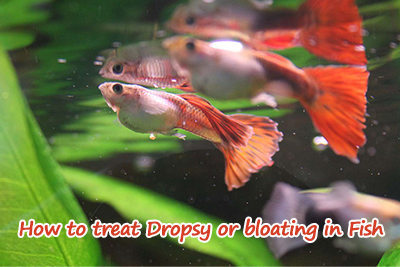
Credit: www.hygger-online.com
Common Fish Diseases
Fish diseases can harm your aquatic pets and affect their health. Knowing common diseases helps you act fast. Treating fish early can save them from serious problems.
This guide covers the main types of fish diseases and how to spot them. Learn about bacterial, parasitic, fungal, and viral issues that fish can face.
Bacterial Infections
Bacterial infections often cause redness, swelling, and ulcers on fish skin. These infections spread quickly in crowded tanks or poor water conditions. Treat with antibiotics and keep water clean.
Parasitic Infestations
Parasites attach to fish and feed on their blood or skin. They cause itching, lethargy, and weight loss. Common parasites include lice, flukes, and ich. Use medicated dips or powders to remove them.
- Check fish for white spots or visible worms
- Quarantine new fish before adding to tank
- Keep tank clean and change water regularly
- Use parasite treatments as directed
- Monitor fish behavior for signs of stress
Fungal Issues
Fungi grow on damaged fish skin or fins. They look like white or gray cottony patches. Fungal infections occur after injury or poor water quality. Antifungal treatments and clean water help cure these issues.
| Fungal Disease | Symptoms | Treatment |
| Branchiomycosis | Gill damage, breathing problems | Improve water flow, antifungal meds |
| Saprolegniasis | White cotton patches on skin | Salt baths, antifungal chemicals |
| Fungal Gill Disease | Gill inflammation, lethargy | Water changes, antifungal therapy |
Viral Conditions
Viruses cause rapid fish deaths and sores. They spread fast in crowded tanks. There is no cure for many viral diseases. Avoid infected fish and keep good tank hygiene to prevent outbreaks.
Tips to prevent viral diseases:
- Isolate new fish for two weeks
- Clean and disinfect tanks regularly
- Do not share equipment between tanks
- Keep water temperature stable
- Feed high-quality food to boost immunity
Signs Of Sick Fish
Fish can get sick due to poor water or infections. It is important to spot signs early.
Knowing these signs helps you treat fish and stop disease from spreading.
Behavioral Changes
Sick fish often behave differently from healthy ones. Watch for unusual actions.
Fish may hide, swim erratically, or stay still at the tank bottom.
- Less movement or lethargy
- Loss of appetite
- Gasping at the water surface
- Scratching against objects
- Isolating from other fish
Physical Symptoms
Look for changes in the fish’s body or fins. These signs show illness clearly.
Check for spots, swelling, or torn fins. These often mean infection or injury.
- White spots or patches on skin
- Red or inflamed areas
- Clamped fins or torn fins
- Swollen belly or eyes
- Unusual growths or lumps
Water Quality Indicators
Bad water can cause fish disease. Watch water quality to keep fish healthy.
Test the water often for chemicals and cleanliness. Poor water harms fish quickly.
- Cloudy or foul-smelling water
- High ammonia or nitrite levels
- Low oxygen in the water
- Sudden changes in temperature or pH
- Excess algae or debris in tank
Preventive Measures
Keeping fish healthy means stopping diseases before they start. Preventive care helps fish live longer and stay active.
Good habits and proper treatments protect your fish. Here are some easy ways to prevent fish disease.
Quarantine New Arrivals
New fish may carry diseases that can spread fast. Quarantine new fish in a separate tank for two weeks.
Watch for signs of illness like spots, strange swimming, or lack of appetite during this time.
Maintain Water Quality
Clean water is key to healthy fish. Test water often to check levels of ammonia, nitrites, and pH.
Use filters and change water regularly to keep water fresh and safe for your fish.
- Test water weekly
- Change 10-20% water every week
- Keep filter clean and working
- Avoid overfeeding to reduce waste
Balanced Diet
Fish need good food to stay strong. Feed a balanced diet with protein, vitamins, and minerals.
Feed small amounts two to three times a day. Remove leftover food to keep water clean.
- Use high-quality fish food
- Include variety like flakes, pellets, or frozen foods
- Avoid overfeeding to prevent water pollution
Regular Tank Cleaning
Clean tanks reduce harmful germs and parasites. Remove algae and waste every week.
Clean decorations and gravel carefully without harsh chemicals to keep fish safe.
- Remove debris and waste weekly
- Clean tank walls and decorations gently
- Use siphon to clean gravel
- Do not use soap or chemicals

Credit: www.amazon.ca
Effective Treatments
Fish disease can harm your aquarium or pond. Treating fish early helps keep them healthy.
This guide explains effective treatments to prevent fish disease. You will learn about medicines, natural options, and when to get expert help.
Medications And Remedies
Medications help fight bacteria, parasites, and fungi that cause fish diseases. Use them carefully to avoid harming fish.
Common medicines include antibiotics, antifungals, and antiparasitic drugs. Always follow the instructions on the label.
- Antibiotics treat bacterial infections.
- Antifungals stop fungal growth on fish.
- Antiparasitic drugs remove external and internal parasites.
- Water conditioners help reduce stress during treatment.
Natural Treatments
Natural treatments use plants and safe substances to help fish heal. These options are gentle and eco-friendly.
Many natural remedies improve water quality and boost fish immunity. They work best for mild health problems.
- Use garlic or aloe vera to boost fish health.
- Add salt to water to reduce parasite infections.
- Maintain clean water with regular changes.
- Use beneficial bacteria to keep tanks balanced.
When To Seek Expert Help
Sometimes fish disease needs a professional diagnosis. Experts can identify problems and suggest the best treatment.
Get expert help if fish do not improve or if many fish get sick quickly. Early expert care prevents serious losses.
- Fish show unusual behavior or spots.
- Multiple fish are sick or dying.
- Home treatments do not work after several days.
- You are unsure about the disease or treatment.
Creating A Healthy Environment
Preventing fish disease starts with a healthy environment. Fish need clean water and good care to stay strong.
Keeping their tank safe and comfortable helps fish fight off illness naturally.
Proper Tank Setup
Set up the tank with clean water and good filtration. Proper space helps fish swim freely and stay healthy.
Keep the tank temperature steady and suitable for your fish type. Regularly check water quality to avoid harmful chemicals.
- Use a filter to remove waste
- Keep temperature stable
- Change water regularly
- Provide hiding spots with plants or decorations
Compatible Fish Species
Choose fish that live well together. Mixing species that get along lowers stress and stops fights.
Avoid overcrowding the tank. Too many fish can spread disease and cause poor water quality.
- Pick fish with similar water needs
- Keep peaceful species together
- Limit the number of fish in the tank
Stress Reduction Techniques
Stress weakens fish and makes them sick. Keep noise and sudden movements low around the tank.
Feed fish on a regular schedule with healthy food. Clean the tank gently to avoid frightening the fish.
- Keep tank in a quiet place
- Feed small amounts twice a day
- Avoid sudden light or temperature changes
- Use gentle water changes
Routine Monitoring
Regular checks help keep fish healthy. Monitoring reduces disease risk in aquariums.
Understanding your fish’s environment is key. Observing daily helps catch problems early.
Daily Checks
Look at your fish each day. Notice any changes in their behavior.
Healthy fish swim actively. They should eat well and have clear eyes.
- Check for spots or unusual marks
- Ensure fins are not torn
- Observe for unusual swimming patterns
Water Testing
Test water weekly. This keeps the environment safe for fish.
Use a kit to check pH, ammonia, and nitrate levels.
| Parameter | Safe Range |
| pH | 6.5 – 8.2 |
| Ammonia | 0 ppm |
| Nitrate | < 40 ppm |
Record Keeping
Keep a journal. Write down water test results and fish behavior.
Recording helps track changes over time. It aids in identifying issues early.
- Note date and time of observations
- Record any changes in fish appearance
- Log water conditions regularly
Credit: www.chewy.com
Frequently Asked Questions
What Are Common Fish Diseases To Watch For?
Common fish diseases include ich, fin rot, and fungal infections. Early detection helps prevent spread and serious damage. Observing fish behavior and appearance daily is key to identifying signs early.
How Can Treatments Prevent Fish Diseases Effectively?
Treatments like medicated baths and water conditioners kill pathogens. Using treatments promptly stops disease progression and protects healthy fish. Always follow dosage instructions to ensure safe, effective disease control.
Which Natural Treatments Help Prevent Fish Diseases?
Natural treatments include salt baths, herbal extracts, and improved water quality. These methods boost fish immunity and reduce stress. Combining natural care with proper tank hygiene prevents many common diseases.
How Often Should I Treat My Fish Tank?
Treat the tank as needed when disease signs appear. Avoid overusing chemicals to prevent resistance and stress. Regular maintenance and observation reduce the need for frequent treatments.
Conclusion
Preventing fish disease starts with good care and clean water. Treat fish early to stop illness from spreading. Use safe treatments and follow instructions carefully. Keep fish healthy by feeding them well and checking water often. A healthy fish tank means happy fish.
Stay alert for signs of sickness and act fast. Simple steps help avoid big problems. Healthy fish live longer and look better. Protect your fish with these easy habits.