
Keeping your species-specific aquarium healthy is easier than you think. You want your fish and aquatic creatures to thrive, not just survive.
But diseases can quickly disrupt this delicate balance. What if you could stop those problems before they start? You’ll discover simple, effective ways to protect your aquarium from common illnesses. By following these tips, you’ll create a safe and vibrant environment where your aquatic pets can flourish.
Ready to become the best caretaker your aquarium has ever seen? Let’s dive in.
Choosing Healthy Species
Keeping species-specific aquariums healthy starts with picking the right fish. Healthy fish are less likely to carry diseases and will adapt better to new environments.
It is important to know how to identify disease-free fish and how to handle them properly before adding them to your tank.
Selecting Disease-free Fish
Look for fish that are active and have bright colors. Avoid fish with visible signs of illness, like spots, torn fins, or unusual swimming behavior.
- Check for clear eyes and smooth scales
- Avoid fish that scratch against objects in the tank
- Observe fish for at least 10 minutes before buying
- Buy from trusted sellers with good tank conditions
Quarantine Procedures
Quarantine new fish in a separate tank for at least two weeks. This helps stop diseases from spreading to your main aquarium.
| Action | Purpose |
| Observe daily | Detect early signs of disease |
| Feed quality food | Keep fish strong and healthy |
| Maintain clean water | Prevent infections |
| Treat if needed | Stop disease spread |

Credit: shop.thebiotagroup.com
Maintaining Water Quality
Good water quality is key to keeping fish healthy. Clean water lowers disease risks in species-specific aquariums.
Maintaining water quality means checking and cleaning the water regularly. It helps create a safe home for your aquatic pets.
Regular Water Testing
Test water often to track its condition. Check important factors like pH, ammonia, nitrites, and nitrates.
Water testing kits are easy to use and show if the water is safe. Testing helps catch problems early before fish get sick.
- Test water at least once a week
- Use reliable test kits for accuracy
- Keep records of your test results
- Adjust water parameters based on test results
Filtration Systems
Filtration removes waste and toxins from the water. Good filters keep the water clean and clear.
Choose filters that suit your aquarium size and fish type. Mechanical, biological, and chemical filters work together to clean water.
- Mechanical filters trap solid waste
- Biological filters break down harmful chemicals
- Chemical filters remove odors and toxins
- Clean or replace filter media regularly
Water Changes Schedule
Change part of the water regularly to keep it fresh. This helps remove pollutants and refresh minerals.
Plan water changes based on tank size and fish load. Regular changes reduce stress and disease risk for fish.
- Change 10-20% of water weekly
- Use dechlorinated water for refilling
- Clean gravel and decorations during changes
- Avoid sudden large water changes
Proper Feeding Practices
Feeding your aquarium species the right way helps keep them healthy. Proper feeding prevents many common diseases.
Knowing what and how much to feed is key to a thriving species-specific aquarium.
Balanced Diets
A balanced diet gives your fish the right nutrients to stay strong. Different species need different foods.
Include proteins, vitamins, and minerals in their meals. This helps boost their immune systems.
- Feed species-specific pellets or flakes
- Add fresh or frozen food like bloodworms or brine shrimp
- Use plant-based foods for herbivores
- Rotate food types to cover all nutrient needs
Avoiding Overfeeding
Overfeeding causes water pollution and stress for fish. It can lead to disease outbreaks in your aquarium.
Feed only what your fish can eat in a few minutes. Remove leftover food to keep water clean.
- Feed small amounts two to three times daily
- Watch fish eat and adjust food quantity
- Use a timer or feeding schedule
- Clean uneaten food promptly

Credit: www.blessingsaquarium.com
Tank Hygiene
Keeping your species-specific aquarium clean helps stop diseases. Good tank hygiene protects fish and other creatures.
Proper care of the tank’s environment is key to healthy aquatic life. Clean water and surfaces reduce harmful bacteria.
Cleaning Protocols
Regular cleaning removes dirt and harmful germs. Use soft tools to avoid stressing the animals.
- Change 10-20% of the water weekly
- Clean the glass with a non-toxic scrubber
- Rinse filters in tank water to keep good bacteria
- Remove leftover food and debris daily
- Check plants and decorations for algae
Managing Waste
Waste can harm water quality and cause illness. Managing waste keeps the tank safe.
| Type of Waste | Recommended Action |
| Fish Waste | Use biological filters and change water regularly |
| Uneaten Food | Remove quickly to avoid decay |
| Plant Debris | Trim dead leaves and clean substrate |
| Algae | Scrub surfaces and control light exposure |
Monitoring Fish Behavior
Fish behavior tells us a lot about their health. Paying attention helps prevent diseases in species-specific aquariums.
Healthy fish are active and have a good appetite. Changes in behavior can signal problems early.
Early Signs Of Illness
Spotting illness early helps keep fish healthy. Watch for these signs daily.
- Loss of appetite
- Unusual swimming patterns
- Gasping at the surface
- Visible spots or lesions
- Clamped fins
Stress Reduction Techniques
Stress weakens fish and makes them sick. Reducing stress keeps them healthy.
Provide a calm environment for your fish. Use these techniques to lower stress.
- Maintain clean water conditions
- Ensure proper tank size
- Limit sudden changes in temperature
- Provide hiding spots and plants
- Avoid overcrowding the tank
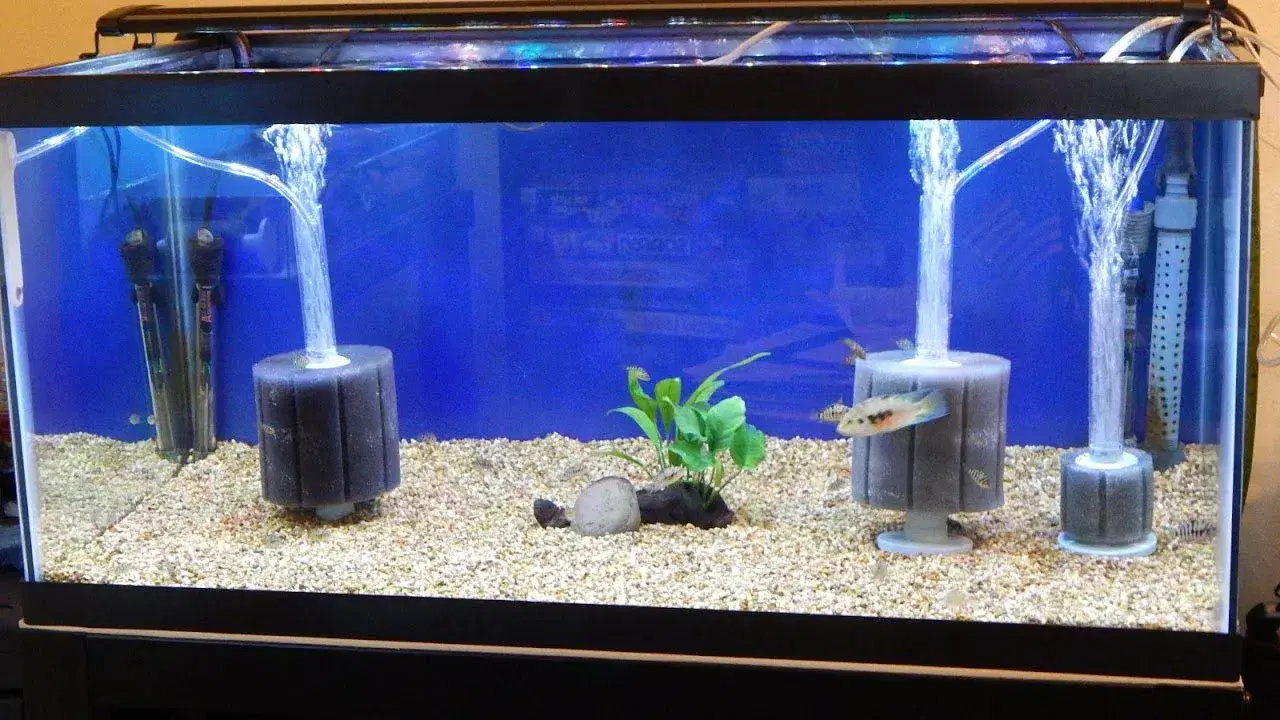
Credit: aquadecorbackgrounds.com
Controlling Tank Environment
Keeping the tank environment stable helps prevent diseases in aquariums. Good control of water and surroundings supports fish health.
Each species needs specific conditions. Adjusting temperature and light can reduce stress and illness risks.
Temperature Regulation
Fish need the right temperature to stay healthy. Too hot or too cold water weakens their immune system.
Use a reliable heater and thermometer to keep water steady. Check temperature daily and adjust as needed.
- Match temperature to the species’ needs
- Avoid sudden temperature changes
- Keep water heater clean and working well
- Use insulation to keep tank temperature stable
Lighting Conditions
Proper lighting affects fish behavior and health. Too much light can stress fish and encourage algae growth.
Use a timer to set regular light periods. Adjust light intensity and duration for each species’ needs.
- Provide 8 to 12 hours of light daily
- Use dim lighting for shy or nocturnal species
- Keep light clean and replace bulbs regularly
- Balance natural and artificial light sources
Using Preventive Treatments
Preventing diseases in aquariums is crucial for fish health. Using preventive treatments helps keep species-specific aquariums safe.
These treatments can be medicinal or natural. They reduce the risk of infections and promote a balanced environment.
Prophylactic Medications
Prophylactic medications are used to prevent diseases before they occur. These medicines help fight common bacterial infections.
They are added to the water in safe doses. This can stop harmful bacteria from growing in the aquarium.
- Anti-bacterial treatments help prevent fin rot.
- Parasite preventives stop ich outbreaks.
- Use only fish-safe medications.
Natural Remedies
Natural remedies offer a gentle way to prevent diseases. They use ingredients that are safe for fish and plants.
These remedies can include herbal extracts and essential oils. They boost fish immunity and improve overall health.
- Garlic extract helps strengthen fish immunity.
- Tea tree oil can prevent fungal infections.
- Aloe vera soothes fish skin.
Frequently Asked Questions
How Can I Maintain Water Quality In Species-specific Aquariums?
Regular water testing and partial water changes keep the aquarium clean. Use filters suited for your species. Avoid overfeeding to reduce waste buildup. Proper water parameters prevent stress and disease in aquatic species.
What Are The Best Quarantine Practices For New Fish?
Quarantine new fish for 2-4 weeks before introduction. Use a separate tank to monitor health and treat diseases. This practice prevents spreading infections to established aquarium species.
How Often Should I Clean Species-specific Aquariums?
Clean the aquarium weekly by removing debris and algae. Clean filter media monthly without killing beneficial bacteria. Regular maintenance reduces pathogens and maintains a healthy environment.
Which Signs Indicate Diseases In Aquarium Species?
Look for abnormal swimming, discoloration, spots, or lethargy. Loss of appetite and rapid breathing are also signs. Early detection allows prompt treatment, preventing disease spread.
Conclusion
Keeping your species-specific aquarium healthy takes daily care and attention. Clean water and proper feeding help stop diseases early. Watch your fish closely for any signs of sickness. Quarantine new fish before adding them to the tank. A balanced environment supports strong fish and less stress.
Small actions prevent big problems. Healthy fish make your aquarium beautiful and fun to enjoy. Simple steps keep diseases away and fish happy.