
Are you tired of seeing unsightly algae take over your species-specific aquarium? Algae can quickly ruin the beauty and balance of your carefully maintained underwater world.
But don’t worry—there are simple, effective ways you can stop algae growth before it starts. You’ll discover easy steps to keep your aquarium clean and healthy, ensuring your fish thrive in a sparkling, algae-free environment. Keep reading to learn how to protect your aquatic pets and enjoy a stunning tank every day.
Causes Of Algae Growth
Algae growth in species-specific aquariums can harm the environment. It makes the water cloudy and affects fish health. Understanding what causes algae helps keep aquariums clean and healthy.
Algae grow fast when conditions are right. Light, nutrients, and water quality all play a role. Controlling these factors can reduce algae problems.
Light Exposure And Duration
Algae need light to grow. Too much light or long hours of light cause algae to bloom. This is common in aquariums with strong artificial lights or bright sunlight.
Keeping light on for 8-10 hours a day is best. Avoid placing aquariums near windows with direct sun. Using a timer can help control light duration.
- Algae grow faster with long light exposure
- Strong, direct light encourages algae blooms
- 8-10 hours of light is ideal for most tanks
- Use timers to control light duration
- Keep tanks away from direct sunlight
Nutrient Levels
Algae use nutrients like nitrates and phosphates to grow. Excess nutrients come from leftover fish food and waste. High nutrient levels create a perfect environment for algae.
Regular feeding and cleaning reduce nutrient buildup. Avoid overfeeding fish and remove uneaten food. Testing water helps track nutrient levels.
- Excess food raises nutrient levels
- Fish waste adds nitrates and phosphates
- Overfeeding fuels algae growth
- Regular cleaning lowers nutrients
- Water tests show nutrient amounts
Water Quality Factors
Poor water quality causes algae problems. High temperatures and low oxygen help algae grow. Dirty water with little flow also supports algae.
Keeping water clean and well-oxygenated controls algae. Use filters, change water regularly, and check temperature. Good water quality supports healthy fish and plants.
- High temperature speeds algae growth
- Low oxygen levels encourage algae
- Dirty water helps algae thrive
- Proper filtration removes waste
- Regular water changes improve quality
- Keep temperature stable for species

Credit: aquaforestaquarium.com
Species-specific Aquarium Challenges
Keeping species-specific aquariums can be fun. Each type of fish has special needs. Algae growth is common, but it can be managed.
Understanding each species helps prevent algae. Different fish and plants need different care. Knowing these needs helps keep your tank clean.
Unique Needs Of Freshwater Species
Freshwater fish come from rivers and lakes. They need specific water conditions. Algae can grow if these conditions are not met.
Regular water changes help control algae. Keep light levels low and clean the tank often. Choose fish that help eat algae, like plecos.
- Keep water temperature steady
- Use a good filter system
- Avoid overfeeding your fish
Saltwater Species Considerations
Saltwater tanks mimic ocean environments. They need more care than freshwater tanks. Algae can be a bigger problem in these tanks.
Use live rock and protein skimmers to reduce algae. Keep the salt levels right. Regularly test the water for nutrients that feed algae.
- Maintain proper salinity
- Invest in quality lighting
- Introduce algae-eating fish, like tangs
Plant And Coral Interactions
Plants and corals need light to grow. Too much light can cause algae to spread. Balance is key for a healthy tank.
Use the right type of light for your plants and corals. Monitor growth to prevent algae overgrowth. Prune plants regularly to keep them healthy.
- Choose plants that compete with algae
- Trim plants to prevent overgrowth
- Ensure corals get enough but not too much light
Optimal Lighting Strategies
Light plays a big role in algae growth in species-specific aquariums. Using the right lighting helps control algae while keeping your aquatic species healthy.
Choosing the best light settings can reduce algae problems. It also supports the needs of your aquarium’s plants and animals.
Choosing The Right Light Spectrum
Different light colors affect algae and aquarium life in different ways. Blue and red light help plants grow but can also encourage some algae.
Using light with a balanced spectrum helps plants thrive while limiting algae growth. Avoid strong green or white light, which can boost algae growth.
- Use full-spectrum lights designed for aquariums
- Focus on blue and red wavelengths for plant health
- Limit green and yellow light to reduce algae
Controlling Light Duration
Too much light causes algae to grow fast. Keep the light on only as long as needed for your species.
Most aquariums do well with 6 to 8 hours of light each day. Less light means less algae, but plants and animals also need enough light to stay healthy.
- Set lights for 6–8 hours daily
- Reduce light if algae starts to appear
- Adjust based on the needs of your species
Using Timers And Dimmers
Timers help keep a consistent light schedule. This stops algae from growing due to irregular light periods.
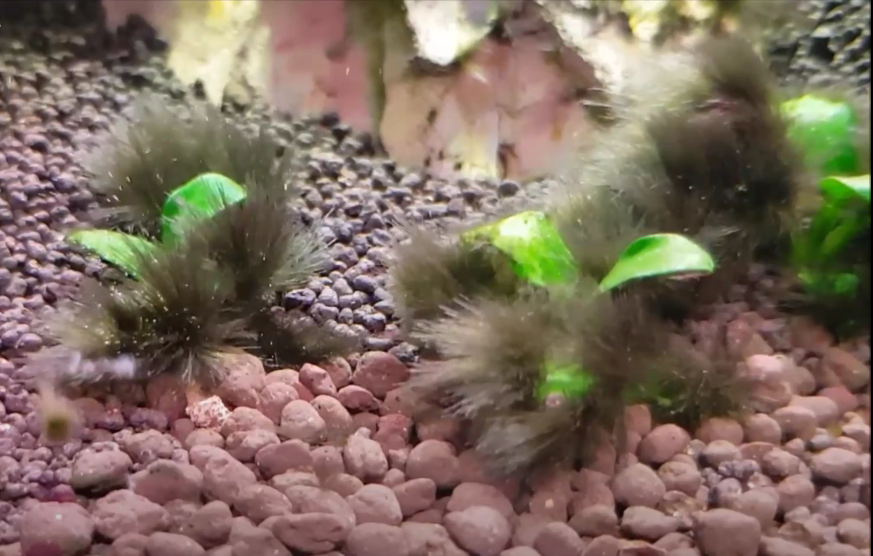
Dimmers let you lower light intensity. Lower light helps reduce algae without harming plants or fish.
- Use timers to turn lights on and off automatically
- Adjust dimmers to find the best light level
- Combine timers and dimmers for precise control
Credit: www.co2art.us
Maintaining Water Quality
Good water quality helps keep your aquarium clean and healthy. It stops algae from growing too much. Proper care helps your fish and plants live well.
Focus on keeping water clear and balanced. This means controlling waste, chemicals, and nutrients in the tank. These steps reduce algae growth naturally.
Regular Water Changes
Changing water often removes waste and extra nutrients. This lowers algae food and keeps water fresh. It also reduces toxins that harm fish.
Replace 10-20% of the water every week. Use clean, treated water that matches tank temperature. Avoid sudden large changes that stress fish.
Effective Filtration Systems
Filters clear particles and waste from water. Good filtration helps keep water clean and oxygen-rich. It also stops debris that feeds algae.
Choose filters based on tank size and species needs. Clean filter media regularly to keep flow strong. Replace parts as recommended by the maker.
- Mechanical filters remove solid waste
- Biological filters break down harmful substances
- Chemical filters remove odors and discoloration
Monitoring Ph And Nutrients
Test pH levels often to keep water balanced. Most fish need a stable pH between 6.5 and 7.5. Sudden changes can harm fish and plants.
Check nutrient levels like nitrates and phosphates. High levels feed algae growth. Use test kits to track these and adjust care as needed.
- Keep nitrate levels under 20 ppm
- Keep phosphate levels low to limit algae
- Use water conditioners if pH drifts
Algae-eating Species And Tools
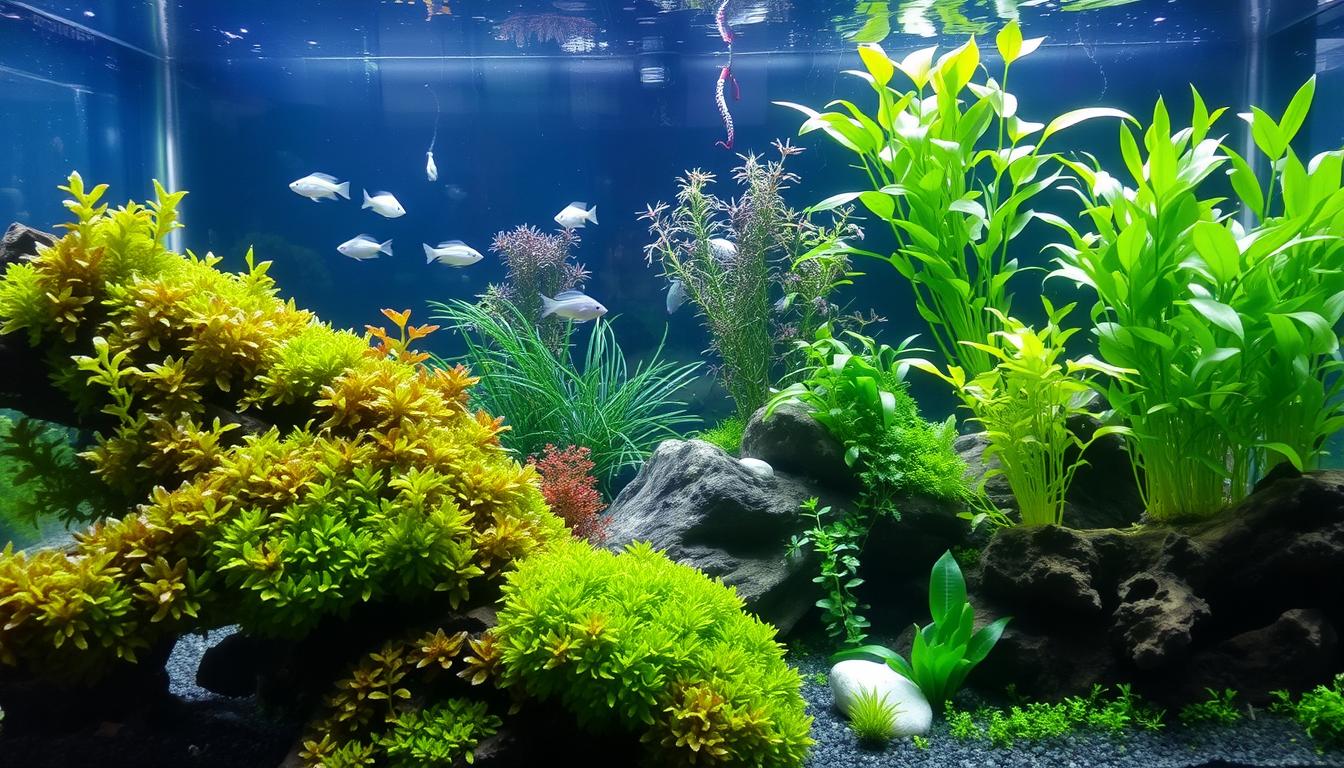
Algae can quickly take over species-specific aquariums. Controlling algae keeps your tank healthy and clear. Using algae-eating species and tools helps manage growth naturally.
Choosing the right algae eaters and combining them with removal methods stops algae from spreading. Safe chemical treatments can also help if used carefully.
Selecting Compatible Algae Eaters
Pick algae-eating species that suit your aquarium’s size and inhabitants. Some species eat only certain algae types. Avoid species that harm plants or other fish.
- Siamese algae eaters: Great for green algae and safe with many fish
- Amano shrimp: Eat soft algae and clean surfaces gently
- Otocinclus catfish: Small and peaceful algae eaters for planted tanks
- Nerite snails: Eat hard-to-remove algae without harming plants
- Cherry shrimp: Good for light algae and add color to tanks
Manual Removal Techniques
Removing algae by hand helps keep the tank clean. Use tools to reach hard spots and avoid disturbing fish or plants.
| Tool | Use | Tip |
| Algae scraper | Scrapes algae off glass | Use gentle strokes to avoid scratches |
| Magnetic cleaner | Cleans glass without getting hands wet | Move slowly for best results |
| Soft brush | Removes algae from plants and decorations | Use a toothbrush or paintbrush |
| Gravel vacuum | Removes algae and debris from substrate | Vacuum during water changes |
Using Chemical Treatments Safely
Chemical treatments can stop algae but may harm fish or plants. Follow instructions and use only if other methods fail.
- Choose algae treatments labeled safe for your species
- Test water parameters before and after use
- Use small doses to avoid stressing fish
- Remove activated carbon from filters during treatment
- Perform water changes after treatment to remove chemicals
Credit: jungleaquatics.com
Aquarium Maintenance Tips
Keeping algae under control is important for healthy aquariums. Good maintenance helps prevent algae growth. This guide gives simple tips to keep your tank clean and balanced.
Each species-specific aquarium needs care that fits its environment. Follow these steps to reduce algae and keep fish and plants safe.
Cleaning Equipment And Decorations
Regular cleaning removes algae and debris from your aquarium. Clean tools and decorations often to stop algae from spreading. Use gentle brushes to avoid damage.
- Rinse filters and pumps weekly
- Scrub decorations with a soft brush
- Use algae scrapers on glass surfaces
- Replace worn-out cleaning tools
- Avoid harsh chemicals that harm fish
Managing Feeding To Reduce Waste
Overfeeding causes leftover food that algae use to grow. Feed your fish only what they can eat in a few minutes. Remove uneaten food quickly.
- Feed small amounts at a time
- Observe fish eating habits
- Adjust food quantity as needed
- Remove leftover food after feeding
- Use high-quality fish food
Balancing Plant Growth
Plants compete with algae for nutrients. Healthy plants reduce algae growth by using available nutrients. Trim plants regularly to keep balance.
| Plant Care | Effect on Algae |
| Regular trimming | Limits nutrient supply to algae |
| Proper lighting | Supports plant health, reduces algae |
| Fertilize carefully | Prevents excess nutrients |
Frequently Asked Questions
How Can I Control Algae In Species-specific Aquariums?
Control algae by maintaining proper lighting, regular water changes, and avoiding overfeeding. Use algae-eating species suitable for your aquarium to naturally reduce algae growth.
What Causes Algae Growth In Aquariums?
Algae thrive due to excess light, high nutrient levels, and poor water circulation. Overfeeding and infrequent cleaning also contribute to rapid algae growth.
Which Fish Help Prevent Algae In Aquariums?
Certain species like Siamese algae eaters, otocinclus catfish, and Amano shrimp help control algae naturally without harming other species.
How Often Should I Clean My Aquarium To Prevent Algae?
Clean your aquarium weekly by removing debris, changing 10-20% of the water, and scrubbing algae off surfaces. This keeps nutrients balanced and algae minimal.
Conclusion
Preventing algae growth keeps your aquarium clean and healthy. Regular water changes help stop algae from spreading. Control light exposure to limit algae’s food source. Use species-specific plants and fish that do not promote algae. Avoid overfeeding to reduce excess nutrients in water.
Clean filters and decorations often to remove algae buildup. These small steps protect your aquatic life and improve tank clarity. A balanced, well-maintained tank creates a better home for your species. Simple habits make a big difference in algae control.
Keep your aquarium bright and clear by staying consistent.