
Are you tired of your fish food losing its freshness too quickly? Knowing how to preserve fish food properly can save you money and keep your aquatic pets healthy and happy.
When your fish food stays fresh, it keeps its nutrients intact, ensuring your fish get the best diet every time. You’ll discover simple, effective tips that anyone can use to extend the life of their fish food. Stick with me, and you’ll never have to worry about stale or spoiled fish food again.
Ready to learn how? Let’s dive in!
Choosing Quality Fish Food
Good fish food helps keep your fish healthy. Choosing the right food starts with checking its quality.
Fresh and clean ingredients make a big difference in fish health. Learn how to pick the best fish food.
Identifying Fresh Ingredients
Fresh fish food has clear labels showing real ingredients. Avoid food with unknown or artificial items.
Look for natural colors and no strong bad smells. Fresh ingredients keep fish healthy and active.
- Check the ingredient list for real fish or shrimp
- Avoid food with too many fillers like corn or wheat
- Smell the food; fresh food has a mild ocean scent
- Choose food with bright, natural colors
Avoiding Contaminated Products
Contaminated fish food can harm your fish quickly. Buy from trusted brands with clean packaging.
Check for damage or leaks in the package. Contamination often happens through poor storage or handling.
- Do not buy food with broken or torn packaging
- Avoid food stored in wet or dirty places
- Check expiration dates to ensure freshness
- Store fish food in a cool, dry place at home
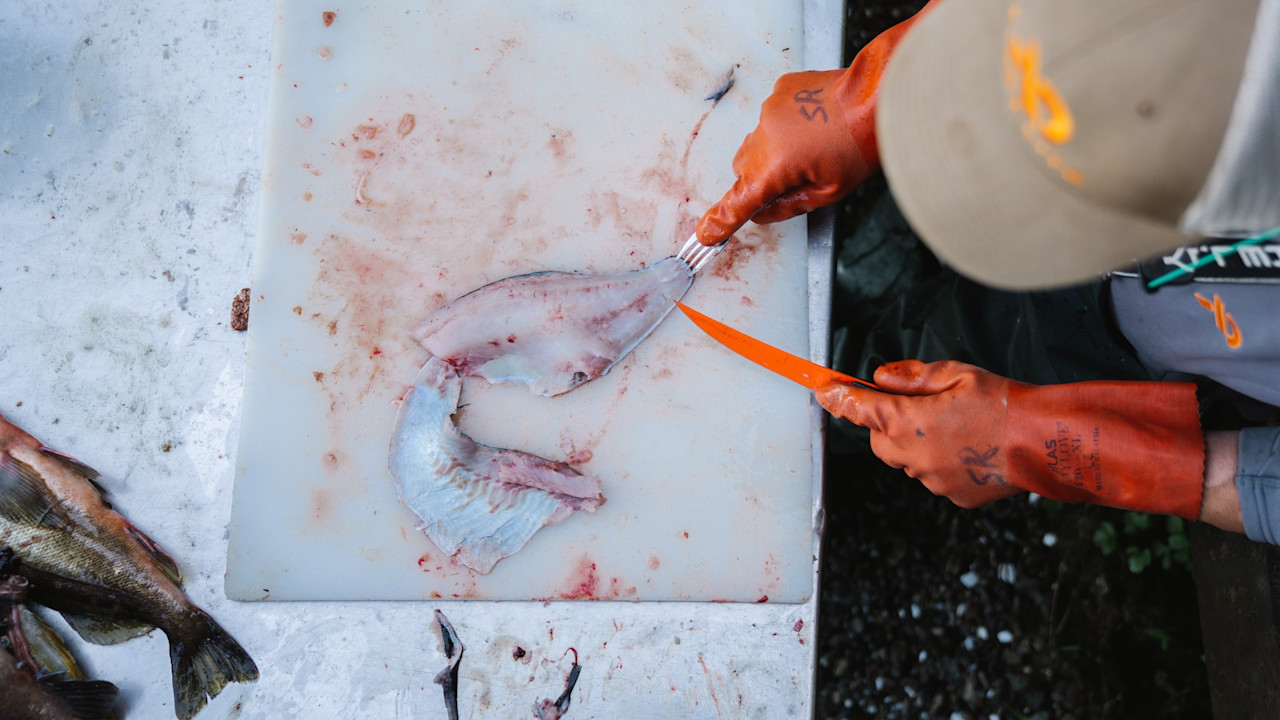
Credit: www.themeateater.com
Proper Storage Techniques
Preserving fish food correctly keeps it fresh and safe for your fish. Bad storage can spoil food quickly.
Use the right methods to avoid waste and maintain nutrition. Good storage helps your fish stay healthy.
Ideal Temperature Settings
Keep fish food in a cool, dry place. Room temperature between 50°F and 70°F (10°C to 21°C) works well.
Avoid heat and sunlight, which cause fats to go bad. Cold storage like a refrigerator can extend shelf life.
Sealed Containers And Packaging
Use airtight containers to store fish food. This stops air and pests from spoiling the food.
- Choose containers with tight lids
- Use original packaging if resealable
- Label containers with the purchase date
- Do not mix old and new food
Avoiding Moisture Exposure
Keep fish food dry. Moisture causes mold and bacteria growth that harms your fish.
| Storage Tip | Effect of Moisture |
|---|---|
| Store in dry area | Prevents mold and clumping |
| Use moisture-absorbing packets | Reduces humidity inside containers |
| Do not open containers near water | Avoids accidental wetting |
Freezing Fish Food
Freezing is a common way to keep fish food fresh for a long time. It helps preserve nutrients and stops spoilage. Proper freezing protects the food’s quality and taste.
Knowing when to freeze and how to thaw frozen fish food is important. These steps keep the food safe and nutritious for your fish.
When To Freeze
Freeze fish food as soon as you buy or prepare it. Fresh food freezes best before it spoils. Avoid freezing food that shows signs of decay or smell.
- Freeze fresh food within 24 hours of purchase or preparation.
- Divide large amounts into small portions before freezing.
- Use airtight containers or freezer bags to prevent freezer burn.
- Label packages with the date of freezing for easy tracking.
Safe Thawing Methods
Thaw fish food safely to keep its quality and avoid harmful bacteria. Never thaw food at room temperature for long periods.
| Thawing Method | Description | Time |
| Refrigerator | Place frozen food in the fridge to thaw slowly. | Several hours to overnight |
| Cold Water | Seal food in a waterproof bag and submerge in cold water. | 1 to 2 hours |
| Use Immediately | Thaw small amounts in fish tanks or feeding area if safe. | Within minutes |

Credit: switchfisher.com
Using Preservatives Safely
Preserving fish food is important to keep it fresh and safe. Using preservatives can help extend the shelf life of fish food.
It’s crucial to use preservatives safely to avoid harming the fish. Let’s explore how to use them correctly.
Natural Vs Chemical Preservatives
Natural preservatives come from plants or minerals. They are often safer for fish and the environment.
Chemical preservatives are synthetic. They are more powerful but can be harmful if used in excess.
- Natural: Salt, vinegar, and citric acid
- Chemical: BHT, BHA, and ethoxyquin
Dosage And Application Tips
Using the right amount of preservative is key. Too much can be toxic, while too little won’t work.
Follow the instructions on the preservative package. Always measure carefully before adding it to the fish food.
- Read labels for exact dosages
- Use measuring spoons for accuracy
- Mix well to ensure even distribution
Signs Of Spoiled Fish Food
Fish food can spoil if not stored properly. Spoiled food harms your fish and wastes money.
Learn to spot signs of spoiled fish food to keep your fish healthy and safe.
Visual Indicators
Spoiled fish food often changes in look. Check for unusual colors or textures before use.
- Clumps or hard lumps in dry food
- Mold spots or white fuzzy growth
- Color changes from original shade
- Oily or sticky surfaces on flakes or pellets
- Discoloration or dark spots on freeze-dried food
Smell Indicators
Fresh fish food has a mild smell. Spoiled food often smells bad or sour.
- Rancid or sour odor
- Strong fishy or ammonia-like smell
- Musty or moldy scent
Effects On Fish Health
Feeding spoiled fish food can make fish sick. It affects their digestion and immune system.
Look for signs of illness if you suspect spoiled food was fed.
- Loss of appetite
- Swollen belly or bloating
- Abnormal swimming or lethargy
- Skin sores or discoloration
- Increased risk of infections
Extending Shelf Life With Supplements
Preserving fish food is important for fish health and longevity. Using supplements can help extend the shelf life of fish food.
Supplements like antioxidants and probiotics can improve the quality and duration of fish food storage.
Antioxidants And Their Benefits
Antioxidants are compounds that prevent oxidation in fish food. Oxidation can cause fish food to spoil faster.
- Vitamin E slows down food spoilage
- Vitamin C helps maintain food freshness
- Natural antioxidants like rosemary extract are effective
Probiotics In Fish Food
Probiotics are live bacteria that support digestive health in fish. They can also help in preserving fish food.
| Probiotic Type | Benefit |
| Lactobacillus | Aids digestion |
| Bifidobacterium | Boosts immune system |
| Enterococcus | Enhances nutrient absorption |
Maintaining Freshness During Feeding
Keeping fish food fresh is important for healthy fish. Fresh food helps fish eat well and stay active.
Proper feeding habits can stop food from going bad. This helps keep the tank clean and fish safe.
Portion Control
Feed fish only the amount they can eat in a few minutes. Too much food can spoil quickly.
Small portions reduce waste and keep the water clean. Overfeeding causes leftover food to rot.
- Offer food in small amounts
- Feed 2-3 times a day
- Adjust portions based on fish size
Avoiding Cross-contamination
Use clean tools when handling fish food. Dirty tools can carry germs that harm fish.
Keep food containers closed to stop dust and bacteria from entering. Avoid mixing old and new food.
- Use separate spoons or cups for food
- Wash hands before feeding
- Store food in airtight containers

Credit: coloradopondpros.com
Frequently Asked Questions
How Do I Store Fish Food To Keep It Fresh?
Store fish food in a cool, dry place away from sunlight. Use airtight containers to prevent moisture and contamination. Avoid exposure to heat and humidity to extend shelf life and maintain nutritional value.
Can Freezing Fish Food Preserve Its Quality?
Yes, freezing fish food can slow down spoilage. Use sealed, moisture-proof bags to prevent freezer burn. Thaw food gradually before use to maintain texture and nutrients.
How Long Does Fish Food Stay Fresh?
Dry fish food typically stays fresh for 6 months unopened. Once opened, use within 1-2 months for best quality. Always check for mold or odor before feeding.
Should I Keep Fish Food Away From Humidity?
Yes, humidity causes fish food to clump and spoil. Store food in airtight containers with desiccants if possible. Keep containers in a dry, cool environment to prevent moisture buildup.
Conclusion
Preserving fish food helps keep it fresh and safe for your fish. Store it in a cool, dry place away from sunlight. Use airtight containers to stop moisture and pests. Check food regularly for signs of spoilage or mold. Proper storage saves money and keeps fish healthy.
Small steps make a big difference in food quality. Follow these tips to enjoy longer-lasting fish food. Your fish will thank you with better health and energy. Simple care leads to great results.