
Are you worried about heavy metals building up in your body? These toxic substances can quietly affect your health without you even realizing it.
But don’t worry—you have the power to neutralize heavy metals and protect your well-being. You’ll discover simple, effective steps to reduce heavy metal exposure and help your body detox safely. Keep reading to take control of your health and feel better every day.

Credit: www.tandfonline.com
Sources Of Heavy Metal Exposure
Heavy metals are substances found in the environment. Some metals can harm the body if exposure is high. Knowing where they come from helps reduce risks.
People meet heavy metals in many ways. These include air, water, food, and certain jobs. It is important to identify these sources to stay safe.
Common Heavy Metals In The Environment
Heavy metals like lead, mercury, arsenic, cadmium, and chromium are common in nature. They enter soil, water, and air from natural and human actions.
- Lead can come from old paint and contaminated soil.
- Mercury is found in some fish and industrial waste.
- Arsenic may enter water from natural deposits or pesticides.
- Cadmium is released by mining and burning fossil fuels.
- Chromium appears in industrial pollution and some water sources.
Everyday Items That Contain Heavy Metals
Many daily products have small amounts of heavy metals. Using or touching these items can cause exposure over time.
| Item | Heavy Metal |
| Old paint | Lead |
| Batteries | Cadmium |
| Fish (certain types) | Mercury |
| Jewelry | Nickel, Lead |
| Cigarettes | Cadmium, Lead |
Occupational And Environmental Risks
Some jobs expose workers to heavy metals more than others. Mining, construction, and manufacturing are common examples.
- Miners may inhale dust with lead or arsenic.
- Construction workers might handle old paint with lead.
- Factory workers can contact chromium or cadmium.
- Farmers may use pesticides with arsenic.
- People near factories risk polluted air and water.
Health Effects Of Heavy Metals
Heavy metals can harm your health in many ways. These metals enter the body through food, water, or air.
Understanding the health effects helps in taking steps to reduce exposure and protect yourself.
Short-term Symptoms
Exposure to heavy metals can cause immediate health problems. These symptoms may appear within hours or days.
- Nausea and vomiting
- Headaches and dizziness
- Abdominal pain
- Muscle weakness
- Skin irritation or rashes
Long-term Health Risks
Long-term exposure to heavy metals can cause serious health issues. These risks often develop slowly over years.
| Heavy Metal | Possible Long-Term Effects |
| Lead | Brain damage, kidney problems |
| Mercury | Nervous system damage, memory loss |
| Cadmium | Lung disease, bone weakness |
| Arsenic | Skin cancer, heart disease |
Impact On Vulnerable Populations
Some groups are more at risk from heavy metal exposure. Babies, children, and pregnant women need extra care.
Heavy metals can affect these groups more severely:
- Infants and Children:Growth delays, learning difficulties.
- Pregnant Women:Risk of birth defects and pregnancy complications.
- Elderly:Increased chance of chronic diseases.
Natural Detox Methods
Heavy metals can build up in the body from food, water, or air. Removing them helps improve health and energy.
Natural detox methods use foods, herbs, and good habits to clear heavy metals safely and gently.
Foods That Aid Heavy Metal Removal
Some foods help remove heavy metals by binding to toxins or supporting the liver and kidneys. Eating these foods supports natural detox.
- Leafy greens like spinach and kale help flush out metals.
- Cilantro can bind to mercury and lead for easier removal.
- Garlic contains sulfur, which supports detox enzymes.
- Chlorella, a green algae, grabs onto metals in the gut.
- Fiber-rich foods like apples and oats aid digestion and toxin removal.
Herbs And Supplements For Detox
Certain herbs and supplements boost the body’s ability to remove heavy metals. They can support liver and kidney function.
- Milk thistle protects the liver and helps process toxins.
- Spirulina is a blue-green algae that may help bind metals.
- Activated charcoal absorbs toxins in the digestive system.
- Turmeric reduces inflammation and supports detox pathways.
- Zeolite clay can trap heavy metals and help remove them.
Hydration And Its Role In Detoxification
Drinking enough water helps flush heavy metals from the body through urine and sweat. Proper hydration supports detox organs.
Water aids digestion and keeps the kidneys working well. Herbal teas also help with hydration and detox effects.
- Drink at least 8 glasses of water daily.
- Try herbal teas like dandelion or green tea for added benefits.
- Avoid sugary drinks that can slow detox processes.
Medical Detox Techniques
Heavy metals can build up in the body and cause health problems. Medical detox helps remove these harmful metals safely. It uses special treatments under expert care.
This guide explains key medical detox techniques. It covers how chelation works, the benefits and risks, and when to get professional help.
Chelation Therapy Explained
Chelation therapy uses medicines called chelators. These bind to heavy metals in the blood. The body then removes the metals through urine.
- Common chelators include EDTA, DMSA, and DMPS.
- The therapy can be given by injection or pills.
- Treatment length depends on metal type and level.
- Doctors monitor patients closely during therapy.
Benefits And Risks Of Medical Detox
| Benefits | Risks |
| Removes harmful metals from body | Possible kidney damage |
| May improve symptoms like fatigue | Risk of low minerals like calcium |
| Supports overall health | May cause allergic reactions |
| Helps prevent metal-related diseases | Not safe for everyone, like pregnant women |
Medical detox can help many people. Still, it needs expert guidance to avoid problems. Patients should discuss risks with their doctor.
When To Seek Professional Help
Heavy metal poisoning needs medical attention. Signs include stomach pain, weakness, and confusion. If you suspect exposure, see a doctor fast.
- Get tested for heavy metals with blood or urine tests.
- Follow your doctor’s advice on detox options.
- Do not try chelation without medical supervision.
- Report any side effects immediately.
- Keep follow-up visits for monitoring progress.
Lifestyle Changes To Reduce Exposure
Reducing exposure to heavy metals helps protect your health. Simple lifestyle changes can lower risks at home and outdoors.
Focus on safe habits with water, air, products, and your environment to limit contact with harmful metals.
Safe Water And Air Practices
Use clean water sources and improve indoor air quality to reduce heavy metal intake. Avoid contaminated water and polluted air.
- Install water filters certified to remove metals like lead and mercury.
- Run taps for a few minutes before use if water has been sitting in pipes.
- Use air purifiers with HEPA filters to capture airborne particles.
- Ventilate rooms often by opening windows or using exhaust fans.
- Keep plants indoors to improve air quality naturally.
Choosing Non-toxic Products
Select products without heavy metals to avoid exposure through skin or breathing. Check labels and pick safer options.
| Product Type | Safe Alternatives |
| Paints | Water-based, low VOC paints |
| Cosmetics | Metal-free, natural ingredients |
| Cleaning Supplies | Non-toxic, biodegradable formulas |
| Jewelry | Nickel-free or stainless steel |
Home And Workplace Safety Tips
Keep your environment clean and safe. Follow good habits to reduce heavy metal dust and contact.
- Clean floors and surfaces with wet cloths to trap dust.
- Wear protective gear if you work with metals or chemicals.
- Store chemicals and metals safely out of children’s reach.
- Avoid smoking indoors to prevent inhaling toxins.
- Dispose of batteries and electronics properly at recycling centers.
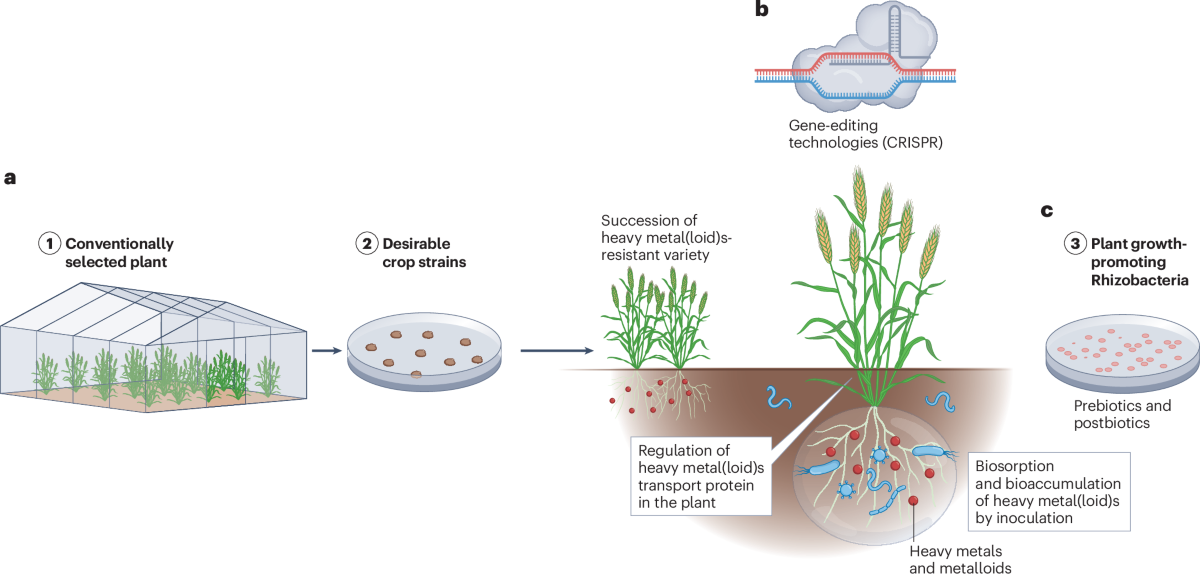
Credit: www.nature.com
Monitoring And Testing For Heavy Metals
Heavy metals can be harmful to health. Testing helps identify their presence. Regular monitoring is crucial for safety.
This guide explains different tests, how to read results, and when to test. Understanding these can help keep environments safe.
Types Of Heavy Metal Tests
There are several ways to test for heavy metals. Different methods check for various metals in water, soil, and food.
- Water testing kits are easy to use at home.
- Soil tests require sending samples to a lab.
- Food tests can detect metals in fruits and vegetables.
Interpreting Test Results
Understanding test results is important. Results show metal levels compared to safe limits. Knowing this helps you take action.
| Metal | Safe Limit (ppm) | Action Required |
| Lead | 0.01 | Yes, if above limit |
| Mercury | 0.002 | Yes, if above limit |
| Cadmium | 0.005 | Yes, if above limit |
Frequency Of Testing
Regular testing ensures ongoing safety. Frequency depends on the environment and past results. Testing helps catch changes early.
Contact local health departments for advice on testing intervals.
Myths And Facts About Heavy Metal Detox
Heavy metal detox is a popular topic. Many people are concerned about heavy metals in their bodies. It’s important to know the facts from the myths.
Understanding detox methods can help you make better health choices. Let’s explore some common misconceptions and evidence-based strategies.
Common Misconceptions
Some believe detox diets remove all heavy metals quickly. This is not true. The body has its own processes for removing toxins naturally.
Another myth is that expensive products are needed for detox. Simple lifestyle changes can be effective without costly supplements.
- Detox diets are not quick fixes
- Expensive products are not always necessary
- Natural body processes help in detoxification
Evidence-based Detox Strategies
Healthy eating supports the body’s detox efforts. Focus on foods rich in vitamins and minerals. They help the body process and remove toxins.
Staying hydrated is crucial. Water helps flush out toxins from the body. Regular exercise also boosts the body’s natural detoxification process.
- Eat foods rich in vitamins and minerals
- Stay hydrated to aid detoxification
- Exercise regularly to support natural processes
Avoiding Harmful Detox Practices
Some detox practices can be harmful. Avoid extreme diets that limit essential nutrients. They can weaken the body and slow down detoxification.
Be cautious with supplements that promise quick detox results. They might contain harmful ingredients. Always consult a healthcare professional before starting any detox program.
- Avoid extreme diets that limit nutrients
- Be cautious with quick-fix detox supplements
- Consult healthcare professionals before starting detox programs
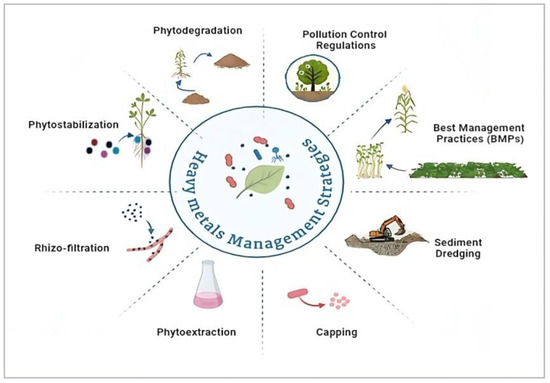
Credit: www.mdpi.com
Frequently Asked Questions
What Are Common Sources Of Heavy Metal Exposure?
Common sources include contaminated water, food, air pollution, and certain industrial products. Heavy metals like lead, mercury, and arsenic often enter the body through these channels. Identifying these sources helps in minimizing exposure and protecting health effectively.
How Can Diet Help Neutralize Heavy Metals?
Certain foods like cilantro, garlic, and chlorella can bind heavy metals and promote detoxification. A diet rich in antioxidants and fiber supports the body’s natural cleansing processes. Including these foods regularly may reduce heavy metal buildup safely.
What Role Does Chelation Therapy Play In Detox?
Chelation therapy uses agents that bind heavy metals for removal from the body. It is medically supervised and effective for severe heavy metal poisoning. This treatment should only be done under professional guidance to avoid risks.
Are There Natural Supplements To Reduce Heavy Metals?
Supplements like activated charcoal, spirulina, and vitamin C can aid detoxification. These natural agents help capture and eliminate heavy metals gently. Always consult a healthcare provider before starting any supplement regimen.
Conclusion
Neutralizing heavy metals helps protect your health and environment. Simple steps can reduce risks and improve safety. Use natural methods like plants and special minerals. Avoid exposure by checking water, soil, and food sources. Stay informed and act early to prevent harm.
Clean surroundings create a healthier life for everyone. Small changes make a big difference over time. Keep learning and applying safe practices every day. Your efforts matter for a cleaner, safer world.