
Are you struggling to keep your fish healthy and happy? One key factor you might be overlooking is water hardness.
Different fish species need different water conditions to thrive, and managing water hardness correctly can make all the difference. You’ll discover simple, practical ways to adjust and control water hardness tailored to your fish’s unique needs. By the end, you’ll have the confidence to create the perfect environment for your aquatic friends, ensuring they live longer and more vibrant lives.
Keep reading to unlock the secrets to mastering water hardness for your species-specific fish!

Credit: www.mdpi.com
Water Hardness Basics
Water hardness is the measure of minerals in water. It mainly shows how much calcium and magnesium are present. These minerals affect fish health and water quality.
Different fish species need different hardness levels. Understanding water hardness helps keep fish healthy and happy.
Types Of Water Hardness
There are two main types of water hardness. Each type affects fish and plants in different ways.
- Temporary Hardness:Caused by bicarbonates of calcium and magnesium. It can be removed by boiling water.
- Permanent Hardness:Caused by sulfates and chlorides of calcium and magnesium. It stays even after boiling.
Measuring Hardness Levels
Measuring water hardness is important for fish care. It helps you adjust water conditions to suit fish needs.
| Measurement Type | Unit | Description |
|---|---|---|
| General Hardness (GH) | mg/L or ppm | Measures total calcium and magnesium ions. |
| Carbonate Hardness (KH) | mg/L or ppm | Measures carbonate and bicarbonate ions that affect pH stability. |
Impact On Fish Health
Water hardness affects fish in many ways. Some fish prefer soft water, while others need hard water.
- Soft water can cause stress to hard water fish.
- Hard water may harm soft water fish by damaging their gills.
- Proper hardness supports healthy growth and breeding.
- Incorrect hardness can lead to diseases and poor immune response.
Fish Species And Hardness Needs
Water hardness affects fish health and comfort. Different fish need different hardness levels. Knowing the right hardness helps keep fish healthy.
Water hardness measures minerals like calcium and magnesium. Soft water has low minerals. Hard water has high minerals. Some fish live well in both.
Soft Water Fish
Soft water fish need water with low mineral content. They come from areas with little dissolved calcium and magnesium. These fish may struggle in hard water.
- Neon Tetras
- Discus
- Angelfish
- Cardinal Tetras
- Rummy Nose Tetras
Hard Water Fish
Hard water fish thrive in water with higher minerals. They are used to lakes and rivers with rich mineral content. Hard water helps their bones and scales stay strong.
| Fish Species | Preferred Hardness (dGH) | Notes |
| Guppies | 10-20 | Adapt well to hard water |
| Convict Cichlids | 12-20 | Require stable hardness |
| Oscar Fish | 10-20 | Benefit from minerals for growth |
| Silver Dollars | 15-25 | Prefer harder water |
Species With Flexible Requirements
Some fish can live in soft or hard water. They adjust to different mineral levels easily. This flexibility makes them easier to care for in mixed setups.
Examples of flexible fish include:
- Platies
- Danios
- Betta Fish
- Rainbowfish
- Zebra Danios
Adjusting Water Hardness
Water hardness affects fish health and comfort. Different fish species need different hardness levels.
Adjusting water hardness helps keep fish healthy. You can increase or reduce hardness safely.
Increasing Hardness Safely
Increase water hardness slowly to avoid stressing your fish. Sudden changes can harm them.
Add minerals like calcium or magnesium carefully. Use crushed coral or limestone in your filter or substrate.
- Add small amounts of crushed coral gradually
- Use limestone rocks to raise hardness
- Monitor water hardness every few days
- Change water slowly to avoid shock
Reducing Hardness Methods
Lower hardness by diluting water with soft or distilled water. This reduces minerals in the tank.
Use natural materials like peat moss or driftwood to soften water. They release tannins that reduce hardness.
- Replace part of tank water with soft or distilled water
- Use peat moss in your filter to soften water
- Add driftwood to release softening tannins
- Test water hardness regularly during changes
Using Commercial Products
Commercial products can adjust hardness quickly. Use them according to the instructions to avoid problems.
Some products add minerals to raise hardness. Others remove minerals to lower hardness. Always test water after use.
- Use mineral additives to increase hardness
- Use water softeners to reduce hardness
- Follow product instructions carefully
- Test water hardness before and after treatment
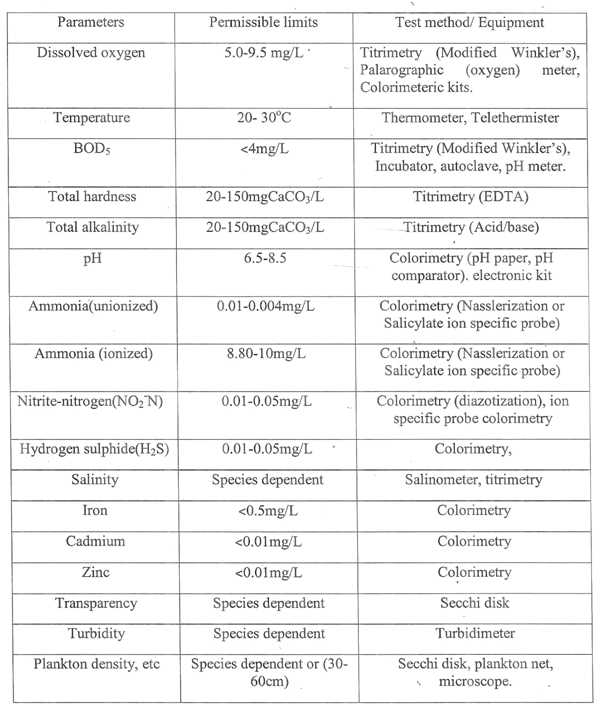
Credit: piusuzukwu.medium.com
Testing And Monitoring
Water hardness affects fish health and comfort. Testing and monitoring help keep levels safe for your species.
Regular checks let you adjust water conditions before problems start. Use reliable methods for accurate results.
Choosing Test Kits
Select test kits made for aquarium use. They measure calcium and magnesium, the main hardness minerals.
- Liquid test kits offer precise readings.
- Test strips provide quick, easy checks.
- Digital testers give instant numerical data.
- Check kit expiration dates for accuracy.
Frequency Of Testing
Test water hardness regularly to protect your fish. Different species need different schedules.
| Fish Species | Testing Frequency |
| Soft water species (e.g., Discus) | Weekly |
| Hard water species (e.g., African Cichlids) | Biweekly |
| General community tanks | Monthly |
Interpreting Results
Check if hardness levels match your fish’s needs. Use results to decide on water changes or additives.
Hardness categories:
- Soft water: 0–60 mg/L (ppm)
- Moderate hardness: 61–120 mg/L (ppm)
- Hard water: 121–180 mg/L (ppm)
- Very hard water: 181+ mg/L (ppm)
Maintaining Stable Conditions
Water hardness affects the health of species-specific fish. Keeping water hardness steady helps fish live longer. Sudden changes can stress or harm them.
Stable water hardness supports natural behavior and proper growth. Fish adapt best in a consistent environment.
Regular Water Changes
Changing water regularly keeps hardness levels balanced. It removes waste and minerals that build up over time. Use water with similar hardness to avoid shocks.
Test water hardness before and after changes. Adjust the new water to match the tank’s conditions. Small, frequent changes work better than large, rare ones.
- Change 10-20% of water weekly
- Use water tested for hardness
- Mix new water slowly into the tank
Substrate And Decorations Effects
Substrate and decorations can affect water hardness. Some rocks and sand release minerals that increase hardness. Choose materials that fit your fish’s needs.
Avoid substrates that change hardness too much. Test the water regularly to catch any shifts caused by decorations.
- Use inert substrates for stable hardness
- Avoid limestone or coral if fish need soft water
- Replace or clean decorations if hardness rises
Avoiding Sudden Fluctuations
Sudden changes in hardness stress fish and can cause illness. Add water slowly and monitor hardness levels often. Avoid mixing very hard and very soft water quickly.
Keep equipment like filters and conditioners consistent. Make changes over several days to help fish adjust.
- Mix water slowly to match hardness
- Test water before adding to tank
- Make gradual changes over time
Troubleshooting Common Issues
Managing water hardness is key for fish health. Different fish species need specific hardness levels.
Understanding signs of stress and knowing corrective actions can help you maintain a balanced environment.
Signs Of Hardness Stress
Fish can show stress if water hardness is not suitable. Look for these signs in your fish:
- Erratic swimming patterns
- Loss of appetite
- Discoloration or dullness in scales
- Gasping at the water surface
Corrective Actions
Adjusting water hardness can improve fish health. Here are some methods to correct hardness levels:
| Action | Purpose |
| Use water softeners | Reduce hardness |
| Add crushed coral | Increase hardness |
| Change water regularly | Maintain balance |
When To Consult Experts
Sometimes, expert advice is necessary. Contact professionals if you notice persistent issues.
- Unexplained fish deaths
- Unusual water chemistry changes
- Persistent stress signs

Credit: www.completekoi.com
Frequently Asked Questions
What Is Water Hardness In Aquarium Fish Tanks?
Water hardness measures dissolved minerals like calcium and magnesium in water. It affects fish health and behavior, making it crucial to manage for species-specific needs.
How To Test Water Hardness For Specific Fish Species?
Use a water hardness test kit to measure GH and KH levels. Testing regularly ensures the water matches your fish species’ preferred hardness range.
Why Is Managing Water Hardness Important For Fish Health?
Proper water hardness maintains fish osmoregulation and prevents stress. Incorrect hardness can cause illness, poor growth, and affect breeding success in sensitive species.
How Can I Soften Hard Water For My Aquarium?
Add peat moss, driftwood, or use reverse osmosis water to reduce hardness. These methods lower mineral content, creating a suitable environment for soft-water fish.
Conclusion
Managing water hardness keeps your fish healthy and happy. Test water regularly to know its hardness level. Adjust hardness slowly to avoid stressing your fish. Use proper treatments suited for your fish species. Keep learning about your fish’s needs and water conditions.
Healthy water means strong fish and a beautiful aquarium. Small steps make a big difference in fish care. Enjoy watching your fish thrive in the perfect water.