
If you want your fish to thrive, managing the pH of your aquarium water is crucial. Every species has its own ideal pH range, and even small changes can stress your aquatic pets or harm their health.
But how do you keep the pH just right for your specific fish? You’ll discover simple, effective ways to monitor and adjust your aquarium’s pH. By understanding these key steps, you’ll create a healthy environment where your fish can flourish.
Keep reading to learn how to take control of your aquarium’s pH and give your species the perfect home.
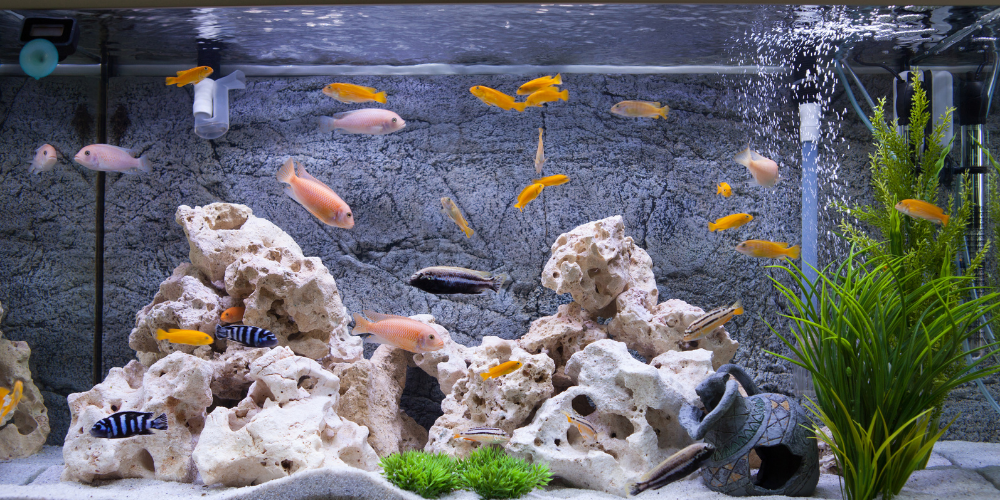
Credit: www.pond-planet.co.uk
Importance Of Ph In Aquariums
pH measures how acidic or basic water is in an aquarium. It is important to keep pH stable for healthy fish and plants.
Different species need different pH levels. Knowing the right pH helps you care for your aquarium better.
Effects On Fish Health
Fish are sensitive to pH changes. If pH is too low or too high, fish can get stressed or sick.
Keeping pH in the right range helps fish grow well and live longer.
- Low pH can cause breathing problems
- High pH can damage fish skin and gills
- Sudden pH changes shock fish and weaken their immune system
Impact On Plant Growth
Plants need a certain pH to absorb nutrients from water. Wrong pH can stop plants from growing.
Good pH levels help plants stay green and healthy in the aquarium.
- Low pH can cause nutrient deficiencies
- High pH can block nutrient uptake
- Balanced pH supports strong root growth
Influence On Beneficial Bacteria
Beneficial bacteria clean the water by breaking down waste. They need stable pH to work well.
Poor pH can kill these bacteria, causing bad water quality and harming fish.
- Neutral pH helps bacteria grow
- Extreme pH levels slow bacteria activity
- Stable pH keeps the nitrogen cycle running
Ideal Ph Levels For Popular Species
Managing pH levels in an aquarium is crucial for the health of your fish. Different species thrive in specific pH ranges. Understanding these needs helps create a balanced environment.
This guide covers the ideal pH levels for various types of aquatic species. Ensuring the right pH can make a significant difference in their well-being.
Tropical Freshwater Fish
Tropical freshwater fish prefer slightly acidic to neutral water. Maintaining the right pH can help prevent stress and disease.
- Neon Tetras: 6.0 to 7.0
- Angelfish: 6.5 to 7.0
- Discus: 6.0 to 6.5
Saltwater Species
Saltwater species often require alkaline conditions. Proper pH levels are vital to mimic their natural habitat and keep them healthy.
| Species | Ideal pH |
| Clownfish | 8.0 to 8.4 |
| Tangs | 8.1 to 8.4 |
| Butterflyfish | 8.0 to 8.4 |
Coldwater Fish
Coldwater fish like goldfish are more adaptable to various pH levels. Still, keeping a stable range is important for their comfort.
Invertebrates And Amphibians
Invertebrates and amphibians are sensitive to pH changes. A stable environment ensures their survival and growth.
- Snails: 7.0 to 8.0
- Frogs: 6.5 to 7.5
- Shrimp: 6.5 to 8.0
Testing Aquarium Ph
Managing the pH in your aquarium is key to keeping fish healthy. Different fish species need different pH levels.
Regular testing helps you keep the pH stable and safe for your aquatic pets.
Types Of Ph Test Kits
There are several ways to test aquarium pH. Each kit type works differently and has pros and cons.
- Liquid Test Kits:Use drops that change color to show pH levels.
- Test Strips:Dip strips in water and compare colors to a chart.
- Digital pH Meters:Electronic devices that give a quick, precise reading.
Choose a test kit that fits your budget and accuracy needs.
Frequency Of Testing
Test your aquarium pH regularly to keep the environment stable. Fish health depends on it.
- Test daily for new tanks or changing fish species.
- Test twice a week for established tanks.
- Test after water changes or adding treatments.
More frequent tests help catch pH problems early.
Interpreting Test Results
Read your test results carefully. Each fish species has an ideal pH range.
| Fish Species | Ideal pH Range |
|---|---|
| Discus | 6.0 – 7.0 |
| Goldfish | 7.0 – 8.0 |
| Neon Tetras | 6.0 – 7.0 |
| Cichlids | 7.5 – 8.5 |
If pH is outside the ideal range, adjust it slowly to avoid stressing fish.
Adjusting Ph Safely
Maintaining the right pH level in your aquarium is key for your fish’s health. Different species need different pH levels to thrive.
Adjusting pH safely helps avoid stress and illness in your aquatic pets. Always change pH slowly and carefully.
Raising Ph Levels
You can raise pH by adding substances that reduce acidity. This creates a better environment for fish that prefer alkaline water.
Do not raise pH too fast. Sudden changes can harm fish and plants.
- Add crushed coral or limestone to the filter or substrate
- Use baking soda in very small amounts
- Test water daily to track pH changes
Lowering Ph Levels
Lower pH to create an acidic environment for species that need it. Use gentle methods to avoid shocking your fish.
Lower pH slowly over several days or weeks. Rapid drops can cause stress and illness.
- Add peat moss to your filter or tank
- Use driftwood, which releases tannins that lower pH
- Use commercial pH reducers carefully and follow instructions
Using Natural Methods
Natural methods adjust pH gently and improve water quality. These options work well for many freshwater tanks.
Natural materials also add beneficial elements to the aquarium, supporting fish health and plant growth.
- Use driftwood to lower pH and add tannins
- Add crushed coral or shells to raise pH
- Use peat moss in filters for mild acidity
- Regular water changes help keep pH stable
Chemical Adjustments And Precautions
Chemical products can change pH quickly. Use them only if natural methods do not work or if you need fast results.
Always test water before and after adding chemicals. Follow product instructions carefully to protect your fish.
- Use pH buffers made for aquariums
- Never overdose; add chemicals in small amounts
- Monitor fish behavior for signs of stress
- Keep water temperature and hardness stable during changes
Maintaining Stable Ph
Keeping the pH stable in your aquarium is important for fish health. Different fish need different pH levels to live well.
Sudden changes in pH can stress or harm your fish. Use simple steps to keep the water balanced.
Regular Water Changes
Changing water often helps keep pH stable. Old water can build up acids and waste that change pH.
Replace 10-20% of water every week. Use water with the same pH as the tank.
- Test new water pH before adding
- Use a water conditioner to remove chlorine
- Change water slowly to avoid shocks
Proper Filtration
Good filters remove waste that can change pH. They keep the water clean and clear.
Choose a filter that fits your tank size. Clean the filter media regularly but keep some bacteria.
- Use biological filtration for good bacteria
- Clean mechanical filters monthly
- Avoid over-cleaning to keep bacteria alive
Avoiding Common Mistakes
Many mistakes can cause pH problems. Avoid adding too many fish at once.
Do not use materials that change pH, like certain rocks or wood. Test water often to catch issues early.
- Do not overfeed fish
- Use pH test kits weekly
- Do not mix incompatible species
- Avoid sudden water changes

Credit: jungleaquatics.com
Tips For Species-specific Ph Management
Different fish and aquatic species need different pH levels to stay healthy. Managing pH correctly helps keep your aquarium balanced and your species happy.
Knowing the right pH for each species lets you create the best environment for them. This guide covers how to handle pH for sensitive species and mixed tanks.
Tailoring Ph To Sensitive Species
Some species need very specific pH ranges to survive. For example, discus fish prefer slightly acidic water, while African cichlids thrive in alkaline conditions.
Adjust the water pH slowly to avoid stressing your fish. Use natural materials like peat moss or crushed coral to change pH gently.
- Research the ideal pH for each species
- Change pH gradually over days or weeks
- Use natural methods for pH adjustment
- Keep water parameters stable to avoid shocks
Monitoring Behavior And Health
Watch your fish closely for signs of stress or illness linked to pH problems. Sudden changes in behavior can mean the pH is off.
Regularly test your aquarium water with a reliable pH meter or test kit. Keep records to track changes and spot issues early.
- Look for lethargy, loss of appetite, or unusual swimming
- Test pH at least once a week
- Note pH levels and fish behavior in a journal
- React quickly to abnormal pH readings
Balancing Ph In Community Tanks
Community tanks have different species with varied pH needs. Find a middle ground that suits all or most species.
Use buffers and regular water changes to keep pH stable. Avoid sudden shifts by adding water slowly and testing often.
- Choose species with similar pH preferences
- Maintain stable pH with buffers or additives
- Do frequent small water changes
- Test pH before and after water changes

Credit: www.familyhandyman.com
Frequently Asked Questions
What Is The Ideal Ph For Different Aquarium Species?
Each fish species thrives within a specific pH range. Research the ideal pH before adding fish. For example, African cichlids prefer alkaline water (pH 7. 8-8. 6), while tetras favor acidic water (pH 6. 0-7. 0).
How Can I Test My Aquarium’s Ph Accurately?
Use a reliable liquid test kit or electronic pH meter for precise readings. Test water regularly to track changes and maintain stability for your species.
What Causes Ph Fluctuations In Aquariums?
PH changes due to biological waste, water source, substrate type, and CO2 levels. Overfeeding or lack of water changes can also cause instability.
How Do I Adjust Aquarium Ph Safely?
Adjust pH slowly using natural methods like driftwood for lowering pH or crushed coral for raising it. Avoid harsh chemicals to prevent stress in fish.
Conclusion
Keeping aquarium pH balanced helps fish stay healthy and happy. Different fish need different pH levels to thrive. Test water regularly to spot changes early. Use safe products to adjust pH gently. Watch your fish for signs of stress or illness.
Clean the tank often to keep water quality high. Small steps make a big difference over time. Healthy water means a lively, beautiful aquarium. Care and attention create the best home for your species-specific fish.