
Keeping your species-specific tank healthy starts with maintaining excellent water quality. If you want your fish or aquatic creatures to thrive, clean and balanced water is the key.
But how do you achieve this without feeling overwhelmed? You’ll discover simple, practical steps that make a big difference. By the time you finish reading, you’ll have the confidence and know-how to keep your tank’s water crystal clear and perfectly suited for your unique aquatic friends.
Ready to dive in? Let’s get started.

Credit: tanninaquatics.com
Choosing The Right Water Parameters
Keeping water quality right is key for species-specific tanks. Different fish and plants need different water conditions. You must set the water parameters to match the species you keep.
Focus on chemistry, pH, temperature, hardness, and salinity. These affect health and growth. Learn how to keep these factors balanced for your tank’s species.
Matching Water Chemistry To Species
Each species thrives in certain water chemistry. Research your species’ natural habitat. Note their preferred pH, hardness, and mineral content. Matching these helps reduce stress and disease.
- Check fish care guides for water chemistry needs
- Use water test kits to measure your tank’s chemistry
- Adjust water with conditioners or additives if needed
- Keep a stable chemistry to avoid sudden changes
Monitoring Ph Levels
pH shows how acidic or basic the water is. Different species need different pH ranges. Test pH regularly using reliable kits. Keep pH stable for healthy fish.
| Species | Preferred pH Range |
|---|---|
| Discus | 6.0 – 7.0 |
| African Cichlids | 7.8 – 8.6 |
| Betta Fish | 6.5 – 7.5 |
| Neon Tetra | 6.0 – 7.0 |
Maintaining Optimal Temperature
Temperature affects fish metabolism and oxygen levels. Keep temperature within the species’ range. Use heaters or coolers to adjust. Avoid sudden temperature changes.
- Research the ideal temperature for your species
- Use a reliable aquarium thermometer
- Set heater or chiller to maintain stable temperature
- Check temperature daily to avoid fluctuations
Controlling Hardness And Salinity
Hardness measures minerals in water. Salinity means salt content. Some species need soft water, others hard or brackish water. Test and adjust these carefully.
| Parameter | Soft Water | Hard Water | Brackish Water |
|---|---|---|---|
| General Hardness (GH) | 0 – 4 dGH | 8 – 12 dGH | Varies by species |
| Salinity (ppt) | 0 | 0 | 1 – 15 ppt |
| Common Species | Discus, Neon Tetra | Cichlids, Goldfish | Some Mollies, Archerfish |

Credit: www.rastechmagazine.com
Effective Filtration Techniques
Maintaining water quality is important for species-specific tanks. Filtration plays a key role in keeping the environment healthy.
Choosing the right filtration techniques ensures the well-being of aquatic life. Let’s explore how to effectively filter your tank water.
Selecting Suitable Filters
Choosing the right filter depends on the species and tank size. Different filters suit different needs and tank setups.
- Canister filters for larger tanks
- Hang-on-back filters for medium tanks
- Sponge filters for small or breeding tanks
Balancing Mechanical, Chemical, And Biological Filtration
Each filtration type serves a unique purpose. Balancing these ensures a clean and safe environment for your fish.
| Filtration Type | Purpose |
| Mechanical | Removes debris |
| Chemical | Eliminates toxins |
| Biological | Breaks down waste |
Regular Filter Maintenance
Maintaining your filter is crucial for its performance. Regular checks and cleaning extend the filter’s life and efficiency.
Regular Water Testing
Maintaining water quality is essential for a species-specific tank. Regular testing helps keep fish healthy.
Testing water lets you find and fix problems early. This keeps the tank safe and stable.
Key Water Quality Indicators
Test for these important water quality indicators in your tank. They affect fish health the most.
- pH level: Measures how acidic or basic the water is.
- Ammonia: Toxic waste from fish that should be zero.
- Nitrite: Harmful chemical formed from ammonia.
- Nitrate: Less harmful but needs to be low.
- Temperature: Must match the species’ needs.
Frequency Of Testing
Test water regularly to catch problems early. The frequency depends on tank size and species.
New tanks need daily tests. Established tanks can test weekly or biweekly.
- New tanks: Test daily for the first month
- Established tanks: Test once or twice a week
- Stress or disease: Test more often
Using Test Kits Accurately
Use test kits carefully for correct results. Follow the instructions step by step.
Rinse test containers with tank water. Avoid touching inside to prevent contamination.
- Use fresh water samples from the tank
- Follow timing exactly when adding chemicals
- Compare colors in good light for accuracy
- Record results to track water changes
Routine Water Changes
Keeping water clean is vital for fish health in species-specific tanks. Routine water changes help remove waste and toxins.
Regularly changing water keeps the environment stable and comfortable for aquatic life.
Determining Change Frequency
Change water based on tank size, fish number, and species needs. Some fish produce more waste than others.
Check water quality often to decide how often to change water. Use tests for ammonia, nitrites, and nitrates.
- Small tanks need more frequent changes
- Heavily stocked tanks require more water changes
- Some species need cleaner water and more changes
Proper Water Replacement Methods
Use a siphon or gravel vacuum to remove old water and debris. Replace with water close to tank temperature.
Change 10% to 25% of water weekly to keep conditions stable. Avoid changing too much water at once.
- Turn off filters before water changes
- Slowly add new water to prevent shock
- Clean tank sides and decorations during changes
Using Conditioners And Additives
Tap water may have chlorine or chloramine that harms fish. Use water conditioners to remove these chemicals.
Add beneficial bacteria or mineral supplements if needed. These help maintain a healthy tank environment.
- Always treat new water before adding it to the tank
- Use conditioners that remove chlorine and chloramine
- Consider additives for fish species with special needs
Managing Tank Cleanliness
Keeping a species-specific tank clean is important for healthy fish and plants.
Regular care helps keep water clear and safe for your aquatic pets.
Removing Waste And Debris
Remove leftover food and fish waste daily to avoid water pollution.
- Use a siphon to vacuum the tank bottom.
- Skim the water surface to catch floating debris.
- Clean filters regularly but avoid over-cleaning.
- Remove dead plants and uneaten food promptly.
Controlling Algae Growth
Algae can harm tank life if it grows too much. Control it by managing light and nutrients.
| Method | Details |
| Light Control | Limit tank light to 6-8 hours daily |
| Clean Decorations | Scrub algae from tank glass and plants weekly |
| Use Algae Eaters | Add fish or snails that eat algae safely |
| Reduce Nutrients | Do not overfeed and change water regularly |
Substrate Maintenance
Keep the substrate clean to prevent harmful gas and bacteria buildup.
Tips for substrate care:
- Use a gravel vacuum to clean the substrate during water changes.
- Stir the substrate gently to avoid compacting it.
- Avoid overfeeding to reduce waste settling on the bottom.
- Replace or deep clean substrate every few months if needed.
Feeding Practices For Water Quality
Keeping water clean is very important for fish tanks. Feeding the fish the right way helps keep water healthy.
Good feeding habits stop water pollution. This protects your fish and plants in the tank.
Avoiding Overfeeding
Overfeeding adds extra food that fish do not eat. This food sinks and rots, making water dirty.
Feed only the amount fish can eat in a few minutes. Remove leftover food to keep water clear.
- Feed small portions several times a day
- Watch fish eat to avoid excess food
- Remove uneaten food after feeding
Choosing Appropriate Food Types
Different fish need different foods. Choose food that suits the species in your tank.
Use food that is easy to digest and does not pollute water quickly. Avoid low-quality food with fillers.
- Use pellets or flakes made for your fish type
- Include fresh or frozen food if needed
- Avoid food that sinks too fast and rots
Impact Of Feeding On Water Parameters
Feeding affects water chemicals like ammonia and nitrate. Too much food raises these harmful levels.
Clean water keeps fish healthy and active. Balanced feeding helps keep water parameters stable and safe.
- Excess food increases ammonia and nitrites
- Good feeding lowers waste and water toxins
- Healthy water promotes fish growth and color
Quarantine And Disease Prevention
Keeping water quality high is key for species-specific tanks. Quarantine and disease prevention help protect your fish.
New specimens can bring sickness. Following good steps stops diseases from spreading in your tank.
Isolating New Specimens
Always place new fish in a separate quarantine tank. This stops possible diseases from reaching your main tank.
Keep new specimens isolated for at least two weeks. Watch their health before adding them to the main tank.
- Use a clean quarantine tank with proper filtration
- Check water parameters daily during quarantine
- Feed new fish carefully and avoid overfeeding
- Observe behavior and appearance for any signs of illness
Recognizing Signs Of Illness
Look for changes in behavior or appearance in your fish. Early signs help stop disease spread fast.
Common signs include spots, torn fins, or lack of movement. Also watch for heavy breathing or loss of appetite.
- White or red spots on body or fins
- Clamped fins or frayed edges
- Fish hiding or swimming erratically
- Gasping at the water surface
- Loss of appetite or weight
Maintaining A Healthy Environment
Regular tank cleaning keeps water safe for your fish. Good water quality prevents many diseases.
Test water often for ammonia, nitrites, and nitrates. Keep temperature and pH stable to match your species.
- Change 10-20% of water weekly
- Use a good filter and clean it regularly
- Avoid overfeeding to reduce waste
- Remove uneaten food and debris daily
- Keep tank decorations clean and safe
Credit: clixfueling.com
Customizing Care For Specific Species
Keeping water quality high is key in a species-specific tank. Different animals need different care to stay healthy.
Customizing your tank setup and routine helps meet each species’ unique needs. This keeps them happy and alive.
Researching Species Needs
Learn about your species’ natural habitat and water preferences. This includes temperature, pH, and hardness.
Check what kind of diet and behavior your species has. This guides how you care for them daily.
- Find ideal water temperature
- Know correct pH range
- Understand water hardness levels
- Learn about species diet
- Note social and activity behavior
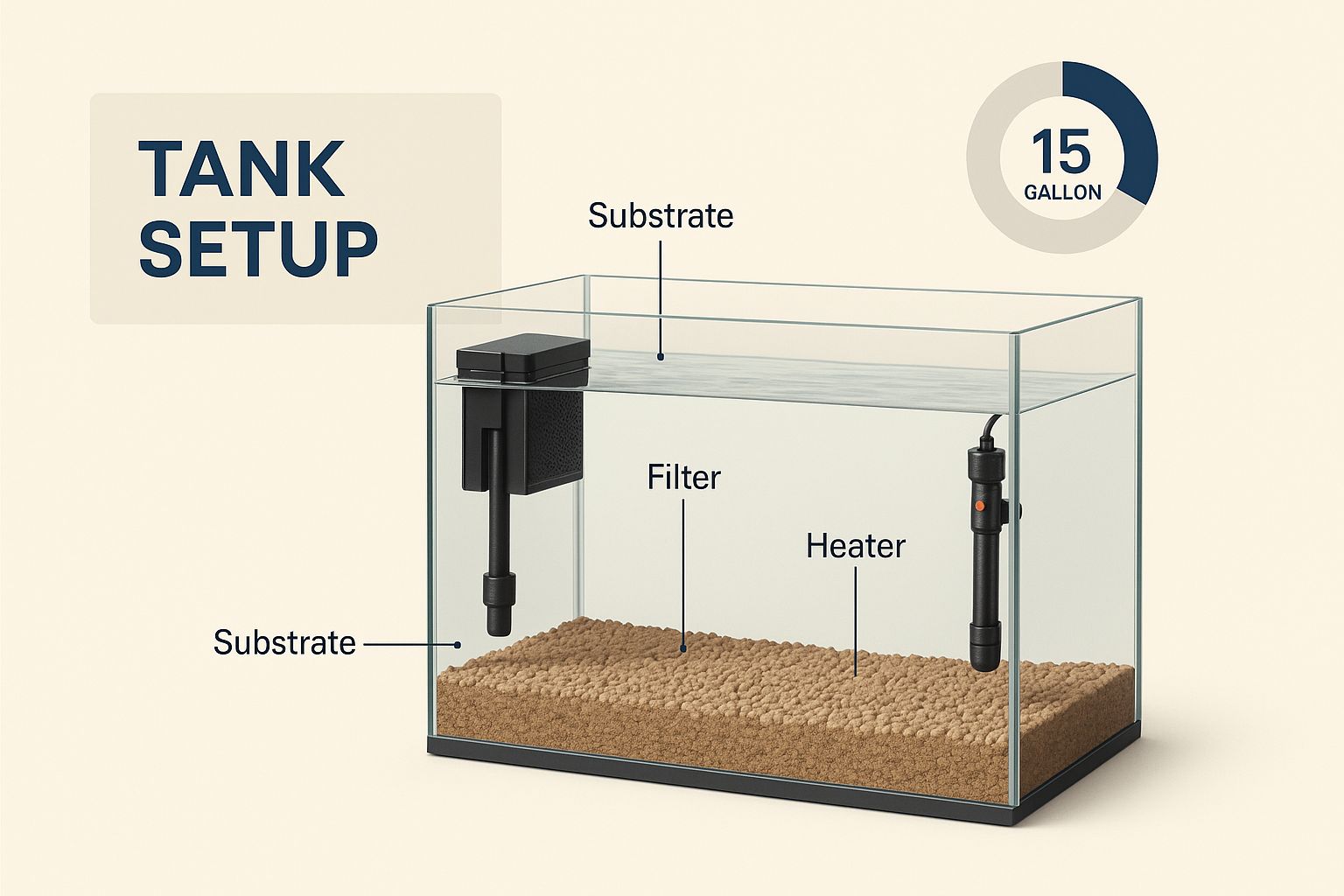
Adjusting Tank Setup Accordingly
Set up your tank to match your species’ needs. Use proper decorations, substrate, and plants for a healthy home.
Install filters and heaters that keep water conditions stable. Choose lighting that fits the natural environment.
- Choose substrate type (sand, gravel, or bare)
- Add hiding spots and plants
- Use filters suitable for tank size
- Set heater for correct temperature
- Select lighting based on species’ activity
Adapting Maintenance Routines
Clean and test water regularly to keep it safe. Adjust cleaning frequency based on species sensitivity.
Change water carefully to avoid stress. Feed species the right amount and type of food on a set schedule.
- Test water for ammonia, nitrites, nitrates
- Perform partial water changes as needed
- Clean tank surfaces gently
- Feed species-specific diets
- Monitor fish or animal health daily
Frequently Asked Questions
How Often Should I Test Water In A Species-specific Tank?
Test your tank water weekly to monitor pH, ammonia, nitrites, and nitrates. Regular testing prevents harmful buildup and keeps fish healthy.
What Is The Best Filtration For Species-specific Tanks?
Choose a filter suitable for your species’ size and waste level. A biological filter helps maintain beneficial bacteria for clean water.
How Do I Perform Water Changes Effectively?
Replace 10-20% of the water weekly using dechlorinated water. This reduces toxins and maintains stable water parameters for your species.
Can Tank Decorations Affect Water Quality?
Yes, some decorations leach chemicals or alter pH. Use species-safe, non-toxic materials to maintain stable and healthy water conditions.
Conclusion
Maintaining water quality keeps your fish healthy and happy. Test water often to catch problems early. Clean filters regularly to remove waste and toxins. Change water in small amounts to avoid stress. Use products made for your specific fish type.
Watch your fish daily for signs of trouble. Good water quality means a thriving tank environment. Simple steps make a big difference over time. Keep learning and stay patient with your care routine. Your fish will thank you with bright colors and activity.