
Keeping your aquarium water clean and balanced is the secret to a healthy and thriving underwater world. If you have a species-specific aquarium, the stakes are even higher because each type of fish or aquatic creature has unique needs.
You want your fish to live longer, stay vibrant, and avoid common diseases. But how do you make sure your water quality meets those exact needs? This guide will walk you through simple, effective steps to maintain perfect water conditions tailored just for your aquatic pets.
By the end, you’ll have the confidence and know-how to create the best environment possible—so your aquarium becomes a beautiful, stress-free home for your species-specific collection. Keep reading to discover the easy ways to protect your aquatic friends and boost your aquarium’s health!
Choosing The Right Water Type
Choosing the correct water type is key for healthy aquariums. Each species has specific water needs to thrive.
Understanding water types helps prevent stress and disease in your aquatic pets.
Freshwater Vs Saltwater Needs
Freshwater fish need soft to moderately hard water with low salt. Saltwater fish require water with proper salt levels and minerals.
| Water Type | Salinity | Common Species | Key Parameters |
|---|---|---|---|
| Freshwater | 0 ppt (parts per thousand) | Goldfish, Guppies, Tetras | pH 6.5-7.5, low minerals |
| Saltwater | 30-35 ppt | Clownfish, Tangs, Corals | Stable salinity, pH 8.0-8.4 |
Using Tap Water Safely
Tap water often contains chlorine and metals harmful to fish. Treat it before use to keep fish safe.
- Use a water conditioner to remove chlorine and chloramine
- Test water for heavy metals and toxins
- Let water sit for 24 hours if no conditioner is available
- Check pH and hardness to match species needs
Importance Of Ro And Di Water
RO (Reverse Osmosis) and DI (Deionized) water is pure. It removes contaminants for sensitive species.
| Water Type | Pros | Cons |
|---|---|---|
| RO Water | Removes impurities, very pure | Needs remineralization for fish |
| DI Water | Removes almost all ions and chemicals | Expensive equipment, slow process |
Testing Water Parameters
Maintaining the right water quality is essential for species-specific aquariums. Testing water parameters helps keep fish healthy and safe.
Regular checks show if water conditions match the needs of your aquarium’s species. This guide explains important tests and how to do them.
Key Parameters To Monitor
Several water parameters must be checked to ensure a healthy environment. Each species has unique needs for these values.
| Parameter | Ideal Range | Importance |
|---|---|---|
| pH | 6.5 – 7.5 (varies by species) | Controls acidity and alkalinity |
| Ammonia (NH3) | 0 ppm | Toxic to fish even in small amounts |
| Nitrite (NO2-) | 0 ppm | Can cause stress and damage gills |
| Nitrate (NO3-) | Less than 20 ppm | High levels cause poor health |
| Temperature | Depends on species | Affects metabolism and activity |
Using Test Kits Effectively
Test kits are the easiest way to measure water parameters at home. Follow instructions carefully to get correct results.
- Use clean containers to avoid contamination.
- Take water samples from the aquarium, not the filter.
- Read results within the time limit given by the kit.
- Store test kits in a cool, dry place to keep them accurate.
- Replace kits regularly since chemicals can expire.
Frequency Of Testing
How often to test depends on your aquarium’s stability and species sensitivity. New tanks need more frequent checks.
- Test daily for the first two weeks after setup.
- Check weekly once the tank stabilizes.
- Increase testing if you add new fish or plants.
- Test immediately if fish show signs of stress or illness.
- Keep a log of test results to track changes over time.
Adjusting Ph And Hardness
Keeping the right pH and hardness is key for species-specific aquariums. These factors affect fish health and behavior.
Understanding how to adjust these water conditions helps create a safe home for your aquatic pets.
Ideal Ph For Different Species
Different fish and plants need different pH levels to thrive. Some prefer acidic water, others like it neutral or alkaline.
| Species | Ideal pH Range |
| Discus | 6.0 – 7.0 |
| Neon Tetra | 5.0 – 7.0 |
| Guppies | 7.0 – 8.0 |
| African Cichlids | 7.8 – 8.6 |
| Betta Fish | 6.5 – 7.5 |
Managing Water Hardness Levels
Water hardness measures minerals like calcium and magnesium. It affects fish health and egg development.
- Soft water has low mineral content (0-6 dGH).
- Moderate hardness ranges from 7-12 dGH.
- Hard water contains 13-20 dGH or more.
- Match hardness to your species’ natural habitat.
Natural Vs Chemical Adjustments
You can adjust pH and hardness naturally or with chemicals. Natural methods are safer but slower.
Natural methods include:
- Adding driftwood to lower pH
- Using crushed coral to raise hardness
- Planting live aquatic plants
- Using peat moss in filters
Chemical methods involve water conditioners and pH buffers. Use these carefully and test water often.
Controlling Ammonia, Nitrite, And Nitrate
Maintaining clean water is key for species-specific aquariums. Ammonia, nitrite, and nitrate can harm your fish if not managed well.
These compounds build up from fish waste, leftover food, and decaying plants. Controlling them keeps your aquarium healthy.
Sources Of Harmful Compounds
Ammonia comes mainly from fish waste and uneaten food. Bacteria break ammonia into nitrite, which is also toxic. Nitrite changes into nitrate, which is less harmful but still dangerous in high levels.
Dead plants and fish also add to nitrate levels. Overfeeding and poor tank cleaning increase these compounds quickly.
- Fish waste produces ammonia
- Uneaten food decomposes into ammonia
- Dead plants and animals raise nitrate
- Overfeeding adds extra waste
- Dirty tanks allow buildup
Biological Filtration Techniques
Biological filters use good bacteria to turn ammonia into nitrite and then nitrate. These bacteria live in filter media and aquarium surfaces.
Adding bio-media like sponge or ceramic rings helps bacteria grow. Strong water flow through these media gives oxygen to bacteria, helping them work better.
- Use filter media with large surface area
- Keep water moving to supply oxygen
- Seed new filters with bacteria from old tanks
- Avoid cleaning bio-media too much
Regular Water Changes
Changing water often removes nitrate and other waste. It lowers harmful compound levels and keeps the water fresh.
Use a gravel vacuum to clean the tank bottom during water changes. Replace 10-25% of water every week for best results.
- Remove 10-25% of water weekly
- Use a siphon to clean gravel and debris
- Replace with dechlorinated water at the same temperature
- Test water regularly to check levels
Temperature Regulation
Maintaining the right temperature is vital for species-specific aquariums. Each species needs a certain temperature to stay healthy and active.
Incorrect temperature can cause stress or illness in aquatic animals. Proper regulation keeps the water safe and comfortable for your fish or invertebrates.
Species-specific Temperature Ranges
Different species require different water temperatures. Tropical fish like warmer water, while cold-water species need cooler conditions.
| Species | Ideal Temperature Range (°F) |
| Neon Tetras | 72 – 78 |
| Betta Fish | 76 – 82 |
| Goldfish | 65 – 75 |
| Discus | 82 – 86 |
| Clownfish | 74 – 79 |
Heating And Cooling Methods
Use heaters to raise the water temperature in cold environments. Cooling fans or chillers help lower it when needed.
- Submersible heaters provide steady warmth.
- Thermostats help keep temperature stable.
- Cooling fans increase water evaporation and reduce heat.
- Chillers are best for large or sensitive tanks.
Monitoring Temperature Fluctuations
Check water temperature daily. Sudden changes can harm your aquarium’s inhabitants.
- Use digital or mercury thermometers for accuracy.
- Place thermometers away from heaters or direct light.
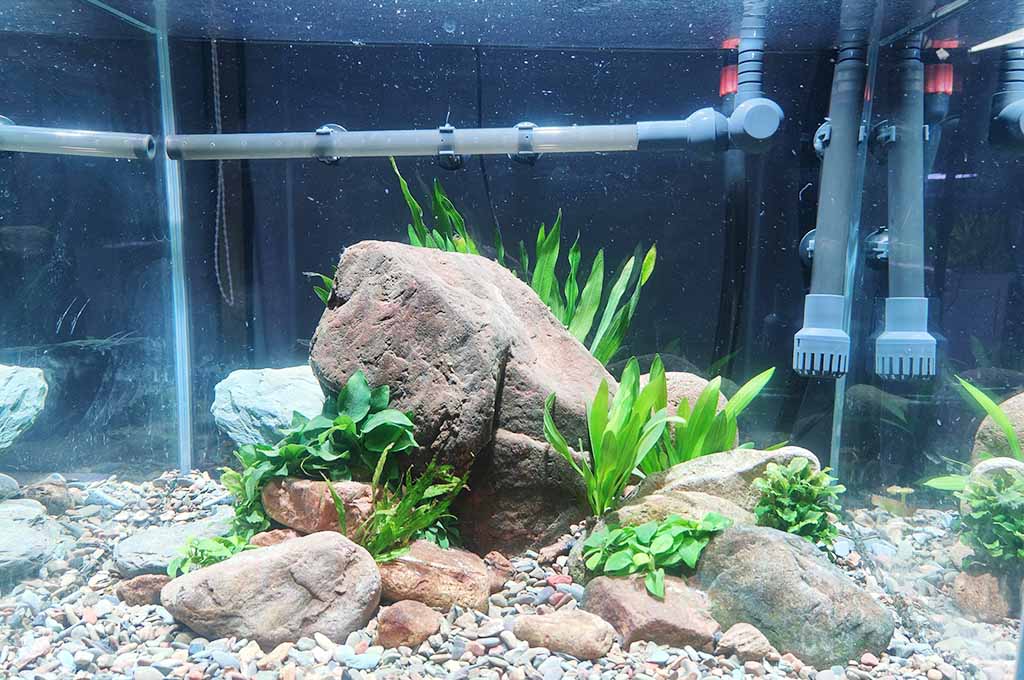
- Record temperature readings to spot trends.
- Set alarms if your heater or chiller fails.
Credit: www.hygger-online.com
Maintaining Proper Filtration
Water quality is crucial for aquariums. Proper filtration helps keep the water clean and safe for your fish. Each species may require different filtration needs.
Choosing the right filter and maintaining it ensures a healthy environment. It also balances the flow rate to suit your aquarium’s inhabitants.
Choosing Filters For Specific Species
Fish species have different needs. Some prefer gentle currents, while others need stronger flows. Choose filters based on the specific requirements of your fish.
- Goldfish need strong filtration due to high waste.
- Bettas prefer gentle, slow-moving water.
- Discus fish thrive with high filtration and low flow.
Filter Maintenance Tips
Regular filter maintenance is important. It keeps the filter working efficiently and prevents water contamination.
- Clean the filter media every month.
- Check for clogs weekly to ensure flow.
- Replace filter parts as needed.
Balancing Flow Rate
Flow rate affects how well the filter cleans the water. It also impacts how comfortable the fish feel in their environment.
Adjust the flow rate to match the needs of your aquarium inhabitants. Ensure it is neither too strong nor too weak.
- Use adjustable flow filters for flexibility.
- Observe fish behavior to find the ideal flow.
- Test water parameters regularly.
Preventing Algae Growth
Keeping water clean is key for species-specific aquariums. Algae growth can harm fish and plants.
Controlling algae helps keep the aquarium healthy and clear. Understanding causes and controls is important.
Causes Of Excess Algae
Algae grow fast when nutrients and light are high. Too much fish waste adds nutrients to the water.
Leaving aquarium lights on too long also feeds algae. Poor water changes let nutrients build up.
- High nutrient levels from fish waste
- Excess light exposure
- Infrequent water changes
- Overfeeding fish
Controlling Light Exposure
Algae need light to grow. Limiting light helps reduce algae in your tank.
Keep aquarium lights on for 6 to 8 hours daily. Use a timer to keep light consistent.
- Set light timer for 6-8 hours
- Avoid placing tank in direct sunlight
- Use low-intensity lights suitable for your species
Using Algae-eating Species
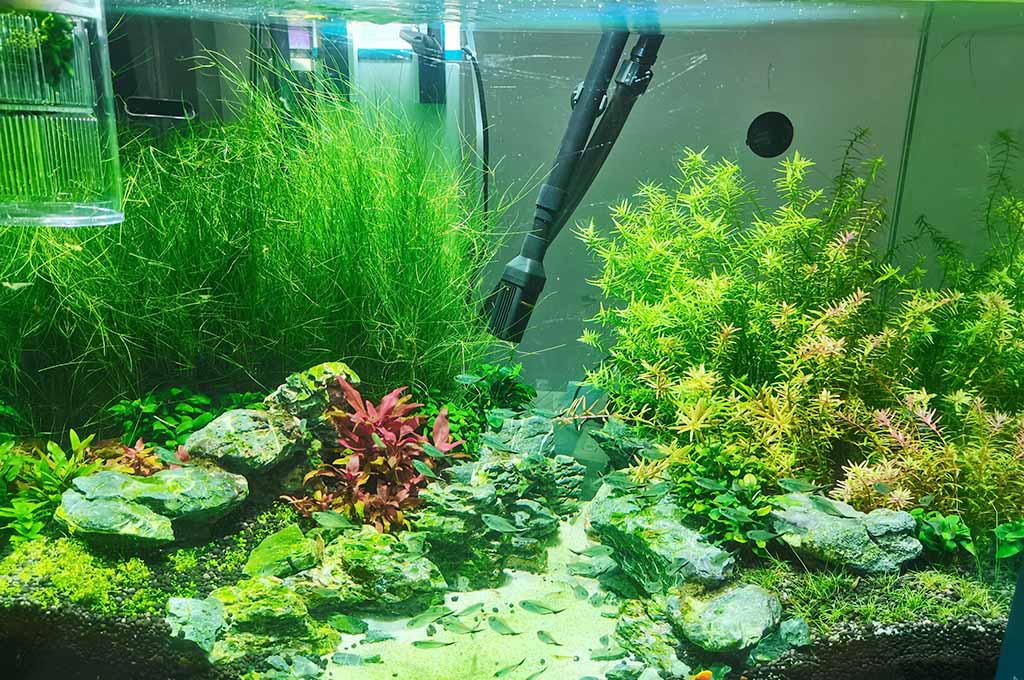
Some fish and invertebrates eat algae. Adding these species helps control algae naturally.
Choose algae eaters that fit your aquarium species and size. They keep algae from spreading too much.
- Siamese algae eaters for freshwater tanks
- Amano shrimp for freshwater plants
- Turbo snails for saltwater tanks
- Otocinclus catfish for small algae patches
Credit: www.hygger-online.com
Feeding And Waste Management
Keeping water clean is very important for species-specific aquariums. Feeding and waste control help keep the water safe for fish.
Proper feeding and removing waste stop harmful substances from building up. This keeps fish healthy and happy.
Avoiding Overfeeding
Give only the amount of food that fish can eat in a few minutes. Too much food makes the water dirty fast.
Feed small portions and watch how much the fish eat. Remove any leftover food after feeding time.
- Feed fish once or twice a day
- Use a feeding schedule
- Do not add extra food if fish do not eat
- Remove uneaten food quickly
Removing Debris Efficiently
Waste and debris collect at the bottom of the tank. Clean it regularly to keep water clear and safe.
Check for leftover food, dead plant parts, and fish waste. Removing these stops harmful chemicals from growing.
- Use a net to scoop floating debris
- Wipe algae from tank walls
- Clean decorations and plants carefully
- Test water quality after cleaning
Using Siphons And Gravel Vacuums
Siphons and gravel vacuums help remove waste trapped in the gravel. This keeps the tank clean without moving fish.
Use the tools during water changes. They pull out dirt, uneaten food, and fish poop from the substrate.
- Place siphon tube in gravel gently
- Start water flow to remove debris
- Vacuum about 25% of the gravel each time
- Replace removed water with fresh, clean water
Quarantine And Disease Prevention
Maintaining water quality is crucial for species-specific aquariums. Quarantine and disease prevention play a key role in keeping fish healthy. A quarantine tank helps monitor new fish before they join the main tank.
It is important to detect and prevent diseases in aquariums. Keeping quarantine tanks clean is vital to fish health. Let’s explore these aspects in more detail.
Importance Of Quarantine Tanks
Quarantine tanks separate new fish from the main tank. This helps prevent disease spread. New fish can carry illnesses that harm other fish.
In quarantine, fish are observed for signs of disease. This practice protects the health of all fish in the aquarium.
- Reduces risk of spreading diseases
- Allows monitoring of new fish health
- Provides a safe space for treatment
Detecting Waterborne Diseases
Waterborne diseases can affect fish quickly. Early detection is key to prevention. Look for changes in fish behavior or appearance.
Common signs include spots, unusual swimming, or loss of appetite. Regular checks help identify problems early.
- Check for white spots or patches
- Observe for erratic swimming
- Note any changes in eating habits
Maintaining Clean Quarantine Conditions
Clean quarantine tanks are essential for fish health. Regular water changes and cleaning prevent disease build-up.
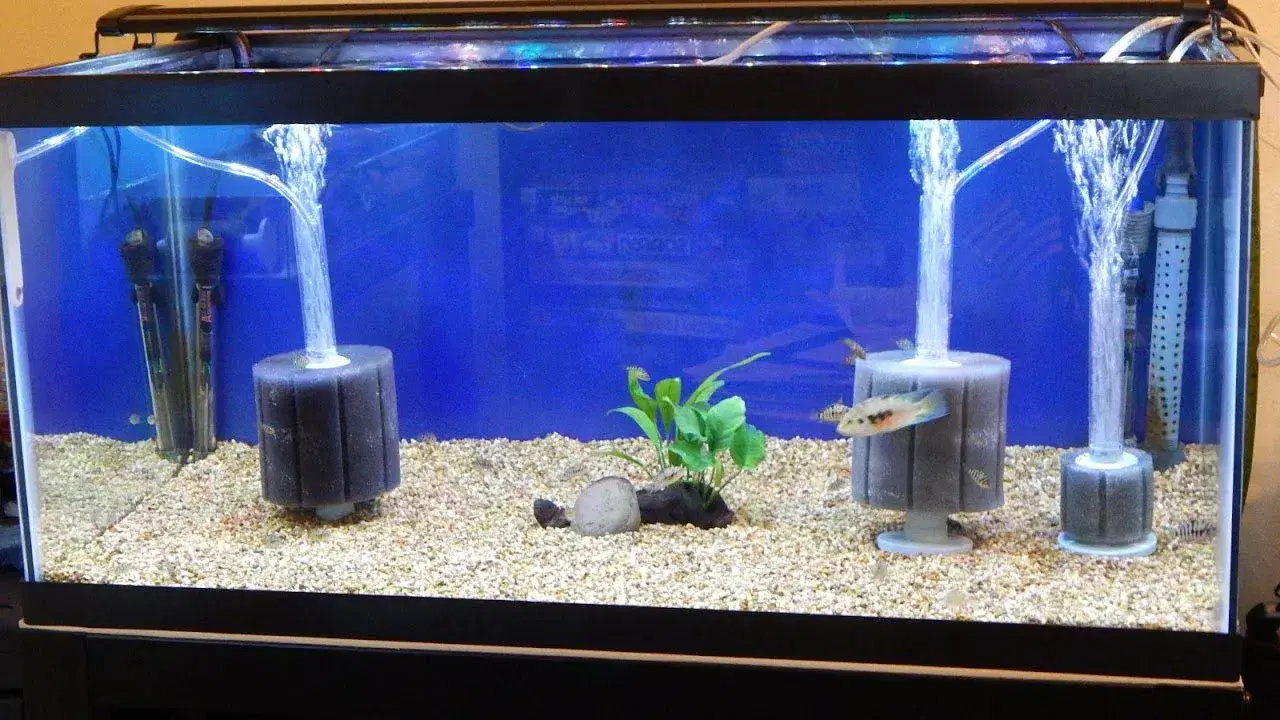
Use a filter to keep the water clear. Monitor water parameters like pH and temperature.
- Perform regular water changes
- Use a reliable filter system
- Check water pH and temperature
Credit: aquadecorbackgrounds.com
Frequently Asked Questions
How Often Should I Test Water Quality In Species-specific Aquariums?
Test water weekly to monitor pH, ammonia, nitrite, and nitrate levels. Frequent testing helps detect changes early and maintain a stable environment tailored to your species.
What Is The Ideal Ph For Species-specific Aquarium Water?
Ideal pH varies by species. Research your species’ natural habitat pH and maintain it consistently. Stable pH ensures fish health and reduces stress.
How Can I Control Ammonia Levels In My Aquarium?
Regular water changes and proper filtration control ammonia. Avoid overfeeding and remove uneaten food promptly to prevent ammonia buildup, protecting your fish from toxicity.
Why Is Temperature Regulation Important For Species-specific Aquariums?
Correct temperature mimics natural habitat conditions, promoting fish health and activity. Use a reliable heater and thermometer to maintain species-specific temperature ranges.
Conclusion
Maintaining water quality keeps your fish healthy and happy. Test water regularly to catch problems early. Change water often to remove waste and toxins. Use filters that suit your species’ needs. Keep the tank clean but avoid sudden changes. Watch fish behavior to spot stress signs.
Good water means a thriving, beautiful aquarium. Simple care steps make a big difference. Your effort helps create a safe home for your aquatic pets.