
Keeping the right temperature in your species-specific aquarium is more important than you might think. If the water is too hot or too cold, your fish and aquatic creatures can get stressed, sick, or worse.
You want to create a healthy and comfortable home for your aquatic pets, but how do you make sure the temperature stays just right? You’ll discover simple and effective ways to maintain the perfect temperature for your aquarium. By the end, you’ll have the confidence to keep your underwater world thriving every day.
Keep reading—you won’t want to miss these essential tips!
Choosing The Right Thermometer
Keeping the right temperature is very important for a species-specific aquarium. Different fish and plants need different temperatures to stay healthy. Choosing a good thermometer helps you monitor the water temperature easily and accurately.
There are many types of thermometers for aquariums. Some are simple, and some have extra features. Picking the right one depends on your aquarium size and the species you keep.
Types Of Aquarium Thermometers
There are several types of aquarium thermometers. Each type has its own benefits and uses. Knowing these types will help you pick the best one for your aquarium.
- Stick-on Thermometers:These stick to the outside glass. They are easy to use and read but can be less accurate if the glass heats up.
- Digital Thermometers:These give quick and exact readings. Some have probes that go inside the water for better accuracy.
- Glass Thermometers:Traditional glass tubes placed inside the aquarium. They are very accurate but can break easily.
- Infrared Thermometers:These measure temperature without touching the water. They are fast but need close range and steady hands.
Placement Tips For Accurate Readings
Placing the thermometer correctly helps you get the right temperature. Wrong placement can give false readings that harm your fish or plants.
For the best results, place the thermometer where water moves well. Avoid spots near heaters or filters where temperature may be higher or lower than the rest of the tank.
- Place digital probes inside the water, away from heater outlets.
- Stick-on thermometers work best on the outside middle glass.
- Keep glass thermometers fully submerged but secure to avoid breaking.
- Check temperature in different parts of the tank if it is large.
Credit: www.ratemyfishtank.com
Selecting Appropriate Heaters
Maintaining the right temperature in your aquarium is crucial for the health of your fish. A good heater keeps the water at the right temperature. Choose wisely to match the needs of your specific species.
Heaters come in different types and sizes. It’s important to pick the right one to ensure your aquatic friends thrive.
Submersible Vs. Immersible Heaters
Heaters are either submersible or immersible. Each type has its own benefits and uses.
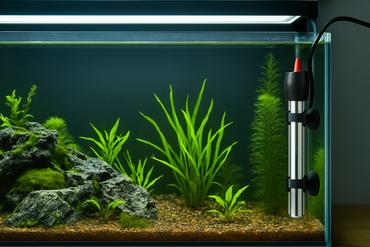
- Submersible Heaters:Fully submerged in water. They provide even heat distribution.
- Immersible Heaters:Partially submerged. They are usually clipped to the tank’s side.
Wattage And Size Considerations
The heater’s wattage and size depend on your tank’s volume. It’s essential to select a heater that matches your tank size.
| Tank Size (Gallons) | Heater Wattage |
| Up to 10 | 50 watts |
| 10 to 20 | 100 watts |
| 20 to 40 | 200 watts |
| 40 to 75 | 300 watts |
Always check the heater’s specifications. This ensures it can handle your tank’s water volume efficiently.
Cooling Methods For Aquariums
Keeping the right temperature in a species-specific aquarium is very important. Some fish and plants need cooler water to stay healthy. Cooling your aquarium helps protect your aquatic life.
There are different ways to cool an aquarium. You can use devices or natural ways to lower the water temperature. This guide explains two common cooling methods.
Using Fans And Chillers
Fans help cool the water by blowing air over the tank surface. This causes evaporation, which lowers the temperature. Fans are easy to use and save energy.
Chillers work like air conditioners for aquariums. They cool the water directly and keep the temperature steady. Chillers are good for large tanks or very sensitive species.
- Fans increase evaporation to cool the water
- Chillers control water temperature precisely
- Use chillers for big or delicate aquariums
- Fans are cheaper and simpler to use
Natural Cooling Techniques
Natural cooling uses simple changes to lower aquarium temperature. Placing the tank away from sunlight helps keep it cool. Shade and good room ventilation reduce heat buildup.
Adding floating plants can also cool the water. Plants block some light and create shade on the surface. This helps keep the aquarium temperature steady without machines.
- Keep tank out of direct sunlight
- Use shade or curtains to block heat
- Improve room airflow with open windows or fans
- Add floating plants for natural shade
Credit: www.ratemyfishtank.com
Monitoring Temperature Fluctuations
Keeping the right temperature is key for a species-specific aquarium. Fish and plants need stable heat to stay healthy.
Temperature changes can cause stress or illness. Watching these changes closely helps prevent problems.
Automated Systems And Alerts
Automated systems track temperature all day and night. They keep the water steady by adjusting heaters or coolers.
- Use digital thermostats with sensors.
- Set alerts to notify you of sudden changes.
- Connect systems to your phone for remote checks.
- Regularly test sensors to ensure accuracy.
Manual Checking Routines
Manual checks help catch issues automated systems might miss. They also confirm system readings are correct.
| Time | Action | Notes |
| Morning | Check thermometer | Record temperature on log |
| Afternoon | Inspect heater and filter | Look for unusual noises or heat |
| Evening | Verify water temperature | Adjust heater if needed |
| Weekly | Calibrate thermometer | Ensure accurate readings |
Species-specific Temperature Needs
Different fish species need different water temperatures to live well. Setting the right temperature helps fish stay healthy.
Knowing the temperature needs of your fish species is important for their comfort and survival.
Tropical Fish Requirements
Tropical fish need warm water to thrive. They usually live in temperatures between 75°F and 80°F (24°C to 27°C).
Keep the temperature steady. Sudden changes can stress or harm tropical fish.
- Use a reliable aquarium heater.
- Check the temperature daily with a thermometer.
- Avoid placing the tank near windows or drafts.
- Maintain a stable room temperature around the aquarium.
Coldwater Species Conditions
Coldwater fish live in cooler temperatures. They do best in water between 60°F and 70°F (15°C to 21°C).
These fish do not need heaters but need stable cool temperatures. Avoid overheating the water.
- Place the tank away from heat sources.
- Use a chiller if your room gets too warm.
- Monitor the temperature regularly to prevent spikes.
- Keep the aquarium in a cool, shaded area.
Maintaining Consistent Water Conditions
Keeping the water temperature steady is very important for species-specific aquariums. Fish and other aquatic animals need stable conditions to stay healthy.
Sudden changes in temperature can stress the animals and harm their immune systems. Maintaining consistent water helps them live longer and grow better.
Insulation And Aquarium Placement
Insulating your aquarium helps keep the water temperature steady. It stops heat from escaping or entering the tank too quickly.
Place the aquarium away from windows, doors, and vents. These areas often cause temperature changes due to drafts or sunlight.
- Use foam boards or insulation blankets around the tank
- Keep the tank away from direct sunlight
- Place the aquarium on a stable surface to avoid shaking
- Avoid placing the tank near air conditioners or heaters
Managing Room Temperature Effects
Room temperature changes affect the aquarium water. Keep the room temperature stable to reduce water temperature swings.
Use a heater or chiller made for aquariums to control water temperature. Monitor the temperature daily with a reliable thermometer.
- Keep room temperature constant, ideally between 22°C and 26°C (72°F to 79°F)
- Use fans or air conditioning to cool the room in hot weather
- Use space heaters to warm the room in cold weather
- Check the aquarium heater settings regularly
Troubleshooting Common Temperature Issues
Keeping the right temperature in a species-specific aquarium is important. Fish and other creatures need stable heat to stay healthy.
Sometimes, the temperature can change suddenly or the heater may stop working. This guide helps you fix these common problems.
Heater Malfunctions
A heater that stops working can cause the water to get too cold or too hot. This can harm your aquatic pets.
Check the heater regularly. Look for cracks, loose parts, or if it feels too hot or cold to touch.
- Test the heater with a separate thermometer.
- Replace the heater if it does not heat properly.
- Make sure the heater is the right size for your tank.
- Keep the heater fully submerged if it is a submersible type.
Sudden Temperature Drops
A sudden drop in temperature can stress your fish and cause illness. This may happen if the room gets cold or the heater fails.
Check the aquarium location and avoid cold drafts or open windows near the tank.
- Use an aquarium thermometer to monitor changes.
- Check if the heater is working and plugged in.
- Use a tank cover or hood to keep heat inside.
- Consider adding a backup heater for safety.
Credit: caesarstropicalfish.com
Frequently Asked Questions
How Do I Control Temperature In A Species-specific Aquarium?
Use a reliable aquarium heater with a thermostat. Monitor water temperature daily. Adjust settings based on the species’ ideal range. Avoid sudden temperature changes to prevent stress.
What Is The Ideal Temperature Range For Tropical Fish?
Tropical fish generally thrive between 75°F and 80°F (24°C to 27°C). Research your specific species for exact needs. Maintain stable temperatures to ensure healthy growth and behavior.
Can Aquarium Temperature Affect Fish Health?
Yes, improper temperature can cause stress and illness. Too high or low temperatures disrupt metabolism. Stable temperature supports immune function and reduces disease risk.
How Often Should I Check My Aquarium’s Temperature?
Check the temperature at least once daily. Use a digital or reliable thermometer for accuracy. Frequent checks help catch fluctuations early and protect your fish.
Conclusion
Maintaining the right temperature keeps your aquarium’s species healthy. Use a reliable heater and thermometer to watch the water closely. Small changes in temperature can stress fish and plants. Consistent care helps your aquatic pets thrive every day. Remember, each species needs its own ideal temperature range.
Adjust settings slowly to avoid sudden shocks. Regular checks make sure conditions stay just right. Keep your aquarium stable and enjoy a vibrant underwater world.