
Are you tired of dealing with cloudy water or clogged filters in your aquarium or pond? Maintaining mechanical filtration is key to keeping your water clear and your system running smoothly.
But how do you make sure your filter works at its best without wasting time or effort? You’ll discover simple, effective steps to maintain your mechanical filtration. By following these easy tips, you’ll save money, avoid common mistakes, and enjoy a healthier environment for your fish or plants.
Keep reading to learn how to take control of your filtration system and see the difference for yourself!
Choosing The Right Filter Media
Mechanical filtration is important to keep water clean by removing particles. Choosing the right filter media affects how well the filter works.
This guide helps you pick the best filter media by explaining types, their benefits, and when to replace them.
Types Of Mechanical Filters
Mechanical filters come in many types depending on the media used. Common types include sponge, floss, and foam filters.
- Sponge Filters:Use porous sponges to trap debris.
- Floss Filters:Fine fibers catch tiny particles.
- Foam Filters:Thick foam removes larger waste.
- Pad Filters:Flat pads filter out dirt and solids.
Material Benefits And Drawbacks
| Material | Benefits | Drawbacks |
|---|---|---|
| Sponge | Reusable, gentle on water life | Can clog quickly |
| Floss | Traps very fine particles | Needs frequent replacement |
| Foam | Durable, good for large debris | May reduce water flow |
| Pad | Easy to replace, low cost | Less effective for small particles |
Media Replacement Timing
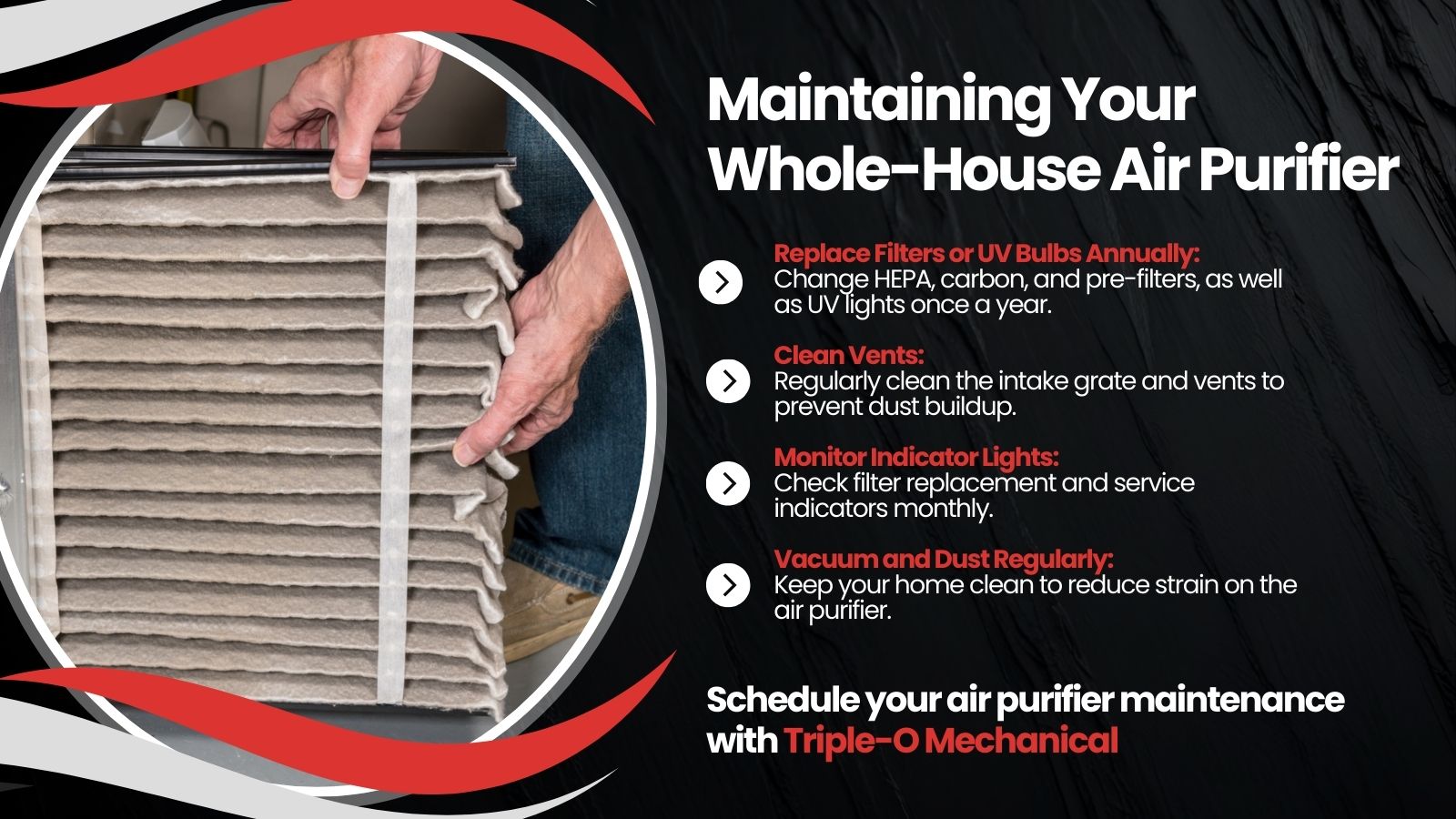
Replacing filter media on time keeps the filter working well. Old media clogs and lowers water flow.
- Check the filter weekly for dirt buildup.
- Replace floss or pads every 2-4 weeks.
- Clean sponges monthly without soap.
- Replace foam every 1-3 months depending on use.
- Adjust timing based on water quality and tank size.
Credit: www.tripleotoday.com
Regular Cleaning Techniques
Maintaining mechanical filtration requires regular cleaning. This keeps the system working well and extends its life.
Cleaning should be done carefully using the right tools and steps. Avoiding mistakes helps keep filters effective.
Tools For Effective Cleaning
Using proper tools makes cleaning easier and thorough. Basic tools include brushes, water containers, and cloths.
- Soft-bristled brush to remove debris
- Bucket or container for water
- Clean cloth or sponge for wiping
- Gloves to protect your hands
- Replacement filter pads if needed
Step-by-step Cleaning Process
Follow these steps to clean your mechanical filter correctly and safely.
- Turn off the system before starting.
- Remove the filter carefully from its place.
- Rinse the filter under clean water to remove loose dirt.
- Use a soft brush to clean trapped debris gently.
- Soak the filter in water if very dirty, then rinse again.
- Dry the filter in a shaded area before reinstalling.
- Put the filter back into the system properly.
- Turn the system on and check for normal operation.
Avoiding Common Cleaning Mistakes
Some mistakes can damage the filter or reduce its efficiency. Watch out for these common errors.
| Mistake | Effect | How to Avoid |
| Using harsh chemicals | Damages filter material | Use only clean water and soft brushes |
| Scrubbing too hard | Breaks filter fibers | Brush gently to protect filter |
| Not drying filter | Mold growth inside filter | Air dry in shade before reinstalling |
| Forgetting to turn off system | Risk of injury or damage | Always power off before cleaning |
Monitoring Filter Performance
Maintaining mechanical filtration means checking how well the filter works. Regular monitoring helps keep the system efficient.
You can spot problems early by watching signs and using simple tools. This saves time and money.
Signs Of Reduced Efficiency
Filters that work less well show clear signs. You might see dirt build-up or slower water flow.
Other signs include unusual noises or changes in water quality. Watch for these to act fast.
- Visible dirt or debris on the filter
- Water moves slower than usual
- Unusual sounds from the system
- Water looks cloudy or dirty
Using Pressure Gauges
Pressure gauges show how much pressure is inside the filter. High pressure means the filter may be clogged.
Check the gauge regularly. If the pressure rises above normal, clean or replace the filter.
- Normal pressure means filter is clear
- Rising pressure shows blockage
- Sudden pressure drops can mean leaks
Flow Rate Indicators
Flow rate indicators measure how fast water passes through the filter. A slow flow rate can show filter problems.
Compare the flow rate to the filter’s usual level. Lower flow means cleaning or replacement is needed.
- Stable flow rate means good filter health
- Decreasing flow rate signals clogging
- Sudden changes need immediate checks

Credit: www.1h2o3.com
Optimizing Filter Setup
Maintaining mechanical filtration is key to clean water systems. Optimizing the filter setup helps keep the system efficient.
Good setup reduces clogging and extends filter life. It also improves water flow and filtration quality.
Proper Filter Placement
Place the mechanical filter where water first enters the system. This stops large particles early.
Keep the filter easy to reach for cleaning and checks. Avoid spots with low flow or dead zones.
- Near the water intake
- Accessible for regular maintenance
- Avoid tight spaces that block water flow
Balancing Flow And Filtration
Strong water flow helps filter particles but too much flow can damage the filter. Find a balance.
Adjust flow speed to keep water moving without pushing debris through. Check filters often for clogs.
- Use flow regulators if needed
- Monitor pressure before and after the filter
- Clean filters when flow slows down
Integrating With Other Filtration Types
Mechanical filters work best with other filters. Use them before chemical or biological filters.
This setup protects delicate filters and improves overall water quality. Layer filters for better results.
- Mechanical filter first to catch debris
- Follow with chemical filtration for toxins
- Use biological filters last for beneficial bacteria
Troubleshooting Common Issues
Mechanical filtration is important for keeping water clean. Sometimes, filters can have problems. Knowing how to fix these helps keep your system working well.
This guide covers common issues you may find with mechanical filtration. Learn simple tips to keep your filter running smoothly.
Clogging Causes And Solutions
Filters can clog when too much dirt or debris collects inside. This stops water from flowing properly and lowers filter performance.
Check the filter regularly and clean it when needed. Use fresh water to rinse the media gently. Avoid harsh scrubbing to protect the filter material.
- Remove large debris before it reaches the filter
- Clean the filter media weekly or as needed
- Replace media if it gets too worn or damaged
- Keep flow rates steady to avoid fast clogging
Preventing Media Breakdown
Filter media can break down if it is old or stressed. This causes pieces to clog the system or reduce filtration quality.
Handle media gently during cleaning. Avoid using chemicals that damage filter materials. Replace media according to the manufacturer’s advice.
- Use only recommended cleaning methods
- Store media in a dry, cool place when not in use
- Inspect media for signs of wear or damage
- Change media at regular intervals to maintain performance
Handling Unusual Odors Or Discoloration
Strange smells or colors can mean bacteria or algae growth inside the filter. This reduces water quality and can harm fish or plants.
Clean the filter media with clean water only. Avoid soaps or chemicals that may harm beneficial bacteria. Keep the filter dry during long breaks.
- Check water source for contamination
- Remove and rinse media if odor or color appears
- Use UV sterilizers if algae growth is a problem
- Maintain regular filter cleaning schedules
Maintenance Scheduling Tips
Mechanical filtration systems keep water clean and clear. Regular maintenance ensures they work efficiently. Scheduling maintenance helps avoid problems and prolongs system life.
Setting a routine for maintenance is important. It helps keep track of necessary tasks. Consistent checks prevent unexpected issues.
Setting A Routine
Create a simple schedule for maintenance. Regular checks keep systems running smoothly. Routine tasks can include cleaning filters and inspecting parts.
Keep your routine easy to follow. Use reminders to stay on track. A well-planned schedule saves time and effort.
Record Keeping For Maintenance
Record each maintenance activity. Writing down dates and tasks helps track performance. It also assists in identifying patterns or recurring issues.
Use a notebook or a digital app for records. Make sure to note any changes or repairs. Good record keeping leads to better system management.
Adjusting Frequency Based On Usage
Adjust maintenance frequency according to system use. High usage may need more frequent checks. Less use might allow for longer intervals between maintenance.
Monitor system performance to decide on adjustments. Changes in water quality or flow can indicate the need for more frequent care.
- Check filters monthly for busy systems
- Inspect pipes and connections regularly
- Adjust schedule as needed based on observations

Credit: www.1h2o3.com
Frequently Asked Questions
What Is Mechanical Filtration In Aquariums?
Mechanical filtration removes physical debris and particles from water. It traps dirt, uneaten food, and waste, keeping water clear. This process improves water quality and supports healthy aquatic life.
How Often Should Mechanical Filters Be Cleaned?
Mechanical filters should be cleaned every 2 to 4 weeks. Cleaning frequency depends on tank size and bioload. Regular maintenance prevents clogging and maintains efficient filtration.
Can Mechanical Filtration Alone Keep Water Clean?
Mechanical filtration alone cannot fully maintain water quality. It removes debris but does not eliminate toxins or chemicals. Combining mechanical with biological and chemical filtration is essential for optimal water health.
What Materials Are Best For Mechanical Filtration?
Foam, sponge, and filter floss are common mechanical filter media. These materials effectively trap particles while allowing water flow. Choose media based on filter type and tank needs.
Conclusion
Maintaining mechanical filtration keeps your system clean and efficient. Regular checks and cleaning prevent clogs and damage. Use simple tools to remove debris and replace filters as needed. Clean filters help water flow smoothly and improve performance. Stay consistent with maintenance to avoid costly repairs later.
Small efforts save time and money in the long run. Keep your filtration system working well for clearer water every day. Easy steps make a big difference.