
Are you struggling to keep your water’s GH (General Hardness) and KH (Carbonate Hardness) balanced? These two factors play a huge role in the health of your aquarium or garden soil.
If they’re off, your plants and fish won’t thrive the way they should. But don’t worry—this guide will show you simple, effective treatments to maintain the perfect GH and KH levels. By the end, you’ll know exactly what steps to take to create a stable environment that supports life and growth.
Keep reading to discover how easy it can be to get your water just right!

Credit: greenaqua.hu
Importance Of Gh And Kh
GH and KH are important water properties in aquariums. GH means General Hardness and KH means Carbonate Hardness.
They affect water quality and help keep fish and plants healthy. Knowing how to maintain them is key for a good aquarium.
Role In Aquarium Health
GH measures minerals like calcium and magnesium in water. KH measures carbonate and bicarbonate levels. Both affect water stability.
Good GH and KH levels keep pH stable. Stable pH prevents stress and diseases in fish. It also helps beneficial bacteria grow.
- GH provides minerals for fish and plants
- KH acts as a buffer to keep pH steady
- Stable pH supports healthy aquarium life
Impact On Fish And Plants
Fish need certain GH levels for strong bones and good health. Low or high GH can cause health problems or stress.
Plants also use minerals from GH for growth. KH helps prevent sudden pH changes that can harm fish and plants.
- Correct GH supports fish skeleton and muscles
- Proper KH avoids harmful pH swings
- Balanced hardness helps plants grow well
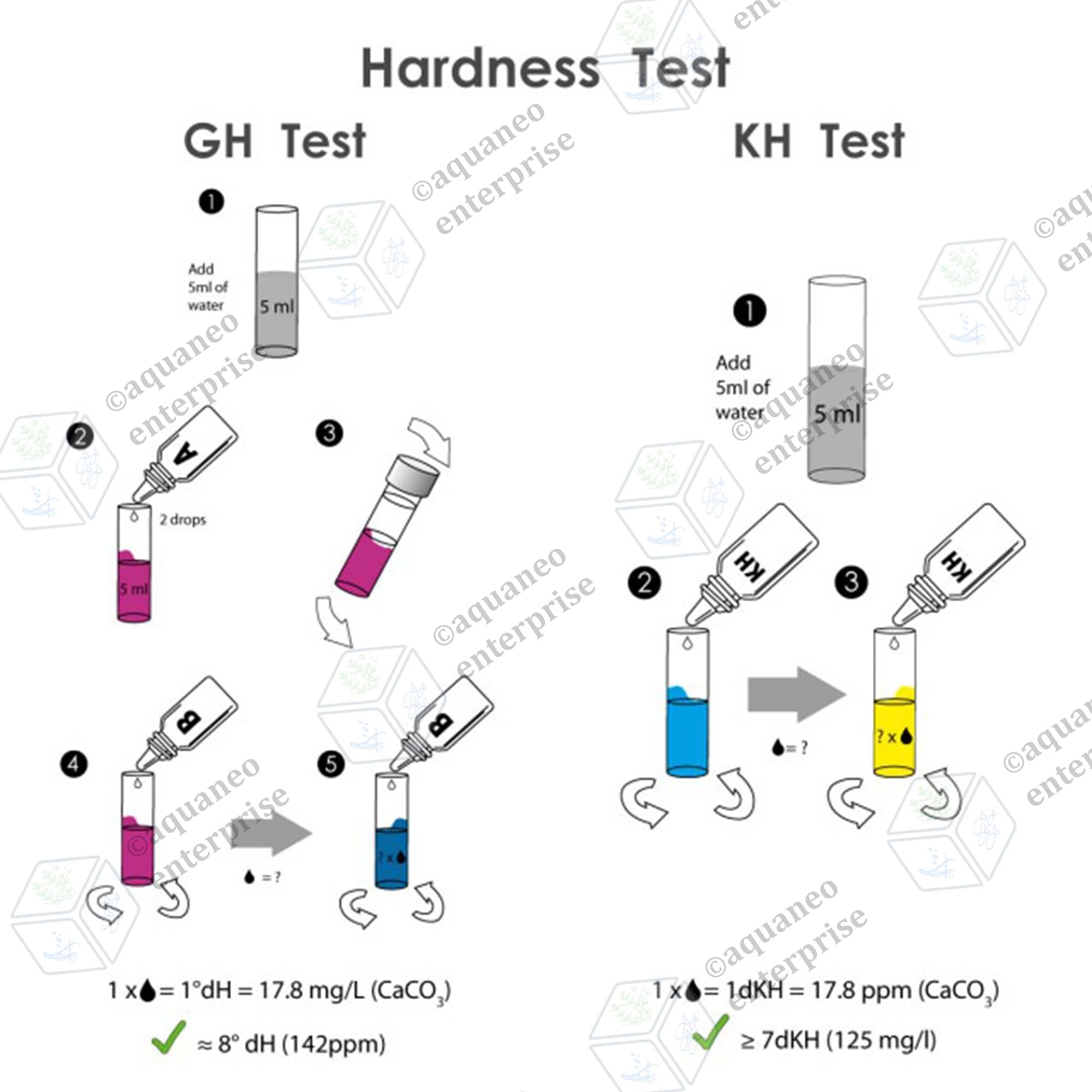
Credit: www.aquaneo2u.com
Testing Water Hardness
Maintaining the right General Hardness (GH) and Carbonate Hardness (KH) is important for healthy water. Testing water hardness helps you know when to treat your water.
Regular tests keep your water balanced. This helps plants, fish, and other aquatic life stay healthy.
Choosing The Right Test Kits
Pick test kits that are easy to use and give clear results. Some kits test GH and KH separately, while others test both together.
Look for kits with liquid drops or test strips. Liquid kits are more accurate but may take more time. Strips are quick but less precise.
- Liquid drop kits offer detailed results
- Test strips give fast but simple readings
- Choose kits based on your comfort and accuracy needs
Frequency Of Testing
Test your water hardness regularly to catch changes early. The frequency depends on your setup and water source.
For new tanks, test daily during the first two weeks. For established tanks, test weekly or after adding new water.
- New tanks: test every day for two weeks
- Established tanks: test once a week
- Test after water changes or adding treatments
Adjusting General Hardness (gh)
General Hardness (GH) measures the amount of calcium and magnesium in water. It affects plant growth, fish health, and water chemistry. Keeping GH at the right level helps maintain a healthy aquarium or garden.
Adjusting GH means either increasing or lowering the mineral content. This keeps water balanced for your specific needs. Use safe treatments to change GH without harming living things.
Increasing Gh Levels
You can raise GH by adding calcium and magnesium minerals. These minerals help strengthen fish bones and plant cell walls. Use products made for water hardness to avoid sudden changes.
Adding crushed coral or limestone to your filter or substrate slowly raises GH. These natural materials release calcium and magnesium over time. Monitor GH with test kits to keep levels steady.
- Add crushed coral or limestone to your aquarium or garden bed.
- Use commercial GH booster products with calcium and magnesium.
- Perform partial water changes with harder water if safe.
- Test GH regularly to avoid too high levels.
Lowering Gh Levels
Lower GH by removing minerals from the water. Soft water reduces calcium and magnesium. This helps plants and fish that prefer low hardness.
Use reverse osmosis (RO) water or distilled water to dilute hard water. Peat moss in filters also lowers GH by trapping minerals. Change water slowly to avoid stressing fish.
- Use reverse osmosis or distilled water for water changes.
- Add peat moss to your filter to absorb minerals.
- Perform gradual water changes to reduce GH safely.
- Test water hardness often to track changes.
Credit: hattonkoi.com
Adjusting Carbonate Hardness (kh)
Carbonate hardness, or KH, measures the water’s carbonate and bicarbonate levels. It helps keep the pH stable in your aquarium or water system. Adjusting KH is important for a healthy environment for plants and animals.
Knowing how to raise or reduce KH can protect your aquatic life and improve water quality. Use proper treatments to keep KH at the right level.
Raising Kh Levels
When KH is too low, the water pH can swing rapidly. Raising KH adds carbonate ions to stabilize pH. Use these methods to increase KH safely.
- Add crushed coral or limestone to your filter or substrate. These slowly dissolve and raise KH.
- Use baking soda (sodium bicarbonate) carefully. Start with small amounts and test water often.
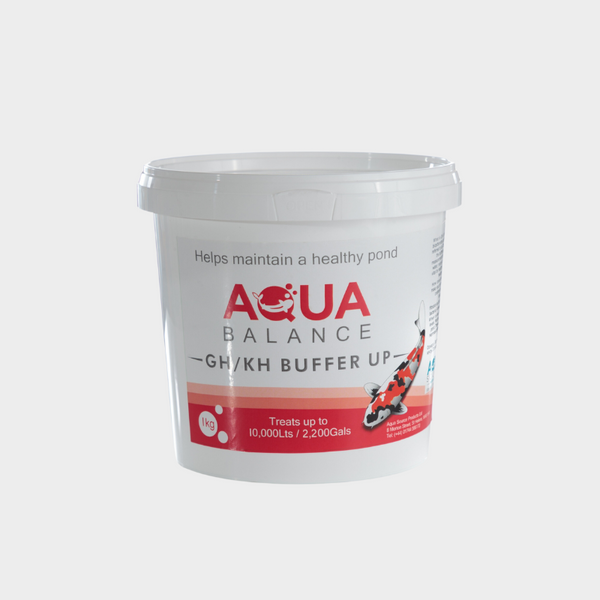
- Use commercial KH increaser products designed for aquariums or ponds.
- Mix water with higher KH levels into your system to balance the hardness.
- Monitor KH daily during adjustments to avoid sudden changes.
Reducing Kh Levels
High KH can cause pH to stay too stable, preventing plants or animals from thriving. Lower KH by removing carbonate hardness safely with these options.
| Method | Description | Notes |
|---|---|---|
| Peat Moss | Natural material that releases tannins, softening water and reducing KH. | Can tint water brown; use in filter bags for control. |
| Reverse Osmosis (RO) Water | Mix RO water with tap water to lower KH and other minerals. | Test water after mixing for desired KH level. |
| Driftwood | Releases acids that can lower KH slowly over time. | Good for aquariums with plants and fish needing soft water. |
| Commercial KH Reducers | Chemical products designed to reduce carbonate hardness quickly. | Use carefully and follow instructions to avoid pH shocks. |
Safe Treatment Options
Maintaining the right levels of GH (general hardness) and KH (carbonate hardness) is important for water health. These levels affect plants, fish, and water quality.
Safe treatments help keep GH and KH balanced without harming your aquarium or garden. You can use natural ways or chemical additives.
Natural Methods
Natural methods adjust GH and KH by adding substances found in nature. These options are gentle and support a healthy environment.
Using natural materials slowly changes water hardness and avoids sudden shifts that stress aquatic life.
- Adding crushed coral or limestone raises GH and KH over time.
- Using peat moss lowers KH by releasing acids.
- Adding driftwood can reduce KH naturally.
- Mixing water with rainwater or distilled water can soften hard water.
Chemical Additives
Chemical additives change GH and KH quickly and precisely. Use them carefully to avoid harming your water system.
Follow the instructions on the product and test water hardness before and after treatment.
- Calcium chloride raises GH by adding calcium ions.
- Magnesium sulfate boosts GH by adding magnesium.
- Sodium bicarbonate increases KH by adding carbonate ions.
- KH reducers use acids to lower carbonate hardness.
Monitoring And Maintenance
Maintaining proper GH and KH levels is important for water health. Regular monitoring helps keep these levels stable.
Good maintenance practices prevent problems with water hardness. This keeps fish and plants healthy.
Regular Water Changes
Change water regularly to keep GH and KH balanced. Fresh water helps remove waste and unwanted chemicals.
Use water that matches your tank’s hardness levels. This avoids sudden shifts in water chemistry.
- Test tap water hardness before use
- Replace 10-20% of water weekly
- Use a water conditioner if needed
Avoiding Sudden Fluctuations
Sudden changes in GH or KH can stress fish and plants. Make changes slowly to keep water stable.
Add minerals or treatments in small amounts over time. This helps water hardness adjust gently.
- Test water before and after treatments
- Add minerals in small doses over days
- Keep temperature and pH stable
Common Mistakes To Avoid
Maintaining the right GH and KH levels is crucial for aquarium health. Mistakes can lead to stress for fish and plants.
Understanding common errors helps you take better care of your aquatic environment. Learn to avoid these pitfalls for a balanced tank.
Overcorrecting Hardness
Adjusting water hardness too quickly can harm fish. Sudden changes are stressful and can cause illness.
Use gradual methods to change hardness levels. This helps fish adapt safely and reduces shock to their system.
- Test water before making changes
- Introduce changes slowly over days
- Monitor fish for signs of stress
Ignoring Test Results
Many people ignore test results, assuming their tank is fine. This can lead to imbalances that harm your aquarium.
Regular testing helps you understand water conditions. Use results to guide your maintenance routine and avoid problems.
- Test water weekly for accurate readings
- Record results to track changes
- Adjust treatments based on results
Tips For Stable Water Parameters
Maintaining proper GH and KH levels is key to healthy aquarium water. These parameters affect fish and plant health.
Stable water helps reduce stress and keeps your tank balanced. Use simple steps to keep GH and KH steady.
Consistent Routine
Check GH and KH levels regularly to catch changes early. Use the same test kit for accurate results.
Change water in small amounts weekly. Large changes can shock your aquarium’s ecosystem.
- Test water weekly
- Do small water changes
- Keep a log of measurements
- Adjust treatment slowly
Proper Equipment Use
Use reliable test kits to measure GH and KH levels. Digital or liquid kits work well for accuracy.
Choose the right treatment products for your water type. Follow instructions carefully to avoid harm.
- Use accurate test kits
- Follow treatment guidelines
- Maintain filters and equipment
- Keep heater and pumps running well
Frequently Asked Questions
What Is Gh And Kh In Aquarium Water?
GH (General Hardness) measures dissolved calcium and magnesium. KH (Carbonate Hardness) indicates carbonate and bicarbonate levels. Both affect fish health and water stability. Proper GH and KH balance ensures a stable pH and healthy aquatic life.
Why Is Maintaining Gh And Kh Important?
Maintaining GH and KH stabilizes pH levels and supports fish metabolism. Proper hardness prevents stress and promotes growth. It also protects beneficial bacteria essential for a healthy aquarium ecosystem.
How Can I Test Gh And Kh Levels?
Use aquarium test kits designed for GH and KH. These kits provide quick, easy-to-read results. Regular testing helps maintain optimal water conditions for fish and plants.
What Treatments Adjust Low Gh And Kh?
Add commercial mineral supplements or crushed coral to raise GH and KH. Baking soda can increase KH but use cautiously. Adjust levels gradually to avoid shocking your aquarium inhabitants.
Conclusion
Maintaining GH and KH levels keeps your water balanced and safe. Test your water regularly to track changes. Use treatments carefully to avoid sudden shifts. Stable GH and KH support healthy plants and fish. Simple steps make a big difference in your tank.
Keep learning and adjusting for the best results. Consistent care helps your aquatic life thrive. Small efforts lead to a clean, healthy environment. Stay patient and watch your water quality improve.