
Are you ready to create a vibrant, healthy home for your favorite fish? Maintaining a species-specific aquarium isn’t just about filling a tank with water and fish.
It’s about understanding the unique needs of your chosen species and giving them the perfect environment to thrive. When you get it right, your aquarium becomes a stunning display of nature’s beauty—and a source of endless joy. Keep reading, and you’ll discover simple, practical tips to make your aquarium a true haven for your fish.
Your underwater world is waiting to come alive!
Choosing The Right Species
Picking the right species is key to a successful species-specific aquarium. It helps create a healthy and balanced environment.
You should learn about the species before adding them to your tank. This will keep your fish happy and safe.
Researching Species Needs
Each fish species needs different water temperature, pH, and space. Knowing these needs keeps them healthy.
Check what food they eat and how much. Some species need special diets to thrive.
- Water temperature range
- pH level requirements
- Tank size and swimming space
- Diet and feeding habits
- Behavior and activity level
Compatibility Considerations
Some species do not get along with others. Aggression can cause stress and injury.
Choose species that live well together to avoid fighting and stress in the tank.
- Check if the species are peaceful or aggressive
- Consider their size differences
- Look at their activity times (day or night)
- Note their space needs and hiding spots
Selecting Healthy Specimens
Pick fish that look active and alert. Avoid fish with damaged fins or spots.
Healthy fish have clear eyes and smooth scales. They should swim well and breathe normally.
- Bright, even coloring
- Clear, shiny eyes
- No visible wounds or spots
- Active swimming behavior
- Normal breathing rate
Credit: clixfueling.com
Setting Up The Aquarium
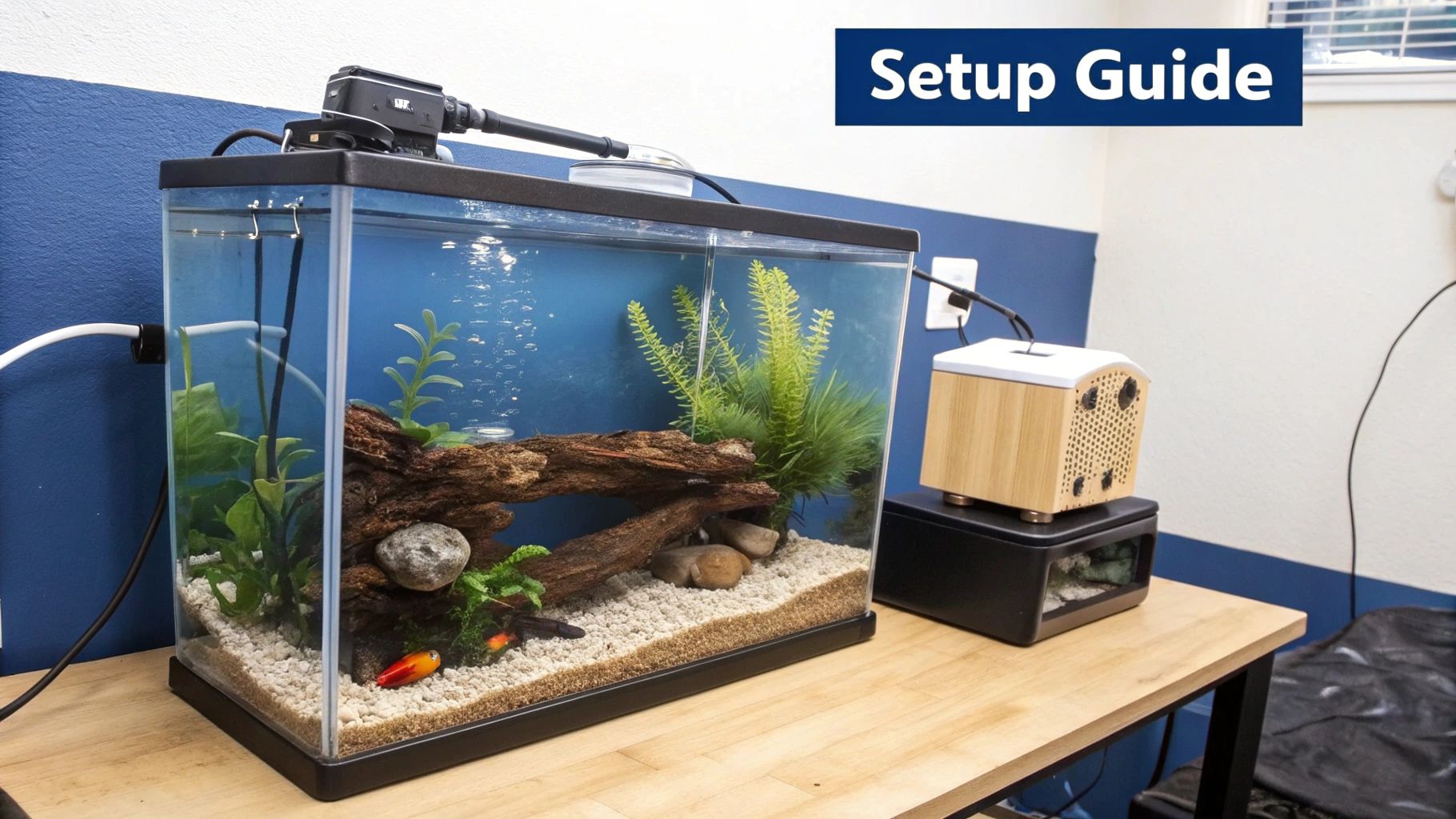
Setting up a species-specific aquarium takes careful planning. You must create a space that fits your fish perfectly.
Each species has unique needs for size, water, and environment. Meeting these needs helps keep fish healthy and happy.
Tank Size And Environment
Choose a tank size based on the fish species and their adult size. Bigger fish need more space to swim freely.
Consider the fish’s natural environment. Some need plants and rocks, while others prefer open water.
- Small fish: 10 to 20 gallons
- Medium fish: 20 to 40 gallons
- Large fish: 50 gallons or more
- Add hiding spots like caves or plants
- Keep lighting similar to natural habitat
Water Parameters And Filtration
Water quality is vital for fish health. Check the temperature, pH, and hardness for the species you keep.
Use a good filter to keep the water clean. Filters remove waste and keep oxygen levels high.
- Set temperature based on species needs
- Maintain stable pH and hardness levels
- Use biological, mechanical, and chemical filtration
- Test water weekly for ammonia, nitrites, and nitrates
Substrate And Decorations
Pick substrate that matches the species’ natural habitat. Some fish like sand, others need gravel.
Decorations provide hiding spots and reduce stress. Use driftwood, plants, or rocks depending on fish preferences.
- Sand for bottom dwellers like catfish
- Gravel for fish that like to dig
- Live plants for oxygen and cover
- Safe rocks and caves for hiding
- Avoid sharp decorations that can injure fish
Feeding Practices
Feeding your species-specific aquarium correctly is key to keeping fish healthy. Each species has unique diet needs. Understanding these needs helps you provide the best care.
Proper feeding also prevents water pollution and stress among aquarium inhabitants. Pay attention to what, how often, and how much you feed your fish.
Diet Requirements
Different fish species need different types of food. Some eat mainly plants, others prefer meat or a mix. Check your species’ natural diet for guidance.
- Herbivores need algae, vegetables, and plant-based flakes.
- Carnivores require protein-rich foods like shrimp or worms.
- Omnivores eat both plants and small animals.
- Some species need live food to stay active and healthy.
Feeding Frequency
Feed your fish according to their size, age, and metabolism. Younger fish often need more frequent feedings than adults.
| Species Type | Feeding Times per Day | Notes |
| Small tropical fish | 2-3 | Small portions each time |
| Large carnivores | 1-2 | High-protein diet |
| Herbivores | 2-3 | Include fresh vegetables |
| Omnivores | 2 | Balanced food types |
Avoiding Overfeeding
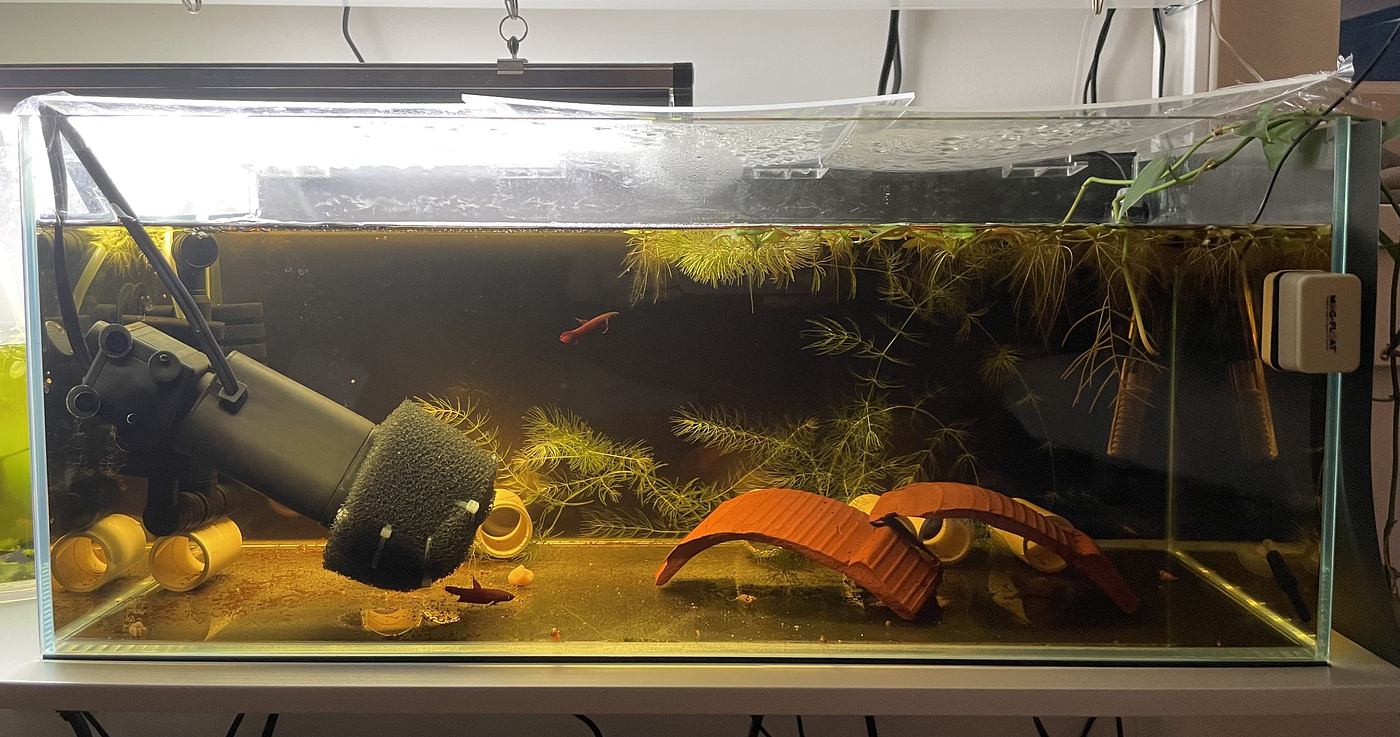
Overfeeding can harm fish and water quality. Uneaten food leads to bacteria growth and toxins. Feed only what fish eat in a few minutes.
- Observe how much food your fish finish quickly.
- Remove leftovers to keep water clean.
- Use feeding tools like small spoons or tubes for control.
- Adjust the food amount as fish grow or change behavior.
Credit: medium.com
Monitoring Health
Keeping a species-specific aquarium means watching the health of your fish closely. Healthy fish show good color and active behavior.
Regular checks help catch problems early and keep your aquarium safe.
Recognizing Common Diseases
Fish in species-specific tanks can get diseases like ich, fin rot, and fungal infections. Knowing signs helps you act fast.
Look for white spots, torn fins, or strange swimming patterns. These are warning signs of illness.
- Ich: white spots on body and fins
- Fin rot: ragged or discolored fins
- Fungal infection: cotton-like growths on skin
- Swim bladder issues: fish float or sink oddly
Quarantine Procedures
Quarantine new fish before adding them to the main tank. This stops diseases from spreading.
Use a separate tank for at least two weeks. Watch for signs of illness during this time.
- Set up a small tank with proper water conditions
- Feed the fish well and keep water clean
- Check fish daily for any health issues
- Only add fish to the main tank if they are healthy
Regular Health Checks
Check your fish’s health every day. Look for changes in color, behavior, or appetite.
Keep a log to note any problems or unusual behavior. Early detection helps treat issues faster.
- Observe fish swimming and breathing patterns
- Look for wounds, spots, or swelling
- Test water quality weekly
- Remove sick fish quickly to prevent spread
Maintaining Water Quality
Good water quality is key to a healthy aquarium. Clean water helps fish and plants thrive.
Maintaining water quality means keeping it free from toxins and balanced in nutrients.
Regular Water Changes
Change part of the aquarium water regularly. This removes waste and keeps water fresh.
- Change 10-20% of the water weekly
- Use a water conditioner to remove chlorine
- Clean the gravel during water changes
- Match new water temperature to the tank
Testing Water Parameters
Test water often to check pH, ammonia, nitrites, and nitrates. This helps spot problems early.
| Parameter | Safe Range | Why It Matters |
| pH | 6.5 – 7.5 | Controls acidity and alkalinity |
| Ammonia | 0 ppm | Toxic to fish even in small amounts |
| Nitrites | 0 ppm | Harmful byproduct from fish waste |
| Nitrates | Below 20 ppm | Safe but high levels stress fish |
Managing Algae Growth
Algae can harm your aquarium if it grows too much. Control light and nutrients to manage it.
Tips to control algae:
- Limit aquarium light to 8-10 hours daily
- Do not overfeed the fish
- Remove visible algae with a scraper
- Add algae-eating fish or snails

Credit: www.blessingsaquarium.com
Behavioral Observations
Watching your fish closely helps keep them healthy. Behavior shows how well they live in their tank.
Each species acts in its own way. Learning their habits helps you spot problems early.
Identifying Stress Signs
Stress can make fish sick or cause death. Look for changes in how they swim or eat.
- Hiding more than usual
- Loss of appetite
- Rapid breathing or gasping at the surface
- Faded colors or spots on the body
- Clamped fins or erratic swimming
Encouraging Natural Behavior
Help your fish act like they do in the wild. This keeps them active and healthy.
| Action | Effect |
| Provide hiding places | Makes fish feel safe |
| Use plants and decorations | Simulates natural habitat |
| Feed varied diet | Supports natural feeding habits |
| Maintain correct water conditions | Encourages normal activity |
Handling Aggression
Aggressive fish can harm others. Watch their body language to prevent fights.
Signs of aggression include:
- Chasing other fish
- Ramming or biting
- Spreading fins wide
- Color changes to bright or dark shades
To reduce fights, try:
- Adding more hiding spots
- Keeping similar sized fish together
- Separating aggressive fish if needed
Breeding Tips
Breeding fish in a species-specific aquarium needs care and attention. Good breeding helps keep fish healthy and grow their numbers.
Each fish species has unique needs for breeding. Knowing these helps create the right environment for success.
Creating Breeding Conditions
Set up the tank to match the fish’s natural breeding environment. Use clean water with the right temperature and pH.
Plants and hiding spots give fish comfort and places to lay eggs. Soft lighting helps reduce stress during breeding.
- Keep water temperature steady and species-appropriate
- Adjust pH and hardness as needed
- Add plants or breeding mops for egg laying
- Use gentle lighting to avoid stressing fish
- Keep water clean with regular changes
Caring For Fry
Fry need special care after hatching. Use small food like baby brine shrimp or finely crushed flakes.
Keep water quality high and avoid sudden changes. Watch fry closely for signs of illness or stress.
- Feed small, frequent meals with tiny live or dry food
- Keep water clean with gentle filtration
- Maintain stable temperature and water conditions
- Remove uneaten food to prevent water pollution
- Separate fry if needed to avoid being eaten
Separating Breeding Groups
Separate males and females if the species is aggressive or if you want to control breeding times. Use breeding tanks or dividers.
Move pregnant females to a safe tank to protect the young. Keep groups small to reduce fighting and stress.
- Use separate tanks for males and females if needed
- Move females before they give birth or lay eggs
- Keep breeding groups small and calm
- Use tank dividers to separate aggressive fish
- Monitor fish behavior to prevent harm
Common Mistakes To Avoid
Keeping a species-specific aquarium can be rewarding. Avoiding common mistakes helps your fish stay healthy.
Learn about the main errors people make. Fixing these improves your aquarium’s environment.
Overcrowding
Adding too many fish can cause stress and illness. Fish need space to swim and hide.
Overcrowding leads to poor water quality. Waste builds up faster, harming your fish.
- Follow recommended fish per gallon rules
- Research the adult size of your fish
- Leave enough hiding spots and open swimming areas
Ignoring Species-specific Needs
Each fish species needs certain water conditions and food. Ignoring these causes health problems.
Some fish need soft water, others need hard water. Temperature and pH levels also vary.
- Check the ideal water temperature for your species
- Match pH and hardness to the fish’s natural habitat
- Feed species-appropriate food regularly
Neglecting Maintenance
Skipping tank cleaning causes dirt and toxins to build up. This harms fish health.
Regular water changes and filter cleaning keep the aquarium safe. This prevents disease.
- Change 10-20% of water weekly
- Clean filters every month or as needed
- Remove uneaten food and waste daily
Frequently Asked Questions
What Is A Species-specific Aquarium?
A species-specific aquarium houses only one fish species. This setup mimics natural habitats and reduces stress. It allows tailored care, improving fish health and behavior. Species-specific tanks help maintain water conditions ideal for that species.
How Do I Choose The Right Fish Species?
Research fish compatibility, size, and habitat needs. Select species that thrive in your tank size and water parameters. Avoid aggressive or territorial fish unless your tank suits them. Choosing compatible species ensures a balanced, healthy aquarium.
How Often Should I Clean A Species-specific Aquarium?
Clean your tank weekly or biweekly. Remove debris, uneaten food, and algae. Perform partial water changes of 20-30%. Regular cleaning maintains water quality and fish health. Adjust frequency based on tank size and fish load.
What Water Parameters Suit Species-specific Tanks?
Water parameters depend on the species housed. Monitor pH, temperature, hardness, and ammonia levels. Maintain stable conditions within species’ preferred ranges. Regular testing prevents stress and disease. Tailoring parameters ensures optimal fish health and growth.
Conclusion
Maintaining a species-specific aquarium takes patience and care. Choose the right fish and plants for your tank. Keep water clean and check its temperature often. Feed your fish the right food in small amounts. Watch your fish daily to spot any problems early.
A healthy tank means happy fish that live longer. Small efforts each day make a big difference. Enjoy the peace and beauty your aquarium brings. Care for your tank, and it will thrive.