
Keeping your fish happy in an aquarium isn’t just about filling a tank with water and fish. It takes care, attention, and the right environment to make sure your aquatic friends thrive.
You might wonder how to create the perfect home for your fish, where they feel safe, active, and healthy every day. You’ll discover simple yet powerful tips to boost your fish’s well-being and turn your aquarium into a lively, beautiful underwater world.
Ready to become the best fish caretaker? Let’s dive in!
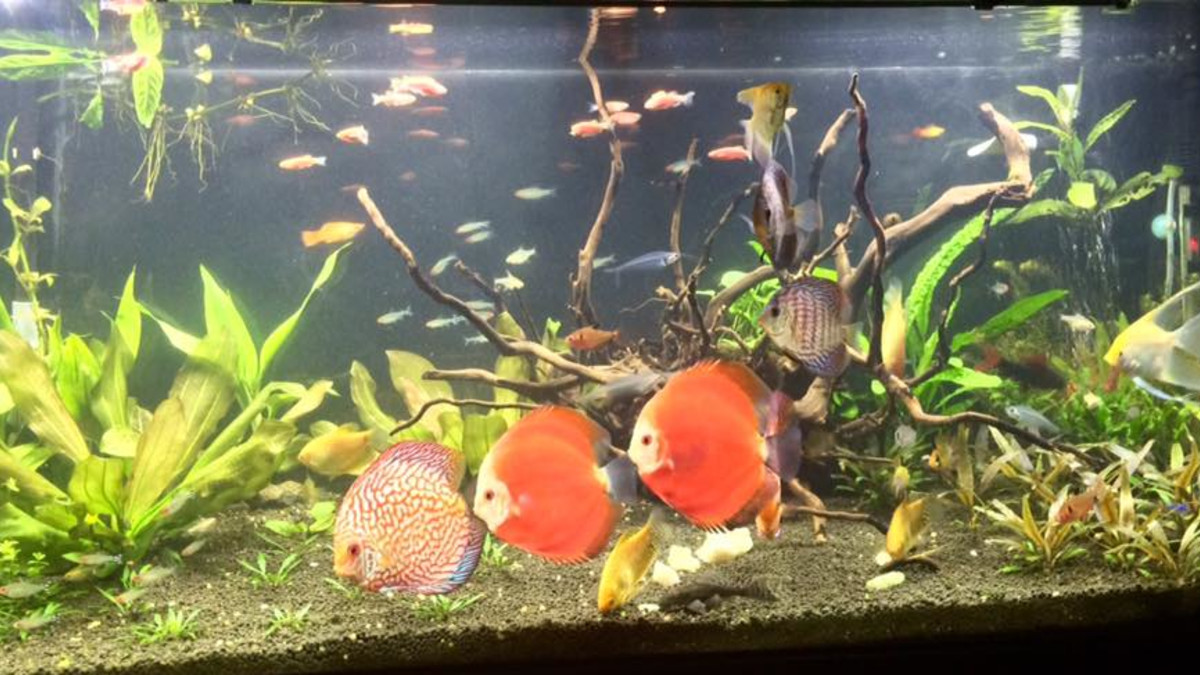
Credit: pethelpful.com
Choosing The Right Fish
Choosing the right fish is key to a happy aquarium. Each fish has unique needs and habits.
Consider their behavior, size, and tank needs before adding them to your aquarium.
Matching Species Compatibility
Some fish get along well, while others may fight or stress each other. Choose species that share peaceful traits.
- Research fish temperaments before buying
- Avoid mixing aggressive fish with shy ones
- Keep fish that live in similar water conditions
- Group fish by their activity levels
Considering Fish Size And Growth
Fish grow and their size affects tank space and tank mates. Choose fish that fit your tank size now and later.
| Fish Species | Average Adult Size | Growth Rate |
| Neon Tetra | 1.5 inches | Slow |
| Guppy | 2 inches | Moderate |
| Oscar | 12 inches | Fast |
| Angelfish | 6 inches | Moderate |
Selecting Based On Tank Size
Tank size limits how many and what types of fish you can keep. Small tanks suit smaller fish.
- Small tanks (under 10 gallons): small fish like tetras, shrimp
- Medium tanks (10-30 gallons): gouramis, corydoras catfish
- Large tanks (30+ gallons): angelfish, larger cichlids
- Leave extra space for swimming and growth
Setting Up The Aquarium
Setting up an aquarium properly helps fish stay healthy and happy. You must prepare the tank before adding any fish.
This guide covers key steps like tank cycling, water temperature, and water quality. These steps create a safe home for your fish.
Proper Tank Cycling
Tank cycling builds good bacteria that break down fish waste. This process stops harmful toxins from building up.
- Set up your tank with water, filter, and heater.
- Add a source of ammonia, like fish food or pure ammonia.
- Test the water regularly for ammonia, nitrites, and nitrates.
- Wait until ammonia and nitrites drop to zero and nitrates rise.
- Only add fish after the tank has fully cycled, usually 4-6 weeks.
Optimal Water Temperature
Fish need the right water temperature to stay active and healthy. Different fish species need different temperatures.
| Fish Type | Ideal Temperature (°F) | Ideal Temperature (°C) |
| Tropical Fish | 75 – 80 | 24 – 27 |
| Coldwater Fish | 65 – 72 | 18 – 22 |
| Goldfish | 68 – 74 | 20 – 23 |
Use an aquarium heater and thermometer to keep the water stable. Avoid sudden temperature changes.
Maintaining Water Quality
Good water quality keeps fish healthy and prevents diseases. Check water parameters often.
- Change 10-20% of the water every week.
- Use a water conditioner to remove chlorine.
- Clean the filter regularly but do not use tap water.
- Remove uneaten food and waste daily.
- Test water pH, ammonia, nitrites, and nitrates weekly.
Feeding For Health
Feeding fish the right way keeps them lively and strong. Proper food supports their growth and colors.
Understanding what to feed and how much helps avoid health problems and stress in fish.
Balanced Diet Options
Fish need a mix of proteins, vitamins, and minerals. Different species eat different foods.
- Flake and pellet foods provide basic nutrition for many fish.
- Live or frozen foods like brine shrimp add protein and stimulate natural hunting.
- Vegetables such as spinach or peas are good for herbivores and add fiber.
- Occasional treats like bloodworms can boost energy and color.
Feeding Frequency And Portions
Feed small amounts often to match fish metabolism. Overfeeding harms water quality and fish health.
| Fish Type | Feed Times per Day | Portion Size |
| Small Tropical Fish | 2-3 | As much as they eat in 2 minutes |
| Goldfish | 2 | Small pinch, twice daily |
| Cichlids | 1-2 | Moderate amount once or twice |
| Bottom Feeders | 1 | Once daily, enough to clear in 5 minutes |
Avoiding Overfeeding
Too much food pollutes water and causes fish to get sick. Watch fish eat and remove leftovers.
Tips to stop overfeeding:
- Feed only what fish eat quickly.
- Use a feeding schedule and stick to it.
- Clean uneaten food from tank after feeding.
- Observe fish behavior to adjust feeding.

Credit: www.pond-planet.co.uk
Creating A Natural Habitat
Fish live best in environments that look like their homes in the wild. A natural habitat helps fish feel safe and happy.
Setting up your aquarium to match nature improves fish health and behavior. Small changes make a big difference.
Using Plants And Decorations
Plants and decorations add beauty and comfort to your aquarium. Live plants also help keep the water clean.
- Choose plants that grow well underwater
- Use natural rocks and wood for decoration
- Place plants in groups to create a natural look
- Avoid sharp decorations that can hurt fish
Providing Hiding Spots
Fish need places to hide to feel safe from stress and threats. Hiding spots reduce fish aggression.
| Type of Hiding Spot | Description |
|---|---|
| Plants | Dense areas where fish can swim through or rest inside |
| Caves | Small rocks or ceramic caves that offer shelter |
| Driftwood | Natural wood pieces that create shade and cover |
Mimicking Natural Light Cycles
Light affects fish behavior and health. Matching natural day and night cycles keeps fish calm.
- Use timers to control aquarium lighting
- Provide about 10 to 12 hours of light daily
- Include a gradual dimming period in the evening
- Avoid sudden changes in light intensity
Monitoring Fish Behavior
Understanding fish behavior helps keep them healthy in an aquarium. Observing their actions can signal if they are happy or need help.
Monitoring fish allows you to catch issues early. This ensures a safe and pleasant environment for them.
Recognizing Stress Signs
Fish under stress show certain behaviors. Recognizing these signs is key to addressing their needs.
- Erratic swimming patterns
- Hiding more than usual
- Gasping at the water surface
Identifying Illness Early
Spotting illness early can save your fish’s life. Look for physical and behavioral changes.
| Symptom | Possible Illness |
| White spots | Ich |
| Frayed fins | Fin rot |
| Loss of appetite | Internal parasites |
Adjusting Environment Accordingly
Adjusting the aquarium environment can improve fish well-being. Simple changes make a big difference.
Consider these adjustments:
- Check and maintain water temperature
- Ensure proper filtration
- Provide adequate hiding spaces
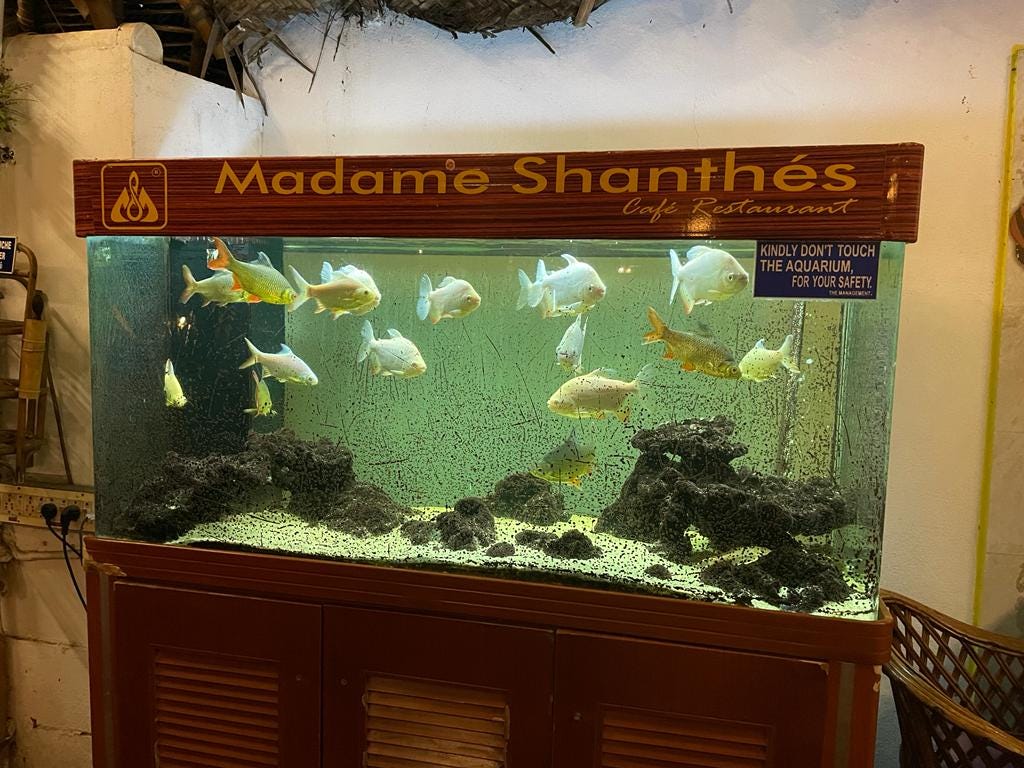
Credit: preetisingh15.medium.com
Regular Maintenance Tasks
Keeping fish healthy means regular care of their aquarium. Daily attention helps fish live longer and stay active.
Simple cleaning and equipment checks keep the tank safe and clean for all fish species.
Cleaning The Tank
Remove algae from tank walls with a soft scraper. Clean decorations and gravel to avoid harmful buildup.
- Use a siphon to vacuum the substrate
- Wipe tank glass gently to prevent scratches
- Clean ornaments with warm water only
- Avoid soaps or chemicals that harm fish
Water Changes Schedule
Changing water regularly keeps it fresh and reduces toxins. Frequency depends on tank size and fish count.
| Tank Size | Water Change Frequency | Change Amount |
|---|---|---|
| Up to 10 gallons | Once a week | 20-30% |
| 10 to 30 gallons | Every 2 weeks | 25% |
| More than 30 gallons | Monthly | 20% |
Filter And Equipment Care
Filters remove waste and keep water clean. Check filters weekly and clean parts as needed.
- Rinse filter media in tank water, not tap water
- Replace filter cartridges monthly
- Inspect air pumps and heaters for proper function
- Keep cords and plugs dry and secure
Frequently Asked Questions
How Often Should I Clean My Aquarium For Happy Fish?
Clean your aquarium every 2-4 weeks to maintain a healthy environment. Regular cleaning prevents harmful waste buildup and keeps water clear. Use a gravel vacuum and partial water changes to avoid stressing fish.
What Water Temperature Keeps Fish Species Comfortable?
Maintain water temperature between 72°F and 78°F for most tropical fish. Use a reliable heater and thermometer to ensure stable temperatures. Sudden changes can stress fish and harm their health.
How Do I Choose Compatible Fish Species?
Select fish with similar water needs and temperaments to avoid aggression. Research species behavior and size before adding them to your aquarium. Compatibility promotes harmony and reduces stress among fish.
What Is The Best Diet For Aquarium Fish?
Feed a balanced diet including flakes, pellets, and occasional live foods. Avoid overfeeding to prevent water pollution and health issues. Feed small amounts 1-2 times daily for optimal nutrition.
Conclusion
Keeping fish happy means meeting their basic needs daily. Clean water, proper food, and the right tank size matter most. Fish thrive with good oxygen and a calm environment. Watch their behavior to catch problems early. Small efforts bring big rewards in fish care.
Enjoy your aquarium as a peaceful, lively home for your fish. Simple steps make a healthy, happy underwater world. Care and attention keep your fish swimming strong and bright.