
Keeping your freshwater aquarium clean is key to a healthy and happy home for your fish. You want your aquatic friends to thrive, but without the right care, your tank can quickly become a mess.
Imagine crystal-clear water, vibrant fish, and a tank that shines—this isn’t just a dream; it’s possible with the right steps. In this guide, you’ll learn simple, effective ways to maintain your aquarium so your species can live their best life.
Ready to discover how easy it is to keep your tank spotless? Let’s dive in.

Credit: www.aqqapet.com
Choosing The Right Aquarium Setup
Keeping a freshwater aquarium clean starts with the right setup. This helps your fish stay healthy and your tank easy to maintain.
Choosing the right size, species, and equipment makes a big difference. Let’s look at each part closely.
Selecting Suitable Tank Size
Pick a tank size that fits the space you have and the fish you want. Bigger tanks are easier to keep clean because water stays stable longer.
- Small tanks (under 10 gallons) need very careful care and frequent cleaning.
- Medium tanks (10 to 30 gallons) are good for beginners and many fish types.
- Large tanks (over 30 gallons) allow more fish and plants with less daily work.
Picking Compatible Species
Choose fish that live well together. Avoid mixing aggressive species with peaceful ones. Check their size and water needs.
| Fish Species | Temperament | Water Needs |
| Neon Tetra | Peaceful | Soft, slightly acidic |
| Guppy | Peaceful | Neutral to hard water |
| Oscar | Aggressive | Hard, warm water |
| Corydoras Catfish | Peaceful | Soft to neutral water |
Essential Equipment For Cleanliness
Good equipment helps keep the water clean and safe. Filters, heaters, and lights all play a role.
- Filters remove dirt and waste from the water.
- Heaters keep the water at the right temperature for your fish.
- Lighting helps plants grow and shows the colors of your fish.
- Air pumps add oxygen to the water, helping fish breathe.
Maintaining Water Quality
Keeping your freshwater aquarium clean is key for healthy fish. Water quality affects fish health and plant growth.
Focus on testing water, changing water regularly, and using filters well. These actions help keep water safe.
Testing Water Parameters
Test your aquarium water often to check its condition. Key parameters include pH, ammonia, nitrite, and nitrate.
- pH: Measures acidity or alkalinity. Keep it stable for your fish.
- Ammonia: Toxic to fish, should be zero.
- Nitrite: Also toxic, must be kept low.
- Nitrate: Less harmful but should be under control.
Regular Water Changes
Change part of the water weekly to remove waste and toxins. Fresh water keeps fish healthy.
| Change Amount | Frequency | Purpose |
| 10-20% | Weekly | Remove toxins and waste |
| 25-30% | Biweekly | Improve water clarity |
| 50% | Monthly | Deep cleaning |
Using Filtration Systems Effectively
Filters clean water by removing dirt and harmful chemicals. Choose the right filter for your tank size.
- Mechanical filters trap debris and particles.
- Biological filters help break down harmful substances.
- Chemical filters remove toxins and odors.
- Clean filters regularly to keep them working well.
Managing Algae Growth
Keeping a freshwater aquarium clean is important for the health of your fish. Algae growth is a common issue that can affect water quality and the appearance of the tank.
Managing algae growth helps maintain a balanced ecosystem. Let’s explore what causes algae blooms and how to control them naturally and safely.
Causes Of Algae Blooms
Algae blooms happen when conditions in the tank are just right. Too much light and excess nutrients in the water can lead to rapid algae growth.
Overfeeding fish and not changing the water often enough can also cause algae to bloom. It’s important to understand these causes to prevent algae problems.
- Excessive light exposure
- High nutrient levels
- Overfeeding fish
- Infrequent water changes
Natural Algae Control Methods
Natural methods can help manage algae without harming fish. Reducing the amount of light the aquarium receives is a simple way to slow algae growth.
Introducing algae-eating fish or snails can also help. Regular cleaning and water changes are important to keep algae under control.
- Reduce light exposure
- Add algae-eating fish or snails
- Regular cleaning and water changes
Chemical Treatments And Safety
Chemical treatments can be used to manage algae, but they should be a last resort. It’s important to follow instructions carefully to avoid harming fish and plants.
Always check that the chemicals are safe for the specific species in your tank. Monitoring the water after treatment is crucial to ensure safety.
- Use chemicals as a last resort
- Follow instructions carefully
- Ensure safety for all tank species
- Monitor water after treatment
Cleaning Techniques For Aquariums
Keeping a freshwater aquarium clean helps fish stay healthy. Regular cleaning removes harmful waste and keeps water clear.
Use easy cleaning techniques to maintain a fresh and safe environment for your aquarium species.
Removing Debris And Waste
Remove leftover food, dead plants, and fish waste often. These materials pollute the water and harm fish.
Use a net or siphon to scoop out debris from the water surface and gravel.
- Skim surface waste daily using a fine net
- Siphon water to remove settled debris
- Remove dead plants or uneaten food promptly
Cleaning Substrate And Decorations
Substrate can trap waste and toxins. Clean it regularly to keep the tank healthy.
Take out decorations and rinse them in tank water. Avoid using soap or chemicals.
- Use a gravel vacuum to clean substrate gently
- Rinse decorations in removed tank water
- Do not use soap or harsh cleaners
Handling Glass And Equipment
Clean the glass to remove algae and water stains. This helps you see your fish clearly.
Check and clean filters and heaters to keep them working well. Unplug before cleaning.
- Use an algae scraper or magnetic cleaner for glass
- Rinse filter parts in tank water only
- Unplug electrical equipment before cleaning
Feeding And Species Care
Keeping a freshwater aquarium clean depends a lot on how you feed your fish. Proper feeding helps keep the water clear and fish healthy.
Caring for different species means knowing their needs well. Each fish type has special care rules to stay clean and happy.
Balanced Diet For Freshwater Fish
A balanced diet gives fish the right nutrients to grow and stay healthy. It also reduces waste that pollutes the tank.
Feed fish a mix of flakes, pellets, and fresh or frozen foods. This variety meets different species needs well.
- Flakes or pellets for daily nutrition
- Frozen foods like bloodworms for protein
- Vegetables like peas or spinach for herbivores
- Avoid overfeeding to reduce leftovers
Preventing Overfeeding
Overfeeding causes extra food to decay and pollute the water. It also makes fish sick from poor water quality.
Feed small amounts once or twice a day. Remove uneaten food after a few minutes to keep the tank clean.
- Feed only what fish eat in 2-3 minutes
- Use a feeding schedule to avoid extra food
- Watch fish behavior for hunger signs
- Clean tank regularly to remove waste
Species-specific Cleaning Needs
Different fish species produce different waste amounts. Some need special cleaning routines to keep water clear.
Bottom dwellers like catfish need clean substrate. Fast swimmers may need more water changes to remove waste.
- Catfish: Clean gravel often and remove leftovers
- Tetras: Moderate water changes and filter care
- Goldfish: Larger tank and frequent cleaning
- Cichlids: Watch water pH and do partial water changes
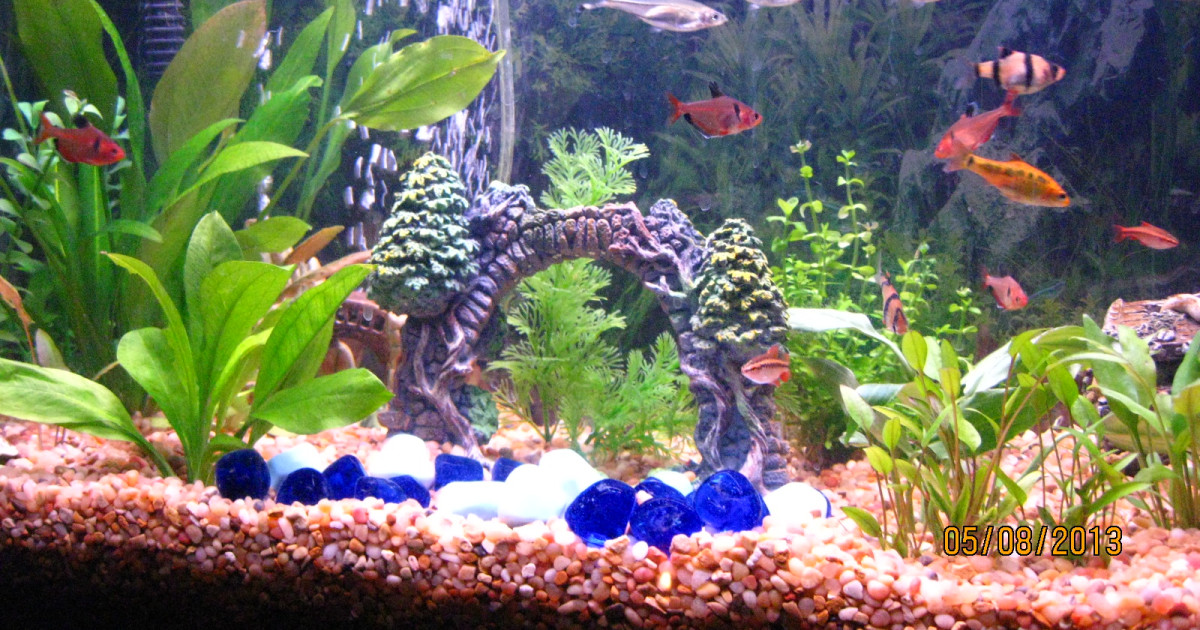
Credit: pethelpful.com
Preventing Common Aquarium Problems
Keeping a freshwater aquarium clean is important for fish health. Regular care prevents problems and keeps fish happy.
Learn how to avoid common issues like diseases, overcrowding, and unusual fish behavior.
Dealing With Disease Outbreaks
Fish diseases can spread quickly in aquariums. Early detection is key to stopping outbreaks.
Quarantine new fish before adding them to your tank. This helps prevent the introduction of diseases.
- Keep water clean and well-filtered
- Check fish for signs of illness regularly
- Isolate sick fish to avoid spreading disease
Avoiding Overcrowding
Overcrowding stresses fish and leads to health problems. Give each fish enough space to swim and thrive.
Know the size of your tank and the needs of your fish. This helps keep the right balance.
- Research the space needs of each species
- Limit the number of fish in the tank
- Consider fish growth when adding new ones
Monitoring Fish Behavior
Changes in fish behavior can indicate problems. Watch for unusual actions like hiding or aggression.
Regularly observe your fish to catch issues early. This helps maintain a healthy aquarium environment.
- Look for changes in swimming patterns
- Notice if fish are not eating
- Check for unusual spots or marks
Using Plants To Enhance Cleanliness
Keeping a freshwater aquarium clean is important for the health of your fish. Live plants help keep the water clean and clear. They absorb harmful chemicals and provide oxygen.
Adding plants to your aquarium also creates a natural environment. This makes your fish feel safe and reduces stress.
Benefits Of Live Plants
Live plants improve water quality by absorbing nitrates and other waste. They reduce algae growth by using the same nutrients.
Plants provide hiding spots and shelter for fish. This helps fish stay calm and healthy.
- Absorb harmful chemicals like nitrates
- Reduce algae growth naturally
- Provide oxygen for fish and beneficial bacteria
- Create hiding places and reduce fish stress
Choosing Low-maintenance Species
Pick plants that are easy to care for and grow well in your tank. Low-maintenance plants need less light and fertilizer.
These plants survive in different water conditions. They are good for beginners or busy aquarium owners.
- Java Fern: grows well in low light
- Anubias: tough and slow growing
- Hornwort: fast growing and absorbs nutrients
- Amazon Sword: good for larger tanks
Plant Care Tips
Keep your plants healthy by giving them proper light and nutrients. Avoid too much light to stop algae.
Trim dead leaves and remove decayed parts. Clean the tank regularly but avoid disturbing plant roots.
- Use aquarium-safe fertilizer
- Provide 8-10 hours of light daily
- Trim dead or dying leaves
- Remove algae from plant leaves
- Do not over-clean plant roots during water changes

Credit: www.reddit.com
Frequently Asked Questions
How Often Should I Clean My Freshwater Aquarium?
Clean your freshwater aquarium every 1-2 weeks. Partial water changes of 20-30% help remove toxins. Regular gravel vacuuming prevents waste buildup. Consistent cleaning maintains water quality and fish health.
What Tools Are Essential For Aquarium Cleaning?
Essential tools include a gravel vacuum, algae scraper, water test kit, and a clean bucket. These tools help remove debris, control algae, and monitor water parameters effectively for a healthy aquarium environment.
How Can I Prevent Algae Growth In Freshwater Tanks?
Limit light exposure to 8-10 hours daily. Avoid overfeeding fish to reduce excess nutrients. Regular water changes and algae scrubbing keep algae under control. Proper filtration also helps maintain balanced water conditions.
What Is The Best Way To Clean Aquarium Filters?
Rinse filter media in tank water during water changes to preserve beneficial bacteria. Avoid using tap water as it can kill bacteria. Clean mechanical parts gently to remove debris without damaging the filter.
Conclusion
Keeping a freshwater aquarium clean takes regular care and attention. Clean water helps fish stay healthy and active. Change the water often and remove waste to prevent problems. Use a good filter and check it regularly. Feed fish the right amount to avoid leftover food.
Watch your fish for signs of stress or illness. A clean tank creates a happy home for your species. Small steps every day make a big difference. Enjoy the beauty of your aquarium with fresh, clear water.