
Are you thinking about adding Molly fish to your aquarium? Knowing how to spot a healthy Molly fish is key to keeping your tank vibrant and thriving.
When you choose the right fish, you avoid costly problems and enjoy a lively, colorful tank that brings you joy every day. In this guide, you’ll discover simple signs to look for that show a Molly fish is healthy and ready to join your aquatic family.
Keep reading, and you’ll feel confident selecting fish that will flourish in your care.
Credit: www.aquariumsource.com
Key Signs Of Healthy Molly Fish
Keeping Molly fish healthy is important for a lively aquarium. Knowing the signs of good health helps you care for them well.
This guide explains how to spot healthy Molly fish by observing their color, behavior, eyes, fins, and feeding habits.
Bright And Consistent Coloration
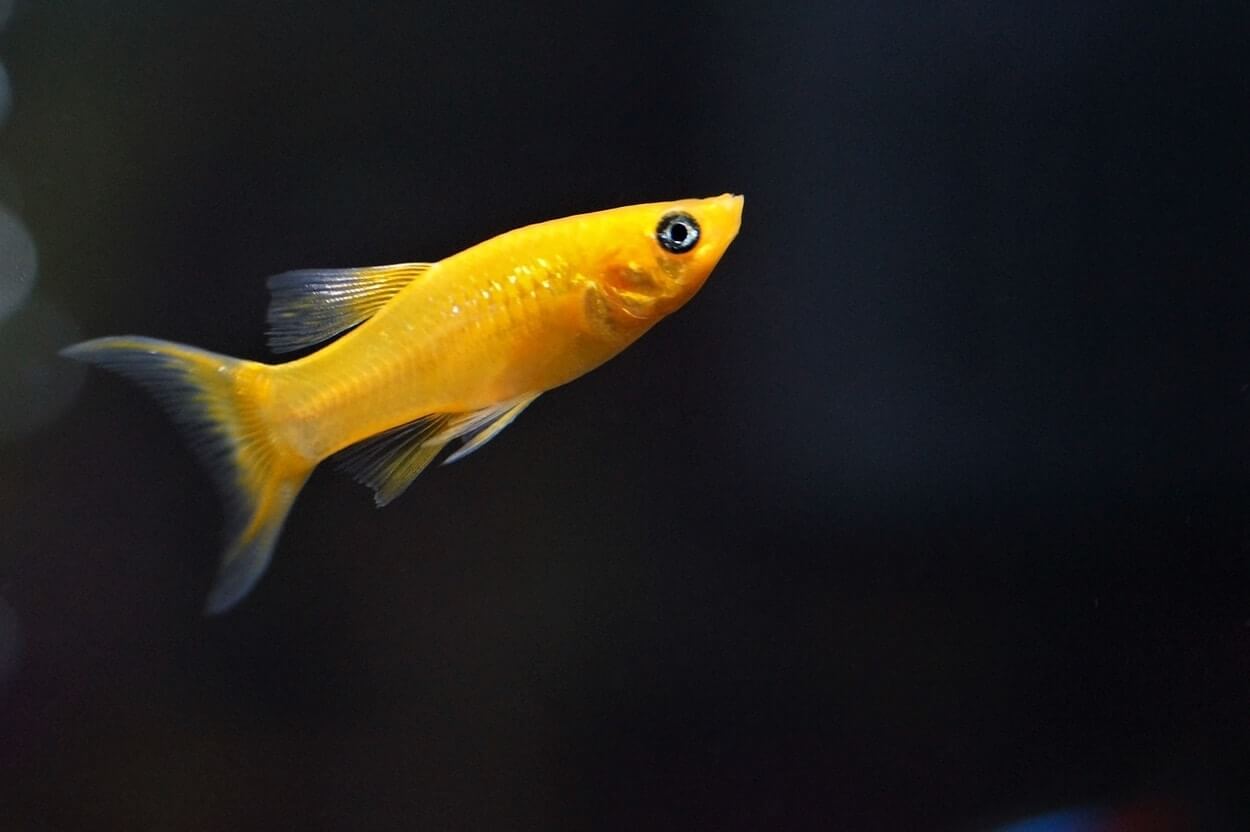
Healthy Molly fish have bright and even colors. Their scales should look shiny and smooth without dull patches.
Fading or blotchy colors may mean stress or illness. Watch for clear, vibrant colors as a sign of good health.
- Shiny scales without dull spots
- Colors consistent across the body
- No unusual marks or discoloration
Active Swimming Patterns
Healthy Molly fish swim actively and smoothly. They explore the tank and respond quickly to changes.
Slow or erratic swimming can show a problem. Look for lively and balanced movements as a health sign.
- Steady swimming without floating or sinking
- Exploration of different tank areas
- Quick response to tank activity
Clear Eyes And Fins
Clear eyes are a sign of healthy Molly fish. Their eyes should be bright and not cloudy or swollen.
Fins should be intact and spread out when the fish swims. Torn or clamped fins may indicate illness.
- Bright, clear eyes without cloudiness
- Fins fully open and free of tears
- No signs of redness or swelling
Healthy Appetite And Feeding Habits
Healthy Molly fish eat regularly and show interest in food. They come to feed quickly when food is offered.
Loss of appetite or refusal to eat can signal health issues. Watch feeding habits closely to keep fish healthy.
- Quick response to feeding times
- Eating most or all offered food
- No spitting out or wasting food

Credit: www.aquariumsource.com
Common Health Issues To Watch For
Keeping molly fish healthy is important for a happy aquarium. Watch for signs that show your fish might be sick or stressed.
Early detection helps you treat problems and keep your fish safe. Learn what to look for in your molly fish.
Signs Of Disease And Infection
Molly fish can get infections that affect their skin, fins, and gills. Look for white spots, redness, or swelling on their body.
Cloudy eyes or frayed fins also show illness. These signs mean you should check water quality and consider treatment.
- White spots or patches on skin
- Red or inflamed areas
- Swollen or cloudy eyes
- Damaged or torn fins
- Breathing fast or gasping at surface
Behavioral Changes Indicating Stress
Stress makes molly fish behave differently. They might hide more or stop eating. Watch for sudden changes in swimming patterns.
Restless swimming or staying at the tank bottom can mean stress. Stress may come from poor water conditions or bullying by other fish.
- Hiding often and avoiding other fish
- Loss of appetite or not eating
- Erratic or restless swimming
- Staying at the bottom or surface
- Rubbing against tank objects
Physical Deformities And Damage
Check your molly fish for any unusual shapes or injuries. Bent spines, lumps, or wounds can indicate health problems.
Missing scales or torn fins may come from fights or rough tank conditions. Treat injuries quickly to avoid infections.
- Curved or bent spine
- Lumps or bumps on the body
- Missing or raised scales
- Wounds or cuts
- Torn or ragged fins
Ideal Aquarium Conditions
Healthy molly fish need the right aquarium setup to thrive. Good conditions keep them active and colorful.
Understanding water, tank size, and tank mates helps you create a safe home for molly fish.
Water Quality Parameters
Molly fish live best in clean water with stable parameters. Keep temperature, pH, and hardness in safe ranges.
| Parameter | Ideal Range |
| Temperature | 72°F to 78°F (22°C to 26°C) |
| pH Level | 7.5 to 8.5 |
| Water Hardness | 15 to 30 dGH |
| Ammonia & Nitrite | 0 ppm |
| Nitrate | Below 20 ppm |
Tank Size And Environment Setup
Adequate space and plants help molly fish feel safe and show healthy behavior.
- Minimum tank size: 20 gallons for a small group
- Use live plants like Java fern or Anubias
- Include hiding spots with rocks or decorations
- Maintain gentle water flow and good filtration
Compatible Tank Mates
Choose peaceful fish that share similar water needs to avoid stress and aggression.
| Fish Type | Compatibility |
| Guppies | Good |
| Corydoras Catfish | Good |
| Platies | Good |
| Angelfish | Not Recommended |
| Oscars | Not Recommended |
Routine Care For Vibrant Mollies
Keeping molly fish healthy requires daily care and attention. Their bright colors and active swimming show they are well cared for.
Simple routines help your mollies stay strong and happy in their tank environment.
Regular Feeding Tips
Feed your mollies small amounts two to three times a day. Avoid overfeeding to prevent water pollution.
- Use high-quality flake or pellet food made for tropical fish.
- Include vegetables like blanched spinach or zucchini once a week.
- Remove uneaten food after five minutes to keep water clean.
- Vary their diet to provide balanced nutrition.
Maintaining Clean Water
Clean water is crucial for molly health. Check water quality regularly to avoid stress and disease.
| Parameter | Ideal Range | Check Frequency |
|---|---|---|
| Temperature | 72°F – 78°F (22°C – 26°C) | Daily |
| pH Level | 7.0 – 8.5 | Weekly |
| Ammonia | 0 ppm | Weekly |
| Nitrite | 0 ppm | Weekly |
| Nitrate | < 20 ppm | Weekly |
Monitoring Fish Behavior
Watch your mollies daily to spot changes that may signal health issues.
Signs to watch for include:
- Loss of appetite
- Unusual swimming patterns
- Clamped fins or hiding
- Color fading or spots
- Rapid breathing or gasping at surface
When To Consult A Fish Health Expert
Knowing when to get help for your molly fish can save their life. Some signs show that the fish needs expert care.
This guide helps you spot serious problems and explains what to do next.
Identifying Serious Symptoms
Watch your molly fish closely for changes in behavior or appearance. Early signs of illness need quick attention.
- Unusual swimming patterns, like spinning or floating upside down
- White spots, redness, or sores on the body
- Loss of appetite or sudden weight loss
- Gasping at the water surface or rapid gill movement
- Clamped fins or hiding more than usual
Seeking Professional Advice
If your molly fish shows any serious symptoms, contact a fish health expert. They can give the right diagnosis and treatment plan.
| Symptom | Suggested Action |
| White spots on skin | Consult expert for parasite treatment |
| Unusual swimming | Seek advice to check for infections or injuries |
| Loss of appetite | Get diagnosis to rule out diseases |
| Rapid breathing | Ask expert about water quality and health issues |
Preventative Measures For Future Health
Keeping molly fish healthy means good care and watching for changes daily. Prevention helps avoid many health problems.
Follow these tips to keep your fish safe:
- Keep tank water clean and tested
- Feed a balanced diet for mollies
- Quarantine new fish before adding them
- Maintain proper tank temperature
- Observe fish behavior regularly
:strip_icc()/Hemigrammus_ocellifer_Chen_Heng-Jou_600-56a32f085f9b58b7d0d0d9f9.jpg)
Credit: www.thesprucepets.com
Frequently Asked Questions
How Can I Tell If My Molly Fish Is Healthy?
A healthy Molly fish has bright colors, clear eyes, and smooth scales. It swims actively and eats well. Watch for no signs of stress or disease, such as spots or lethargy.
What Are The Signs Of An Unhealthy Molly Fish?
Unhealthy Mollies show dull colors, clamped fins, and slow movement. Look for white spots, frayed fins, or loss of appetite. These signs indicate illness or poor water conditions.
How Often Should I Check My Molly Fish’s Health?
Check your Molly fish daily for changes in behavior and appearance. Regular observation helps catch health issues early. Maintain clean water and a balanced diet for lasting health.
What Water Conditions Support Healthy Molly Fish?
Mollies thrive in water with a pH of 7. 5-8. 5 and temperature between 72-78°F. Clean, well-filtered water with moderate hardness is essential. Stable conditions prevent stress and illness.
Conclusion
Healthy Molly fish show clear eyes and bright colors. Their fins stay whole and move well. They swim actively and eat regularly. Watch for any spots or strange marks. Clean water helps keep them healthy. Regular checks make sure they stay strong.
Caring for them is simple with these tips. Enjoy your Molly fish with confidence and care.