
Are you struggling to keep your ornamental fish healthy and vibrant? Feeding them the right way is key to their happiness and longevity.
But with so many options and opinions out there, it can be confusing to know what your fish really need. In this guide, you’ll discover simple, effective tips to feed your ornamental fish properly. Keep reading to unlock secrets that will help your underwater friends thrive and add beauty to your home.
Your fish deserve the best—let’s make sure they get it.
Choosing The Right Food
Feeding ornamental fish properly helps them stay healthy and colorful. Picking the right food is key to their growth and happiness.
Different fish need different types of food. It is important to learn about the options before buying.
Types Of Fish Food
Ornamental fish eat many kinds of food. These include flakes, pellets, frozen food, and live food. Each type suits different fish and tank conditions.
- Flakes: Easy to use and good for surface feeders
- Pellets: Sink slowly, good for bottom feeders
- Frozen Food: Includes bloodworms, brine shrimp, and daphnia
- Live Food: Small insects or worms that promote natural hunting
Selecting Quality Brands
High-quality brands offer balanced nutrition and fewer fillers. Look for brands with clear ingredient lists and good reviews.
Choose brands that suit your fish type. Avoid cheap food that may harm your fish or pollute the tank water.
- Check for essential nutrients like protein and vitamins
- Pick brands recommended by aquarium experts
- Avoid foods with artificial colors or preservatives
Natural Vs. Commercial Options
Natural food includes live or frozen insects and plants. Commercial food means flakes, pellets, or processed products.
Natural food helps improve fish behavior and health. Commercial food is easy to store and use daily.
- Natural food boosts fish’s immune system
- Commercial food offers balanced nutrition
- Use natural food as a treat or supplement
- Commercial food is best for regular feeding

Credit: coloradopondpros.com
Feeding Techniques
Feeding ornamental fish correctly helps keep them healthy and active. It is important to learn proper feeding methods to avoid common problems.
Good feeding practices include giving the right amount, feeding at the right times, and avoiding overfeeding. These steps protect your fish and keep the aquarium clean.
Proper Portion Sizes
Feeding your fish the right portion size prevents waste and health issues. Fish need only as much food as they can eat in a few minutes.
- Offer small amounts of food at each feeding.
- Feed only what the fish finish within 2-3 minutes.
- Adjust portion sizes based on the number and size of fish.
- Use feeding tools like spoons or tweezers for accuracy.
Feeding Frequency
Regular feeding times help your fish stay healthy and active. Most ornamental fish do well with one or two feedings per day.
| Fish Type | Feeding Times per Day |
| Small tropical fish | 2 |
| Large tropical fish | 1-2 |
| Coldwater fish | 1 |
Avoiding Overfeeding
Overfeeding can cause water pollution and harm your fish. Watch their eating habits and remove extra food if needed.
Tips to avoid overfeeding:
- Feed only as much as the fish can eat quickly.
- Do not feed if fish show no interest in food.
- Clean leftover food from the tank after feeding.
- Use a feeding schedule and stick to it.
Special Dietary Needs
Ornamental fish require diets tailored to their species and age. Proper feeding helps keep them healthy and vibrant.
This guide covers diet differences, feeding young and adult fish, and useful supplements for better growth.
Diet For Different Species
Different fish species have unique dietary needs. Carnivores need more protein, while herbivores need plant matter.
- Goldfish eat mostly plants and flakes rich in fiber.
- Betta fish prefer high-protein pellets and live foods.
- Cichlids benefit from a mix of protein and vegetable-based foods.
- Guppies thrive on flakes and small live foods like brine shrimp.
Feeding Juvenile Vs. Adult Fish
Young fish grow fast and need more frequent feedings. Adults eat less but still need balanced meals.
| Age Group | Feeding Frequency | Food Type |
| Juvenile | 3-4 times daily | Small pellets, live or frozen foods |
| Adult | 1-2 times daily | Pellets, flakes, occasional live food |
Supplements For Enhanced Growth
Supplements help improve fish health and color. They provide vitamins, minerals, and fatty acids.
- Spirulina for better color and digestion
- Garlic extracts to boost immunity
- Calcium supplements for strong bones and scales
- Omega-3 fatty acids to support growth

Credit: www.youtube.com
Maintaining Water Quality
Feeding ornamental fish affects the water in their tank. Good water quality keeps fish healthy and happy.
It is important to feed fish properly and keep the water clean. This helps avoid problems in the aquarium.
Impact Of Feeding On Water
Fish food breaks down in water and can cause pollution. Too much food makes water cloudy and dirty.
Polluted water lowers oxygen and can harm fish. Feeding the right amount helps keep water clear.
Cleaning Leftover Food
Leftover food sinks and rots in the tank. This creates waste that pollutes the water.
Remove uneaten food quickly using a net or siphon. Clean the tank regularly to keep water fresh.
- Feed small amounts to reduce leftovers
- Use a fish net to catch floating food
- Siphon the tank bottom for debris
- Perform regular water changes
Balancing Nutrition And Environment
Fish need good nutrition and a clean tank. Choose quality food that fish eat quickly.
Feed fish only what they can eat in a few minutes. This helps keep water quality high and fish healthy.
- Use balanced fish food for nutrition
- Feed small portions multiple times a day
- Watch fish eating habits to adjust feeding
- Keep the tank clean to support fish health
Signs Of Healthy Feeding
Feeding ornamental fish properly helps keep them active and strong. Watching their behavior and appearance shows if they are eating well.
Noticing growth changes also tells you if the fish get enough nutrients. Below are key signs to check for healthy feeding.
Behavioral Indicators
Healthy fish show clear behavior when feeding. They swim eagerly towards food and eat without hesitation.
- Active swimming near the surface during feeding time
- Quick response when food is added to the tank
- Regular feeding times with good appetite
- No signs of aggression or stress around food
Physical Appearance
Good feeding reflects in the fish’s body and color. They look vibrant and have smooth scales.
| Appearance | Healthy Sign |
|---|---|
| Color | Bright and rich, not dull or faded |
| Scales | Smooth and intact without damage |
| Fins | Fully open and free of tears |
| Eyes | Clear and bright, not cloudy |
Growth Milestones
Regular growth is a strong sign of good nutrition. Healthy fish reach size goals on time and look well-fed.
- Steady increase in length and weight over weeks
- Proportionate body shape without bloating
- Strong muscle tone visible under the skin
- Ability to swim smoothly and with strength
Common Feeding Mistakes
Feeding ornamental fish might seem simple, but many make errors. These mistakes can harm fish health and tank balance.
Understanding common pitfalls helps ensure vibrant and healthy fish. Let’s explore typical feeding errors.
Overfeeding Risks
Overfeeding is a common error. It can lead to water quality issues and health problems for fish.
- Excess food decays, lowering water quality
- Fish may become overweight and unhealthy
- Can cause harmful algae growth in the tank
Inappropriate Food Choices
Choosing the wrong food can negatively affect fish health. It’s crucial to select food that matches their dietary needs.
| Food Type | Suitable Fish |
| Flakes | Tropical fish |
| Pellets | Goldfish and cichlids |
| Live food | Predatory species |
Ignoring Species-specific Needs
Different fish species have unique dietary requirements. Ignoring these needs can lead to malnutrition or stress.
Research the specific needs of your fish species. Provide a balanced diet and observe their eating habits closely.
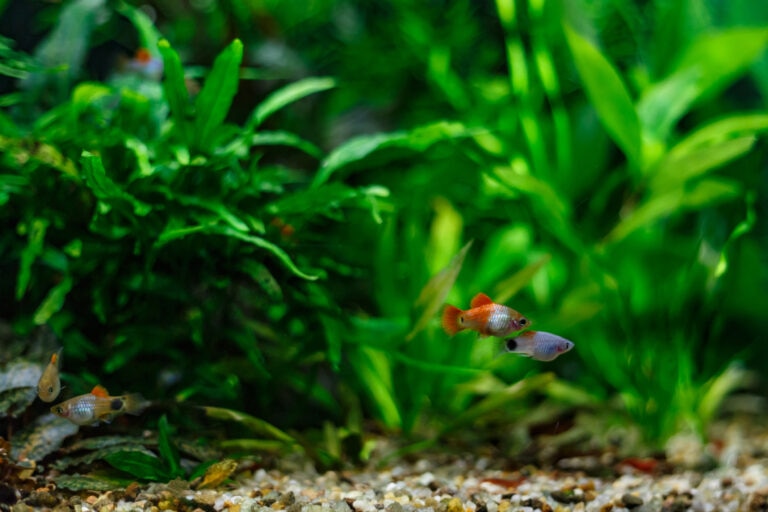
Credit: www.chewy.com
Frequently Asked Questions
How Often Should I Feed Ornamental Fish Daily?
Feed ornamental fish 1 to 2 times a day. Small portions prevent overfeeding and water pollution. Observe fish behavior to adjust frequency as needed.
What Is The Best Food For Ornamental Fish?
High-quality flakes, pellets, and frozen foods are ideal. Include variety like brine shrimp or bloodworms for balanced nutrition. Avoid overfeeding to keep fish healthy.
Can I Feed Ornamental Fish Human Food?
Avoid feeding human food to ornamental fish. It lacks essential nutrients and can harm their health. Stick to specially formulated fish food for best results.
How Much Food Should I Give My Fish?
Feed only what fish consume in 2 to 3 minutes. Excess food can pollute water and cause health issues. Monitor feeding to maintain clean tank conditions.
Conclusion
Feeding ornamental fish right keeps them healthy and happy. Choose good food that fits their type and size. Feed small amounts, two or three times a day. Watch your fish to avoid overfeeding or waste. Clean the tank regularly to keep water clear.
Healthy fish show bright colors and active swimming. Remember, proper feeding helps fish live longer and thrive. Careful feeding is simple but very important for your fish. Keep learning and enjoy your beautiful aquarium every day.