
Feeding your ornamental fish the right way can make all the difference in their health and happiness. Live food is one of the best options to keep your fish active and vibrant, but it can seem tricky if you’ve never done it before.
You might wonder how to introduce live food safely and effectively without stressing your fish or polluting the tank. This guide will walk you through simple, practical steps to feed live food to your ornamental fish with confidence. By the end, you’ll know exactly what to do to boost your fish’s nutrition and watch them thrive like never before.
Ready to become the best fish feeder your tank has ever seen? Let’s dive in!
Choosing The Right Live Food
Feeding ornamental fish with live food helps keep them healthy and active. Choosing the right live food is key to their growth and color.
This guide explains different types of live food, their benefits, and how to select quality options for your fish.
Types Of Live Food For Ornamental Fish
Ornamental fish eat many kinds of live food. Each type suits different fish species and sizes.
- Brine shrimp: Small and rich in protein, good for young fish.
- Daphnia: Also called water fleas, help with digestion.
- Bloodworms: Red larvae that attract most fish.
- Blackworms: Easy to culture and very nutritious.
- Micro worms: Tiny worms ideal for fry and small fish.
Nutritional Benefits Of Live Food
Live food offers essential nutrients that dry foods may lack. It improves fish health and color vibrancy.
| Type of Live Food | Main Nutrients | Benefit |
| Brine shrimp | Protein, Omega-3 | Supports growth and energy |
| Daphnia | Fiber, Vitamins | Aids digestion and immunity |
| Bloodworms | Iron, Protein | Boosts color and vitality |
| Blackworms | Protein, Fatty acids | Enhances stamina and health |
| Micro worms | Protein, Minerals | Perfect for fry development |
Selecting Quality Live Food
Choose live food that is fresh and free from harmful chemicals. Poor quality food can harm your fish.
- Buy from reliable sources or culture at home.
- Check for movement and freshness before feeding.
- Avoid food with bad smell or discoloration.
- Rinse live food to remove dirt or contaminants.
- Store live food properly to keep it alive longer.

Credit: www.youtube.com
Preparing Live Food Safely
Feeding live food to ornamental fish helps them grow healthy. It is important to prepare the food safely to avoid risks.
Proper care during preparation keeps your fish safe from diseases and stress.
Cleaning And Handling Techniques
Clean live food before feeding to remove dirt and germs. Use fresh water and gentle movements to avoid harming the food.
Handle live food with clean hands or tools. Avoid squeezing or damaging them to keep them alive and healthy.
- Rinse live food in clean, cool water
- Use a fine mesh net to remove debris
- Handle gently with clean fingers or tweezers
- Do not overcrowd live food during preparation
Avoiding Contaminants And Parasites
Live food can carry harmful germs or parasites. Check the source and avoid food from dirty places.
Use quarantine tanks for live food before feeding. This helps spot and remove any infected food.
- Buy live food from trusted suppliers
- Inspect live food for unusual spots or movement
- Quarantine live food for at least 24 hours
- Discard any live food that looks sick or dead
Storage Tips For Live Food
Store live food in clean containers with fresh water. Keep water temperature stable and oxygen levels high.
Change water often to keep food fresh. Avoid storing live food too long to prevent spoilage.
- Use clean, aerated containers for storage
- Keep temperature suitable for the type of live food
- Change water every 12 to 24 hours
- Feed live food to fish within a day or two
Feeding Techniques
Feeding ornamental fish live food can improve their health and color. You must use the right methods to feed them safely and effectively.
Understanding how to introduce live food, control feeding amounts, and encourage natural behavior helps keep your fish active and happy.
Introducing Live Food To Fish
Start by offering small amounts of live food to avoid overwhelming your fish. Watch how they respond and adjust the type and size of food accordingly.
- Choose live food that matches your fish size
- Rinse live food to remove dirt or parasites
- Offer food near the fish to attract attention
- Observe fish eating to prevent uneaten food pollution
Frequency And Portion Control
Feed your fish live food only a few times a week. Overfeeding can cause health problems and dirty the tank water.
| Fish Type | Feeding Frequency | Portion Size |
|---|---|---|
| Small fish (e.g., guppies) | 2-3 times per week | Amount eaten within 5 minutes |
| Medium fish (e.g., tetras) | 3 times per week | Small handful per feeding |
| Large fish (e.g., cichlids) | 3-4 times per week | Enough for 10 minutes feeding |
Encouraging Natural Hunting Behavior
Let your fish hunt live food naturally. This helps them exercise and reduces stress. Use feeding techniques that mimic their wild behavior.
- Release live food slowly into the tank
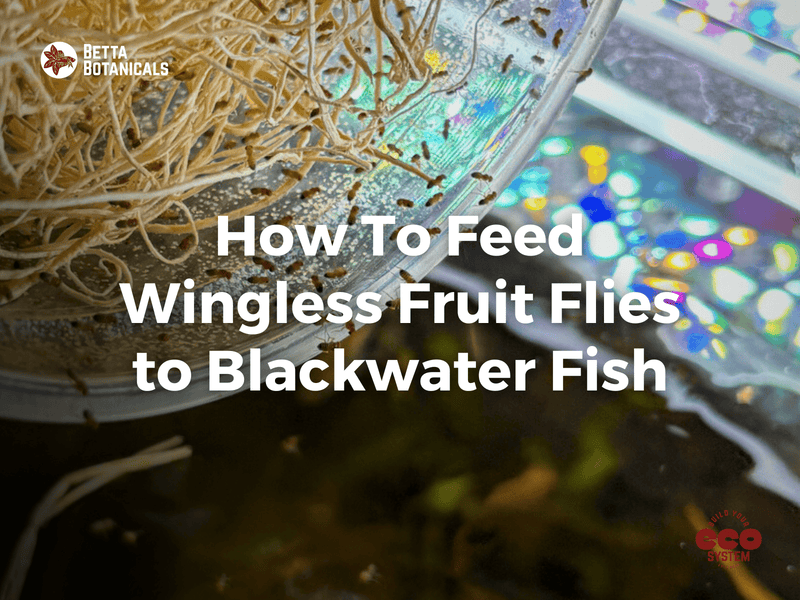
- Use a feeding ring to contain food in one area
- Feed in different tank zones to encourage movement
- Avoid overfeeding to keep hunting instincts sharp
Credit: bettabotanicals.com
Monitoring Fish Health And Behavior
Feeding live food to ornamental fish requires careful observation of their health and actions. Watching closely helps you know if the fish are getting the right nutrition.
Healthy fish show clear signs that you can learn to recognize. Notice how they act before and after feeding to keep them strong.
Signs Of Proper Nutrition
Fish that eat well and get the right food look lively and grow steadily. Their colors shine bright, and they swim actively without stress.
- Bright and clear eyes
- Strong swimming movements
- Good appetite for live food
- Healthy body shape without swelling
- Active social behavior with other fish
Identifying Feeding Problems
Some signs show that fish may not be eating well or the food is wrong. It is important to spot these early to avoid illness.
| Problem | Possible Cause | What to Do |
| Fish refuse live food | Wrong type or size of food | Try different live food types |
| Swollen belly | Overfeeding or poor digestion | Reduce feeding amount |
| Slow or weak swimming | Lack of nutrients or sickness | Check water quality and food quality |
| Color fading | Stress or poor diet | Improve diet and environment |
Adjusting Diet Based On Fish Species
Different fish species need different kinds of live food. Adjust what you feed to match their natural diet and preferences.
- Small fish like guppies prefer tiny live foods such as baby brine shrimp.
- Carnivorous fish need larger live prey like bloodworms or small insects.
- Bottom feeders may eat live worms or small crustaceans.
- Herbivorous species sometimes accept live plants or algae along with live food.
Common Challenges And Solutions
Feeding live food to ornamental fish can be tricky. Many fish owners face problems that affect fish health and tank cleanliness.
Knowing common challenges and how to solve them helps keep your fish happy and healthy.
Dealing With Live Food Shortages
Live food may not always be easy to find. Seasonal changes or local supply issues can cause shortages.
Keep a small culture of live food at home. This ensures a steady supply when stores run out.
- Grow brine shrimp or daphnia in a tank
- Use starter kits for quick live food cultures
- Freeze extra live food for later use
Managing Aggression During Feeding
Fish can become aggressive when live food is added. Some species fight over the food or territory.
Feed fish in small amounts and spread food across the tank to reduce fights.
- Feed several spots to avoid crowding
- Use feeding rings to control food location
- Separate aggressive fish during feeding times
Alternatives To Live Food
Sometimes live food is not an option. Frozen or prepared foods can provide good nutrition.
Choose high-quality frozen foods like bloodworms or brine shrimp. These options are safe and easy to store.
- Frozen bloodworms
- Frozen brine shrimp
- Pellets or flakes made for carnivorous fish
- Freeze-dried foods as occasional treats
Credit: www.chewy.com
Frequently Asked Questions
What Types Of Live Food Are Best For Ornamental Fish?
Best live foods include brine shrimp, daphnia, bloodworms, and tubifex worms. These provide essential nutrients and mimic natural diets, promoting fish health and vibrant colors.
How Often Should I Feed Live Food To Ornamental Fish?
Feed live food 2-3 times weekly, supplementing regular flakes or pellets. Overfeeding can pollute water and harm fish. Balance is key for nutrition and tank cleanliness.
Can Live Food Improve Ornamental Fish Health?
Yes, live food boosts fish immunity and digestion. It enhances growth and coloration by providing natural proteins and fats that dry food often lacks.
How To Safely Introduce Live Food To Aquarium Fish?
Rinse live food in tank water before feeding to remove contaminants. Introduce small amounts gradually to prevent water pollution and observe fish response closely.
Conclusion
Feeding live food helps keep ornamental fish healthy and active. Choose fresh, clean live food to avoid diseases. Offer small amounts to prevent overfeeding and water problems. Watch your fish eat to learn their preferences and needs. Regular feeding with live food supports natural behavior and growth.
A simple routine makes feeding easy and fun. Enjoy caring for your fish and watching them thrive.