
Feeding your tropical fish the right way is more important than you might think. If you want your colorful friends to stay healthy and lively, knowing how to feed flake food properly is key.
You might be wondering how much to give, how often, or even the best technique to use. This guide will answer all your questions and help you avoid common mistakes that could harm your fish. Keep reading to discover simple tips that make feeding your tropical fish easy and stress-free—for you and your aquatic pets.
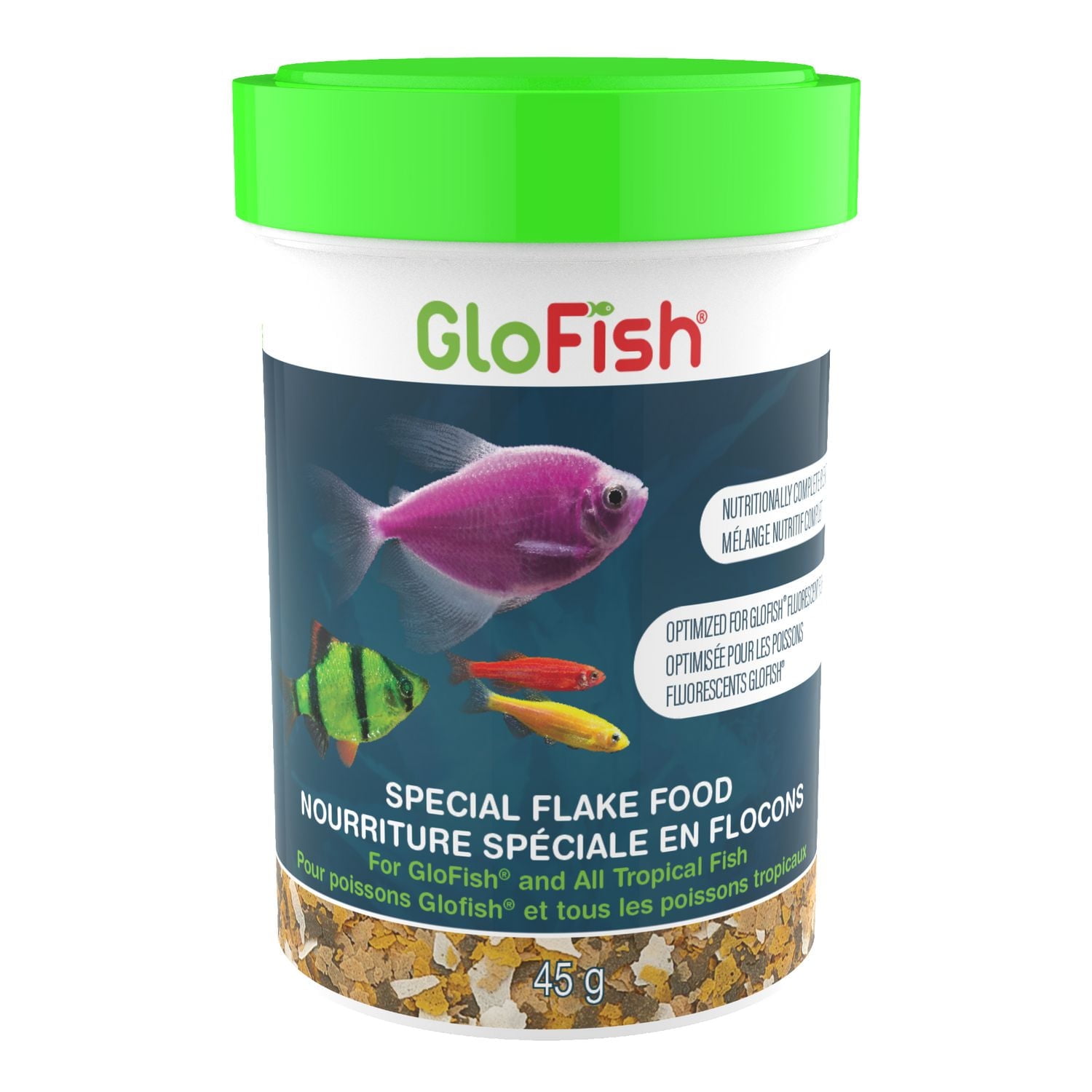
Credit: www.walmart.ca
Choosing The Right Flake Food
Feeding tropical fish with flake food is simple but requires care. Picking the right flake food keeps fish healthy and happy.
Different fish have different needs. Knowing what to look for helps you choose the best food for your aquarium.
Nutritional Needs Of Tropical Fish
Tropical fish need proteins, fats, and vitamins to grow and stay healthy. These nutrients keep their colors bright and energy up.
Some fish eat more plants, while others need more protein. Choose flake food that matches your fish’s diet.
- Proteins help build strong muscles
- Fats provide energy for swimming
- Vitamins improve immune systems
- Fiber aids digestion
Types Of Flake Food Available
Flake foods come in many types. Some are for all fish, while others suit specific species or diets.
Choose flakes based on your fish’s needs and tank size. Some flakes float; others sink slowly.
- General flake food for mixed fish tanks
- High-protein flakes for carnivores
- Vegetable-based flakes for herbivores
- Color-enhancing flakes to brighten fish
Reading Ingredient Labels
Ingredients tell you what is inside the flake food. Look for quality proteins and natural ingredients.
Avoid flakes with too many fillers like wheat or corn. These add little nutrition and can pollute water.
| Good Ingredients | Ingredients to Avoid |
|---|---|
| Fish meal | Wheat |
| Shrimp meal | Corn |
| Algae | Artificial colors |
| Vitamins and minerals | Excess fillers |

Credit: conkerspets.co.uk
Preparing Flake Food For Feeding
Feeding tropical fish with flake food needs some care. Proper preparation helps keep fish healthy.
Good habits in feeding prevent waste and keep the tank clean. Follow simple steps to prepare flakes well.
Proper Storage Techniques
Store flake food in a cool, dry place away from sunlight. Moisture and heat can spoil the flakes quickly.
Keep the container tightly closed to stop air and humidity from entering. This keeps flakes fresh for longer.
- Use an airtight container
- Place container in a dark cupboard
- Avoid storing near heat sources
- Check flakes for mold before use
Moistening Flakes Before Feeding
Moisten flakes slightly before feeding to prevent fish from swallowing air. This helps digestion and reduces waste.
Use a small amount of tank water to wet the flakes. Let them soak for a few seconds to soften.
- Place flakes in a small dish
- Add a few drops of tank water
- Wait 10 to 20 seconds
- Feed softened flakes to fish
Portion Control Tips
Feed small amounts of flakes that fish can eat in 2 to 3 minutes. Overfeeding can cause water problems.
Observe how much your fish eat. Adjust the portions to avoid leftover food in the tank.
- Start with a pinch of flakes
- Feed two or three times daily
- Remove uneaten food after feeding
- Watch fish behavior for hunger signs
Feeding Techniques For Tropical Fish
Feeding tropical fish with flake food is simple but needs care. Proper feeding helps keep fish healthy and active.
Using the right techniques makes sure flakes reach all fish and do not pollute the water. Learn how to feed correctly.
Best Times To Feed
Feed your tropical fish twice a day at regular times. Morning and evening are best. Fish eat more easily when light levels are steady.
- Feed once in the morning after the lights turn on
- Feed again in the late afternoon or early evening
- Keep feeding times consistent every day
- Avoid feeding right before lights go off
How To Distribute Flakes Evenly
Even distribution of flakes helps all fish get food. It prevents fights and leftover flakes that dirty the tank.
| Method | Description |
| Use Flat Palm | Place flakes on your flat palm and slowly move your hand over the water surface. |
| Spread by Hand | Drop small amounts in different tank areas to reach shy fish. |
| Use Feeding Ring | Helps keep flakes in one spot and reduces waste. |
Observing Fish Behavior During Feeding
Watch your fish closely while feeding. Their behavior shows if they are healthy and getting enough food.
- Active swimming means they are hungry and healthy
- Slow or no interest may show overfeeding or illness
- Check if all fish get flakes, not just the strong ones
- Remove uneaten flakes after feeding to keep water clean
Avoiding Common Feeding Mistakes
Feeding tropical fish flake food seems easy but many make mistakes. These errors harm fish health and tank cleanliness.
Learning proper feeding helps keep fish healthy and water clear. Avoid these common feeding mistakes for a happy aquarium.
Overfeeding And Its Consequences
Overfeeding is the most common mistake when feeding tropical fish. Giving too much food causes leftover flakes to rot in the tank.
Rotting food creates harmful chemicals and makes water dirty. This can lead to fish stress and illness.
- Feed only what fish eat in 2-3 minutes
- Remove uneaten food after feeding time
- Feed small amounts 2-3 times daily
Signs Of Poor Nutrition
Poor nutrition shows in fish behavior and appearance. Watch for signs to adjust feeding habits quickly.
Look for faded colors, slow swimming, or constant hiding. These signs mean fish lack needed nutrients.
- Loss of color or dull scales
- Reduced activity or sluggish movement
- Weight loss or thin bodies
- Weak immune system or frequent illness
Maintaining Water Quality
Good water quality keeps fish healthy and active. Overfeeding often harms water quality with extra waste.
Feed only the correct amount and clean the tank regularly. Test water for ammonia, nitrites, and nitrates to keep levels safe.
- Do partial water changes weekly
- Use a good filter for your tank size
- Remove uneaten food promptly
- Test water parameters often
Enhancing Diet With Supplementary Foods
Flake food is a common diet for tropical fish. It provides essential nutrients for daily health. Adding supplementary foods helps keep fish healthy and active.
Supplementary foods offer variety and extra vitamins. They support growth, color, and overall well-being in tropical fish.
Adding Live Or Frozen Foods
Live or frozen foods are rich in protein. They mimic natural diets and encourage natural hunting behavior. These foods include brine shrimp, bloodworms, and daphnia.
Feeding live or frozen foods once or twice a week boosts nutrition. Make sure to thaw frozen food before feeding. Avoid overfeeding to keep the tank clean.
- Brine shrimp help improve fish growth
- Bloodworms add color and energy
- Daphnia support digestion and health
Vegetable-based Supplements
Vegetables provide fiber and vitamins that flake food may lack. Some tropical fish enjoy blanched spinach, peas, or zucchini. These foods help with digestion and add variety.
Prepare vegetables by boiling or steaming until soft. Cut them into small pieces to fit your fish’s mouth. Feed vegetables a few times a week along with flakes.
- Spinach supports vitamin intake
- Peas help reduce constipation
- Zucchini provides fiber and nutrients
Balancing Flake Food With Other Diets
Flake food should be the main diet but mix in other foods. Variety helps fish get all needed nutrients. Rotate between flakes, live, frozen, and vegetables.
Watch your fish’s behavior and health. Adjust feeding amounts to avoid leftovers. Balanced diets keep tropical fish strong and colorful.
- Use flakes daily for basic nutrition
- Add live or frozen foods twice weekly
- Include vegetable supplements several times a week
- Observe fish for signs of overfeeding
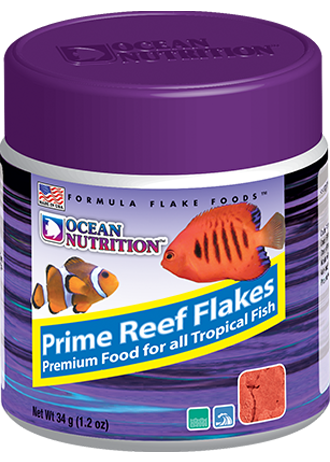
Credit: feederspetsupply.com
Monitoring Fish Health Through Feeding
Feeding tropical fish flake food requires careful observation. It helps ensure their health and well-being.
By watching how fish eat, you can learn a lot about their health. This includes their appetite, nutrition, and dietary needs.
Tracking Appetite Changes
Changes in appetite can signal health issues in fish. It’s important to monitor how much and how often they eat.
- Note if fish leave food uneaten.
- Check for sudden increases or decreases in consumption.
- Observe if some fish eat more than others.
Identifying Nutritional Deficiencies
Flake food should meet all nutritional needs of tropical fish. Lack of nutrients can lead to health problems.
| Symptom | Possible Deficiency |
| Pale colors | Vitamin A |
| Weakness | Protein |
| Poor growth | Calcium |
Adjusting Diet Based On Species
Different fish species have different dietary needs. It’s vital to adjust their diet accordingly.
Frequently Asked Questions
How Often Should I Feed Flake Food To Tropical Fish?
Feed tropical fish flake food 1-2 times daily. Give only what they can eat in 2-3 minutes. Overfeeding causes water pollution and health issues.
Can All Tropical Fish Eat Flake Food?
Most tropical fish eat flake food, but some species prefer pellets or live food. Check your fish species’ dietary needs before feeding flakes.
How To Prevent Flake Food From Polluting The Tank?
Feed small amounts to avoid leftovers. Remove uneaten flakes after 5 minutes. Proper feeding keeps water clean and fish healthy.
What Is The Best Way To Feed Flake Food?
Sprinkle flakes evenly on the water surface. Feed small portions multiple times daily. This ensures all fish get enough nutrition without waste.
Conclusion
Feeding flake food to tropical fish is simple and rewarding. Give small amounts to avoid waste and water pollution. Watch your fish eat to ensure they get enough nutrition. Keep a regular feeding schedule to support their health. Clean leftover flakes from the tank to keep water clear.
Healthy feeding helps your fish grow and stay active. Enjoy caring for your tropical fish with these easy tips.