
If you want your fish to stay healthy and happy, knowing how to dose aquarium water conditioner correctly is a must. Using too little won’t protect your fish, while too much can harm them.
You might wonder how much to add and when to do it. This guide will clear up the confusion and give you simple steps to keep your aquarium water safe and clean. Keep reading, and you’ll learn exactly what your fish need to thrive.
Role Of Water Conditioners
Water conditioners help make tap water safe for aquarium fish. They remove harmful chemicals and protect fish health.
Using the right dose of water conditioner keeps your fish happy and your aquarium clean.
Removing Chlorine And Chloramine
Treated tap water contains chlorine and chloramine. These chemicals kill harmful germs but also harm fish.
Water conditioners remove chlorine and neutralize chloramine to make water safe.
- Chlorine evaporates quickly but is toxic to fish.
- Chloramine is more stable and needs special chemicals to break it down.
- Conditioners break chloramine into harmless parts.
Neutralizing Heavy Metals
Tap water can contain heavy metals like copper and lead. These metals harm fish even in small amounts.
Water conditioners bind heavy metals, making them non-toxic. This protects fish from metal poisoning.
- Heavy metals come from old pipes and water sources.
- Conditioners stop metals from damaging fish organs.
- They keep metals from building up in the aquarium.
Protecting Fish Mucus Coating
Fish have a thin mucus layer that protects them from germs and injuries. Chemicals in water can harm this layer.
Water conditioners help keep the mucus coating healthy. This helps fish fight infections and stress.
- Conditioners add ingredients that soothe fish skin.
- They help fish heal faster from scratches or bites.
- Healthy mucus means stronger fish and better survival.
Types Of Water Conditioners
Aquarium water conditioners help keep your fish safe and healthy. Different types of conditioners treat different water problems. Knowing their uses helps you dose the right amount.
Water conditioners remove harmful chemicals and add protective elements. They prepare tap water for fish tanks and reduce stress for fish. Below are common types of water conditioners.
Basic Dechlorinators
Basic dechlorinators remove chlorine and chloramine from tap water. These chemicals are harmful to fish and must be neutralized before adding water to the aquarium. Dechlorinators make water safe in minutes.
- Remove chlorine instantly
- Neutralize chloramine with special agents
- Some also remove heavy metals
- Safe for all fish and plants
Ammonia Neutralizers
Ammonia neutralizers reduce toxic ammonia in aquarium water. Ammonia can build up quickly and harm fish. These conditioners change ammonia into a less harmful form until beneficial bacteria break it down.
| Feature | Description |
| Purpose | Reduce ammonia toxicity |
| Use | Add when ammonia levels are high |
| Effect Duration | Temporary until bacteria act |
| Safety | Safe for fish if dosed correctly |
Stress Coat Conditioners
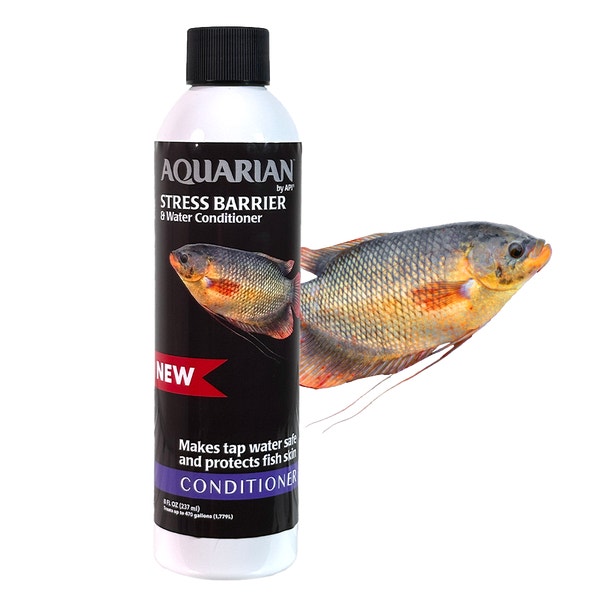
Stress coat conditioners protect fish skin and slime coat. They help fish heal from injuries and reduce stress during tank changes or transport. These conditioners add a protective layer that helps fish stay healthy.
- Improve fish slime coat
- Help heal wounds and scratches
- Reduce stress from water changes
- Contain aloe or similar soothing agents
Factors Affecting Dosage
Knowing how to dose aquarium water conditioner correctly is important. The right dose keeps fish healthy and water safe.
Several factors change the amount of conditioner needed. Understanding these helps avoid overdosing or underdosing.
Tank Size And Water Volume
The size of your tank and the volume of water inside affect how much conditioner to use. Larger tanks need more conditioner.
Always measure your water volume before dosing. Use the exact amount for best results.
- Small tanks need less conditioner
- Big tanks require more conditioner
- Partial water changes need adjusted doses
Water Source Quality
The quality of your water source changes how much conditioner to add. Tap water often has chemicals that need neutralizing.
Well or rainwater may have different impurities. Test your water to know what conditioner dose is best.
- Hard water may need more conditioner
- Soft water may need less conditioner
- Chlorine and chloramine levels affect dosage
Fish Species Sensitivity
Some fish are more sensitive to chemicals than others. Sensitive fish need careful dosing to avoid stress or harm.
Research your fish species and adjust the conditioner dose to keep them safe and comfortable.
- Delicate fish need lower conditioner doses
- Hardy fish tolerate standard doses
- Watch fish behavior after dosing
Credit: jungleaquatics.com
Reading And Interpreting Labels
Knowing how to read aquarium water conditioner labels keeps your fish safe. Labels tell you the right amount to use and what the product contains.
Understanding these labels helps you add the right dose. Too much or too little conditioner can harm your aquarium.
Concentration Levels
Labels show concentration as mg per liter or percentage. This number tells you how strong the conditioner is. Higher concentration means you need less product.
Check if the label states active ingredients. These are the chemicals that neutralize harmful substances in the water.
Dosage Instructions
- Find the recommended dose per gallon or liter on the label.
- Measure your aquarium water volume accurately.
- Use a syringe or dropper for precise dosing.
- Add the conditioner to the water slowly.
- Wait for the time mentioned before adding fish or plants.
Labels may also show dosing frequency. Follow these instructions to keep water safe over time.
Safety Precautions
| Precaution | Reason |
| Wear gloves | Protect skin from chemicals |
| Do not ingest | Can be toxic if swallowed |
| Keep out of reach of children | Prevent accidental poisoning |
| Store in a cool, dry place | Maintain product effectiveness |
| Follow disposal instructions | Protect environment and wildlife |
Read all warnings on the label before use. Safety instructions keep you and your aquarium healthy.
Step-by-step Dosing Guide
Using the right amount of aquarium water conditioner keeps your fish safe. It removes harmful chemicals from tap water.
Follow these simple steps to dose your aquarium water conditioner correctly.
Measuring Your Tank Water
First, know how much water your tank holds. This helps you add the right amount of conditioner.
You can check the tank label or measure manually with a container.
- Use a measuring cup for small tanks.
- For larger tanks, use a tape measure to find length, width, and height.
- Multiply these numbers and divide by 231 to get gallons.
Calculating Correct Dosage
Read the conditioner label for dosing instructions. It usually shows how much to add per gallon or liter.
Multiply your tank’s water volume by the recommended dose per unit to find the total amount needed.
- Example: If dose is 1 ml per 10 gallons, and your tank has 20 gallons, use 2 ml.
- Use a syringe or dropper for accurate measurement.
Applying The Conditioner
Pour the measured conditioner into the aquarium water. Do this slowly and evenly across the tank.
Turn on filters and aerators to mix the conditioner well throughout the water.
- Do not overdose; it can harm fish.
- Always dose after a water change.
- Check water parameters regularly to ensure safety.

Credit: www.reddit.com
Common Dosing Mistakes
Aquarium water conditioners are vital for fish health. Dosing mistakes can harm fish and plants.
Learn about common errors and ensure proper water treatment in your aquarium.
Overdosing Risks
Overdosing water conditioner can be harmful to your aquatic life. It may lead to chemical imbalances.
- Fish may experience stress or illness
- Water chemistry can become unstable
- Algae growth may increase
Underdosing Consequences
Not using enough conditioner can leave harmful chemicals in the water. Chlorine and chloramine can affect fish health.
| Consequence | Impact |
| Chlorine presence | Fish gill damage |
| Chloramine presence | Reduced fish lifespan |
| Ammonia buildup | Stress on aquatic life |
Mixing Different Conditioners
Mixing different water conditioners can lead to unpredictable chemical reactions. This can be dangerous for your aquarium.
Tips For Consistent Water Quality
Maintaining consistent water quality in your aquarium is key for healthy fish. Using water conditioner correctly ensures your aquatic environment stays safe.
Here are some tips to help you use aquarium water conditioner effectively. By following these guidelines, you can promote a healthier habitat for your fish.
Regular Water Testing
Test your aquarium water regularly. This helps you monitor changes and maintain balance.
- Use a reliable water test kit.
- Check pH, ammonia, and nitrate levels.
- Record results to track trends over time.
Routine Conditioner Use
Use water conditioner during every water change. This removes harmful chemicals and protects your fish.
Adjusting Dosage For Changes
Sometimes, you need to adjust the dosage of your water conditioner. Factors like tank size and water quality changes can affect dosage.
| Condition | Dosage Adjustment |
| High Ammonia | Increase conditioner slightly |
| Cloudy Water | Check filtration and adjust |
| New Fish | Use standard dose |
Credit: www.aquarianfishcare.com
Frequently Asked Questions
How Much Water Conditioner Should I Use Per Gallon?
Use the amount specified on the product label, usually 1 ml per gallon. Always measure accurately to avoid overdosing or underdosing.
When Should I Add Water Conditioner To My Aquarium?
Add conditioner immediately after water changes or when adding new tap water. This neutralizes harmful chemicals like chlorine and chloramine instantly.
Can I Overdose Aquarium Water Conditioner?
Overdosing can harm fish and beneficial bacteria. Stick to recommended doses and avoid adding extra conditioner unless advised by a professional.
Does Water Conditioner Remove Chlorine And Chloramine?
Yes, it neutralizes both chlorine and chloramine, making tap water safe for fish and aquatic plants.
Conclusion
Dosing aquarium water conditioner keeps fish healthy and safe. Always follow the instructions on the bottle carefully. Measure the right amount for your tank size. Too much or too little can harm your fish. Treat new water before adding it to the tank.
Regular use helps remove chlorine and harmful chemicals. Remember, clean water means happy fish. Keep your aquarium water balanced and fresh. Your fish will thank you with better health and color. Simple steps make fish care easier every day.