
If you keep species-specific tanks, you know how important it is to keep your aquatic pets healthy. But what happens when common diseases strike?
You might feel overwhelmed or unsure about what steps to take. This guide will help you understand how to spot, treat, and prevent common illnesses in your tanks. By learning these simple yet effective strategies, you can protect your fish and create a thriving environment.
Keep reading to discover how to take control and keep your tanks disease-free.
Common Diseases In Species Tanks
Species-specific tanks can face many health problems. Knowing common diseases helps keep your aquatic pets safe.
Each disease needs different care and treatment. Spotting signs early improves recovery chances.
Bacterial Infections
Bacterial infections often cause redness, swelling, and sores on fish. These infections spread fast in crowded tanks.
Good water quality and cleanliness reduce bacteria growth. Antibiotics may be needed to treat serious infections.
Parasitic Outbreaks
Parasites attach to fish and cause irritation and stress. Common parasites include flukes, lice, and worms.
- Watch for scratching or rubbing against tank surfaces
- Look for white spots or visible worms on fish
- Quarantine new fish before adding to the tank
- Use anti-parasitic medications as directed
Fungal Issues
Fungal infections appear as cotton-like growths on fish skin or fins. They occur after injuries or stress.
| Symptom | Description |
| White patches | Cottony spots on body or fins |
| Fin rot | Edges of fins look shredded |
| Sluggish behavior | Fish swim less or hide more |
Keep tanks clean and remove sick fish. Antifungal treatments help clear infections quickly.
Viral Conditions
Viruses cause diseases like koi herpes and fish pox. They spread fast and have no direct cure.
Prevent viral diseases by:
- Quarantining new fish for 2-4 weeks
- Keeping water clean and stable
- Reducing stress by avoiding overcrowding
- Removing infected fish immediately

Credit: www.mdpi.com
Preventive Measures
Keeping species-specific tanks healthy involves proactive steps. Focus on preventive measures to reduce disease risk.
Follow these practices to maintain a safe and healthy environment for aquatic life.
Quarantine Practices
Quarantine new fish to prevent diseases from spreading. A separate tank is essential for new arrivals.
- Set up a quarantine tank with similar water conditions.
- Observe fish for any signs of illness for at least two weeks.
- Introduce them to the main tank only if they show no symptoms.
Water Quality Management
Water quality is crucial for fish health. Regular monitoring ensures a stable environment.
| Parameter | Ideal Range |
| pH | 6.5 – 7.5 |
| Ammonia | 0 ppm |
| Nitrites | 0 ppm |
| Nitrates | < 20 ppm |
Tank Hygiene
Maintain tank hygiene to prevent diseases. Regular cleaning removes harmful bacteria.
- Perform partial water changes weekly.
- Clean filters and remove debris.
- Scrub algae from tank surfaces.
Proper Diet
A balanced diet strengthens fish immunity. Provide species-specific food for optimal health.
Early Detection Signs
Detecting diseases early in species-specific tanks helps protect your aquatic animals. Knowing the signs can prevent serious health issues.
Watch your fish or amphibians closely. Small changes often show the first signs of illness.
Behavioral Changes
Animals behave differently when sick. They might swim less or hide more than usual.
- Loss of appetite or refusal to eat
- Unusual swimming patterns like darting or floating
- Increased aggression or lethargy
- Hiding in corners or staying at the surface
Physical Symptoms
Look for visible signs on the body. Changes in color or texture can mean disease.
| Symptom | Possible Cause |
| White spots on skin | Ichthyophthirius infection |
| Red or inflamed fins | Fin rot or bacterial infection |
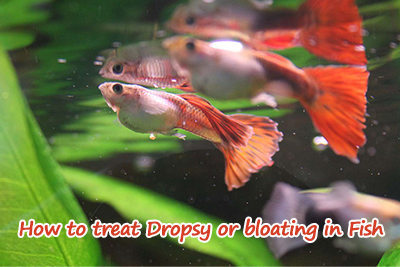
| Swollen belly | Internal parasites or dropsy |
| Cloudy eyes | Fungal infection or poor water quality |
Water Parameter Fluctuations
Water quality affects animal health. Sudden changes can cause stress and disease.
Monitor these water parameters daily:
- Temperature: Keep stable within species needs
- pH: Avoid sudden shifts outside normal range
- Ammonia and nitrite: Should be zero or very low
- Nitrate: Keep below 20 ppm for sensitive species
Credit: www.hygger-online.com
Treatment Options
Dealing with diseases in species-specific tanks requires careful treatment. Choosing the right method helps protect your aquatic pets.
Effective treatment keeps the tank environment safe and supports recovery. Different approaches suit different illnesses.
Medication Use
Medications often treat bacterial, fungal, or parasitic infections. Always follow dosage instructions carefully.
- Use antibiotics for bacterial diseases only.
- Antifungal treatments help with fungal infections.
- Anti-parasitic medicines target parasites effectively.
- Remove activated carbon before medicating.
- Perform water changes after treatment ends.
Natural Remedies
Natural treatments can improve fish health without harsh chemicals. They often support the immune system.
| Remedy | Use |
| Aloe vera | Soothes skin and promotes healing |
| Garlic | Boosts immune response and fights parasites |
| Salt baths | Reduces stress and treats minor infections |
| Indian almond leaves | Improves water quality and prevents disease |
Isolation Techniques
Isolating sick fish prevents disease spread. Use a separate tank for treatment.
- Set up a quarantine tank with clean water.
- Keep water conditions stable in isolation.
- Monitor fish daily for signs of improvement.
- Do not return fish until fully healthy.
Species-specific Care Tips
Different species need special care to stay healthy. Common diseases can harm your pets if you do not watch closely. Knowing how to handle diseases in each tank type helps your pets live longer.
Species-specific tanks have unique needs. Clean water, proper temperature, and good food lower disease risks. Learn tips for fish, reptiles, and amphibians to keep their homes safe.
Fish Tank Advice
Fish tanks need clean, oxygen-rich water to avoid sickness. Regular water changes remove harmful waste. Test water often to keep pH and ammonia levels safe.
Watch fish for signs of illness like spots or slow movement. Quarantine new fish before adding them to the main tank. This stops spreading disease.
- Keep water temperature stable for your fish type
- Use a good filter to remove toxins
- Feed high-quality food in small amounts
- Remove sick fish quickly to prevent outbreaks
Reptile Tank Guidelines
Reptiles need dry, warm places with hiding spots to reduce stress. Clean their tanks regularly to stop bacteria growth. Use UV lighting to support their health.
Look for skin problems or lack of appetite in reptiles. Separate sick reptiles to avoid passing infections. Keep humidity levels right for each species.
- Provide a basking area with proper heat
- Keep the tank clean and dry
- Offer fresh water daily
- Check for mites or shedding issues
Amphibian Tank Strategies
Amphibians need moist environments with clean water and land areas. Change water often to avoid fungus and bacteria. Keep the tank cool but not cold.
Check amphibians for skin discoloration or swelling. Use gentle handling to avoid stress. Remove uneaten food to keep the tank clean.
- Maintain humidity between 70% and 90%
- Use filtered or dechlorinated water
- Provide hiding spots to reduce stress
- Monitor for skin infections regularly
Credit: www.chewy.com
Maintaining Long-term Health
Keeping species-specific tanks healthy needs regular care and attention. Diseases can harm fish and other creatures if you do not act early.
This guide covers important ways to keep your tank animals safe and well over time.
Regular Monitoring
Check your tank daily for signs of illness or stress. Look for changes in behavior, color, or movement.
Early detection helps stop diseases from spreading. Keep a journal to note any changes or problems.
- Observe fish eating habits
- Watch for unusual spots or marks
- Note any gasping or hiding
- Record water temperature and clarity
Stress Reduction
Stress weakens the immune system of tank animals. Avoid overcrowding and sudden changes in the tank.
Provide hiding places and keep noise or vibrations low. Handle animals gently and only when needed.
- Keep stable water temperature
- Limit bright lights and loud sounds
- Use plants or decorations as shelters
- Feed a balanced diet regularly
Tank Environment Optimization
Maintain clean water and proper filtration to reduce disease risks. Test water quality often and fix issues quickly.
Choose the right tank size and keep it well-aerated. Avoid mixing species that may harm each other.
- Change 10-20% of water weekly
- Use filters suited for your tank size
- Keep pH, ammonia, and nitrate levels safe
- Separate sick animals to prevent spread
Frequently Asked Questions
What Are Common Diseases In Species-specific Tanks?
Common diseases include ich, fin rot, fungal infections, and swim bladder disorder. These often arise from poor water quality or stress. Monitoring tank conditions and quarantine new fish help prevent outbreaks effectively.
How Can I Prevent Diseases In Species-specific Tanks?
Maintain clean water, stable temperature, and balanced diet. Quarantine new fish before introduction. Regularly test water parameters and avoid overcrowding. These steps reduce stress and limit disease spread significantly.
What Treatments Work Best For Tank Diseases?
Use species-appropriate medications like antiparasitics, antibiotics, or antifungals. Follow dosage instructions carefully. Isolate infected fish to prevent transmission. Early treatment improves recovery chances and keeps your tank healthy.
How Important Is Quarantine For New Fish?
Quarantine is crucial to detect and treat diseases before adding fish to your tank. It prevents introducing infections and reduces stress on existing species. A 2-4 week quarantine period is recommended for effective monitoring.
Conclusion
Taking care of species-specific tanks helps keep fish healthy and happy. Regular checks catch diseases early and stop them from spreading. Clean water and proper food build strong immune systems. Treat sick fish quickly to avoid bigger problems. Remember, each species needs special care and attention.
Small efforts make a big difference in tank health. Stay patient and watch your aquatic pets thrive. Healthy tanks mean joyful fish and peaceful homes.