
Are you struggling to keep your species-specific aquarium clear of stubborn algae? You’re not alone.
Algae can quickly take over your tank, clouding the water and stressing your precious aquatic friends. But don’t worry—there are simple, effective ways to tackle this problem without harming your unique fish or plants. You’ll discover easy-to-follow tips that will help you control algae growth and keep your aquarium looking its best.
Ready to transform your tank into a healthy, vibrant home for your species? Let’s dive in!
Credit: www.co2art.us
Causes Of Algae Growth
Algae growth is a common challenge in species-specific aquariums. Understanding what causes algae helps keep your tank clean and healthy.
Several factors contribute to algae blooms. Controlling these factors can reduce algae problems effectively.
Light Exposure And Intensity
Algae need light to grow. Too much light or light that is on for too long can trigger algae growth. Use a timer to control how many hours your aquarium light stays on.
Strong light in direct sunlight or from bright bulbs increases algae chances. Adjust the light intensity or move the tank away from windows.
Nutrient Imbalance
Algae grow fast when there is too much food in the water. Leftover fish food and waste add nutrients like nitrates and phosphates. These feed algae and make them multiply quickly.
- Remove uneaten food promptly
- Feed fish the right amount
- Perform regular water changes
- Use nitrate and phosphate test kits
Water Quality Factors
| Water Factor | Effect on Algae |
|---|---|
| pH Level | High pH encourages some algae types |
| Water Hardness | Hard water can support algae growth |
| Temperature | Warm water speeds up algae reproduction |
| Oxygen Levels | Low oxygen may reduce algae but harm fish |
Impact Of Fish And Plants
Some fish eat algae and help control it naturally. Others produce waste that feeds algae. Live plants compete with algae for nutrients, slowing algae growth.
Consider these when choosing tank mates:
- Algae-eating fish like plecos or otocinclus
- Fast-growing plants to absorb excess nutrients
- Fish species that produce less waste

Credit: www.reddit.com
Identifying Algae Types
Algae often grow in species-specific aquariums. It is important to know their types. Identifying algae helps keep your aquarium healthy.
Different algae need different care and cleaning methods. This guide helps you spot common algae types in your tank.
Green Algae
Green algae are the most common type in aquariums. They appear as green spots or fuzzy patches on glass and plants.
They grow fast with light and nutrients. Green algae can be removed by scrubbing or using algae-eating fish.
Brown Algae
Brown algae look like a thin brown film on surfaces. This algae is common in new tanks or low-light areas.
It grows slowly but can cover decorations and glass. Improving light and water flow reduces brown algae growth.
Blue-green Algae
Blue-green algae are actually bacteria called cyanobacteria. They form slimy mats with a blue or green color.
They smell bad and can harm fish. Removing debris and cleaning the tank often helps stop this algae.
Red Algae
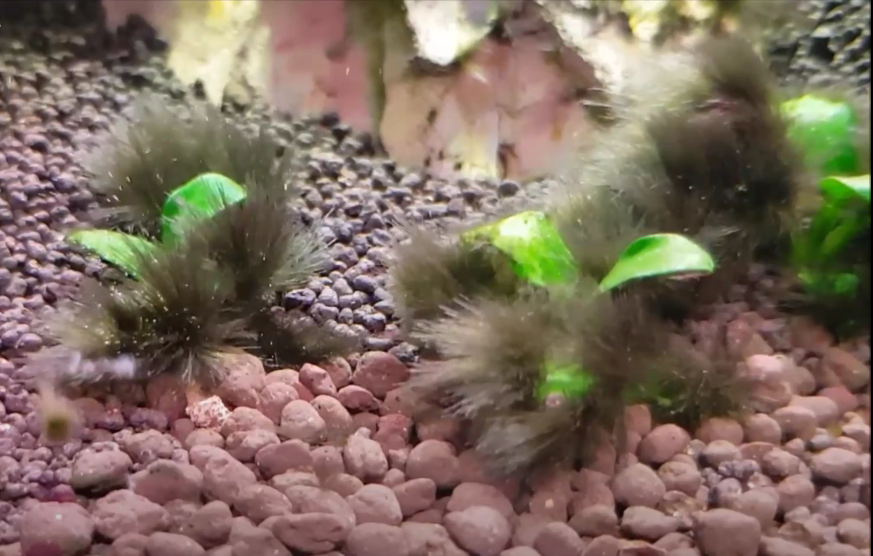
Red algae appear as red or pink spots or hair-like growths. They often grow on plants and decorations.
This algae is hard to remove. Reducing nutrients and cleaning regularly can control its spread.
Algae Control Strategies
Algae can cause problems in species-specific aquariums. It affects water quality and fish health. Using the right strategies helps control algae growth.
This guide covers four main ways to manage algae: lighting, nutrients, water conditions, and algae-eating species.
Adjusting Lighting Schedules
Too much light encourages algae growth. Set timers to limit light to 6-8 hours a day. Use LED lights that emit less heat and avoid direct sunlight on the tank.
- Use a timer for consistent lighting
- Reduce light duration if algae grows fast
- Place the aquarium away from windows
- Choose low-heat, low-intensity lights
Managing Nutrient Levels
Algae feed on excess nutrients in the water. Control feeding to avoid leftover food. Remove dead plants and waste regularly. Test water for nitrate and phosphate levels.
| Action | Effect on Nutrients |
| Feed fish small amounts | Reduces leftover food |
| Clean tank often | Removes waste and dead matter |
| Change water regularly | Lowers nitrate and phosphate |
| Use plants | Absorbs nutrients |
Maintaining Water Parameters
Keep water temperature, pH, and hardness stable. Sudden changes stress fish and encourage algae. Use a reliable filter and test water weekly. Adjust conditions to fit your species’ needs.
Introducing Algae-eating Species
Some fish and invertebrates eat algae naturally. Adding these species helps keep algae under control without chemicals.
- Siamese algae eaters
- Amano shrimp
- Nerite snails
- Otocinclus catfish
Species-specific Considerations
Algae can affect any aquarium, but each type has its own challenges. Understanding the needs of species-specific tanks helps manage algae effectively.
Consider the unique requirements of the species you keep. This ensures a healthy environment and helps control algae growth.
Freshwater Species Tanks
Freshwater tanks often have species with different tolerances. Some fish eat algae, while others are sensitive to certain chemicals.
Choose fish that naturally control algae. Regular maintenance keeps these tanks balanced and reduces algae problems.
- Include algae-eating fish like plecos or otocinclus.
- Avoid harsh chemicals that harm sensitive fish.
- Perform regular water changes to keep water quality high.
Saltwater Species Tanks
Saltwater tanks need special care. Algae can quickly become a problem if not managed properly.
Consider the type of algae and the species you keep. Some algae can be beneficial, while others need removal.
- Introduce algae-eating snails or crabs.
- Monitor lighting to prevent excess algae growth.
- Test water parameters frequently.
Planted Aquariums
Planted tanks often have different algae issues. The balance between plants and algae is crucial.
Healthy plant growth can outcompete algae. Ensure plants get enough nutrients without encouraging algae.
- Use fertilizers carefully to support plants, not algae.
- Prune plants regularly to promote healthy growth.
- Adjust CO2 levels to maintain balance.
Sensitive Species Challenges
Some species are highly sensitive. Algae control methods must be gentle and species-appropriate.
Research the specific needs of your species. This helps prevent stress and ensures a healthy tank environment.
- Avoid chemicals that can harm sensitive species.
- Use manual cleaning methods when possible.
- Maintain consistent water parameters.
Routine Maintenance Practices
Algae can grow quickly in species-specific aquariums if not controlled. Routine maintenance helps keep algae levels low. This protects your fish and plants.
Regular care prevents algae from covering tank surfaces. It also keeps water clean and healthy for your species.
Regular Water Changes
Changing water often removes nutrients algae need to grow. It also refreshes oxygen and keeps water clear. Use clean, dechlorinated water for changes.
For most species tanks, change 10-20% of water every week. This helps keep algae under control without stressing your animals.
- Use a siphon to remove debris and waste
- Replace removed water with fresh water at the same temperature
- Test water parameters regularly to maintain balance
Cleaning Techniques
Cleaning tank surfaces removes algae buildup. Use tools like algae scrapers or magnetic cleaners. Clean decorations and glass gently to avoid damage.
Do not clean everything at once. Spread cleaning tasks over several days to keep the tank stable. This helps your species stay healthy.
- Scrape algae from glass and acrylic surfaces
- Clean plants carefully without harming them
- Remove algae from rocks and ornaments
- Use soft brushes for stubborn spots
Filter And Equipment Care
Filters remove debris and waste that feed algae. Clean filter media regularly but do not replace all at once. This keeps beneficial bacteria alive.
Check all equipment like heaters and pumps. Remove any algae growing on them. Proper function helps maintain water quality and prevents algae growth.
- Rinse filter sponges in tank water, not tap water
- Replace filter cartridges as recommended
- Clean heater and pump surfaces from algae
- Inspect tubes and hoses for blockages
Monitoring Algae Growth
Watch your aquarium daily for algae signs. Early detection helps control growth before it spreads. Note any changes in water color or clarity.
Keep a log of algae growth and maintenance activities. This helps identify patterns and improve care routines. Adjust light and feeding if algae grows fast.
- Check glass and decorations for new algae patches
- Observe water color and clarity
- Record cleaning and water change dates
- Adjust tank light time if algae increases
Credit: jungleaquatics.com
Using Chemical Treatments Wisely
Algae can be a big problem in species-specific aquariums. Using chemicals can help control algae growth. It is important to use these treatments carefully to avoid harming your fish.
This guide explains safe algaecide options, risks to watch for, and alternatives to chemicals.
Safe Algaecides Options
Choose algaecides that are made for aquariums with sensitive species. These products target algae without hurting fish or plants.
- Use copper-free algaecides to protect invertebrates.
- Pick products labeled safe for your specific fish type.
- Apply doses exactly as the instructions say.
- Test water parameters before and after use.
Risks And Precautions
Chemical treatments can upset the balance in your aquarium. Overuse may stress or kill fish and beneficial bacteria.
| Risk | Precaution |
| Overdosing | Measure carefully and follow label directions |
| Fish sensitivity | Research species tolerance before use |
| Water quality drop | Check ammonia and nitrite levels often |
| Plant damage | Choose plant-safe algaecides |
Alternatives To Chemicals
Try these natural methods to reduce algae without chemicals.
- Increase water changes to lower nutrients.
- Add algae-eating fish or snails suited for your species.
- Reduce light exposure to slow algae growth.
- Keep aquarium clean by removing debris regularly.
Preventing Future Algae Problems
Algae can cause problems in species-specific aquariums if not controlled. Preventing algae helps keep your aquatic pets healthy.
Good habits and care reduce algae growth and keep the tank clean for a long time.
Balanced Feeding Habits
Overfeeding fish adds extra nutrients to the water. These nutrients feed algae and make it grow fast.
Feed only the amount your fish eat in a few minutes. Remove any leftover food from the tank.
- Feed small portions two to three times daily
- Use food suitable for your fish species
- Clean uneaten food to avoid nutrient buildup
Optimizing Aquarium Environment
Light, water quality, and plants affect algae growth. Control these to keep algae low.
Use proper lighting times and keep the water clean. Add live plants to compete with algae for nutrients.
- Limit light to 8-10 hours per day
- Perform regular water changes every week
- Use a good filter to keep water clear
- Include fast-growing plants to reduce nutrients
Long-term Monitoring
Check your aquarium often for signs of algae. Early action stops algae from spreading.
Keep records of water tests and tank changes. This helps spot trends and adjust care as needed.
- Test water weekly for nitrates and phosphates
- Note algae growth and tank conditions
- Adjust feeding and cleaning routines if algae returns
Frequently Asked Questions
What Causes Algae Growth In Species-specific Aquariums?
Algae growth is caused by excess light, nutrients, and poor water circulation. Overfeeding and infrequent cleaning also promote algae development. Maintaining balanced lighting and regular water changes help prevent algae buildup in species-specific tanks.
How Can I Safely Remove Algae Without Harming Fish?
Use gentle algae scrapers or magnetic cleaners to remove algae manually. Avoid harsh chemicals that can stress or harm fish. Introducing algae-eating species compatible with your aquarium can also naturally control algae growth.
Which Fish Species Help Control Algae Naturally?
Otocinclus catfish, Siamese algae eaters, and Amano shrimp are popular algae controllers. These species consume algae without disturbing the tank environment. Choose algae-eaters compatible with your species-specific aquarium to maintain a healthy balance.
How Often Should I Clean My Species-specific Aquarium?
Clean your aquarium weekly by removing debris and performing partial water changes. Regular maintenance reduces excess nutrients that fuel algae growth. Consistent cleaning supports a healthy environment for your fish and plants.
Conclusion
Dealing with algae in species-specific aquariums takes patience and care. Keep water clean and change it regularly. Control light to stop algae from growing too fast. Use fish and plants that help eat algae naturally. Watch your aquarium often to catch problems early.
Small steps make a big difference over time. A healthy tank means happy fish and less algae. Stay consistent and enjoy a clearer, healthier aquarium every day.