
Setting up a saltwater tank can be exciting, but cycling it properly is the key to a healthy, thriving environment for your marine life. If you skip this crucial step, you risk putting your fish and corals in danger.
You might feel overwhelmed by all the information out there, but don’t worry—this guide breaks down exactly how to cycle your tank in simple, clear steps. By the end, you’ll know how to create the perfect home for your saltwater species and avoid common mistakes that many beginners make.
Keep reading to make sure your tank is ready for its new inhabitants!
Benefits Of Cycling A Saltwater Tank
Cycling a saltwater tank prepares it for fish and other sea creatures. It creates a safe environment for your new pets.
This process helps build good bacteria that break down harmful waste. It keeps the water clean and healthy for saltwater species.
Reduces Harmful Ammonia And Nitrites
New tanks produce ammonia from fish waste and leftover food. High ammonia is toxic to fish and corals.
Cycling grows bacteria that change ammonia into less harmful substances. This makes the water safe for your saltwater species.
Creates A Stable Environment
A cycled tank has balanced water chemistry. This means stable pH, nitrate, and nitrite levels.
Stable conditions reduce stress and illness in fish. It also supports coral growth and health.
Prevents Fish Loss And Stress
Adding fish to an uncycled tank can cause sickness or death. Toxic chemicals build up quickly in new tanks.
Cycling lowers these toxins before adding fish. This prevents stress and helps fish adjust to their new home.
Supports Coral And Invertebrate Health
Corals and invertebrates need clean water with low toxins. Cycling helps keep these conditions.
Good bacteria also help break down waste that can harm delicate species. This supports a thriving reef tank.
Improves Water Clarity And Quality
Cycled tanks have clearer water. This is because waste is broken down quickly and removed.
Good water quality makes the tank more attractive and healthy for all saltwater creatures.
Choosing The Right Equipment
Cycling a saltwater tank requires careful selection of equipment. The right tools ensure a healthy environment for marine life.
Here, we will explore essential equipment to consider when setting up your saltwater tank.
Selecting A Suitable Tank
Choosing the right tank size and type is crucial for the health of saltwater species. Larger tanks are often more stable.
- Determine the space available for your tank.
- Consider the types and number of species you plan to keep.
- Choose between glass and acrylic tanks based on your needs.
Essential Filtration Systems
Filtration systems are vital in maintaining water quality. They remove waste and harmful substances.
Consider these types of filtration:
- Mechanical filters to trap particles.
- Chemical filters for removing toxins.
- Biological filters to support beneficial bacteria.
Choosing Heaters And Lighting
Heaters and lighting systems are essential for replicating natural environments. They help maintain temperature and light cycles.
| Equipment | Purpose |
| Heaters | Maintain stable water temperature |
| Lighting | Simulate natural daylight cycles |
| LED lights | Energy-efficient lighting option |
Setting Up The Tank
Setting up a saltwater tank is the first step to a healthy environment for your fish. It takes care and patience.
You need to prepare the tank so good bacteria can grow. This process is called cycling the tank.
Adding Live Rock And Substrate
Live rock and substrate help start the natural biological filter. They hold good bacteria that break down fish waste.
Use clean live rock and sand or crushed coral substrate. Add enough to cover the bottom of the tank.
- Place live rock carefully to allow water flow
- Use about 1-2 inches of substrate for bacteria growth
- Avoid overpacking the rock to keep spaces open
Filling With Saltwater
Mix salt with clean, dechlorinated water before adding it to the tank. Use a marine salt mix made for saltwater tanks.
Pour saltwater slowly to not disturb the rock and substrate. Check the water’s salinity with a hydrometer or refractometer.
- Use water with no chlorine or chloramines
- Mix salt until fully dissolved
- Target salinity between 1.020 and 1.025 specific gravity
- Fill the tank slowly to avoid clouding water
Installing Equipment
Equipment keeps the water clean and healthy. You need a filter, heater, and water circulation system.
Install the equipment before starting the cycle. Make sure everything works well and fits your tank size.
- Use a heater to keep water temperature around 75-80°F (24-27°C)
- Install a powerhead or wave maker for water movement
- Add a protein skimmer to remove organic waste
- Set up a good filtration system with mechanical and biological filters
Establishing Biological Filtration
Cycling a saltwater tank is vital for a healthy environment. Biological filtration helps keep the water safe for fish and corals.
This process builds helpful bacteria that clean harmful waste. It takes time but protects your tank’s life.
Understanding Beneficial Bacteria
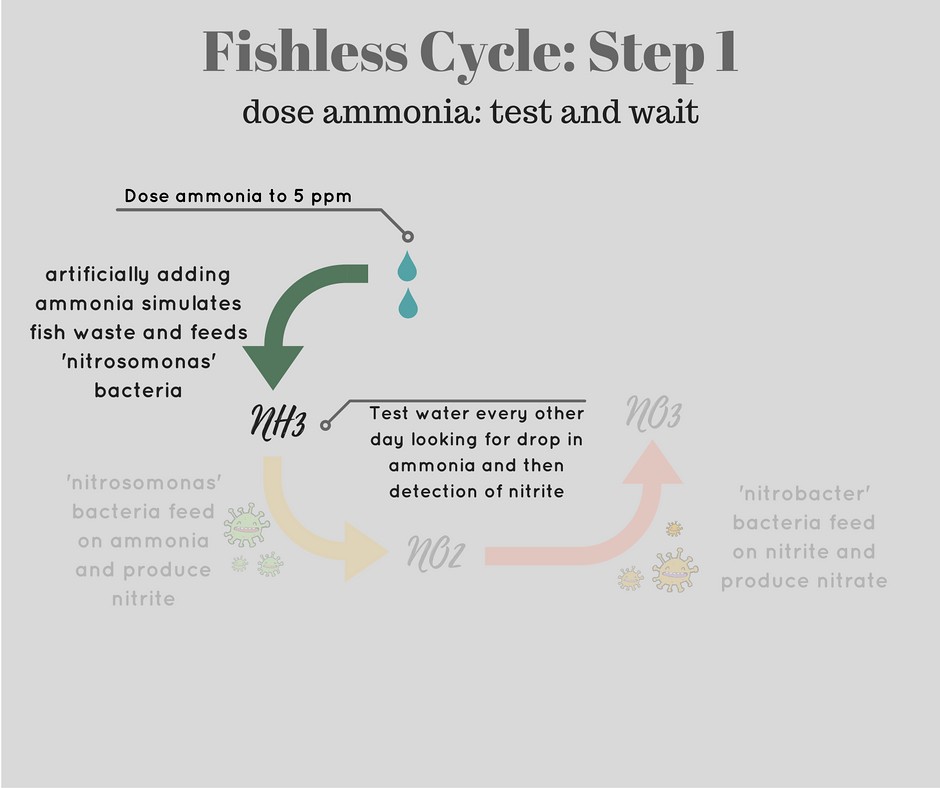
Beneficial bacteria convert toxic waste into less harmful substances. They mainly change ammonia into nitrites and then nitrates.
These bacteria live on surfaces like rocks, filter media, and tank walls. They need oxygen and time to grow well.
Adding Ammonia Source
Ammonia is needed to feed beneficial bacteria during cycling. You can add pure ammonia or fish food that breaks down.
Keep ammonia levels steady but not too high. Too much ammonia can harm any live creatures in the tank.
- Add a small amount of ammonia daily
- Test ammonia levels with a water test kit
- Stop adding ammonia when it reaches zero quickly
Monitoring Nitrogen Cycle
Testing water is key to track the nitrogen cycle. Watch ammonia, nitrite, and nitrate levels carefully.
The cycle is complete when ammonia and nitrites drop to zero. Nitrates will rise but should be kept low with water changes.
- Test ammonia daily at first
- Look for nitrites rising then falling
- Check nitrates to stay under safe limits
- Do water changes to control nitrates
Testing Water Parameters
Testing water is key to cycling a saltwater tank. It helps you know if the water is safe for fish and corals.
Good water quality means checking several important things. These include ammonia, nitrite, nitrate, pH, and salinity.
Measuring Ammonia Levels
Ammonia is very harmful to fish and corals. It comes from fish waste and uneaten food. Testing ammonia shows if the tank is safe.
Use an ammonia test kit to check levels daily. Ammonia should be zero or close to zero before adding saltwater species.
- Test water early each day
- Record ammonia levels
- Wait until ammonia stays at zero
Tracking Nitrite And Nitrate
Nitrite is also toxic but less than ammonia. It appears after ammonia breaks down. Testing nitrite helps track tank cycling progress.
Nitrate is less harmful but high levels can stress fish. It builds up after nitrite. Keep nitrate low by water changes and good filtration.
- Test nitrite daily after ammonia drops
- Watch for nitrite to reach zero
- Check nitrate weekly
- Keep nitrate under 20 ppm for safety
Maintaining Stable Ph And Salinity
pH and salinity must stay steady for saltwater life. Sudden changes can harm fish and corals. Test them often during cycling.
Use a reliable pH meter and hydrometer or refractometer. Keep pH between 8.0 and 8.4 and salinity around 1.023 to 1.025 specific gravity.
- Check pH at least twice a week
- Test salinity daily during cycling
- Adjust with salt mix or fresh water as needed
Credit: spec-tanks.com
Speeding Up The Cycling Process
Cycling a tank for saltwater species is important for a healthy environment. It creates good bacteria that remove harmful waste. This process can take weeks, but there are ways to speed it up.
Using certain materials and techniques helps good bacteria grow faster. This reduces the time before adding your saltwater fish or corals.
Using Live Rock Or Sand
Live rock and live sand have natural bacteria that help start the cycling process. Adding them to your tank introduces these bacteria quickly. This helps break down waste faster.
Place live rock or sand in your tank carefully. Avoid disturbing the bacteria too much. This helps them grow and spread throughout the tank.
Adding Bacterial Supplements
Bacterial supplements contain live bacteria that jump-start the cycle. You can add these products to your water. They boost the growth of helpful bacteria in your tank.
Follow the instructions on the supplement package for best results. Using these can reduce cycling time and improve water quality quickly.
Performing Partial Water Changes
Partial water changes keep your tank clean during cycling. Removing some water helps lower harmful chemicals. It also prevents bacteria from dying off.
Change about 10-20% of the water every few days. Use water that matches your tank’s temperature and salinity. This keeps the environment stable for bacteria to grow.
Signs The Tank Is Ready For Inhabitants
Cycling a saltwater tank is essential before adding fish or coral. It ensures a safe environment for your new animals.
Look for signs that show the tank can support life. These signs help prevent stress and harm to your saltwater species.
Stable Water Parameters
Water parameters must stay steady over several days. This means temperature, pH, and salinity do not change much.
Stable conditions show the tank’s environment is balanced. Sudden shifts can stress or kill the tank inhabitants.
- Temperature between 75-80°F (24-27°C)
- pH level around 8.0 to 8.4
- Salinity at 1.023 to 1.025 specific gravity
Absence Of Toxic Ammonia And Nitrite
Ammonia and nitrite are harmful chemicals that appear during cycling. These must drop to zero before adding animals.
Test the water daily to check these levels. Zero ammonia and nitrite means the beneficial bacteria are working well.
- Ammonia level: 0 ppm (parts per million)
- Nitrite level: 0 ppm
- Regular testing helps track progress
Nitrate Levels And Water Clarity
Nitrate is less harmful but should stay low. Clear water means the tank is healthy and cycling is near complete.
Keep nitrate under 20 ppm before adding inhabitants. Clear water shows waste is breaking down properly.
- Nitrate level below 20 ppm
- Water looks clear without cloudiness
- Regular partial water changes can reduce nitrate

Credit: www.youtube.com
Introducing Saltwater Species Safely
Bringing new saltwater species into your aquarium needs care and patience. Proper steps help keep fish healthy and prevent disease.
Following safe methods protects your tank and all its living creatures. Take time to learn the best practices for new additions.
Quarantine Procedures
Quarantine keeps new fish separate from your main tank. It helps spot illnesses before they spread. Use a separate tank with clean water and good filtration.
- Keep new fish in quarantine for 2 to 4 weeks.
- Check daily for signs of sickness or stress.
- Feed small amounts and remove uneaten food.
- Perform regular water changes to keep water clean.
- Treat any diseases before adding fish to the main tank.
Gradual Acclimation Techniques
Acclimation helps fish adjust to new water conditions. Sudden changes can shock or harm saltwater species.
| Method | Description |
| Drip Acclimation | Slowly add tank water to fish container over several hours. |
| Float Method | Float sealed bag in tank to match temperature before opening. |
| Slow Mixing | Mix small amounts of tank water with bag water every 10 minutes. |
Monitoring New Additions
Watch new fish closely after adding them to the tank. Early detection of problems helps save lives.
- Check fish behavior daily for signs of stress or illness.
- Look for changes in color, appetite, or movement.
- Keep water parameters stable and clean.
- Isolate sick fish promptly to avoid spreading disease.
- Record observations to track fish health over time.
Common Cycling Challenges
Cycling a tank for saltwater species takes patience and care. Many new aquarists face challenges during this process.
Understanding these common problems helps keep your tank safe and healthy for your fish and corals.
Dealing With Ammonia Spikes
Ammonia spikes can harm your tank life quickly. They happen when waste breaks down faster than beneficial bacteria can process it.
- Test your water daily to catch high ammonia early.
- Do partial water changes to lower ammonia levels.
- Reduce feeding to limit waste production.
- Add live rock or established filter media to boost bacteria.
- Use ammonia detoxifiers if levels get dangerously high.
Handling Algae Blooms
Algae blooms often appear during tank cycling. They can cloud water and cover surfaces, making the tank look messy.
| Cause | Solution |
| Excess nutrients (nitrates, phosphates) | Reduce feeding and do water changes |
| Too much light | Limit light hours to 6–8 per day |
| Low competition from plants or algae eaters | Add algae eaters like snails or hermit crabs |
| New tank cycling | Wait for beneficial bacteria to stabilize |
Troubleshooting Equipment Failures
Equipment failures can slow or stop tank cycling. Filters, heaters, and pumps need to work properly.
- Check power sources and plugs for damage.
- Clean filters regularly to avoid clogs.
- Test heaters with a thermometer to ensure correct temperature.
- Replace worn or broken parts quickly.
- Keep backup equipment ready for emergencies.
Maintaining A Healthy Saltwater Tank
Keeping a saltwater tank healthy takes regular care and attention. Proper cycling of the tank is key to creating a safe home for your marine species.
This guide covers important steps to maintain good water quality, perform routine tasks, and care for your tank’s inhabitants.
Regular Water Testing
Testing your tank water helps you track important chemical levels. It shows if your water is safe for fish and corals.
| Parameter | Ideal Range | Why It Matters |
| Ammonia | 0 ppm | High levels harm fish |
| Nitrite | 0 ppm | Toxic to marine life |
| Nitrate | < 20 ppm | Excess causes algae growth |
| pH | 8.1 – 8.4 | Supports coral and fish health |
| Salinity | 1.023 – 1.025 sg | Maintains stable environment |
Scheduled Maintenance Tasks
Regular cleaning and upkeep keep your tank balanced and clear. Stick to a maintenance schedule for best results.
- Test water weekly for key parameters.
- Change 10-15% of water every two weeks.
- Clean algae off glass and decorations.
- Check and clean filters monthly.
- Remove uneaten food daily.
Feeding And Care Tips
Feed your fish and invertebrates proper amounts. Avoid overfeeding to keep water clean.
| Species | Food Type | Feeding Frequency |
|---|---|---|
| Clownfish | Pellets, flakes | 2 times daily |
| Cleaner Shrimp | Frozen or live food | Every other day |
| Coral | Phytoplankton | 3 times weekly |

Credit: www.youtube.com
Frequently Asked Questions
What Is Tank Cycling For Saltwater Species?
Tank cycling establishes beneficial bacteria to process fish waste. It converts harmful ammonia into nitrites and then nitrates. This process creates a safe environment for saltwater species to thrive.
How Long Does Saltwater Tank Cycling Take?
Cycling a saltwater tank typically takes 4 to 6 weeks. This duration allows beneficial bacteria to grow and stabilize. Patience during this phase ensures a healthy aquarium environment.
Why Is Ammonia Testing Important During Cycling?
Ammonia testing monitors toxic levels that can harm fish. It helps track the progress of beneficial bacteria development. Maintaining low ammonia is crucial for successful tank cycling.
Can I Add Fish During The Cycling Process?
Adding fish too early can expose them to toxic ammonia and nitrites. It’s best to wait until cycling completes and water parameters stabilize. This reduces stress and increases fish survival rates.
Conclusion
Cycling a saltwater tank takes time and patience. Test the water often to track progress. Good water quality keeps fish healthy and happy. Avoid rushing the process to prevent problems. Use proper equipment and follow steps carefully. A well-cycled tank creates a safe home for marine life.
Remember, patience pays off with a thriving saltwater aquarium. Keep learning and enjoy the journey of tank cycling.