
Setting up a species-specific aquarium can be exciting, but getting it right from the start is key to keeping your fish healthy and happy. If you’re wondering how to create the perfect environment tailored just for your chosen species, you’ve come to the right place.
Cycling your aquarium properly is the first and most important step, and it might seem tricky at first. But don’t worry—this guide will walk you through everything you need to know, so you can avoid common mistakes and enjoy a thriving tank.
Keep reading, and you’ll discover simple, effective tips that make the process easy and stress-free.
Choosing The Right Species
Choosing the right species is key for a healthy aquarium. Each fish has unique needs.
Picking the right species helps keep the water clean and the fish happy.
Researching Species Needs
Look up what each species needs to live well. Find out their size, diet, and behavior.
Check if the species is peaceful or aggressive. This helps avoid fights in the tank.
- Average adult size
- Food preferences
- Activity level
- Social behavior
- Lifespan
Matching Fish With Habitat
Choose fish that fit the type of habitat you can create. Some like plants, others rocks.
Think about tank size and decorations that match their natural home.
- Freshwater or saltwater species
- Preference for open water or hiding spots
- Need for plants or rocky areas
- Swimming space required
Considering Water Parameters
Check the water conditions each species needs. Temperature, pH, and hardness matter.
Make sure your aquarium can keep these water parameters steady for the species.
| Water Parameter | Typical Range | Why It Matters |
|---|---|---|
| Temperature | 68-78°F (20-26°C) | Fish need proper warmth to stay healthy |
| pH Level | 6.5-7.5 | Water acidity affects fish stress and health |
| Hardness | Soft to medium (3-12 dGH) | Influences fish metabolism and breeding |
Setting Up The Aquarium
Cycling a species-specific aquarium starts with the right setup. Setting up your tank correctly helps create a healthy environment for your fish.
This section covers selecting equipment, preparing the substrate and decor, and installing filtration systems.
Selecting Appropriate Equipment
Choose equipment that fits the needs of the species you plan to keep. Size and type matter for the tank, heater, and lighting.
- Pick a tank size that suits your fish’s adult size.
- Use a heater with adjustable settings for tropical species.
- Select lighting that supports the fish and any live plants.
- Buy a sturdy stand or surface to hold the aquarium.
Preparing Substrate And Decor
Substrate and decor provide shelter and help mimic natural habitats. Use materials safe for your species.
| Type | Purpose | Example |
| Sand | Soft bottom for digging fish | Fine silica sand |
| Gravel | Supports plants and bacteria | Rounded aquarium gravel |
| Rocks | Hideouts and territory markers | Aquarium-safe slate |
| Wood | Natural hiding spots and surface area | Driftwood |
Installing Filtration Systems
Filtration is key to cycling and water quality. Choose a filter that matches your tank size and fish load.
- Hang-on-back (HOB) filters – easy to maintain
- Canister filters – strong filtration for large tanks
- Sponge filters – gentle flow for small or fry tanks
- Internal filters – compact and hidden inside the tank
Starting The Nitrogen Cycle
Cycling a species-specific aquarium helps create a safe home for your fish. It starts by building good bacteria that clean the water.
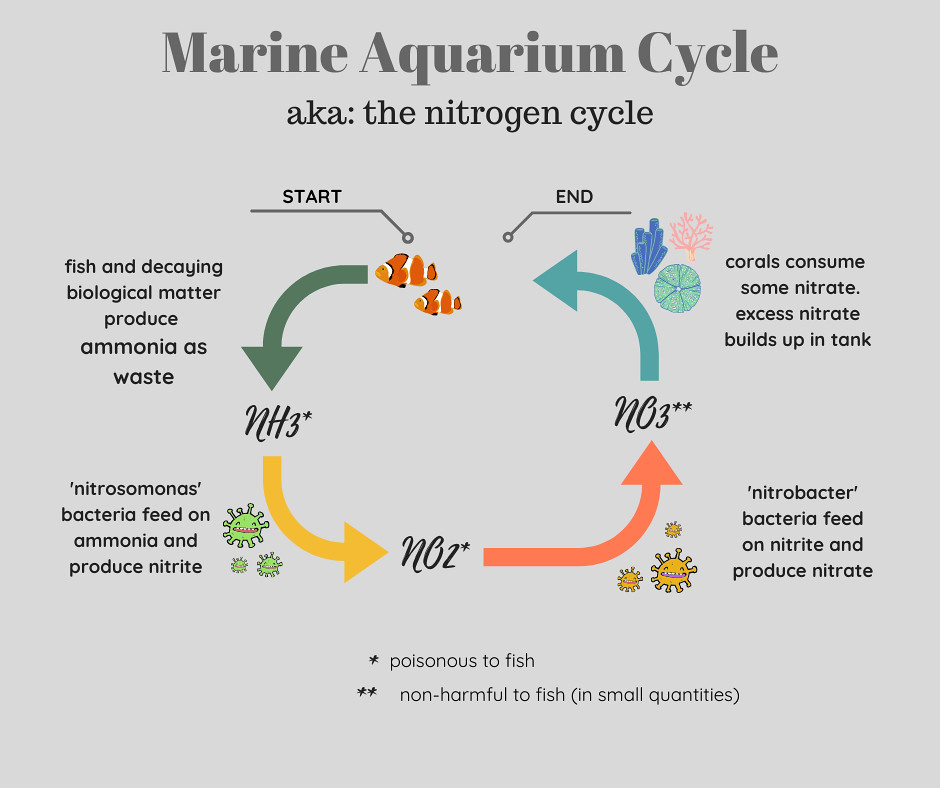
This process is called the nitrogen cycle. It turns harmful waste into less harmful substances.
Understanding Beneficial Bacteria
Beneficial bacteria break down fish waste and leftover food. They change harmful ammonia into nitrite, then into nitrate.
These bacteria grow on surfaces like filter media, gravel, and decorations. They need time and the right conditions to establish.
Introducing Ammonia Sources
Ammonia is the fuel for the nitrogen cycle. You must add a source of ammonia to start the bacteria growth.
Common ammonia sources include fish food, pure ammonia, or a small amount of fish waste. Use these carefully to avoid harming fish.
- Feed a small pinch of fish food daily
- Add pure ammonia drops (no additives)
- Use a small piece of raw shrimp or fish
Monitoring Ammonia And Nitrite Levels
Test the aquarium water often to check ammonia and nitrite levels. High levels can hurt fish and stop the cycle.
Watch for ammonia to rise first, then fall as nitrite rises. When both reach zero, the cycle is complete.
- Use a reliable aquarium test kit
- Test water every 2-3 days
- Keep records of your results
- Wait until ammonia and nitrite read zero before adding fish

Credit: www.pond-planet.co.uk
Maintaining Water Quality
Keeping an aquarium clean is important for fish health. Water quality affects fish behavior and growth.
Learn how to maintain water quality with regular checks and changes.
Regular Testing And Adjustments
Test water regularly to ensure safety. Check for harmful chemicals like ammonia and nitrites.
- Use a reliable test kit weekly
- Record the results in a logbook
- Adjust chemical levels as needed
Managing Ph And Temperature
Fish need stable pH and temperature. Sudden changes can stress them.
| Fish Type | pH Range | Temperature Range (°C) |
| Tropical Fish | 6.8 – 7.5 | 24 – 28 |
| Goldfish | 7.0 – 7.4 | 18 – 22 |
| Cichlids | 7.5 – 8.5 | 25 – 30 |
Performing Water Changes
Water changes remove toxins and replenish nutrients. It’s key for a healthy aquarium.
Follow these steps for a successful water change:
- Turn off all electrical equipment.
- Remove 10-15% of the tank water.
- Refill with clean, treated water.
- Turn equipment back on.
Adding Species Safely
Adding new fish to your species-specific aquarium needs care. You must keep your aquatic pets safe and healthy. Following the right steps helps avoid stress and disease.
This guide covers how to add new species safely. It includes quarantine, acclimating fish, and avoiding overcrowding.
Quarantine Procedures
Quarantine new fish before adding them to your main tank. This step stops the spread of illness. Keep them in a separate tank for at least two weeks. Watch for signs of sickness like spots or unusual swimming.
- Set up a quarantine tank with clean water.
- Keep water temperature stable and similar to the main tank.
- Feed the fish small amounts twice a day.
- Check fish daily for any health issues.
- Only move fish to the main tank after the quarantine period.
Acclimating New Fish
Acclimating helps fish adjust to new water conditions. Do this slowly to reduce stress. Rapid changes can harm or kill fish.
| Method | Description |
| Float Bag | Place sealed bag in tank water for 15-20 minutes. |
| Drip Acclimation | Use a drip line to slowly add tank water to the bag over 1 hour. |
| Temperature Check | Ensure water temperatures match before release. |
| Release | Gently release fish into the tank, avoiding water mixing. |
Avoiding Overcrowding
Keep your aquarium from getting crowded. Too many fish cause stress and poor water quality. Each species needs enough space to swim freely.
- Check the adult size of each fish before adding.
- Follow recommended tank size per fish species.
- Limit the total number of fish in the tank.
- Provide hiding spots and plants for comfort.
- Monitor fish behavior for signs of stress.
Credit: spec-tanks.com
Troubleshooting Common Issues
Cycling a species-specific aquarium can sometimes cause problems. Knowing how to fix these issues helps keep fish healthy.
This guide covers common problems like ammonia spikes, algae growth, and fish stress. Learn what to do if these occur.
Dealing With Ammonia Spikes
Ammonia spikes happen when waste builds up faster than bacteria can break it down. High ammonia is toxic to fish.
Test your water daily. If ammonia is high, do partial water changes to lower it quickly. Add beneficial bacteria to help cycle.
- Check filter function and clean if needed
- Remove uneaten food and dead plants
- Use ammonia detoxifiers only if necessary
- Keep water temperature stable
Handling Algae Growth
Algae can grow fast if the tank gets too much light or excess nutrients. It may make the tank look dirty.
Reduce light hours to about 6-8 hours a day. Remove algae manually and avoid overfeeding your fish.
- Limit direct sunlight on the tank
- Use algae-eating fish or snails if suitable
- Keep up with regular water changes
- Clean tank walls and decorations gently
Addressing Fish Stress
Fish stress can cause illness and death. Stress happens due to poor water quality, wrong tank mates, or sudden changes.
Watch fish behavior daily. Fix water quality issues and avoid sudden moves or loud noises near the tank.
- Keep water temperature steady
- Use a proper filter and aeration
- Avoid overcrowding the tank
- Feed appropriate food in small amounts
- Quarantine new fish before adding to tank
Expert Maintenance Tips
Maintaining a species-specific aquarium requires attention to detail. It ensures a healthy and thriving environment for your aquatic pets.
These expert tips will guide you in optimizing filtration, establishing effective feeding strategies, and performing regular equipment checks.
Optimizing Filtration
Proper filtration is crucial for water quality. It helps in removing waste and maintaining a balanced ecosystem.
- Choose a filter suitable for your tank size.
- Clean filters monthly to ensure efficiency.
- Replace filter media as per manufacturer’s guidelines.
Feeding Strategies
Feeding the right amount and type of food is essential for the health of your fish. It prevents overfeeding and waste accumulation.
- Research species-specific dietary needs.
- Offer a varied diet to cover nutritional requirements.
- Feed small portions twice daily to avoid leftovers.
Regular Equipment Checks
Regular checks ensure all equipment functions properly. It helps in preventing potential problems.
| Task | Frequency |
| Check heater | Weekly |
| Inspect lights | Monthly |
| Test water quality | Bi-weekly |

Credit: www.2hraquarist.com
Frequently Asked Questions
What Is Aquarium Cycling And Why Is It Important?
Aquarium cycling establishes beneficial bacteria that break down fish waste. This process prevents toxic ammonia and nitrite buildup, ensuring a safe habitat for your species-specific fish. Cycling is crucial before adding fish to maintain water quality and promote healthy aquatic life.
How Long Does It Take To Cycle A Species-specific Aquarium?
Cycling typically takes 4 to 6 weeks. The duration depends on tank size, temperature, and bacterial growth. Testing water parameters regularly helps track progress and ensures the environment is safe for your fish before introduction.
What Are The Key Steps In Cycling A Species-specific Aquarium?
Key steps include adding ammonia to feed bacteria, monitoring water parameters, and performing partial water changes. Use species-specific water conditions to match fish needs. Patience and consistent testing are essential for a successful and healthy aquarium cycle.
Can Live Plants Help In Cycling An Aquarium?
Yes, live plants absorb ammonia and provide oxygen, aiding the cycling process. They create a balanced ecosystem and improve water quality. Including plants suited to your species-specific aquarium enhances both cycling efficiency and fish well-being.
Conclusion
Cycling a species-specific aquarium takes time and patience. Keep testing the water often to track changes. Adding the right bacteria helps create a healthy tank environment. Avoid rushing the process to protect your fish’s health. Regular care ensures your aquarium stays clean and balanced.
This simple routine leads to happy, thriving aquatic life. Start slow, stay consistent, and enjoy your beautiful tank.