
If you want to build a stunning home for your freshwater fish, creating a species tank is the perfect way to do it. Imagine watching your fish thrive in an environment designed just for them—where their colors pop and their behavior feels natural.
But how do you start? What do you need to know to make sure your fish stay healthy and happy? In this guide, you’ll discover simple steps and expert tips to set up a species tank that’s easy to maintain and beautiful to look at.
By the end, you’ll have the confidence to create a thriving underwater world tailored just for your fish. Keep reading to unlock the secrets of a perfect freshwater species tank!

Credit: www.youtube.com
Choosing The Right Species
Creating a species tank means selecting fish that live well together. Choosing the right species ensures a healthy, peaceful aquarium.
Understanding each fish’s needs and behaviors helps keep your tank balanced and beautiful.
Researching Compatibility
Check if the fish species can live together without stress or fighting. Some species are peaceful, while others are aggressive.
- Look up each species’ temperament and tank requirements.
- Avoid mixing aggressive fish with shy or small ones.
- Consider water parameters like pH and temperature.
- Consult aquarium forums or guides for compatibility charts.
Considering Size And Behavior
Fish size affects tank space and social dynamics. Large fish may bully smaller ones or eat them.
| Fish Size | Behavior Impact |
| Small (under 3 inches) | Often peaceful but can be shy or schooling |
| Medium (3-6 inches) | Varied behaviors; some territorial |
| Large (over 6 inches) | May be aggressive or dominant |
Choose species that match your tank size and each other’s behavior to avoid conflicts.
Selecting Native Vs Exotic Fish
Native fish come from your local area. Exotic fish come from other regions or countries.
Consider these points when choosing between native and exotic fish:
- Native fish often adapt well to local water conditions.
- Exotic fish add variety but may need special care.
- Check local regulations about owning exotic species.
- Native fish can help support local ecosystems if released properly.
Tank Setup Essentials
Creating a species tank for freshwater fish needs careful planning. You must set up the tank to match the fish’s needs.
This guide covers the main points to start your species tank right. Focus on size, substrate, plants, and decorations.
Selecting The Aquarium Size
Choose a tank size based on the fish species you want. Small fish need less space, big fish need more room.
Bigger tanks are easier to keep stable. They provide better water quality and more swimming space.
- Research the adult size of your fish
- Allow enough space for swimming
- Think about how many fish you want
- Remember bigger tanks need more care
Choosing Suitable Substrate
Substrate is the material on the tank bottom. It affects fish health and plant growth.
Pick a substrate that fits your fish and plants. Some fish like sand, others prefer gravel.
- Sand is soft and good for bottom fish
- Gravel allows water flow and is easy to clean
- Plant-friendly substrates help roots grow
- Avoid sharp substrates that can hurt fish
Adding Plants And Decorations
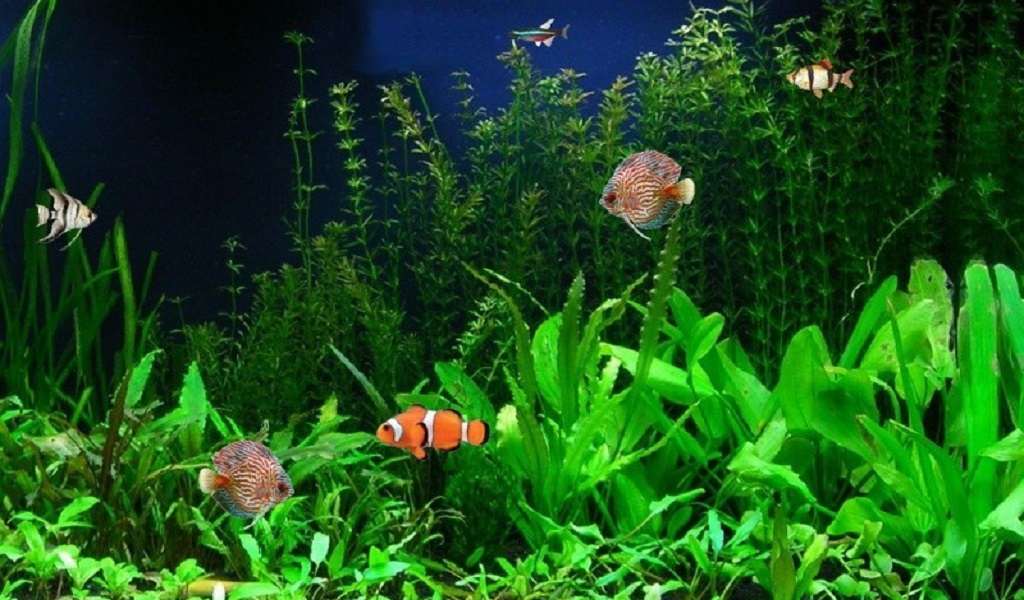
Plants and decorations make the tank look natural. They give fish places to hide and explore.
Use live plants if possible. They improve water quality and provide oxygen for fish.
- Choose plants safe for your fish species
- Add decorations like rocks and driftwood
- Arrange items to create hiding spots
- Keep open swimming areas for fish
Water Quality Management
Water quality is very important for a species tank. Good water keeps fish healthy and happy. You must control many factors to keep water safe.
This guide covers key points about filtration, temperature, pH, and hardness. Each part helps create the best environment for your fish.
Filtration Systems
Filtration removes waste and harmful chemicals from the water. It keeps water clear and clean for fish. A good filter matches the tank size and fish type.
There are three main types of filters: mechanical, biological, and chemical. Mechanical filters catch debris. Biological filters grow good bacteria. Chemical filters remove toxins.
- Mechanical filters remove physical waste.
- Biological filters help break down fish waste.
- Chemical filters remove harmful chemicals.
Maintaining Temperature
Fish need stable water temperature to stay healthy. Sudden changes can stress or harm them. Use a heater or chiller to keep water steady.
Check the temperature daily with a reliable thermometer. Most freshwater fish do well between 72°F and 78°F. Adjust your equipment to fit your fish’s needs.
- Use a heater for warm-water fish.
- Use a chiller for cool-water fish.
- Keep temperature changes slow and small.
Monitoring Ph And Hardness
pH measures how acidic or basic the water is. Hardness measures minerals in the water. Both affect fish health and behavior.
Test pH and hardness regularly with test kits. Most freshwater fish prefer a pH of 6.5 to 7.5. Hardness should match the natural habitat of the species.
| Water Parameter | Ideal Range | Effect on Fish |
|---|---|---|
| pH | 6.5 – 7.5 | Too low or high causes stress |
| Hardness (GH) | 4 – 12 dGH | Affects fish metabolism and growth |
Credit: www.hygger-online.com
Feeding Your Fish
Feeding fish in a species tank needs care. A good diet keeps fish healthy and active.
Learn how to pick food, feed right, and avoid common problems.
Selecting Proper Diet
Choose food based on the fish species. Some fish eat flakes, others like live food.
- Herbivores need plant-based foods like algae wafers
- Carnivores prefer live or frozen foods like bloodworms
- Omnivores eat a mix of flakes and small live food
- Use high-quality food to supply vitamins and minerals
Feeding Frequency And Amount
Feed your fish small amounts two or three times a day. Avoid feeding once a day only.
| Fish Type | Feeding Times per Day | Portion Size |
| Small Fish (e.g., Tetras) | 2 | Small pinch |
| Medium Fish (e.g., Gouramis) | 2-3 | Medium pinch |
| Large Fish (e.g., Oscars) | 2 | 1-2 pellets |
Avoiding Overfeeding
Overfeeding causes water pollution and fish health problems.
- Feed only what fish can eat in 2-3 minutes
- Remove uneaten food quickly
- Watch fish behavior for signs of overfeeding
- Use feeding tools like small spoons for control
Tank Maintenance Tips
Keeping a species tank healthy needs regular care. Good maintenance helps fish stay strong and happy.
Follow simple steps to keep water clean and watch fish for any problems. This guide shows easy tips to maintain your freshwater species tank.
Regular Water Changes
Change water often to keep the tank safe. Fresh water lowers toxins and keeps fish healthy. Aim to replace 10-20% of the water every week.
- Turn off all electrical devices before starting.
- Use a siphon to remove old water and debris.
- Add treated water that matches tank temperature.
- Check water parameters after the change.
Cleaning The Tank
Clean the tank parts regularly to stop algae and dirt build-up. Do not clean all surfaces at once to keep good bacteria safe.
| Task | Frequency |
| Scrub algae off glass | Weekly |
| Clean filter media gently | Monthly |
| Remove uneaten food | Daily |
| Vacuum gravel or substrate | Every 2 weeks |
Checking For Disease Signs
Look closely at your fish each day. Early disease signs help you act fast and save your fish.
- Check for spots, discoloration, or unusual marks.
- Watch if fish hide more or act sluggish.
- Look for damaged fins or scales.
- Notice any strange swimming patterns.
- Remove sick fish to a quarantine tank quickly.

Credit: www.aqqapet.com
Breeding In Species Tanks
Creating a species tank for freshwater fish can be rewarding. It offers an ideal environment for breeding. Understanding breeding behavior is key to success.
Species tanks help maintain specific water conditions. They provide a safe space for fish to reproduce. Let’s explore how to set up these tanks for breeding.
Identifying Breeding Behavior
Recognizing breeding behavior is important. Fish often change their actions during this time. Look for specific signs to know when they are ready.
Males may become more vibrant in color. They might also chase females more actively. Females may look for a spot to lay eggs.
- Males display brighter colors
- Increased chasing behavior
- Females selecting nesting sites
Creating Breeding Conditions
Setting the right conditions encourages breeding. Water quality is crucial. Keep the tank clean and maintain the right temperature.
Provide hiding spots for the fish. Plants and rocks work well. Ensure the tank has enough space for the fish to swim freely.
- Maintain optimal water temperature
- Ensure clean water conditions
- Include plants and rocks for hiding
Caring For Fry
Once the eggs hatch, caring for fry is vital. They need special attention to grow healthy. Separate fry from adult fish to prevent them from being eaten.
Feed fry with appropriate food. Crushed flakes or specialized fry food work best. Keep the water clean and check it regularly.
- Separate fry from adult fish
- Feed with crushed flakes or fry food
- Regularly check and clean water
Common Challenges And Solutions
Creating a species tank for freshwater fish can be rewarding. But, it comes with its challenges. Understanding these issues is key to a successful tank.
Let’s explore common problems like aggression, algae growth, and water quality. Each challenge has simple solutions to ensure a healthy tank environment.
Dealing With Aggression
Aggression can be a problem in species tanks. Fish may fight for territory or food. This can lead to stress and injury.
Provide enough hiding spots and space. Use plants and decorations to create territories. Monitor fish behavior closely.
- Introduce fish of similar size
- Avoid overcrowding
- Observe feeding times
Preventing Algae Growth
Algae growth is common in tanks with too much light. It can make the tank look dirty and harm fish health.
Control light exposure by using a timer. Clean the tank regularly. Introduce algae-eating fish or snails.
- Limit sunlight exposure
- Adjust feeding to reduce waste
- Use a good filtration system
Managing Water Quality Issues
Water quality is vital for fish health. Poor water conditions can lead to disease and stress.
Test water regularly for pH, ammonia, and nitrates. Perform partial water changes weekly. Use water conditioners to remove harmful chemicals.
- Maintain a balanced diet for fish
- Avoid overfeeding
- Ensure proper tank cycling
Frequently Asked Questions
What Is A Species Tank In Freshwater Aquariums?
A species tank houses only one fish species, mimicking their natural habitat. It reduces aggression and supports specific care needs, improving fish health and behavior.
How Do I Choose Fish For A Species Tank?
Select fish with similar size, temperament, and water needs. Research species compatibility to avoid stress and aggression. Native habitat info helps create an ideal environment.
What Plants Are Best For A Freshwater Species Tank?
Choose plants native to the fish’s natural habitat. Java fern, Anubias, and Amazon sword are popular choices. Plants provide shelter, improve water quality, and reduce stress.
How Often Should I Maintain A Species Tank?
Perform weekly water tests and partial water changes of 20-30%. Clean the substrate and remove uneaten food regularly. Proper maintenance ensures a healthy environment for fish.
Conclusion
Creating a species tank for freshwater fish takes care and patience. Choose the right fish that live well together. Provide clean water and proper food every day. Add plants and hiding spots for a natural feel. Watch your fish closely to keep them healthy.
Enjoy the peace and beauty your tank brings. Small steps lead to a happy, thriving aquarium. Start simple and learn as you go. Your fish will thank you with bright colors and lively swimming.