
Creating the perfect home for your freshwater fish is more than just filling a tank with water. It’s about building an environment where your fish can thrive, stay healthy, and show their true colors.
If you want your fish to live longer and be happier, you need to get a few things right from the start. You’ll discover simple, effective steps to set up the ideal habitat for your aquatic friends. Keep reading, and you’ll learn how small changes can make a big difference in your fish’s life.
Credit: www.hygger-online.com
Choosing The Right Aquarium
Creating a good environment for freshwater fish starts with choosing the right aquarium. The tank should fit the fish’s needs and your space.
Picking the right tank helps keep fish healthy and happy. It also makes cleaning and maintenance easier.
Selecting Suitable Tank Size
The tank size depends on the number and size of fish you want to keep. Bigger tanks give fish more space to swim.
Small tanks can cause water quality problems quickly. Large tanks are more stable and easier to maintain.
- Small fish need at least 10 gallons
- Medium fish require 20 to 40 gallons
- Large or many fish need 50 gallons or more
Material Options For Tanks
Aquariums come in glass or acrylic. Both materials have pros and cons to consider before buying.
Glass is scratch-resistant and cheaper. Acrylic is lighter and stronger but can scratch easily.
- Glass tanks are heavy but clear and durable
- Acrylic tanks are lighter and can be shaped
- Acrylic holds heat better than glass
- Glass is easier to clean and less scratch-prone
Setting Up The Location
Place the aquarium where it gets little sunlight. Direct sunlight causes algae growth and temperature swings.
Keep the tank on a strong, flat surface near power outlets. Avoid places with heavy foot traffic or drafts.
- Choose a stable, level surface
- Keep away from windows and heaters
- Have easy access to power and water
- Place where you can see and enjoy the tank
Credit: aquadecorbackgrounds.com
Water Quality Management
Keeping water quality high is key for healthy freshwater fish. Fish need clean water to thrive.
Manage water conditions carefully for your fish to remain healthy and active.
Maintaining Proper Ph Levels
The pH level of water affects fish health. Most freshwater fish need a pH between 6.5 and 7.5.
- Test pH weekly using a pH testing kit.
- Adjust pH with safe products if needed.
- Keep pH stable to avoid stress for fish.
Controlling Temperature
Fish are sensitive to temperature changes. Maintain a steady temperature suitable for your fish species.
| Fish Type | Ideal Temperature (°C) |
| Tropical Fish | 24-27 |
| Goldfish | 20-23 |
| Betta Fish | 25-27 |
Ensuring Adequate Filtration
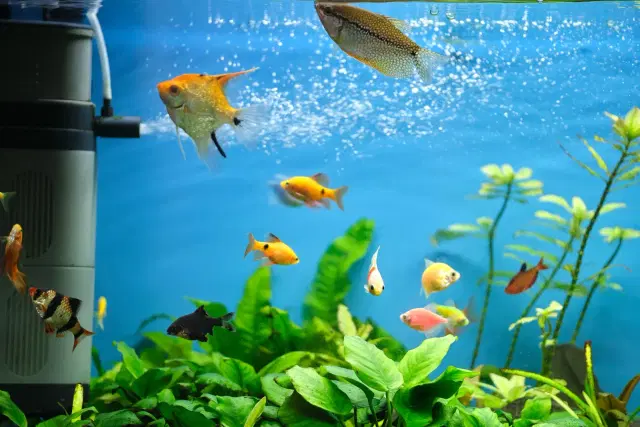
Filtration is important to keep water clean. It removes debris and harmful substances from the water.
Regular Water Testing
Test water often to catch problems early. Regular testing helps maintain healthy conditions for your fish.
- Check ammonia and nitrate levels weekly.
- Ensure water is not too hard or soft.
- Use reliable test kits for accurate results.
Aquarium Decoration And Plants
Creating a good home for freshwater fish means paying attention to decoration and plants. These help fish feel safe and healthy.
Choosing the right materials and plants improves water quality and fish comfort.
Using Safe Substrate
Substrate is the material at the bottom of the aquarium. It affects water quality and fish health.
Use substrates that do not change water chemistry or release harmful substances.
- Gravel made for aquariums is a good choice
- Avoid sharp or rough materials that can hurt fish
- Do not use sand or soil from outside sources without cleaning
- Rinse substrate well before adding it to the tank
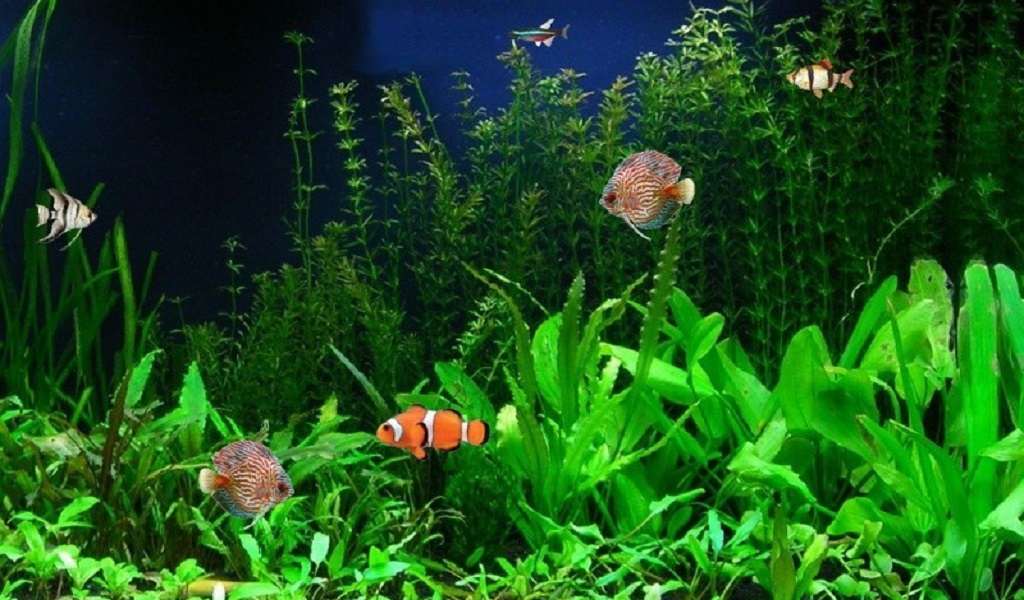
Incorporating Live Plants
Live plants improve water quality by using fish waste as nutrients. They add oxygen to the water.
Plants also create a natural look and provide hiding places for fish.
- Choose plants that match your fish’s needs and tank size
- Easy plants include Java fern, Anubias, and Amazon sword
- Place plants where they get enough light but do not block swimming space
- Trim dead leaves to keep plants healthy
Adding Hiding Spots
Fish need places to hide to reduce stress and feel safe. Decoration helps create these spots.
Hiding spots can be made from rocks, driftwood, or decorations designed for aquariums.
- Use smooth decorations to avoid injuring fish
- Arrange hiding spots so fish can easily enter and exit
- Avoid overcrowding the tank with too many decorations
- Change hiding spots occasionally to keep fish curious

Credit: theifishstore.com
Fish Selection And Compatibility
Choosing the right fish is key for a healthy freshwater tank. Not all fish get along well. Picking compatible fish helps keep peace and reduce stress.
Understanding fish behavior and needs makes your aquarium a safe home. Careful selection supports happy and long-living fish.
Choosing Compatible Species
Some fish are peaceful, while others are aggressive. Mixing these types can cause fights. Choose fish that share similar temperaments.
Also, pick fish that like similar water conditions. This includes temperature, pH, and hardness. Compatibility keeps fish healthy.
- Research fish temperaments before buying
- Group peaceful fish together
- Avoid mixing aggressive species with calm ones
- Match fish with similar water needs
Considering Fish Size And Behavior
Big fish may bully or eat smaller fish. Avoid mixing very large and very small species. Fish behavior also matters for tank harmony.
Some fish like to swim alone, others in schools. Learn each species’ habits. Provide enough space for active fish to swim freely.
- Do not mix fish with large size differences
- Observe if fish are territorial or social
- Provide hiding spots for shy fish
- Offer space for active swimmers
Avoiding Overcrowding
Too many fish cause stress and poor water quality. Overcrowding leads to disease and shorter fish life. Keep the fish count low for your tank size.
Use the one-inch-per-gallon rule as a guide. This helps keep your tank balanced. Regularly clean and monitor water conditions.
- Limit fish length to one inch per gallon of water
- Choose smaller fish for small tanks
- Maintain good filtration and water changes
- Watch fish behavior for signs of stress
Feeding And Nutrition
Proper feeding is key to keeping freshwater fish healthy. Good nutrition helps fish grow and stay active.
Knowing what food to give and how often to feed will create a balanced environment for your fish.
Types Of Fish Food
Freshwater fish eat many kinds of food. Choose food based on the species and their needs.
- Flakes: Easy to digest and good for most fish.
- Pellets: Sink or float, good for bottom and surface feeders.
- Frozen food: Includes bloodworms and brine shrimp, high in protein.
- Live food: Small insects or worms that keep fish active.
- Vegetables: Blanched peas or spinach for herbivores.
Feeding Frequency And Amount
Feed your fish small amounts several times a day. Too much food causes water problems.
| Fish Type | Feedings Per Day | Amount Per Feeding |
| Small Fish (e.g., Tetras) | 2 to 3 | As much as they eat in 2 minutes |
| Medium Fish (e.g., Gouramis) | 2 | Small pinch or pellet |
| Large Fish (e.g., Goldfish) | 1 to 2 | Moderate amount, avoid leftovers |
Avoiding Overfeeding
Overfeeding harms fish and pollutes water. Watch your fish to avoid giving too much food.
Tips to avoid overfeeding:
- Feed only what fish can eat in 2 minutes.
- Remove leftover food after feeding.
- Keep a feeding schedule and stick to it.
- Use a small amount of food each time.
- Check water quality regularly to catch issues early.
Tank Maintenance Routine
Keeping freshwater fish healthy needs a proper tank routine. Clean water and good care help fish thrive.
This routine includes regular cleaning, water changes, and watching fish health closely.
Regular Cleaning Schedule
Clean your tank parts every week or two. This keeps algae and waste from building up.
- Remove algae from glass with a scraper
- Clean decorations and plants gently
- Vacuum the gravel to take out debris
- Check and rinse filter parts without soap
Partial Water Changes
Changing some water regularly stops toxins from harming fish. It keeps the water fresh.
| Change Amount | Frequency |
| 10-20% | Every week |
| 25-30% | Every two weeks |
| 40% | Once a month (if needed) |
Monitoring Fish Health
Watch your fish daily for signs of illness or stress. Early action helps fish recover.
- Look for changes in color or behavior
- Check for spots, wounds, or abnormal swimming
- Keep track of feeding habits
- Isolate sick fish quickly to avoid spread
Frequently Asked Questions
How Do I Maintain Proper Water Quality For Freshwater Fish?
Regularly test water parameters like pH, ammonia, and nitrate. Perform 25% water changes weekly. Use a good filtration system to keep water clean and oxygenated.
What Is The Ideal Temperature For Freshwater Fish Tanks?
Most freshwater fish thrive between 72°F and 78°F. Use an aquarium heater and thermometer to maintain a stable temperature within this range.
How Often Should I Clean A Freshwater Fish Tank?
Clean your tank every 2 to 4 weeks. Remove algae, vacuum substrate, and change partial water to keep the environment healthy for fish.
What Plants Are Best For Freshwater Fish Tanks?
Live plants like Java fern, Anubias, and Amazon sword improve water quality. They provide shelter and reduce stress for your freshwater fish.
Conclusion
Creating a healthy home for freshwater fish takes care and attention. Keep water clean and check its temperature often. Provide enough space and proper plants for hiding. Feed fish the right food in small amounts daily. Watch their behavior to spot any health issues early.
A well-kept tank makes fish happy and lively. Small steps lead to a thriving aquatic environment. Enjoy the beauty and calm that fish bring to your space.