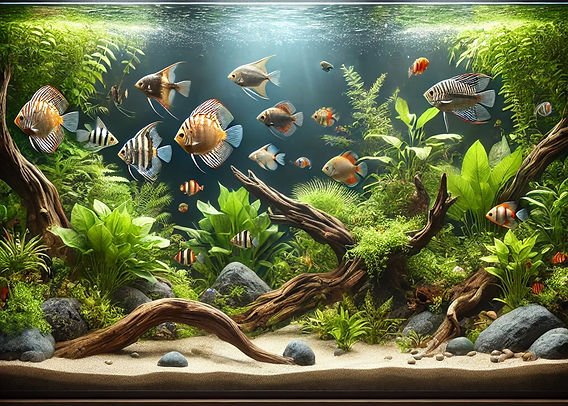
Are you ready to transform your aquarium into a thriving underwater world? Creating a natural habitat for your freshwater fish isn’t just about making your tank look beautiful—it’s about giving your fish a comfortable, healthy place to live.
When you mimic their natural environment, your fish will feel safe, active, and vibrant. You’ll discover simple, practical steps that anyone can follow to build the perfect home for your aquatic friends. Keep reading, and you’ll learn how to bring nature right into your own space, making your fish happier and your aquarium more stunning than ever.

Credit: www.youtube.com
Choosing The Right Location
Creating a natural habitat for freshwater fish starts with picking the right place. The location affects fish health and plant growth.
Choose a spot that fits the needs of your fish and matches the environment you want to build.
Assessing Space And Environment
Check how much space you have for the habitat. Fish need enough room to swim freely and grow.
Look at the environment around the spot. Avoid places near pollution or strong chemicals.
- Measure the area to ensure enough water volume
- Make sure the ground is stable and not prone to flooding
- Check for nearby sources of pollution or runoff
- Consider access for maintenance and care
Considering Sunlight And Shade
Freshwater fish need sunlight but too much can harm them. Find a balance between sun and shade.
Sunlight helps plants grow, which benefits fish. Shade keeps water cool and prevents algae overgrowth.
- Choose a spot with 4 to 6 hours of sunlight daily
- Use natural shade from trees or add shade cloth
- Monitor water temperature to avoid overheating
- Adjust the habitat if sunlight changes with seasons

Credit: m.youtube.com
Selecting Suitable Plants
Choosing the right plants is key to building a natural home for freshwater fish. Plants provide food, shelter, and oxygen.
Native plants work best because they fit well with the local environment and support the fish’s needs naturally.
Benefits Of Native Aquatic Plants
Native aquatic plants help keep the water clean and clear. They provide hiding spots for fish and protect young fish from predators.
- Improve water quality by absorbing pollutants
- Offer food and shelter to fish and other wildlife
- Help control algae growth naturally
- Support local biodiversity and ecosystem balance
Planting Techniques For Freshwater Habitats
Planting aquatic plants correctly helps them grow strong and benefits the fish habitat. Use soft soil or aquatic planting media to avoid clouding the water.
| Technique | Description | Tip |
| Root Planting | Place roots gently in soft soil underwater. | Cover roots with gravel to keep them stable. |
| Floating Plants | Let plants float freely on the water surface. | Use them to provide shade and reduce algae. |
| Container Planting | Plant in pots filled with aquatic soil. | Place pots in the habitat to control spread. |
Creating Shelter And Hiding Spots
Freshwater fish need safe places to hide and rest. Shelters help reduce stress. They also protect fish from predators.
Providing hiding spots mimics a natural habitat. This encourages healthy behavior and growth in fish.
Using Rocks And Driftwood
Rocks and driftwood create natural shelters in the tank. They offer shade and places for fish to hide. These materials also help with water quality by providing surfaces for beneficial bacteria.
- Use smooth rocks to avoid injuring fish
- Arrange rocks to form caves and crevices
- Add driftwood pieces for hiding and resting spots
- Clean all materials before adding to the tank
Incorporating Artificial Structures
Artificial shelters add variety to the fish environment. They can be shaped like caves, tubes, or plants. These structures provide extra hiding spots and help fish feel secure.
| Type | Material | Benefits |
| Ceramic Caves | Ceramic | Durable, easy to clean, natural look |
| Plastic Plants | Plastic | Safe hiding spots, no decay |
| Polyresin Ornaments | Polyresin | Variety of shapes and colors |
| PVC Pipes | Plastic | Simple tunnels for hiding |
Maintaining Water Quality
Good water quality is key to a healthy freshwater fish habitat. Clean water helps fish grow strong and stay healthy.
Keeping water clean means controlling waste and maintaining stable conditions. This creates a natural and safe environment for fish.
Natural Filtration Methods
Natural filtration uses plants and beneficial bacteria to clean water. These help remove harmful substances and keep water clear.
- Use aquatic plants like water lilies and duckweed to absorb toxins.
- Add gravel and sand to the tank bottom for bacteria to grow.
- Include a biofilter with stones to support helpful bacteria.
- Keep some snails or small shrimp to eat algae and debris.
Monitoring Ph And Temperature
Fish need stable pH and temperature to stay healthy. Check these often to avoid stress and illness.
| Factor | Ideal Range | Effect on Fish |
| pH | 6.5 to 7.5 | Supports good metabolism and breathing |
| Temperature | 20°C to 25°C (68°F to 77°F) | Maintains activity and immune function |
Choosing Freshwater Fish Species
Creating a natural habitat for freshwater fish is a rewarding task. Choosing the right species is important for a thriving aquarium.
Different fish have different needs. Knowing these needs helps create a suitable environment.
Compatibility With Habitat Conditions
Fish thrive in specific water conditions. Water temperature, pH levels, and hardness matter.
Research the natural habitat of each species. Match your aquarium settings to these conditions.
- Tropical fish need warmer water
- Cold-water fish prefer cooler temperatures
- Neutral pH is safe for most species
Community Vs. Solitary Fish
Some fish enjoy company, while others prefer solitude. Community fish live well with others of their kind.
Solitary fish need their own space. Crowding can cause stress and health problems.
- Community fish: Guppies, Tetras, Corydoras
- Solitary fish: Betta, Oscar, Arowana
Feeding And Care Tips
Creating a natural habitat for freshwater fish means caring for them properly. Feeding is a key part of their health and happiness.
Good care helps fish stay active and live longer in your habitat. Feeding them the right foods is very important.
Natural Diet Options
Freshwater fish eat many natural foods in their habitat. These include plants, insects, and small animals.
Offering a variety of natural foods helps fish get the nutrients they need. You can add live or frozen foods to mimic their natural diet.
- Algae and aquatic plants
- Small insects and larvae
- Crustaceans like shrimp
- Worms and larvae
- Plankton and tiny fish
Avoiding Overfeeding
Overfeeding fish can harm their health and pollute the water. Feed small amounts that fish can eat quickly.
Watch your fish during feeding time. Remove any leftover food to keep the habitat clean and safe.
- Feed twice a day in small portions
- Only give what fish eat in 2-3 minutes
- Remove uneaten food after feeding
- Keep water clean by regular maintenance
Preventing Predators And Diseases
Creating a natural habitat for freshwater fish means keeping them safe from predators and illness. Protecting fish helps them live longer and stay healthy.
This guide shares simple ways to stop predators and avoid diseases in your fish habitat.
Natural Deterrents
Use natural methods to keep predators away without harming the fish or the environment. These deterrents help create a safe space for your fish.
- Plant dense aquatic plants around the pond edges to hide fish from birds.
- Install floating plants to provide shade and cover.
- Use rocks and logs to create hiding spots.
- Introduce natural predator fish that do not harm your main fish species.
- Use motion-activated sprinklers to scare away large predators like raccoons.
Regular Health Checks
Check your fish often for signs of disease or injury. Early detection helps prevent outbreaks and keeps fish healthy.
| Health Check Task | What to Look For | Frequency |
|---|---|---|
| Visual Inspection | Look for spots, swelling, or odd behavior | Weekly |
| Water Quality Test | Check pH, ammonia, and nitrate levels | Twice a month |
| Remove Sick Fish | Isolate fish showing illness signs | As needed |
| Clean Habitat | Remove debris and excess algae | Monthly |
Credit: www.hygger-online.com
Seasonal Maintenance Tasks
Creating a natural habitat for freshwater fish requires regular maintenance. Seasonal changes impact the conditions of their environment.
Understanding these tasks helps ensure a healthy habitat for your fish throughout the year.
Adapting Habitat For Weather Changes
Weather changes can affect the water temperature and quality. Making adjustments is key to maintaining a stable environment for your fish.
- Monitor water temperature regularly.
- Adjust the heater settings as the weather changes.
- Ensure proper aeration to maintain oxygen levels.
Cleaning And Upkeep
Regular cleaning helps prevent the buildup of harmful substances. This keeps the water clear and safe for the fish.
- Change 10-15% of the water weekly.
- Clean the filter monthly to ensure efficiency.
- Remove algae from the tank walls as needed.
| Task | Frequency |
| Water Change | Weekly |
| Filter Cleaning | Monthly |
| Algae Removal | As needed |
Frequently Asked Questions
What Plants Are Best For A Freshwater Fish Habitat?
Aquatic plants like Java fern, Anubias, and hornwort provide shelter and oxygen. They help maintain water quality naturally.
How Do I Balance Water Parameters For Freshwater Fish?
Maintain stable pH, temperature, and hardness suited for your fish species. Regular testing and gradual adjustments prevent stress and disease.
Why Is Substrate Important In Freshwater Fish Tanks?
Substrate offers a natural environment, supports beneficial bacteria, and enhances aesthetics. Choose sand or fine gravel for most freshwater species.
How Can I Create Hiding Spots For Freshwater Fish?
Use rocks, driftwood, and plants to form caves and crevices. These provide shelter, reduce stress, and encourage natural behavior.
Conclusion
Creating a natural habitat helps freshwater fish live healthy and happy. Use plants, rocks, and clean water to mimic nature. Small changes make a big difference for fish comfort. Keep the environment stable and watch fish thrive. Enjoy the beauty of your aquarium as fish swim freely.
This care supports fish health and a balanced ecosystem. Start today and see how your fish respond. Nature’s touch creates a peaceful underwater world.