
Are you struggling to keep nitrate levels in check? High nitrate can harm your plants, fish, or even your health without you realizing it.
But don’t worry—controlling nitrate is easier than you think. You’ll discover simple, effective treatments that help you manage nitrate quickly and safely. Keep reading, and you’ll learn how to protect what matters most with easy steps you can start today.
Sources Of Nitrate In Water
Nitrates enter water from many sources. They can cause health and environmental issues. Knowing where nitrates come from helps control them.
This guide explains three main sources of nitrates in water. They are agricultural runoff, wastewater and sewage, and natural causes.
Agricultural Runoff
Farm fields get fertilizers with nitrates. Rain or irrigation water can wash these nitrates into rivers and lakes. This is called agricultural runoff.
- Use of nitrogen-rich fertilizers
- Animal manure spreading
- Excess irrigation water
- Soil erosion carrying nitrates
Wastewater And Sewage
Wastewater and sewage contain nitrates from human activities. If not treated well, they pollute water sources. This raises nitrate levels in water bodies.
| Source | How It Adds Nitrates |
| Household Wastewater | From human waste and detergents |
| Industrial Waste | Discharges with nitrogen compounds |
| Untreated Sewage | Direct release of nitrates into water |
Natural Causes
Nitrates also come from natural sources. Soil and decaying plants release nitrogen. Rain dissolves this nitrogen and carries it to water.
Natural nitrate sources include:
- Decomposition of organic matter
- Soil bacteria converting nitrogen
- Leaching from rocks and minerals
Health And Environmental Risks
Nitrate is a common chemical found in soil and water. It can come from fertilizers, waste, or natural sources. Too much nitrate can cause problems for people and nature.
Controlling nitrate levels helps protect human health, aquatic life, and plants. Treatments can reduce nitrate risks in different environments.
Effects On Human Health
Nitrate in drinking water can harm people. It can cause a condition called methemoglobinemia. This affects babies and reduces oxygen in the blood. High nitrate levels may also increase cancer risk.
- Infants are most at risk from nitrate poisoning.
- Pregnant women should avoid high nitrate intake.
- Long-term exposure may lead to health issues.
Impact On Aquatic Life
Nitrate enters rivers and lakes from farms and sewage. It can cause algae to grow too fast. This reduces oxygen in water and harms fish and plants.
| Effect | Cause | Result |
| Algal Bloom | High nitrate | Oxygen loss |
| Fish Kill | Low oxygen | Death of fish |
| Plant Damage | Water pollution | Reduced growth |
Soil And Plant Concerns
Excess nitrate can change soil health. It may cause acidification and nutrient imbalance. Plants may grow too fast but become weak. This lowers crop quality and yield.
- Soil acid becomes stronger
- Important nutrients get washed away
- Plants grow tall but are fragile
- Crop resistance to pests drops
Chemical Treatment Methods
Chemical treatment methods help reduce nitrate levels in water. These methods use reactions to remove or change nitrate into less harmful forms.
Understanding these methods can guide better water treatment choices. They include ion exchange, chemical reduction, and the use of adsorbents.
Ion Exchange Processes
Ion exchange removes nitrate by swapping nitrate ions with other ions like chloride. This process uses special resins that attract nitrate from the water.
Resins need regular cleaning to keep working well. This method works best for water with moderate nitrate levels.
Chemical Reduction Techniques
Chemical reduction changes nitrate into nitrogen gas or other harmless compounds. It uses chemicals like hydrogen or zero-valent iron.
- Add a reducing agent to the water.
- Allow time for the chemical reaction to convert nitrate.
- Remove or filter out any by-products.
Use Of Adsorbents
Adsorbents trap nitrate on their surface to clean water. Common adsorbents include activated carbon and biochar.
| Adsorbent | Effectiveness | Regeneration |
| Activated Carbon | Moderate | Possible by heating |
| Biochar | High | Limited |
| Zeolites | Moderate | Possible by washing |

Credit: www.sciencedirect.com
Biological Treatment Options
Controlling nitrate levels is important for water safety. Biological treatments use natural processes to reduce nitrate.
These treatments rely on living organisms to break down nitrate into harmless substances.
Denitrification Using Bacteria
Denitrification is a process where bacteria convert nitrate into nitrogen gas. This gas then escapes into the air.
Bacteria need an environment without oxygen to perform denitrification well. They use nitrate instead of oxygen to survive.
- Bacteria consume nitrate and organic carbon
- Nitrate changes to nitrogen gas
- Nitrogen gas leaves the water
- This lowers nitrate levels safely
Constructed Wetlands
Constructed wetlands are man-made systems that mimic natural wetlands. Plants and microbes work together to reduce nitrate.
Water flows slowly through these wetlands, giving bacteria time to remove nitrate. Plants also help by taking up nutrients.
- Water moves through soil and plants
- Bacteria convert nitrate to nitrogen gas
- Plants absorb some nitrate as nutrients
- Wetlands improve water quality naturally
Biofiltration Systems
Biofiltration systems use layers of soil, sand, and organic matter. These layers support bacteria that break down nitrate.
Water passes through the filter media, and bacteria remove nitrate before the water leaves the system.
- Water filters through special layers
- Bacteria in the layers remove nitrate
- System can be used for stormwater and wastewater
- Biofiltration is low maintenance and effective
Physical Treatment Techniques
Controlling nitrate in water is important to keep it safe. Physical treatments remove nitrates without chemicals.
These techniques use physical processes to clean water. They help reduce nitrate levels efficiently.
Reverse Osmosis
Reverse osmosis (RO) pushes water through a special membrane. This membrane blocks nitrates and other impurities.
The clean water passes through, leaving nitrate behind. RO systems are common for home and industrial use.
Electrodialysis
Electrodialysis uses electric currents and membranes to separate nitrates. It moves nitrate ions away from water.
This method works well for water with moderate nitrate levels. It saves energy compared to some other treatments.
Distillation
Distillation heats water to create steam. The steam leaves nitrate and impurities behind.
The steam cools back into clean water. Distillation removes nearly all nitrates but uses more energy.
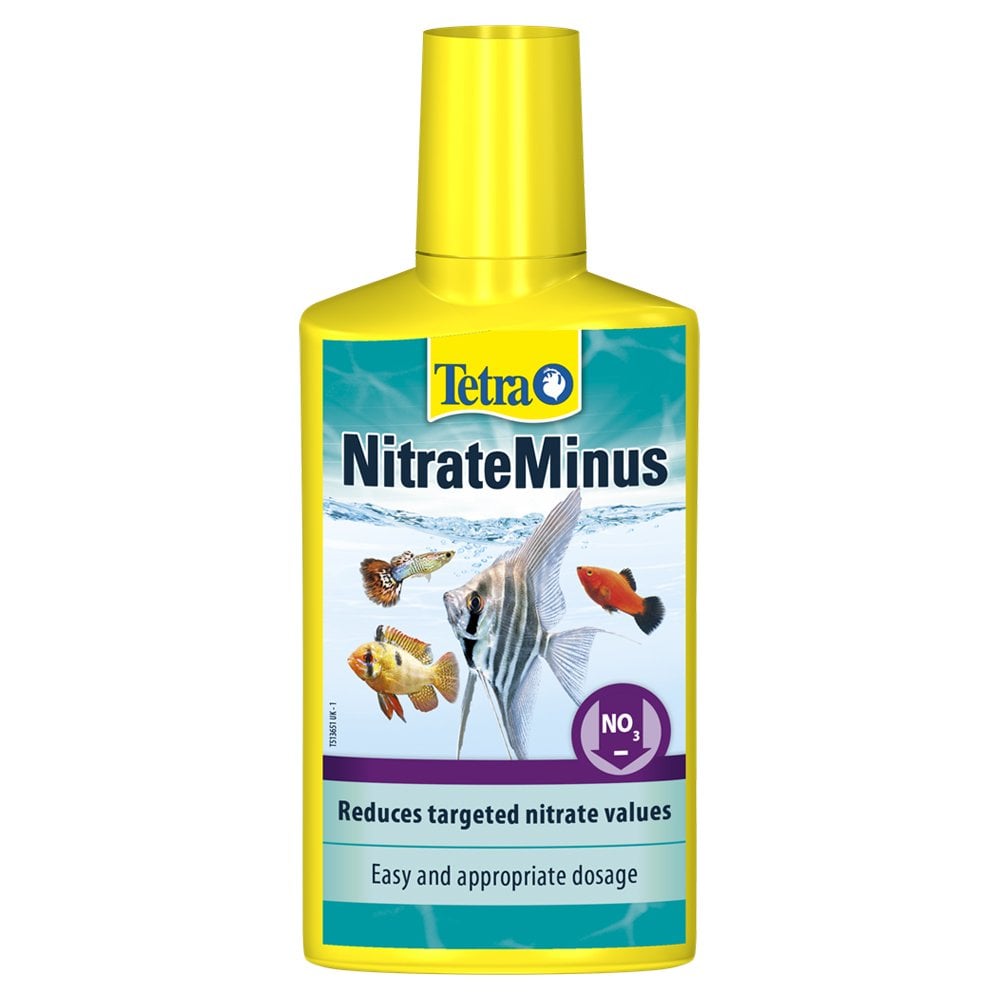
Credit: www.pond-planet.co.uk
Preventive Measures
Controlling nitrate levels in the environment is essential for healthy ecosystems. Simple preventive measures can make a big difference.
By managing our activities, we can help reduce nitrate pollution. Here are key areas to focus on for effective prevention.
Proper Fertilizer Management
Fertilizers add nutrients to the soil but must be used carefully. Proper management helps prevent excess nitrate from entering waterways.
- Test soil before applying fertilizers to know what is needed.
- Use slow-release fertilizers to minimize runoff.
- Follow recommended application rates and timing.
Improved Waste Disposal
Improper waste disposal can lead to increased nitrate levels. It is crucial to handle waste correctly to protect water quality.
Ensure that waste is disposed of in designated areas. Avoid dumping waste near water bodies.
Compost organic waste to reduce the need for chemical fertilizers.
Buffer Zones And Vegetative Barriers
Buffer zones and vegetative barriers act as natural filters. They help capture and break down nitrates before they reach water sources.
| Barrier Type | Effectiveness |
| Grass Strips | High |
| Wooded Buffers | Medium |
| Wetlands | Very High |
Monitoring And Maintenance
Keeping nitrate levels under control is important for water safety. Regular monitoring and proper maintenance are key steps.
This guide covers testing, system repairs, and data analysis. Each section will help you maintain safe nitrate levels.
Regular Water Testing
Testing water regularly helps you track nitrate levels. Use simple test kits for accurate measurements.
Record results each time you test. This helps you spot changes quickly.
- Test water weekly for best results
- Use reliable test kits
- Keep a log of all test results
System Upkeep And Repairs
Maintain your water system to prevent nitrate problems. Check for leaks and damages often.
Fix any issues as soon as you notice them. This keeps the system working well.
- Inspect filters and pipes regularly
- Repair leaks immediately
- Schedule professional check-ups annually
Data Recording And Analysis
Record all test data in a notebook or digital file. This helps you understand trends over time.
Analyze the data to see if nitrate levels are increasing or stable. Use this information to adjust your maintenance plan.
| Test Date | Nitrate Level | Notes |
| 01/01/2023 | 5 ppm | Normal |
| 01/08/2023 | 6 ppm | Slight increase |
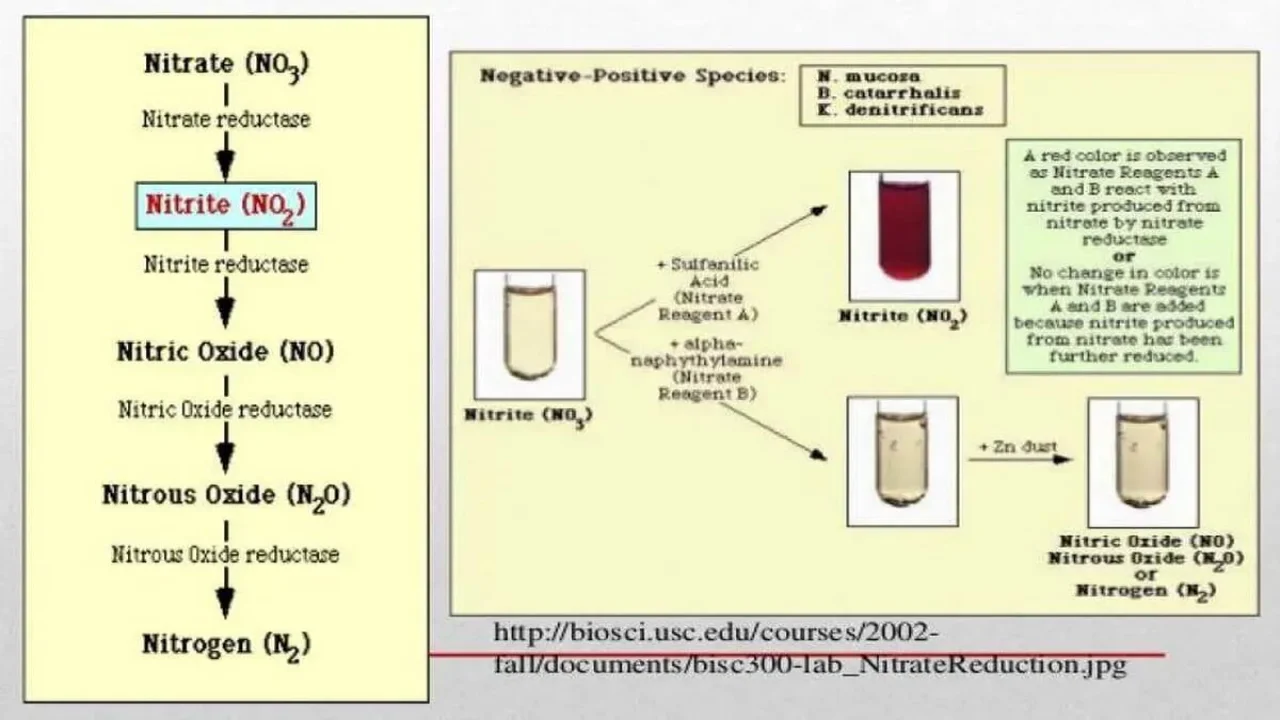
Credit: www.bioscience.com.pk
Cost And Efficiency Considerations
Controlling nitrate levels in water is important for health and safety. Choosing the right treatment depends on cost and efficiency. These factors help decide the best option for your needs.
Some treatments cost more but work fast. Others save money but take longer. Energy use and sustainability also matter for long-term success.
Treatment Cost Comparison
Treatment costs vary by method and scale. Some require expensive equipment and chemicals. Others use simple, low-cost materials.
- Ion exchange systems have moderate to high initial costs.
- Biological denitrification is cheaper but needs monitoring.
- Reverse osmosis has high upfront and maintenance costs.
- Constructed wetlands cost less but need land space.
Energy Requirements
Energy use affects both cost and environmental impact. Some treatments need a lot of power to run pumps or filters. Others rely on natural processes and use less energy.
- Reverse osmosis uses high energy for pressure.
- Ion exchange requires energy for regeneration cycles.
- Biological treatments use minimal energy.
- Wetlands depend on sunlight and natural flow.
Long-term Sustainability
Long-term sustainability means the treatment works well over time. It should keep costs and energy use low. It should also protect the environment.
- Biological systems regenerate naturally and last long.
- Ion exchange needs chemical inputs and waste disposal.
- Reverse osmosis produces waste water that needs handling.
- Wetlands provide habitats and improve biodiversity.
Frequently Asked Questions
What Are Common Treatments To Control Nitrate Levels?
Common treatments include water changes, nitrate-absorbing resins, and biological filtration. Each method reduces nitrate effectively in aquariums and water systems.
How Does Biological Filtration Reduce Nitrate?
Biological filtration uses beneficial bacteria to convert nitrate into harmless nitrogen gas. This natural process lowers nitrate concentration efficiently.
Can Plants Help Control Nitrate Naturally?
Yes, aquatic plants absorb nitrate as a nutrient. Adding live plants reduces nitrate and improves water quality naturally.
How Often Should Nitrate Treatments Be Applied?
Frequency depends on nitrate levels and system size. Regular testing helps determine when treatments are necessary for best results.
Conclusion
Controlling nitrate levels keeps water safe and healthy. Use treatments regularly to reduce nitrate buildup. Test your water often to track changes. Simple steps make a big difference in water quality. Clean water supports plants, fish, and your family’s health.
Stay consistent with treatments for best results. Small efforts lead to a cleaner, safer environment. Keep learning and adjusting for nitrate control success. Your care helps protect nature and your home.